Classic cocktail · Guided recipe
Blue Lagoon
Start makingVodka and electric-blue curaçao topped with lemonade — bright, sweet and unmistakably blue.
In the glassVodka · Blue curaçao · Lemon-lime soda
See exact amounts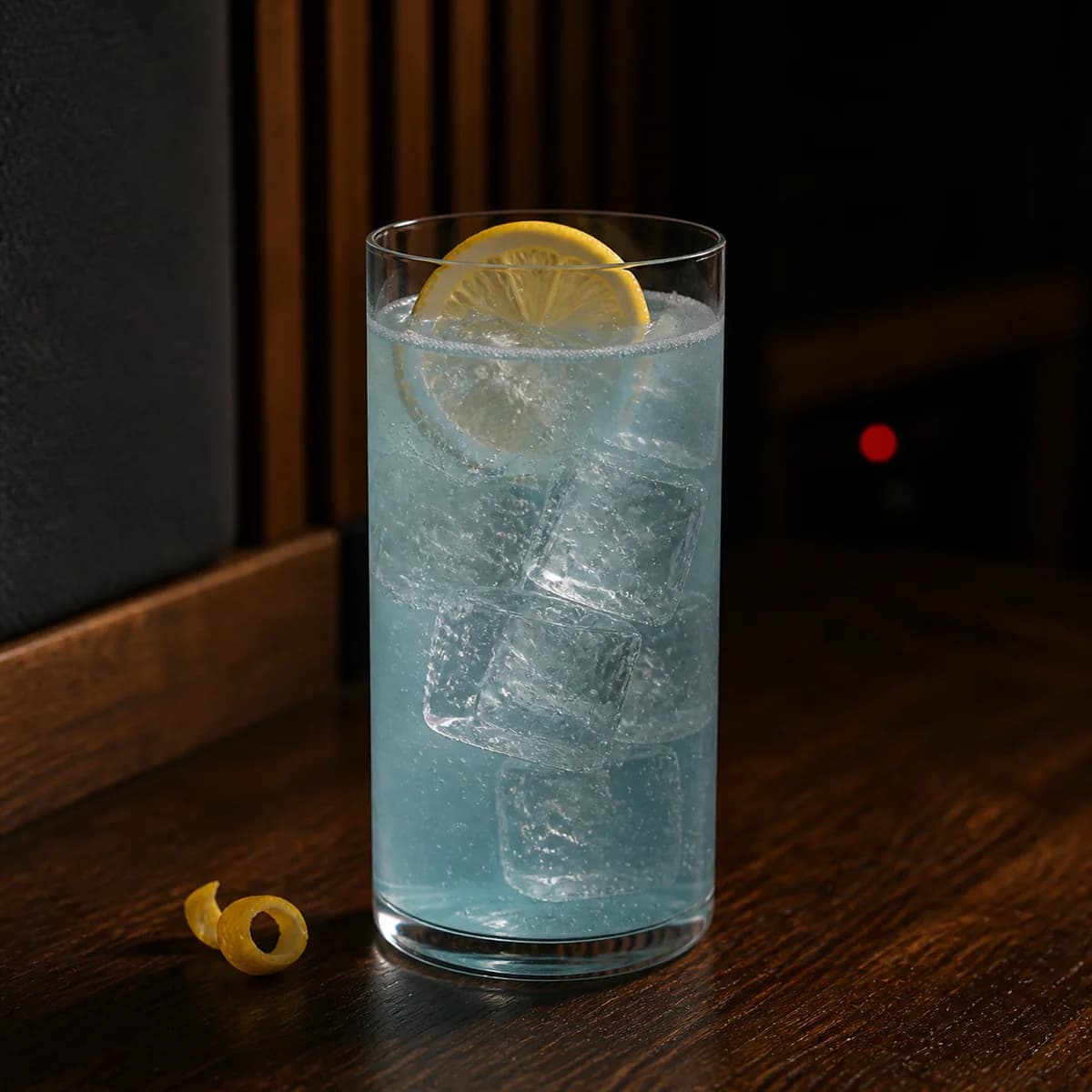
What goes in
Ingredients
Set up before you pour
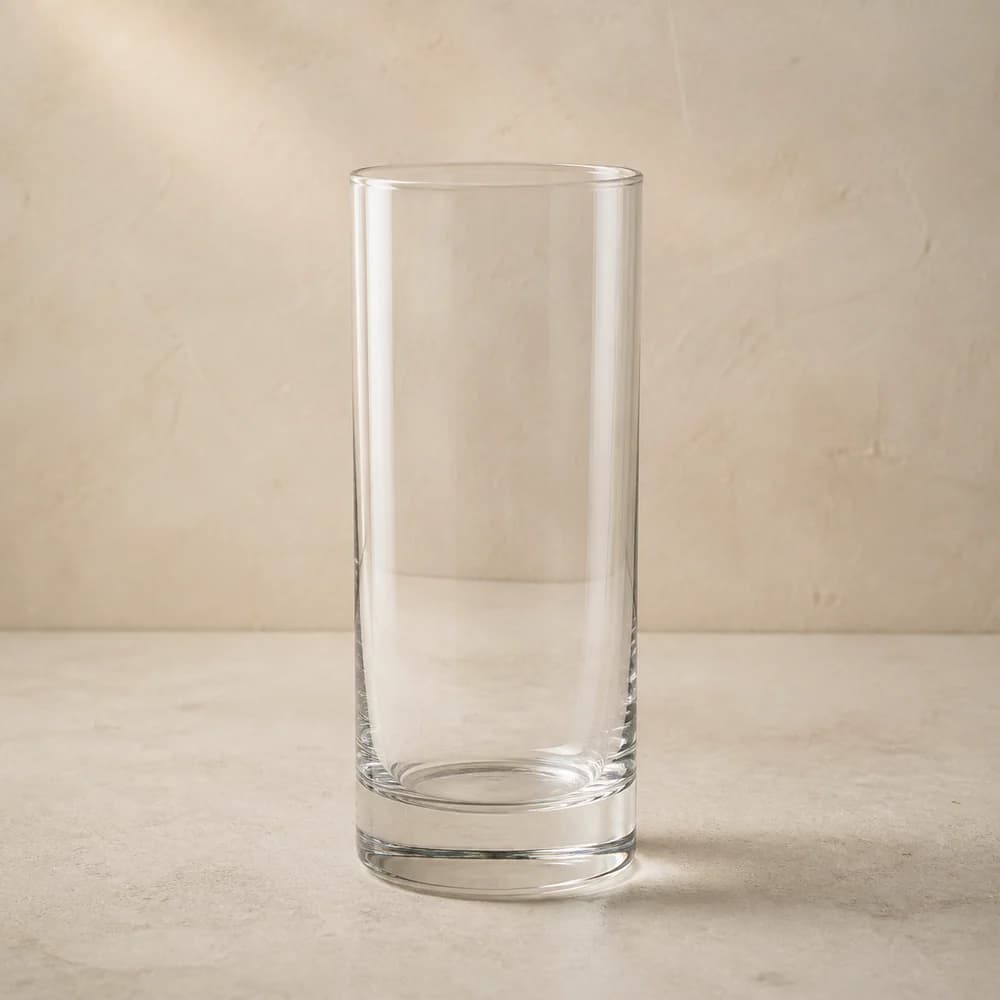
Use a highball glass.
The tall, straight shape leaves room for plenty of ice and mixer while keeping a long drink lively.
- Standard size
- 350 ml11¾ oz
- Ice & serve
- Fill it with fresh ice cubes.
- If you don’t own one
- Use a Collins glass or any tall, straight-sided tumbler.
- jigger or measuring spoon
- Vodka45 ml
- Blue curaçao22 ml
- Lemon-lime soda90 ml
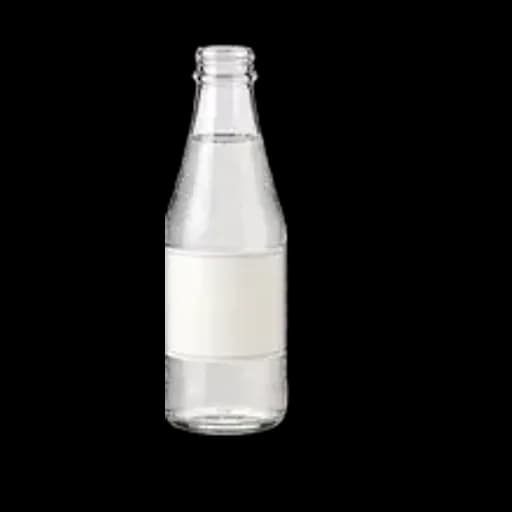
From bottle to glass
Method
- 01
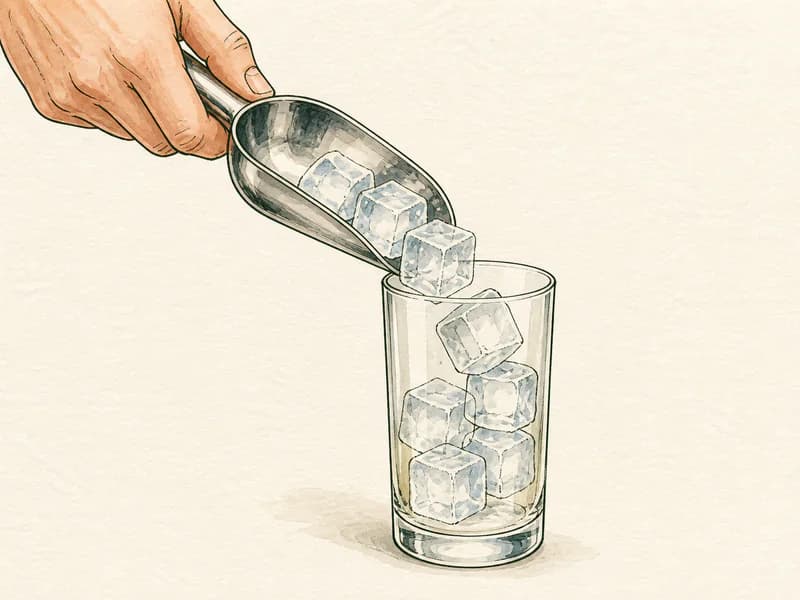
Ice the glass Fill the glass with ice
- 02
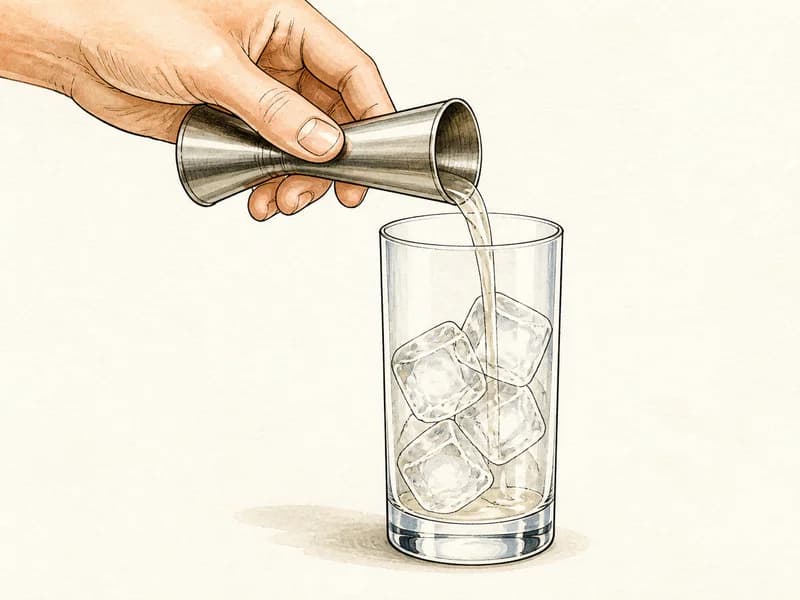
Measure and pour Pour 45 ml vodka
 Vodka
Vodka
- 03
Measure and pour Add 22 ml blue curaçao
 Blue curaçao
- 04
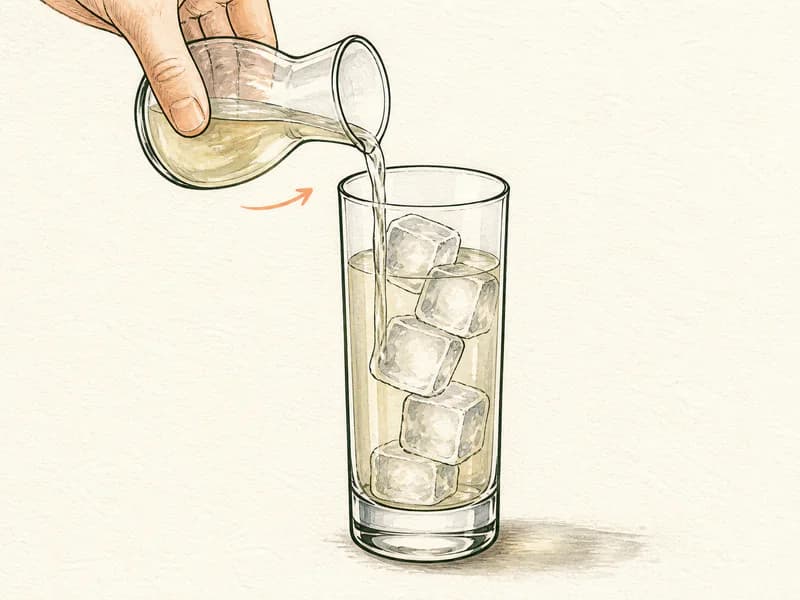
Top gently Top with 90 ml lemon-lime soda
 Lemon-lime soda
- 05
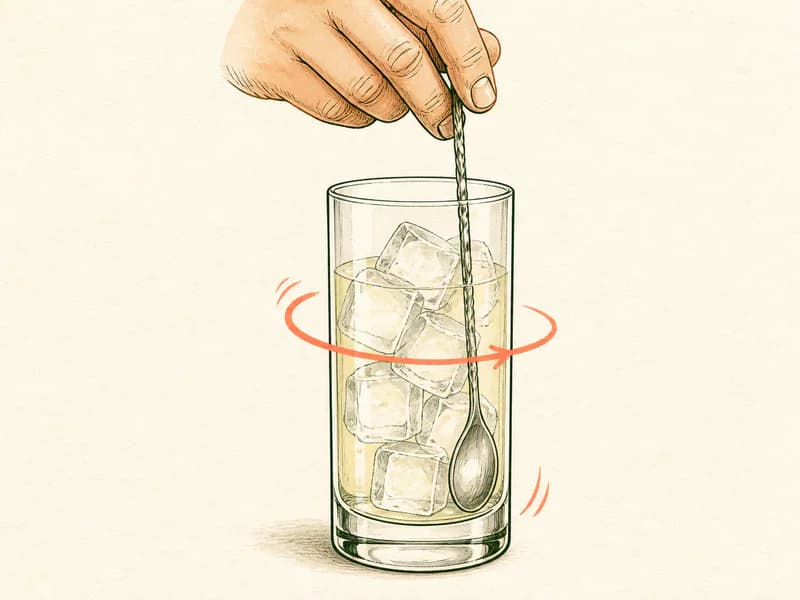
Stir around the ice Stir gently to combine
- 06
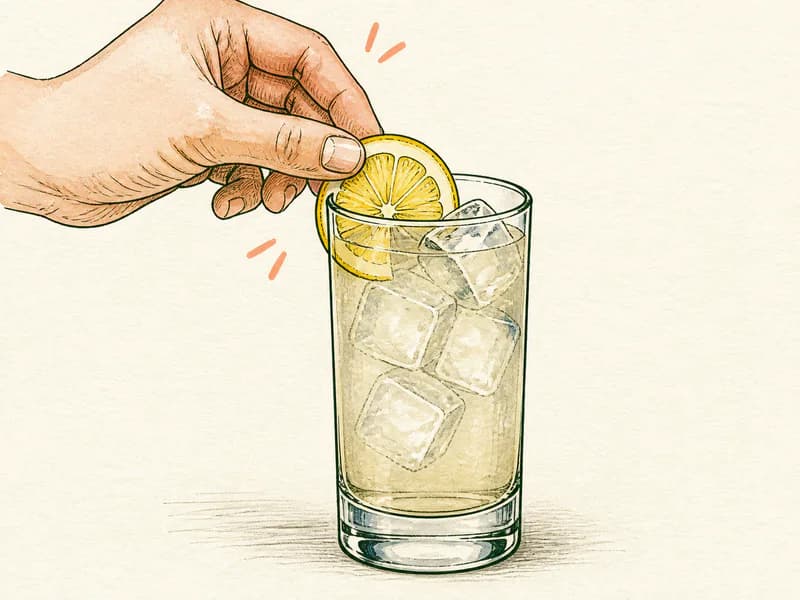
Finish the drink Finish it — add a lemon slice
Know your drink
About the Blue Lagoon
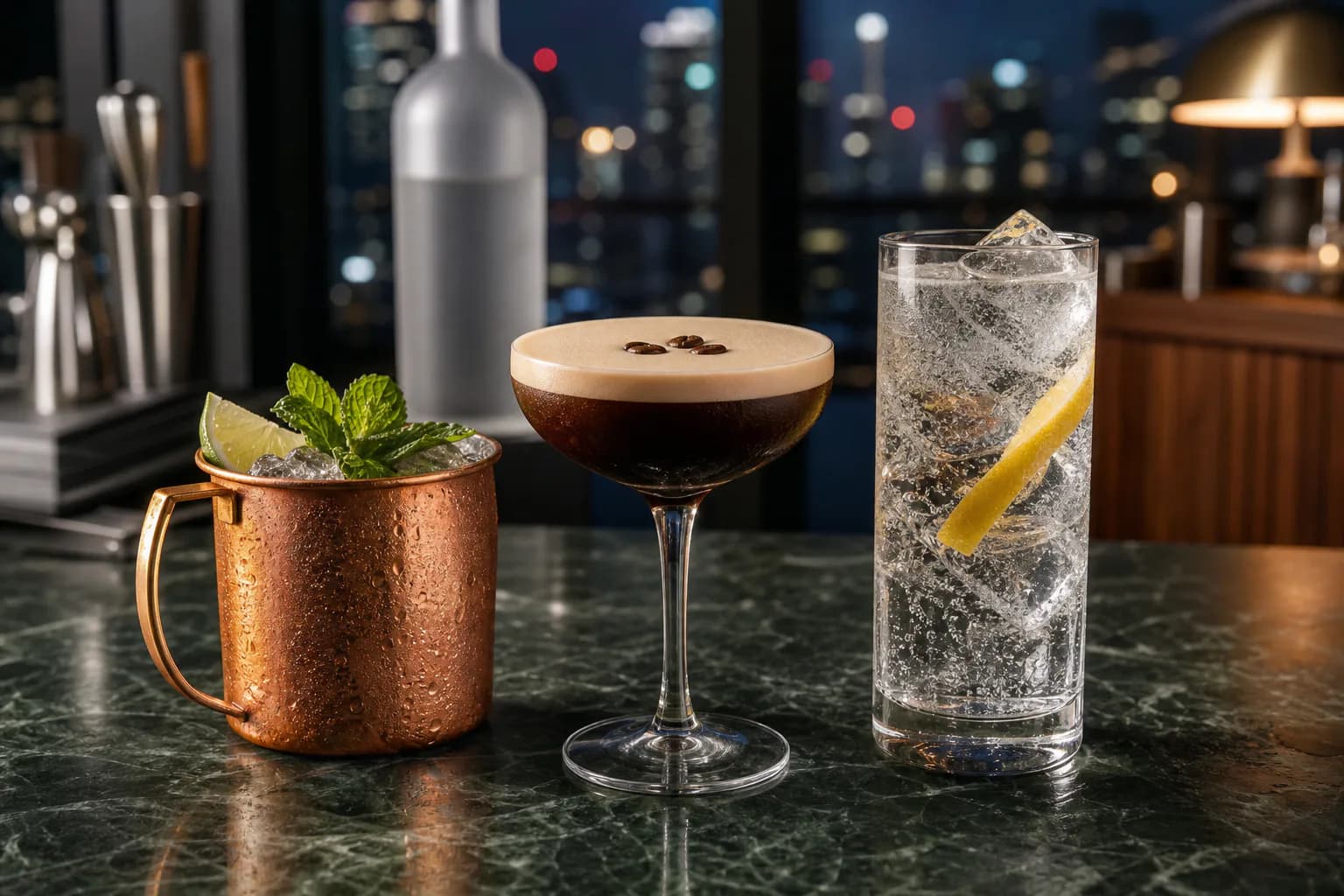
Where the blue comes from
Curaçao takes its name from the island, where Spanish settlers planted Valencia oranges that turned bitter and inedible in the dry soil. The dried peel of that fruit, the laraha, became the base of the liqueur. Everything else about the bottle is choice: the blue, the orange and the clear versions all start from the same peel.
The Blue Lagoon belongs to a run of drinks designed to be photographed, and it does that job without apology. If you want it to also taste like something, treat it as a vodka sour that happens to be blue: fresh lemon, a little less soda, and plenty of ice so it stays cold to the bottom.
Common questions
Blue Lagoon FAQ
Does blue curaçao actually taste of anything?
Bitter orange peel and sugar, essentially. Curaçao is an orange liqueur made from dried laraha peel, and the blue is added coloring with no flavor of its own. Pour it next to a plain white curaçao and the difference is almost entirely visual. Bear that in mind before you pay extra for the color.
Can I fake it with triple sec and food coloring?
You can, and the result is close. One drop of blue food coloring in 22 ml of triple sec gets you there, though the shade tends toward turquoise rather than the deep sapphire of a commercial bottle. Add the coloring to the liqueur first so it disperses evenly.
What turns the color green?
Yellow, from somewhere. Lemon juice in quantity, a yellow-tinted soda or a splash of pineapple will all shift blue toward green, and the effect is instant. If you want the lagoon color, use a clear lemon-lime soda and hang the lemon slice on the rim rather than dropping it in.
Lemonade or a squeeze of fresh lemon?
Both, if you're serious about it. The soda alone leaves the drink sweet and slack, since curaçao brings sugar of its own. Ten milliliters of fresh lemon juice added before the soda gives it a spine, and the color survives that small an amount without going green.
What ingredients are in a Blue Lagoon?
A classic Blue Lagoon calls for 45 ml (1.5 oz) Vodka, 22 ml (0.75 oz) Blue curaçao, 90 ml (3 oz) Lemon-lime soda. That single-serve spec scales cleanly — the recipe above converts it to oz and multiplies it for 2–4 drinks.
How strong is a Blue Lagoon?
A standard Blue Lagoon is roughly 15% ABV once mixed (before ice melt softens it further). That makes it about as strong as a glass of wine.
Is a Blue Lagoon shaken or stirred?
A Blue Lagoon is built directly in the glass over ice — no shaker required. Add the ingredients in order and give it a brief, gentle stir.
Sharpen the technique
Skills used in this recipe
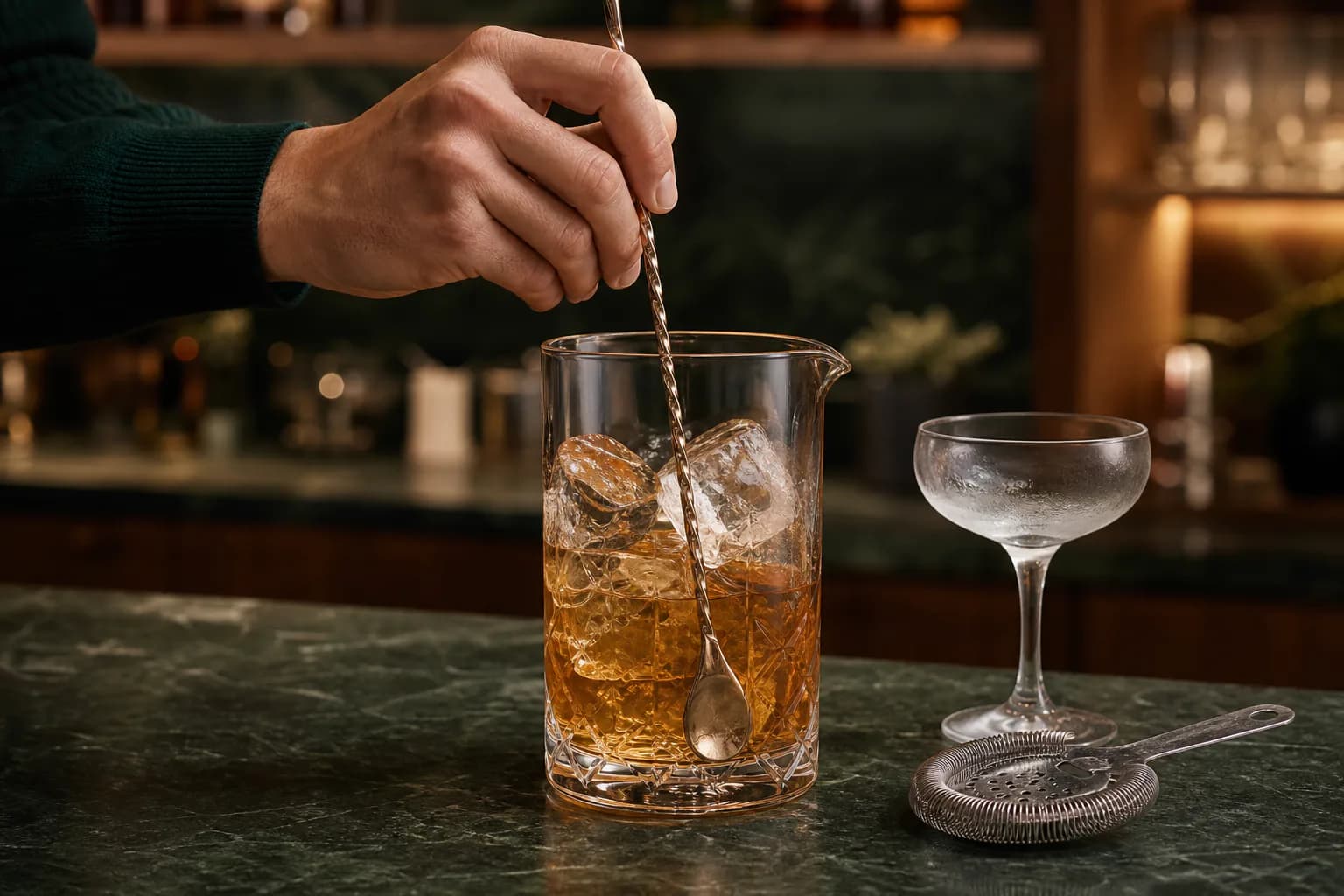
How to stir a cocktail for a silky finish
Control chilling and dilution without adding the bubbles and texture of a shake.
Read the guide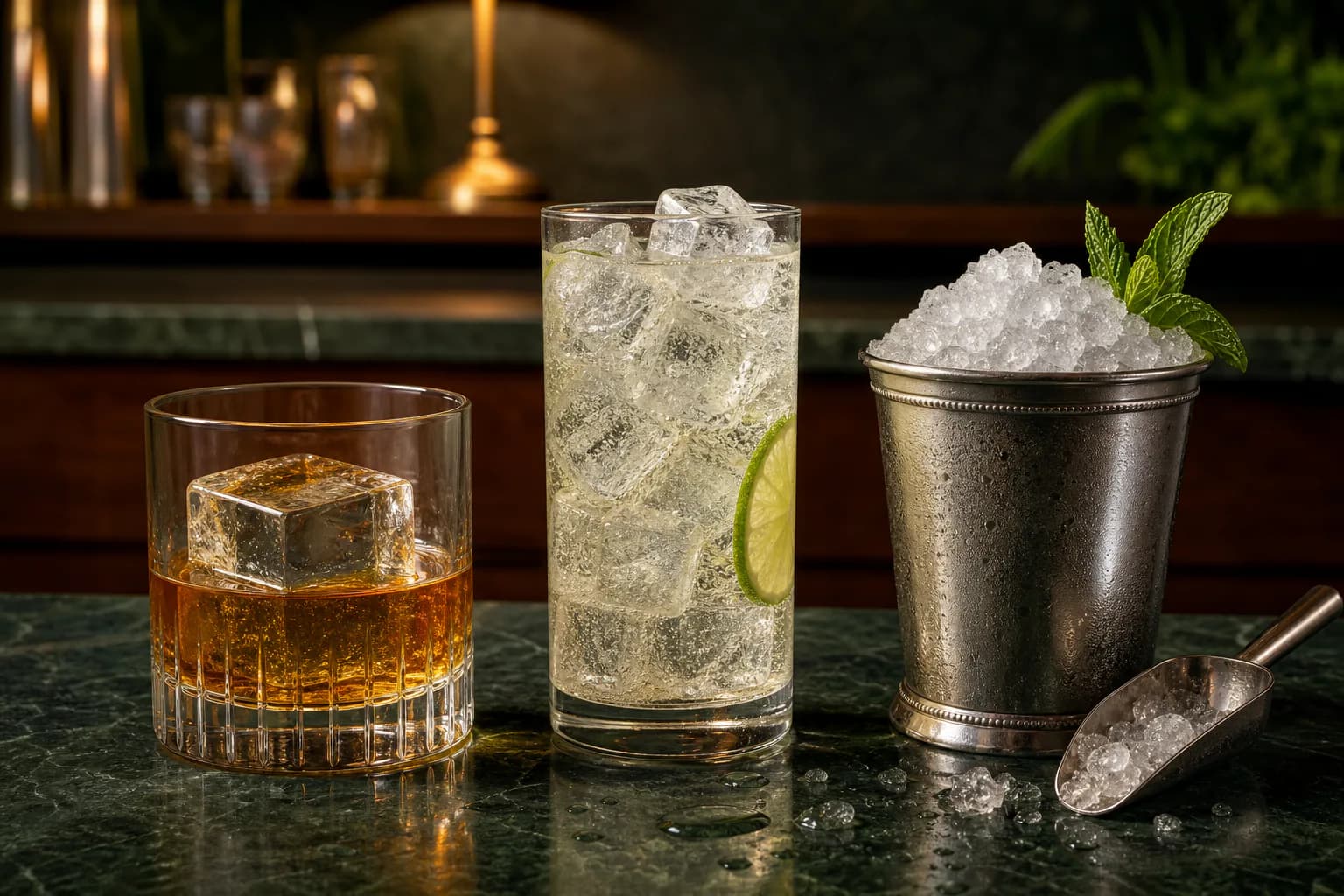
Cocktail ice: cubes, crushed ice and dilution
Understand why ice is an ingredient—and choose the right shape for every drink.
Read the guideWhere to go next
If you like the Blue Lagoon, try these.
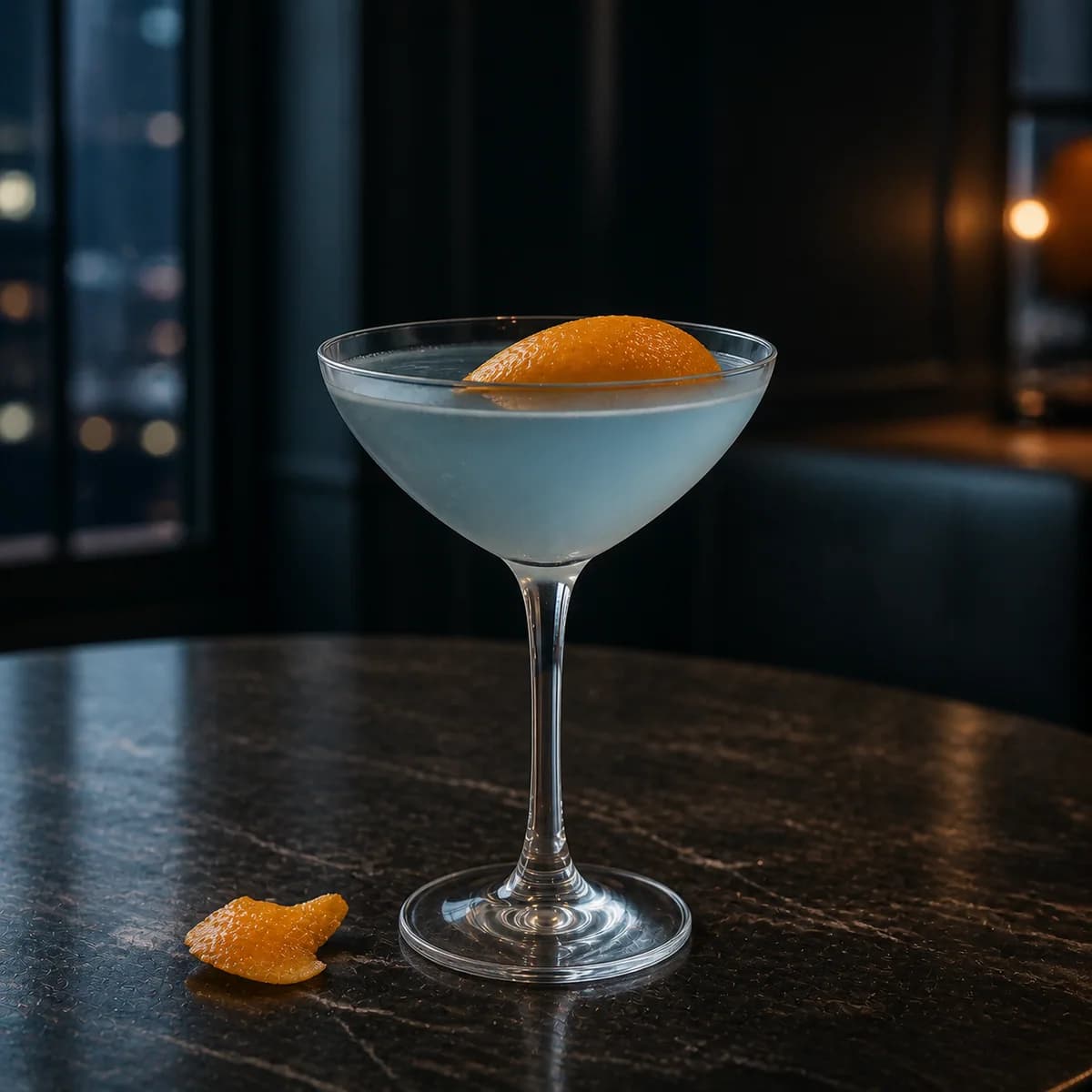
Blue Monday
Four milliliters of blue curaçao is a coloring decision, not a flavor one. Underneath the shade it is vodka with a little orange liqueur, short and considerably drier than anything that blue has a right to be.
View recipe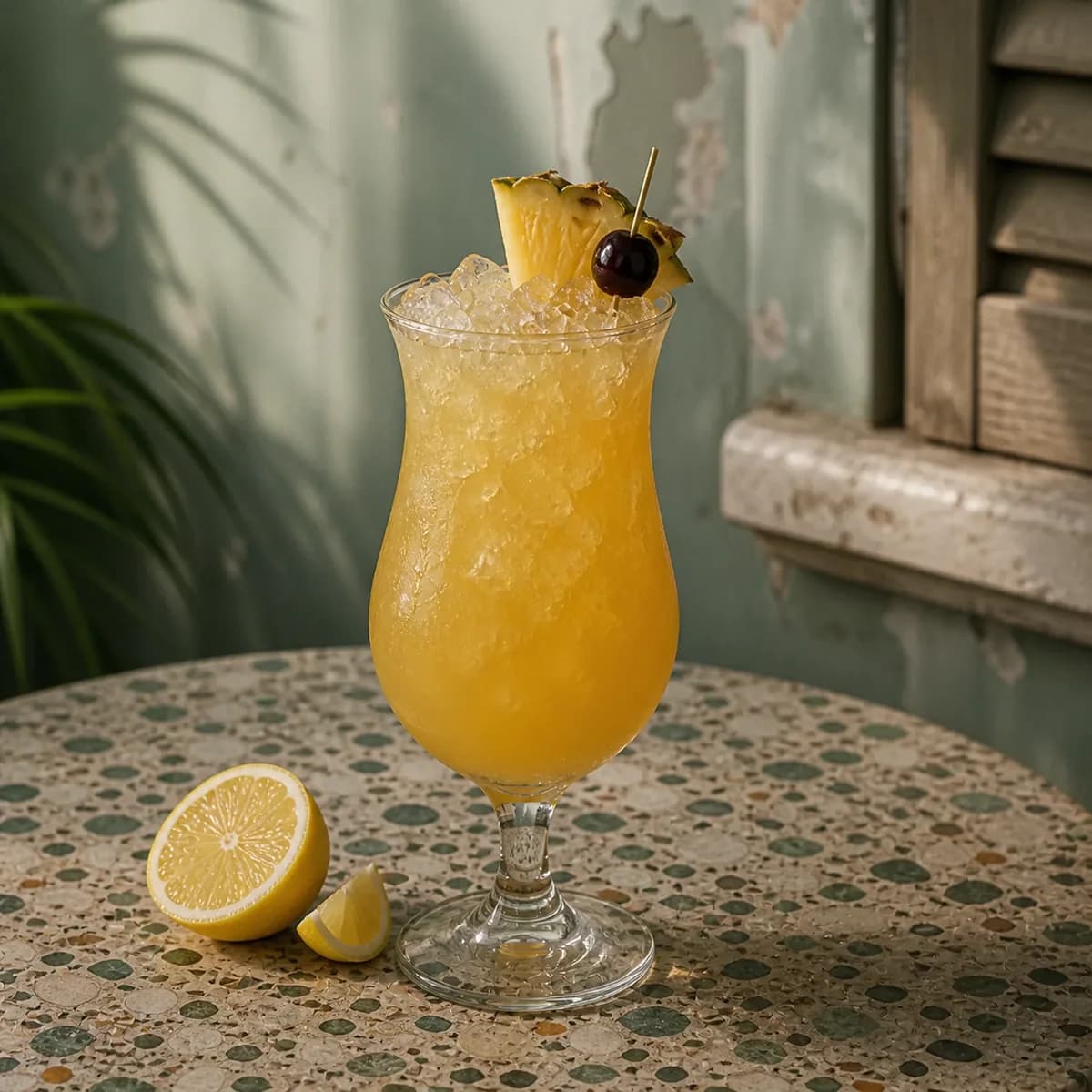
Blue Hawaii
Rum, blue curaçao and pineapple — the tiki drink the color of a Hawaiian sea. Sweet, tropical and very blue.
View recipe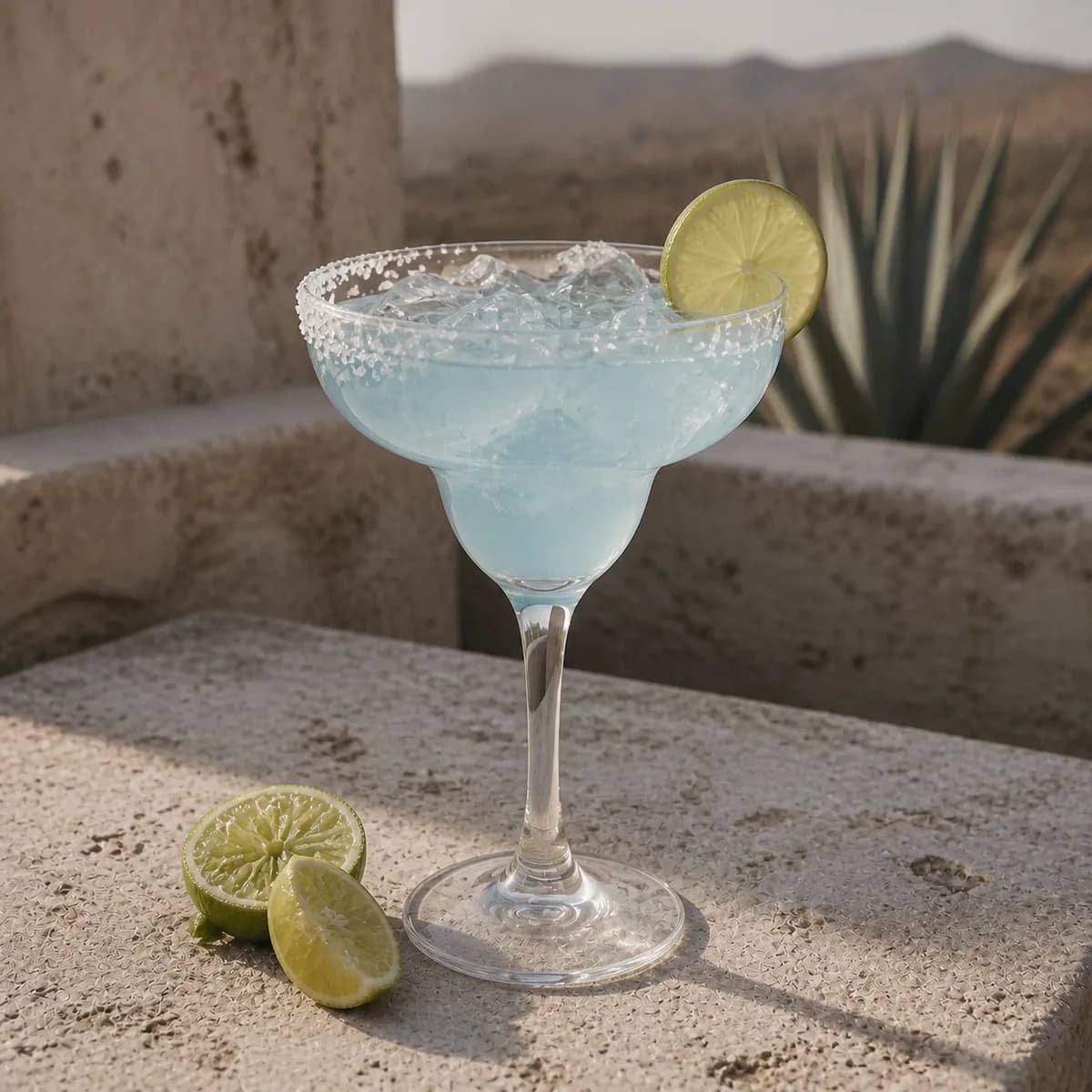
Blue Margarita
A Margarita turned electric blue with curaçao standing in for the orange liqueur. Same tart agave hit, party-ready colour.
View recipe