Classic cocktail · Guided recipe
Blue Hawaii
Start makingRum, blue curaçao and pineapple — the tiki drink the color of a Hawaiian sea. Sweet, tropical and very blue.
In the glassWhite rum · Blue curaçao · Pineapple juice · Fresh lemon juice
See exact amounts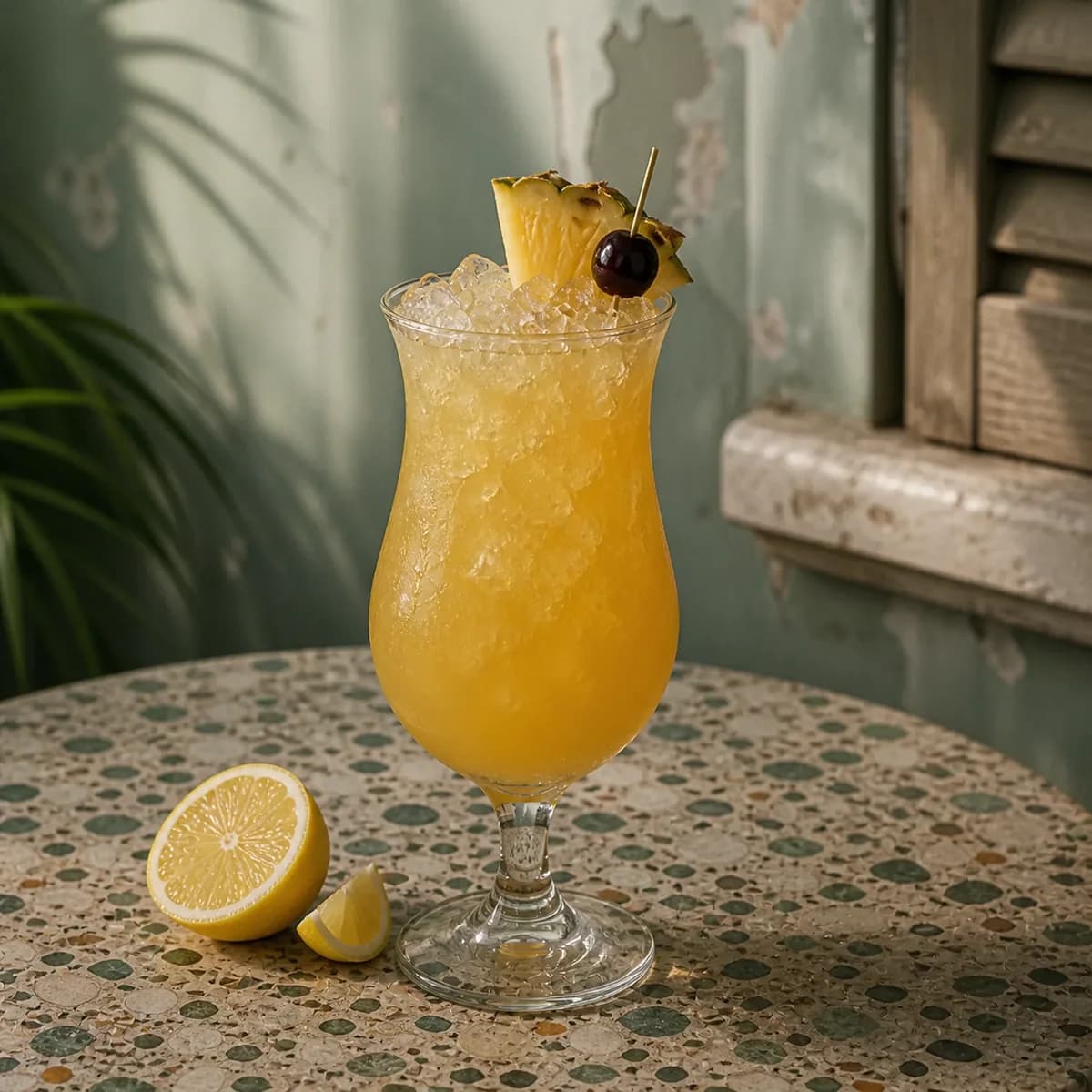
What goes in
Ingredients
Set up before you pour
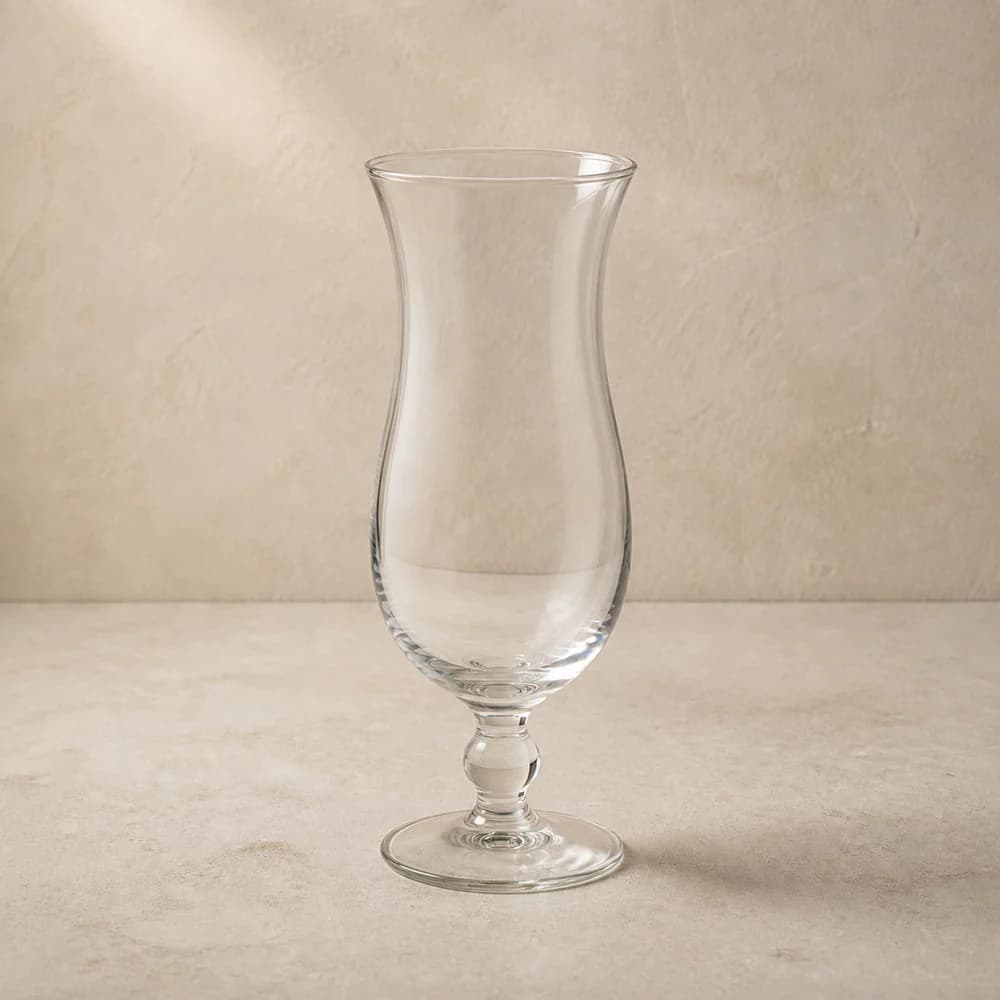
Use a hurricane glass.
The tall curved bowl holds crushed ice and a generous tropical serve while leaving room for garnish.
- Standard size
- 440 ml15 oz
- Ice & serve
- Pack it generously with crushed ice.
- If you don’t own one
- Use a highball or any tall glass with enough capacity.
- cocktail shaker
- strainer (or a small sieve)
- jigger or measuring spoon
- White rum30 ml
- Blue curaçao22 ml
- Pineapple juice60 ml
- Fresh lemon juice15 ml
From bottle to glass
Method
- 01
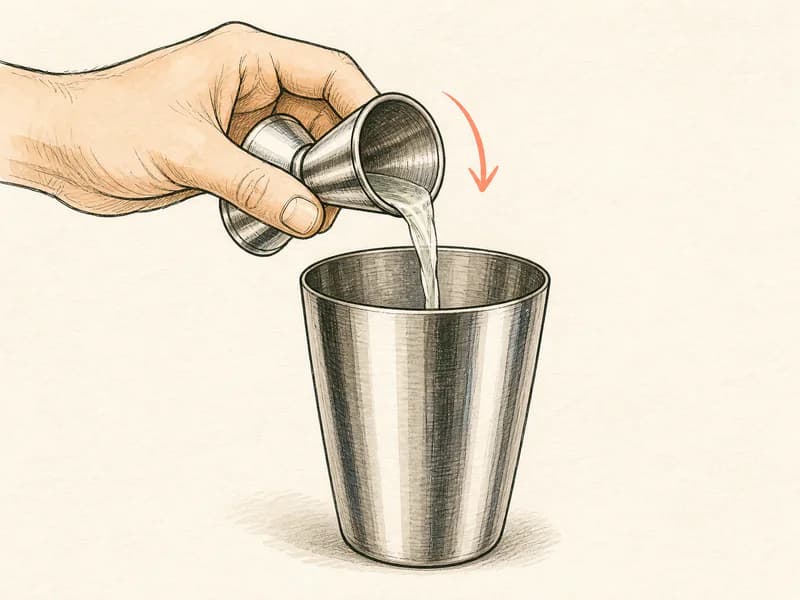
Measure into the shaker Pour 30 ml white rum into your shaker
 White rum
- 02
Measure into the shaker Add 22 ml blue curaçao
 Blue curaçao
- 03
Measure into the shaker Add 60 ml pineapple juice
 Pineapple juice
- 04
Measure into the shaker Add 15 ml fresh lemon juice
 Fresh lemon juice
- 05
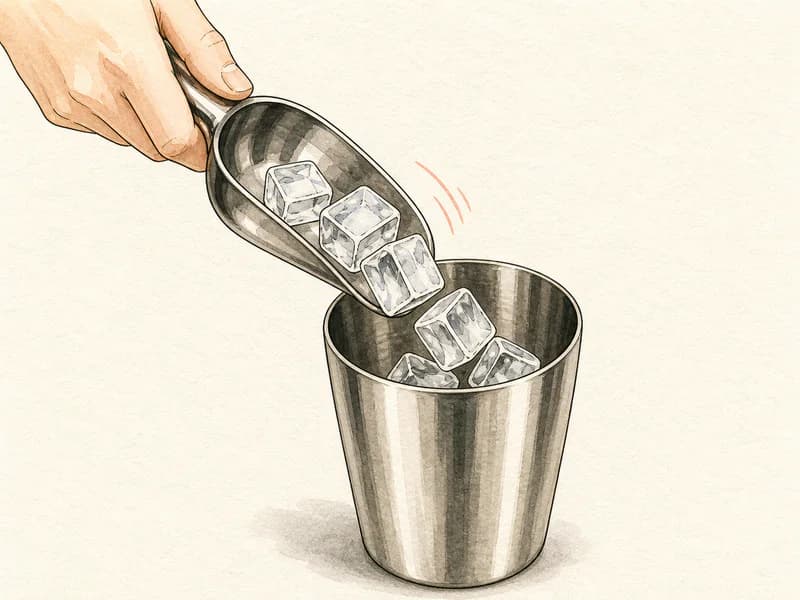
Ice the shaker Fill the shaker with ice
- 06
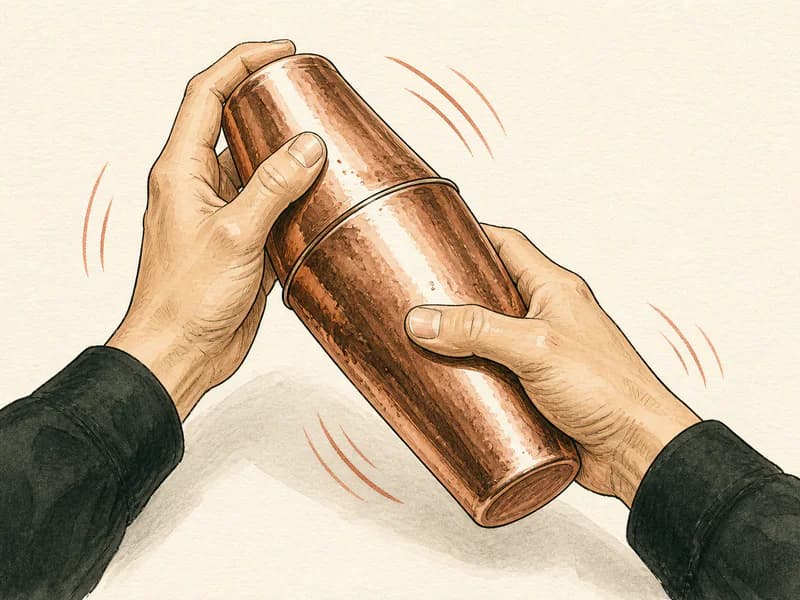
Seal and shake Seal and shake hard
- 07
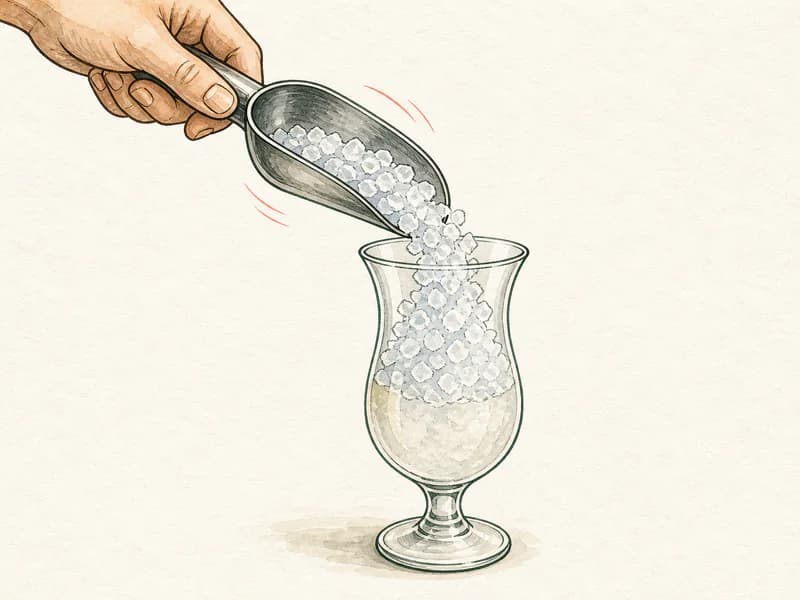
Ice the glass Fill your glass with fresh crushed ice
- 08
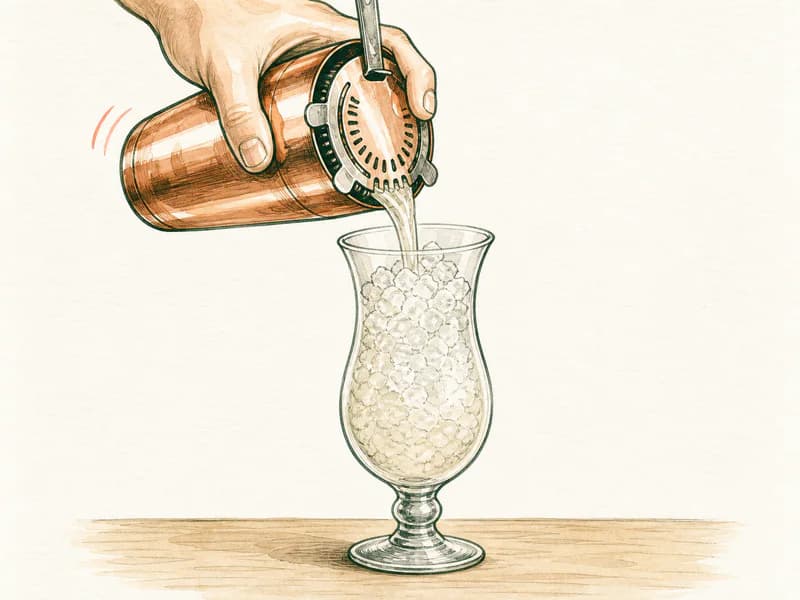
Strain cleanly Strain into your glass
- 09
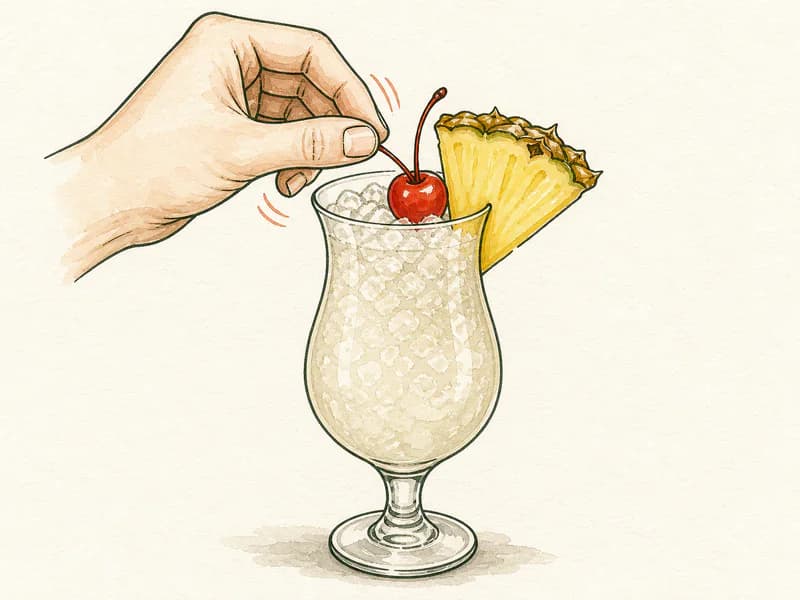
Finish the drink Finish it — add a pineapple wedge and a cocktail cherry
Know your drink
About the Blue Hawaii
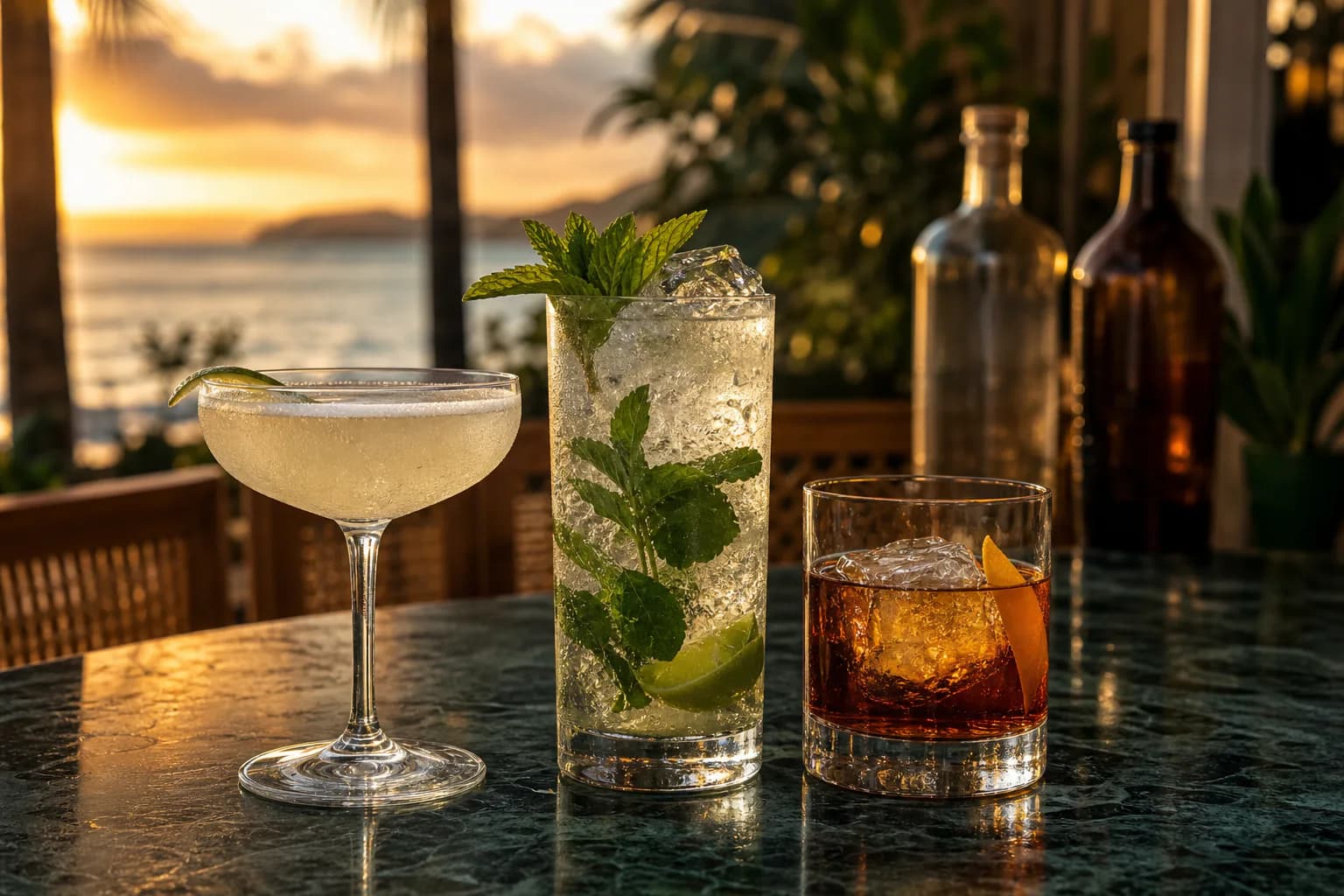
Honolulu, 1957
Harry Yee is the name attached to this one. He was working the bar at the Hilton Hawaiian Village in Honolulu in 1957 when a liqueur representative asked him to find a use for blue curaçao. Yee is also usually credited with the paper parasol and the vanda orchid, so the visual instinct was consistent.
Recipes split the base between rum and vodka almost as often as they use rum alone, and both work. Rum on its own keeps the drink in tiki territory, where the funk of the spirit meets pineapple. Adding vodka makes it cleaner and stronger without changing the flavor much, which is why so many hotel bars do it.
Common questions
Blue Hawaii FAQ
Is a Blue Hawaiian the same thing?
No, and the difference is coconut. A Blue Hawaiian adds cream of coconut, which turns the drink opaque, pale and closer to a Piña Colada. This one stays clear and translucent, and the pineapple and lemon carry it. Bars mix the two names up constantly, so ask before you order.
Is the blue curaçao only there for color?
It's orange liqueur with dye in it, and at 22 ml it carries real sugar as well as the color. Cheap bottles are mostly sugar and blue, so if the drink comes out syrupy, cut it to 15 ml and add a bar spoon of white curaçao to put the orange back.
No hurricane glass. What else works?
Any tall glass that holds around 350 ml. What matters far more is the crushed ice, which keeps the drink cold and slowly dilutes it into something drinkable. A pint glass or a large tumbler is fine. A short rocks glass is not, because it fills with ice and leaves no room.
The last half of mine was watery. Why?
You probably shook with crushed ice and then poured the lot into the glass, which dilutes twice. Shake with cubes, strain into a glass packed with fresh crushed ice, and let the ice do the rest slowly. Pack it tighter than feels reasonable, since air gaps melt fastest.
What ingredients are in a Blue Hawaii?
A classic Blue Hawaii calls for 30 ml (1 oz) White rum, 22 ml (0.75 oz) Blue curaçao, 60 ml (2 oz) Pineapple juice, 15 ml (0.5 oz) Fresh lemon juice. That single-serve spec scales cleanly — the recipe above converts it to oz and multiplies it for 2–4 drinks.
How strong is a Blue Hawaii?
A standard Blue Hawaii is roughly 14% ABV once mixed (before ice melt softens it further). That makes it about as strong as a glass of wine.
Is a Blue Hawaii shaken or stirred?
A Blue Hawaii is shaken — the rule of thumb is to shake anything with citrus juice. About 13 seconds with plenty of ice chills and dilutes it correctly.
Sharpen the technique
Skills used in this recipe
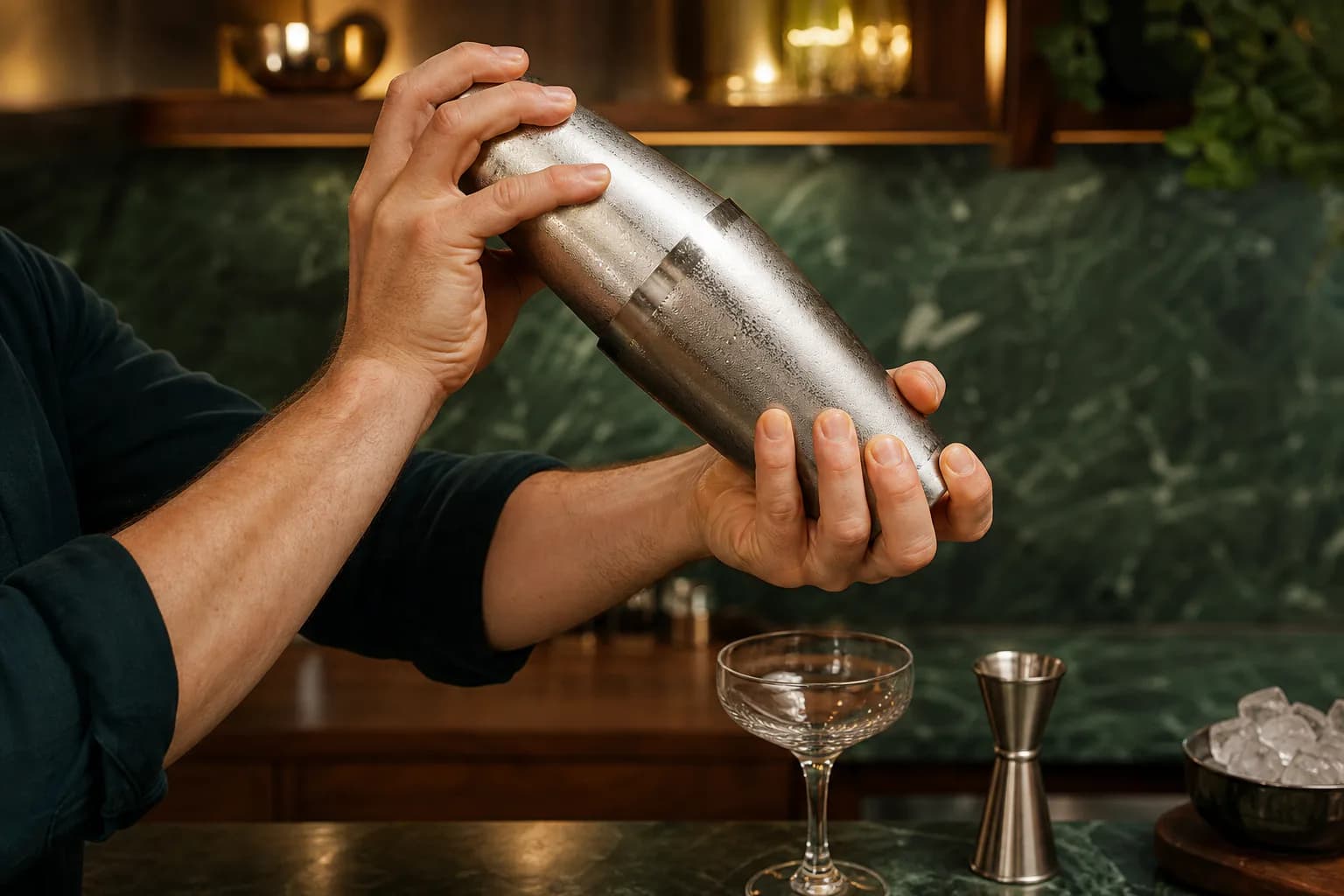
How to shake a cocktail properly
The grip, timing, ice and visual cues that make shaken drinks colder and brighter.
Read the guide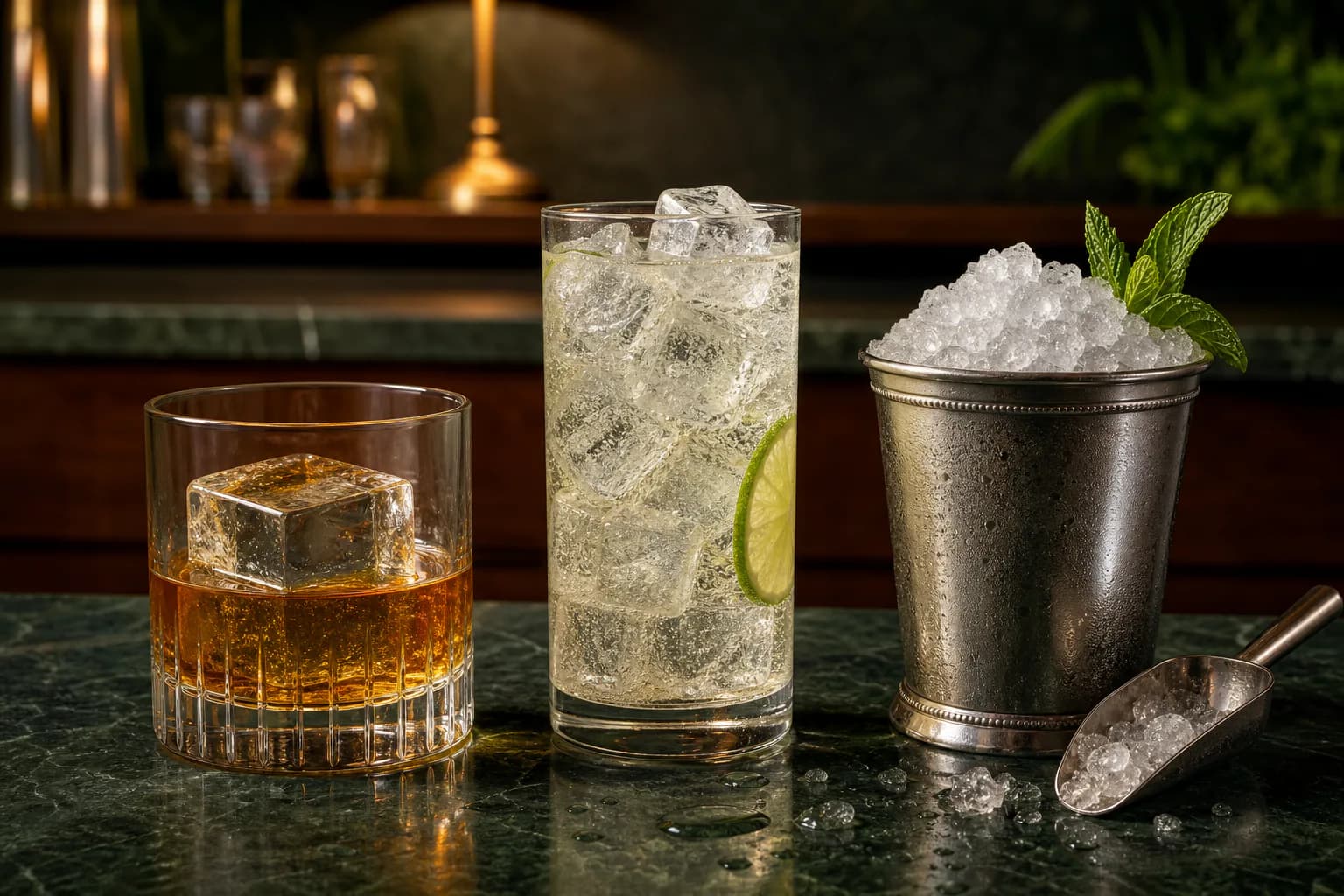
Cocktail ice: cubes, crushed ice and dilution
Understand why ice is an ingredient—and choose the right shape for every drink.
Read the guide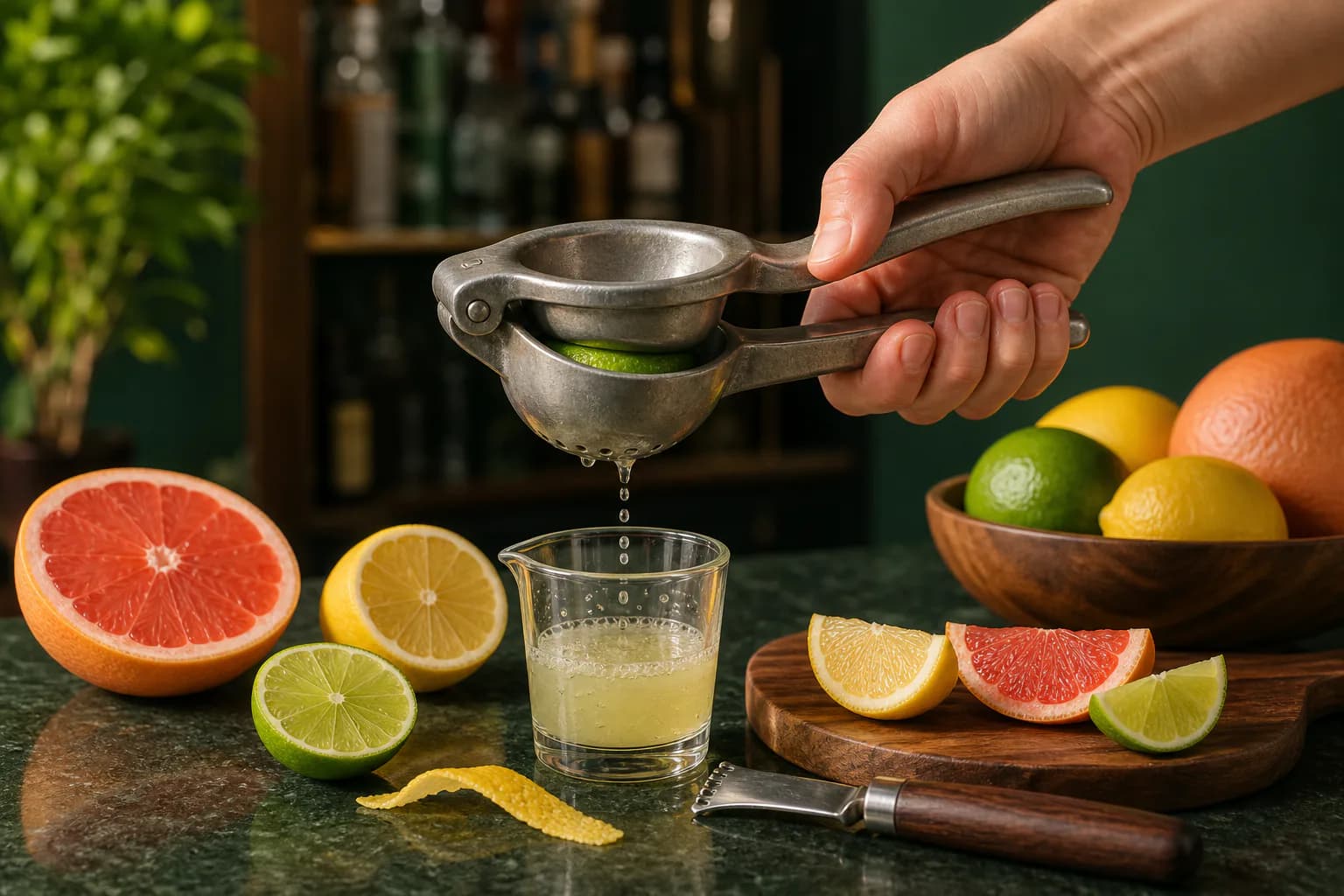
Fresh citrus for cocktails: juice, wedges and balance
Get brighter lime, lemon and grapefruit flavor with better prep and storage.
Read the guideWhere to go next
If you like the Blue Hawaii, try these.
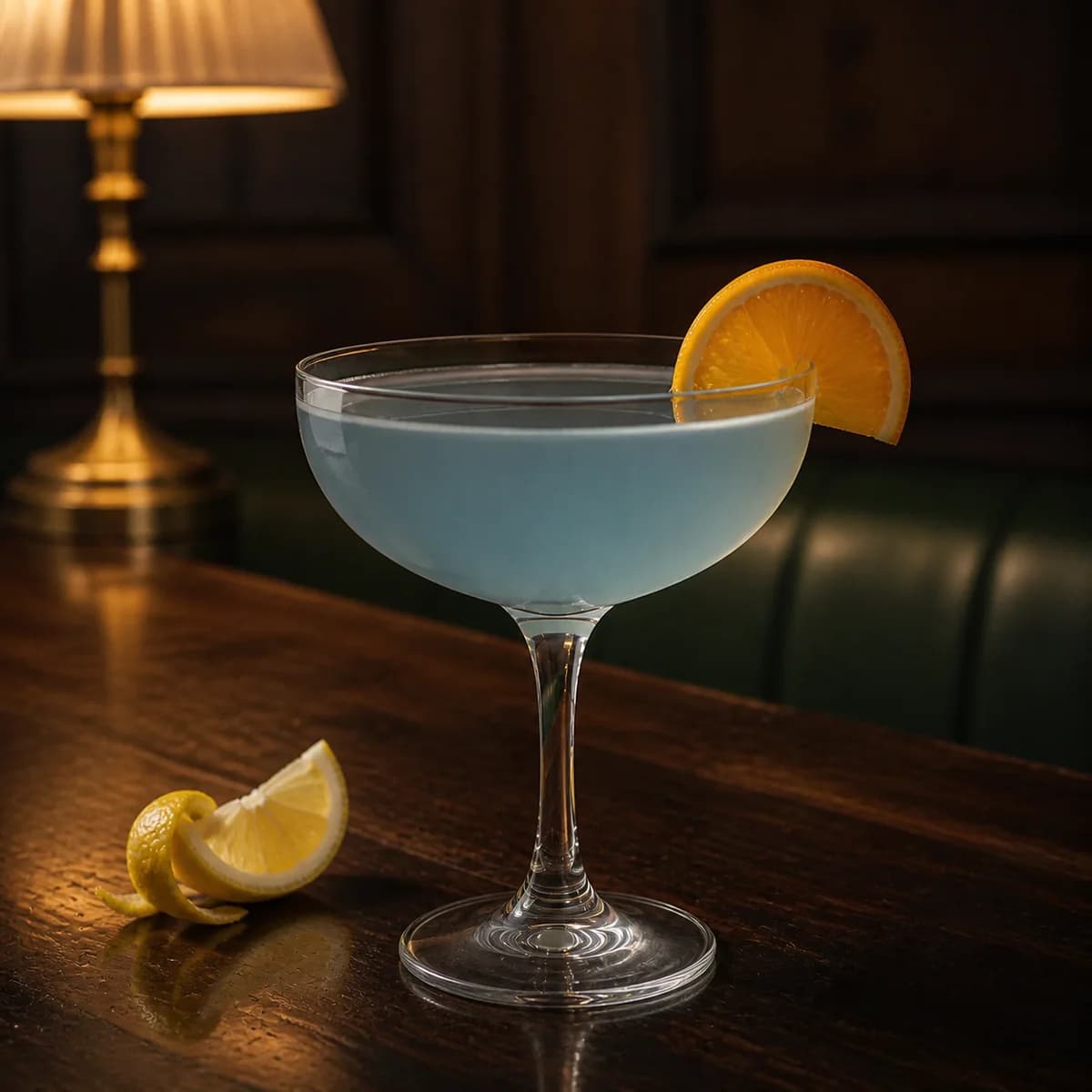
Blue Train
Eight milliliters of blue curaçao does the work of a food dye here, set against 15 of real triple sec. So it tastes like a dry gin sour with a lemon backbone and looks like a swimming pool. Buy the curaçao that actually tastes of orange.
View recipe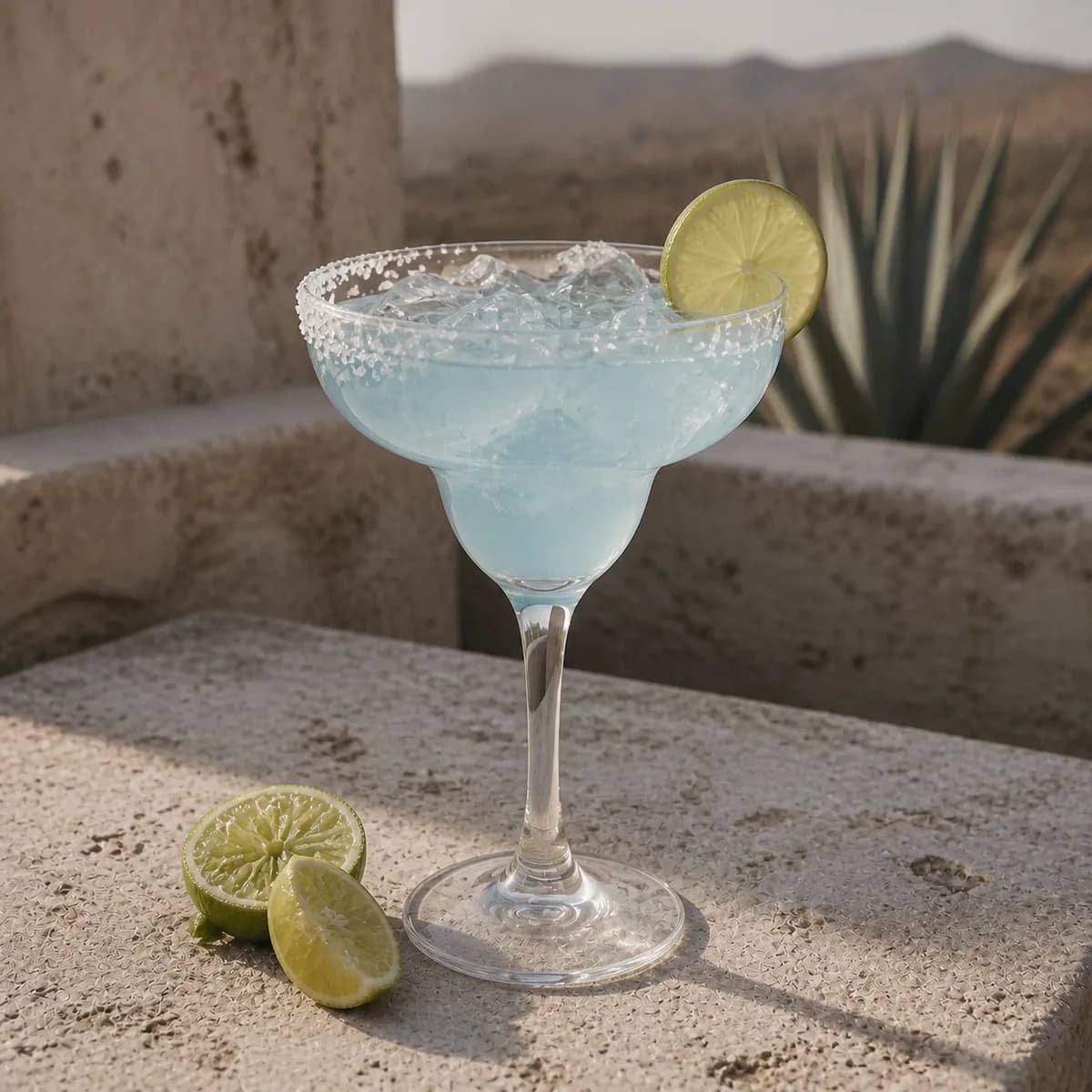
Blue Margarita
A Margarita turned electric blue with curaçao standing in for the orange liqueur. Same tart agave hit, party-ready colour.
View recipe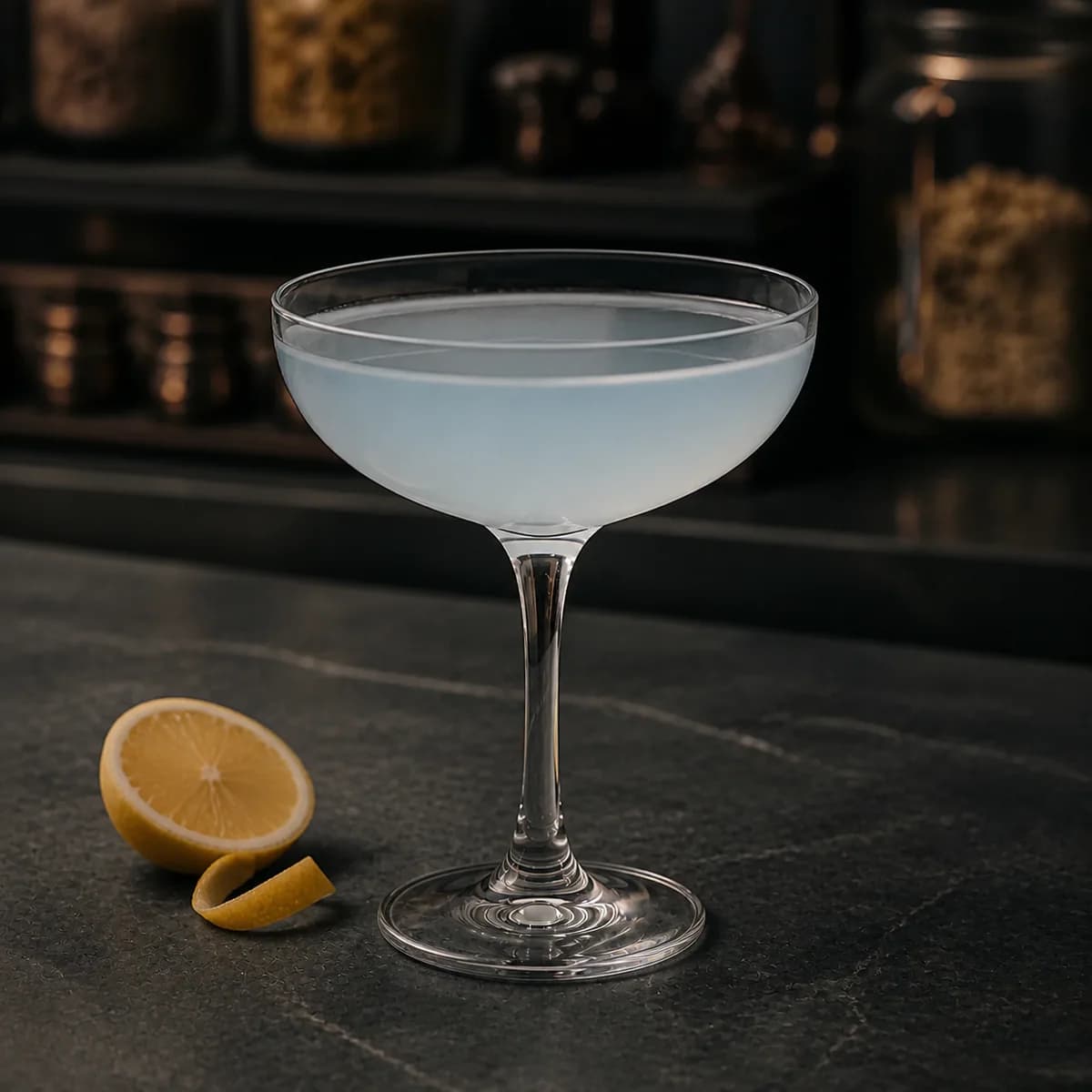
Blue Moon
A floral pre-Prohibition gin sour coloured with crème de violette — pale lavender, delicate and perfumed.
View recipe