Classic cocktail · Guided recipe
Blue Train
Start makingEight milliliters of blue curaçao does the work of a food dye here, set against 15 of real triple sec. So it tastes like a dry gin sour with a lemon backbone and looks like a swimming pool. Buy the curaçao that actually tastes of orange.
In the glassGin · Triple sec / Cointreau · Fresh lemon juice · Blue curaçao
See exact amounts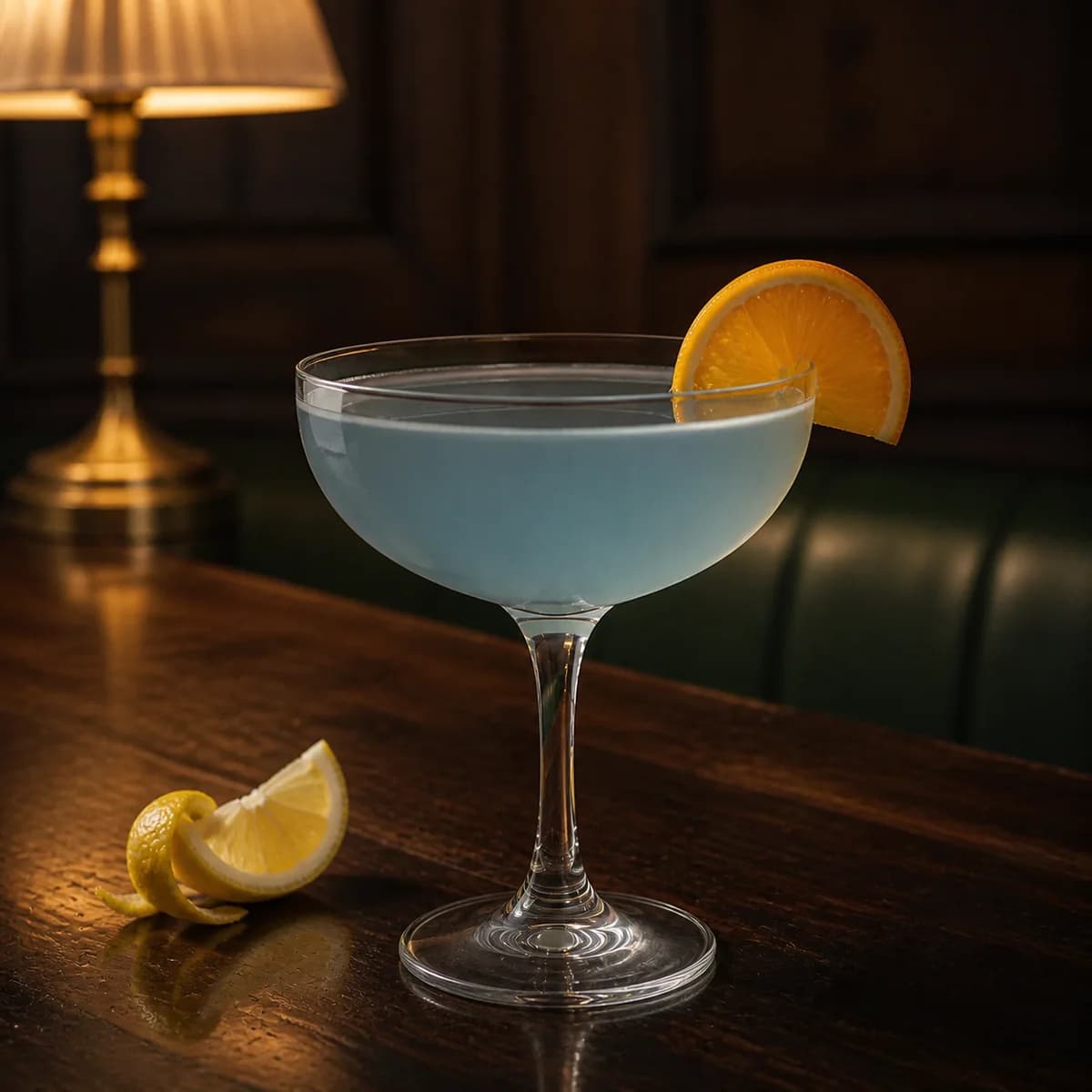
What goes in
Ingredients
Set up before you pour
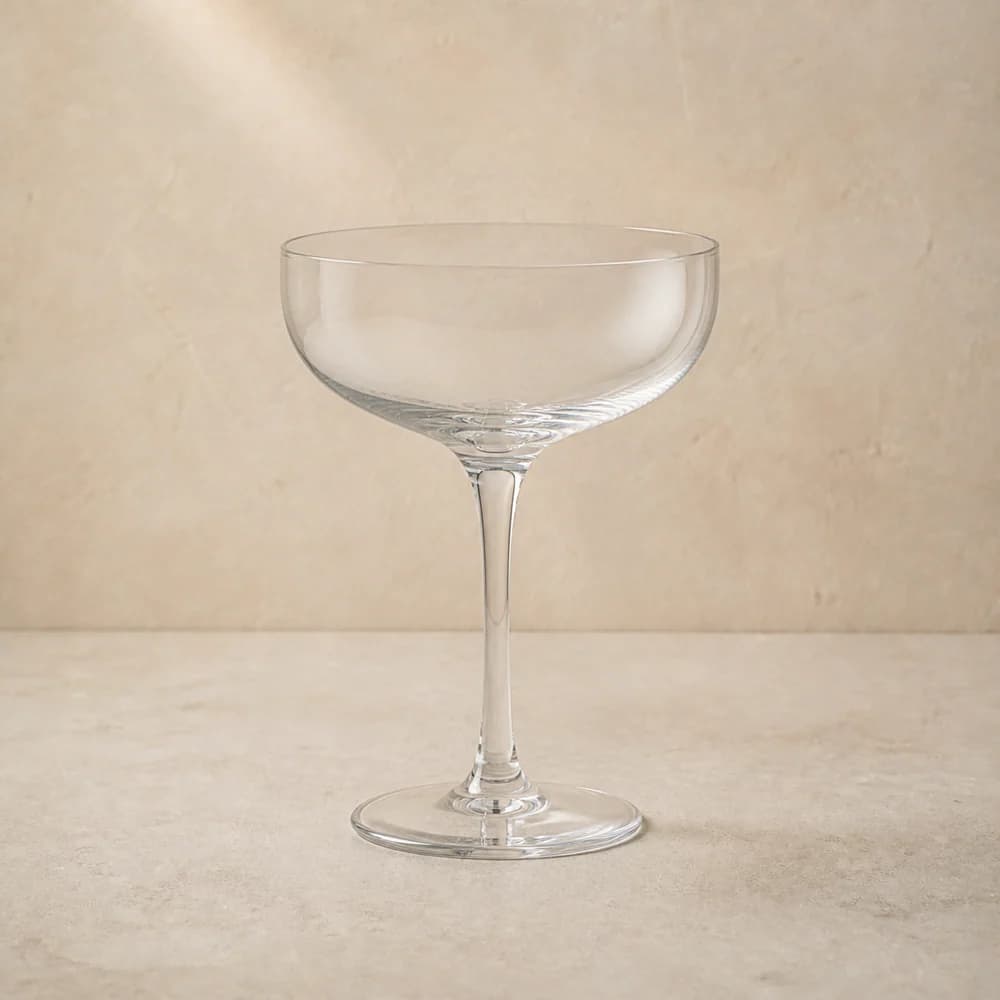
Use a coupe glass.
The stem keeps your hand away from a cold drink, while the rounded bowl makes an up serve easy to sip.
- Standard size
- 200 ml6¾ oz
- Ice & serve
- Chill it first; serve without ice.
- If you don’t own one
- Use a small martini glass or stemmed dessert glass.
- cocktail shaker
- strainer (or a small sieve)
- jigger or measuring spoon
- Gin45 ml
- Triple sec / Cointreau15 ml
- Blue curaçao8 ml
- Fresh lemon juice15 ml
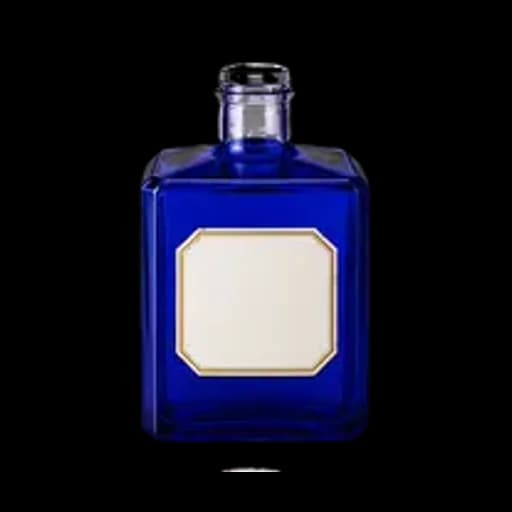
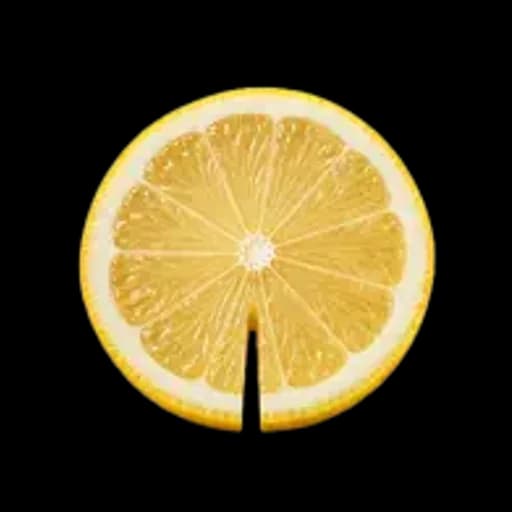
From bottle to glass
Method
- 01
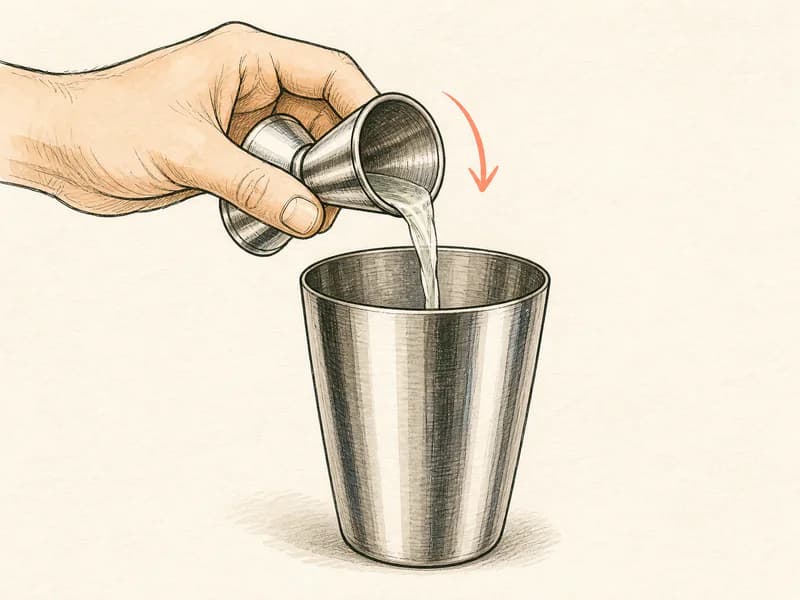
Measure into the shaker Pour 45 ml gin into your shaker
 Gin
Gin
- 02
Measure into the shaker Add 15 ml triple sec / cointreau
 Triple sec / Cointreau
- 03
Measure into the shaker Add 15 ml fresh lemon juice
 Fresh lemon juice
- 04
Measure into the shaker Add 8 ml blue curaçao
 Blue curaçao
- 05
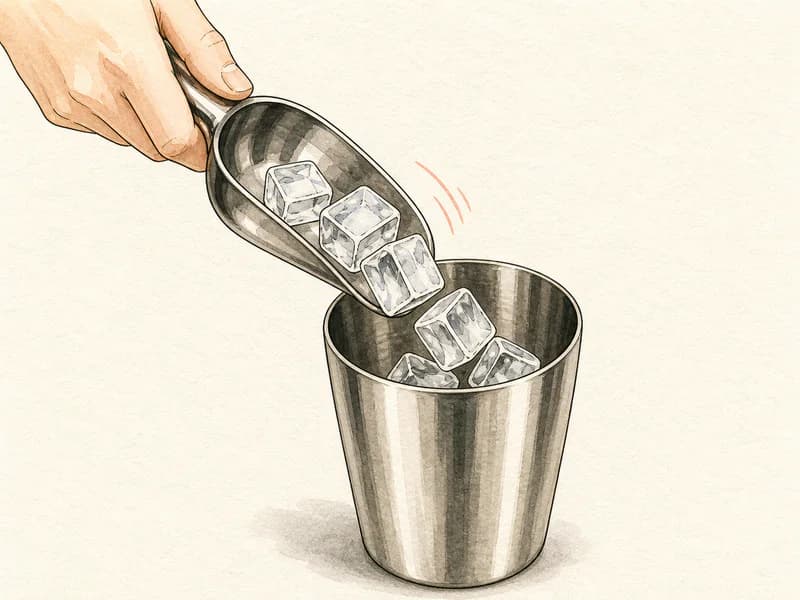
Ice the shaker Fill the shaker with ice
- 06
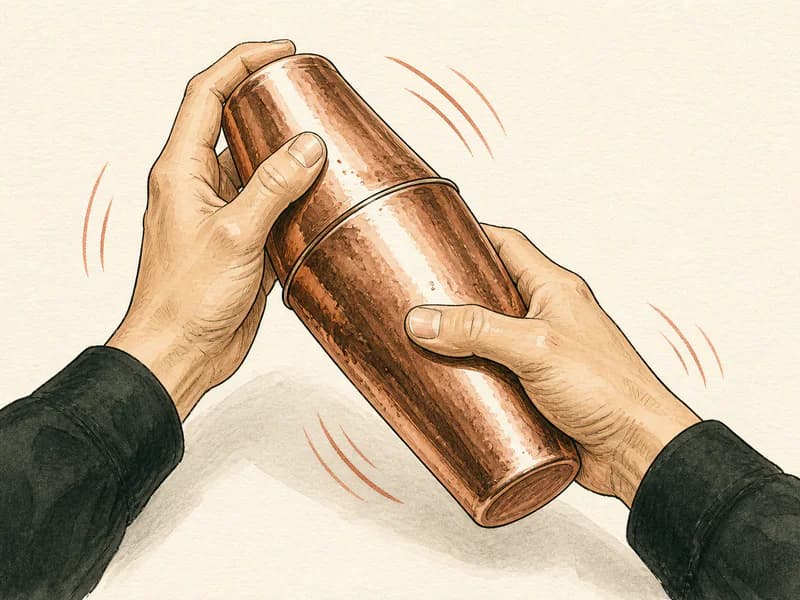
Seal and shake Seal and shake hard
- 07
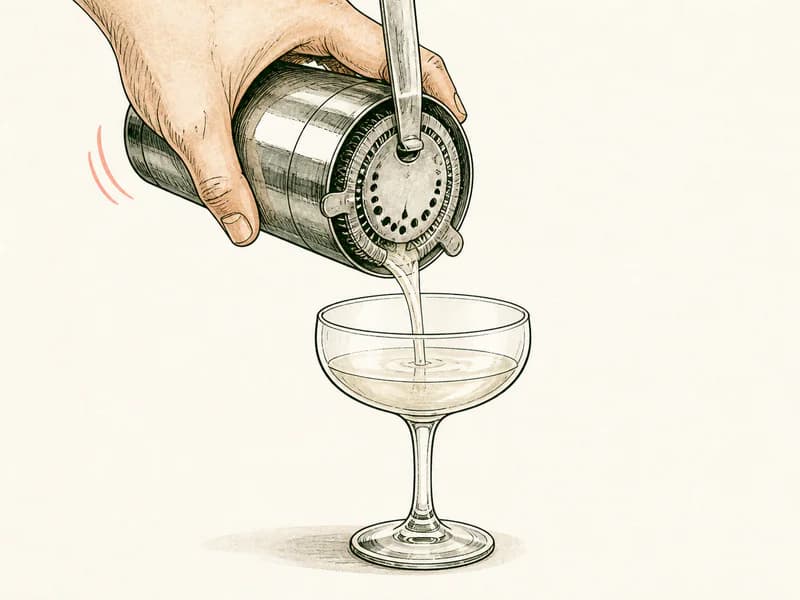
Strain cleanly Strain into a chilled glass — no ice
- 08
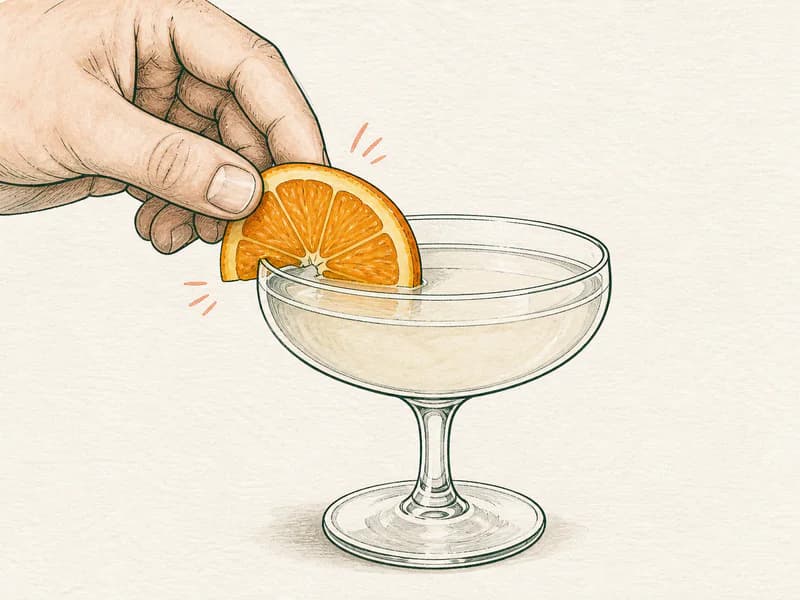
Finish the drink Finish it — add an orange slice
Know your drink
About the Blue Train
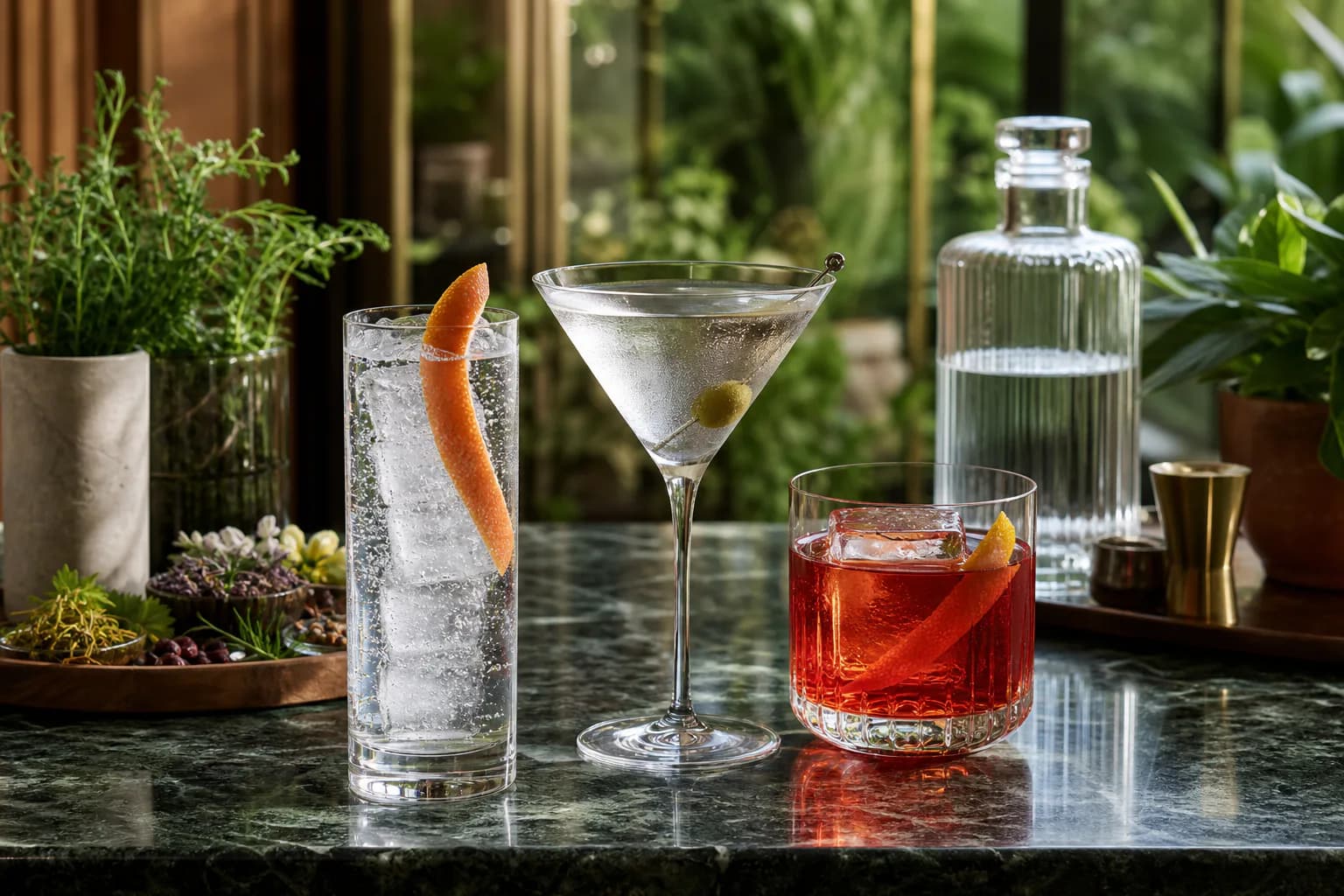
Depth changes the blue
Same drink, two colors. Dye reads by depth, so this in a wide coupe comes out a pale teal, while the identical liquid poured into a narrow glass looks close to navy. Background matters as much: over a white napkin it brightens, on dark wood it goes murky. If the color is the reason you are making it, the glass does more for you than the pour does.
Common questions
Blue Train FAQ
Why does the recipe use two orange liqueurs?
Because blue curaçao is bought for color and triple sec is bought for flavor. Most blue bottlings are thinner and sweeter than a proper dry curaçao, so the 15ml of triple sec does the orange work while the 8ml of blue handles the paint job.
Can I get the color without the blue bottle?
Not honestly. A single drop of blue food coloring in Cointreau gets you there and tastes better, if you are relaxed about that sort of thing. Butterfly pea flower turns the drink purple the moment lemon juice hits it, which is a completely different effect.
It came out pale and cloudy. Is that wrong?
No. Shaking citrus hard aerates it, and the drink lightens to a milky turquoise for a minute or two before settling. If it stays opaque, you shook too long on too much small ice and over-diluted it. Strain into a chilled coupe and give it a moment.
How do I make it less sweet?
Cut the blue curaçao to 4ml and push the lemon up to 20ml. You lose a little color intensity and gain a drink that tastes of gin rather than candy. Most blue bottlings carry noticeably more sugar than triple sec at the same volume.
What ingredients are in a Blue Train?
A classic Blue Train calls for 45 ml (1.5 oz) Gin, 15 ml (0.5 oz) Triple sec / Cointreau, 15 ml (0.5 oz) Fresh lemon juice, 8 ml (0.25 oz) Blue curaçao. That single-serve spec scales cleanly — the recipe above converts it to oz and multiplies it for 2–4 drinks.
How strong is a Blue Train?
A standard Blue Train is roughly 31% ABV once mixed (before ice melt softens it further). That makes it spirit-forward — closer to a Martini than to a beer, so sip it slowly.
Is a Blue Train shaken or stirred?
A Blue Train is shaken — the rule of thumb is to shake anything with citrus juice. About 13 seconds with plenty of ice chills and dilutes it correctly.
Sharpen the technique
Skills used in this recipe
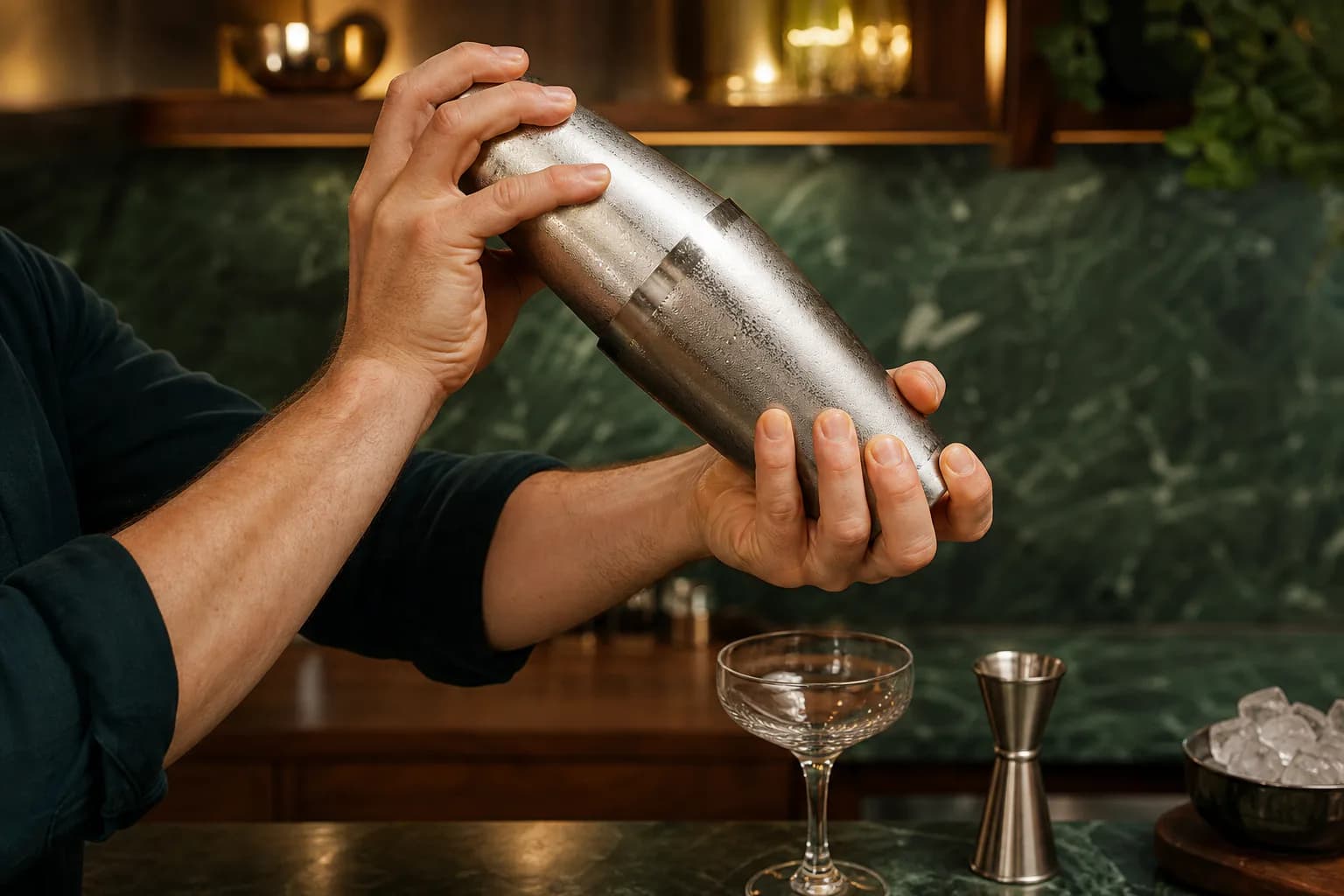
How to shake a cocktail properly
The grip, timing, ice and visual cues that make shaken drinks colder and brighter.
Read the guide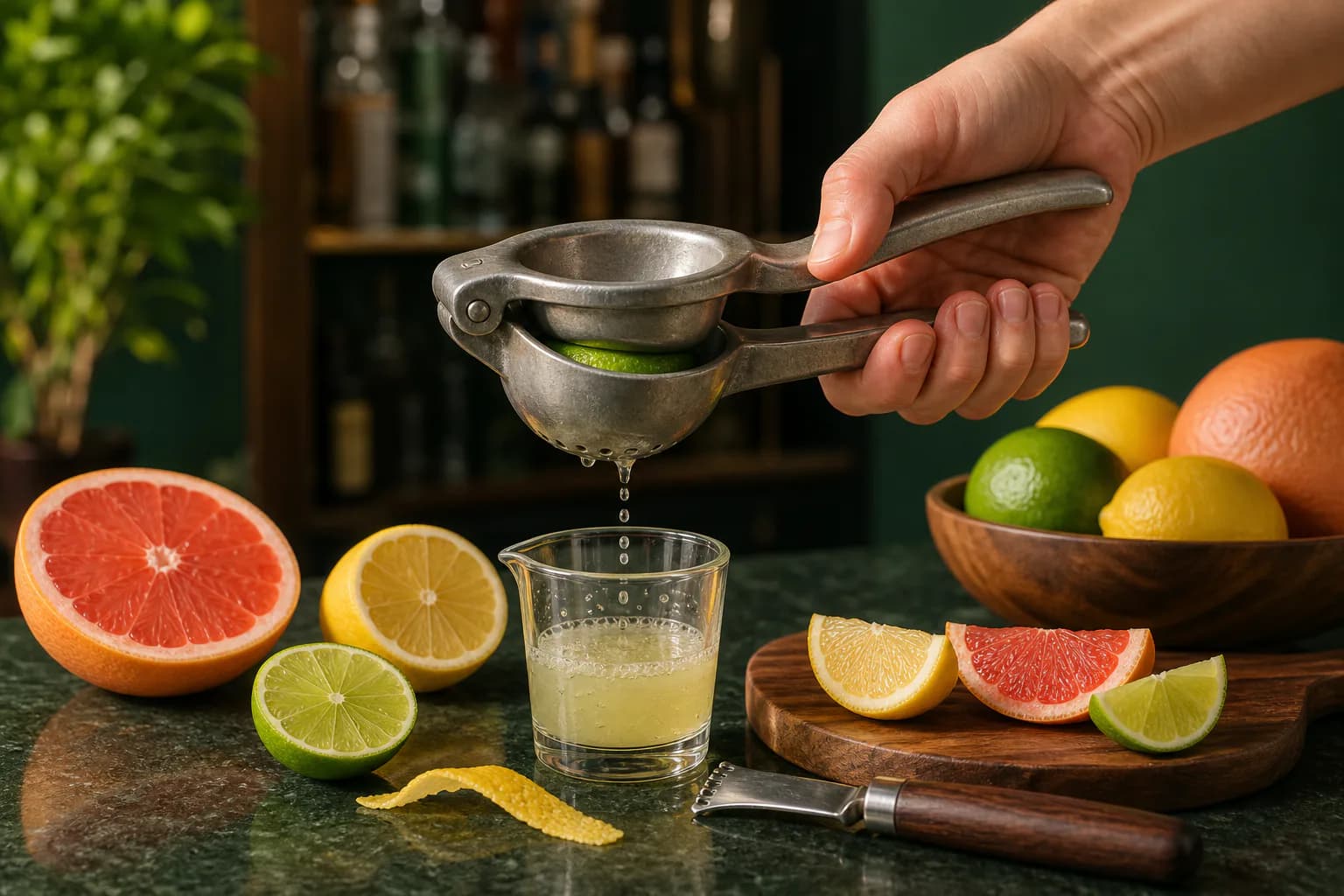
Fresh citrus for cocktails: juice, wedges and balance
Get brighter lime, lemon and grapefruit flavor with better prep and storage.
Read the guideWhere to go next
If you like the Blue Train, try these.
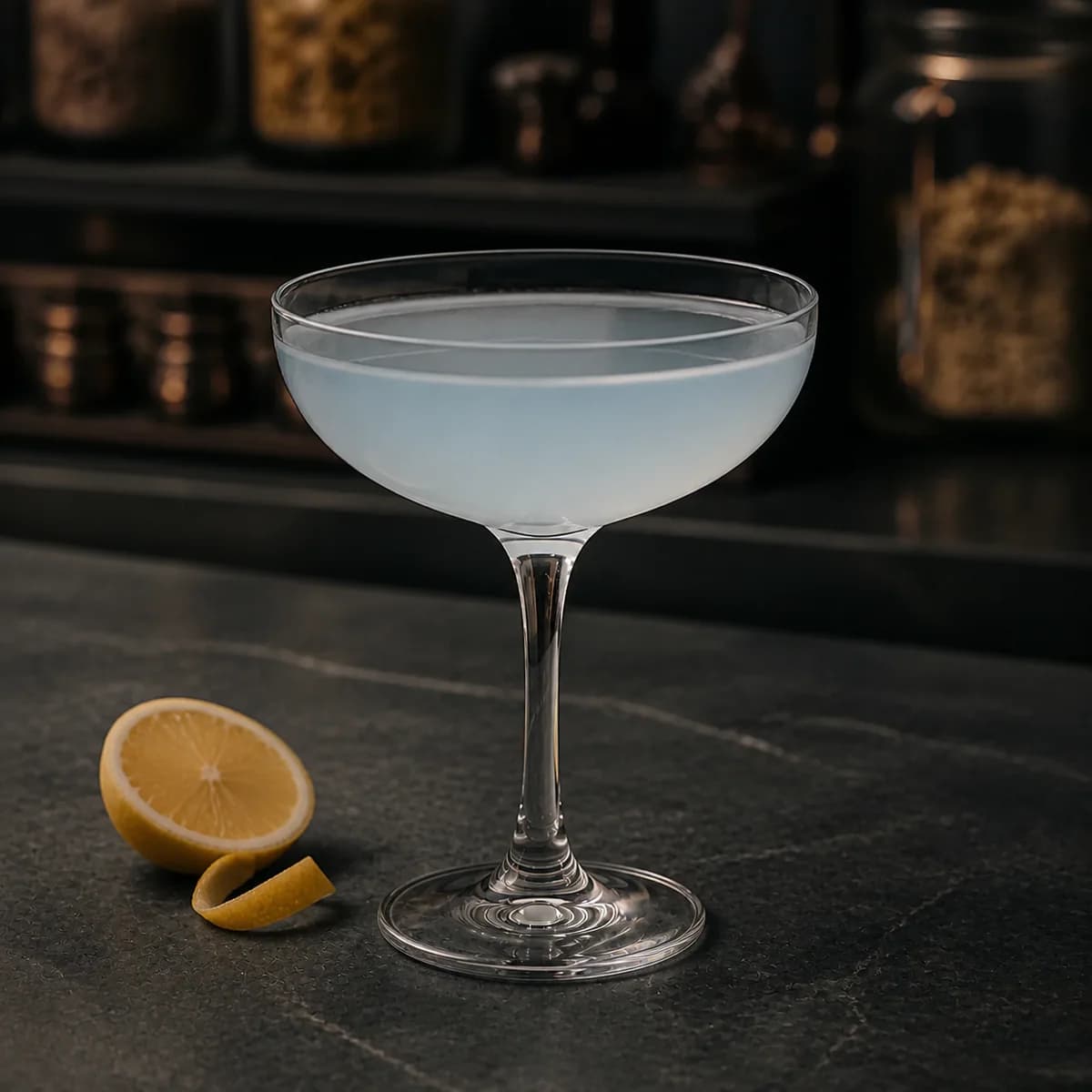
Blue Moon
A floral pre-Prohibition gin sour coloured with crème de violette — pale lavender, delicate and perfumed.
View recipe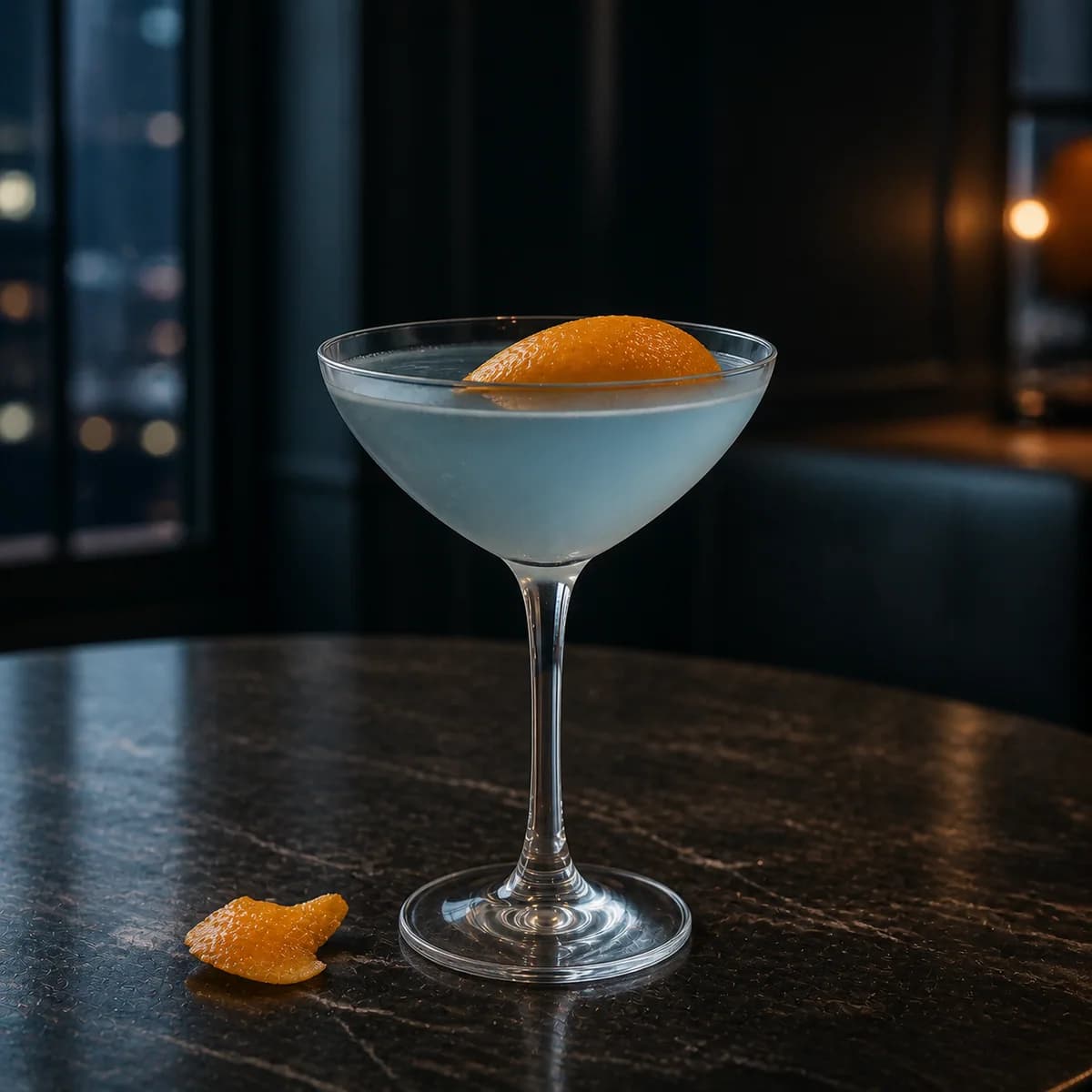
Blue Monday
Four milliliters of blue curaçao is a coloring decision, not a flavor one. Underneath the shade it is vodka with a little orange liqueur, short and considerably drier than anything that blue has a right to be.
View recipe
Blue Hawaii
Rum, blue curaçao and pineapple — the tiki drink the color of a Hawaiian sea. Sweet, tropical and very blue.
View recipe