Classic cocktail · Guided recipe
Champs-Élysées
Start makingA cognac sour lifted with herbal green Chartreuse — like a Sidecar that went to finishing school. Complex and elegant.
In the glassCognac · Green Chartreuse · Fresh lemon juice · Simple syrup · Angostura bitters
See exact amounts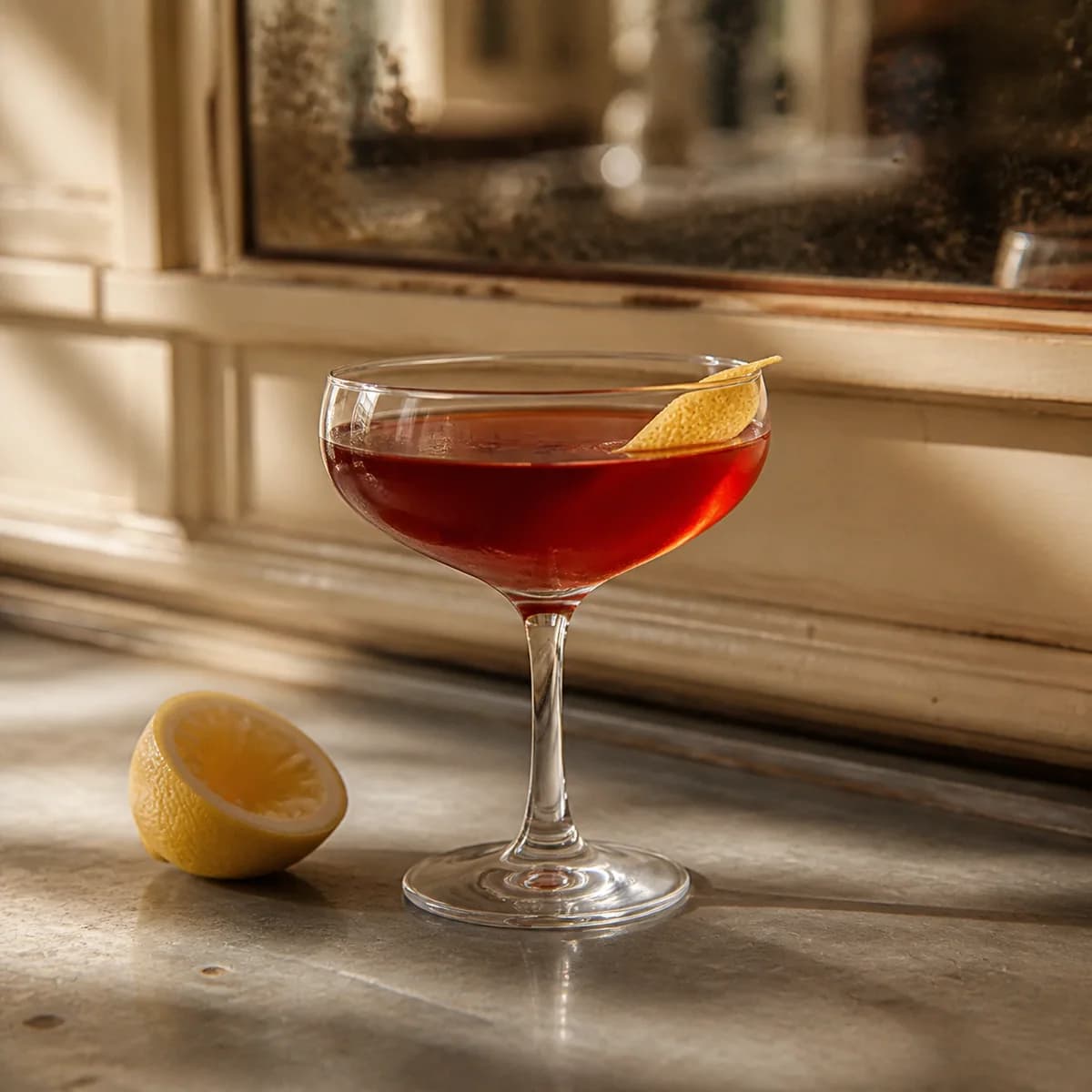
What goes in
Ingredients
Set up before you pour
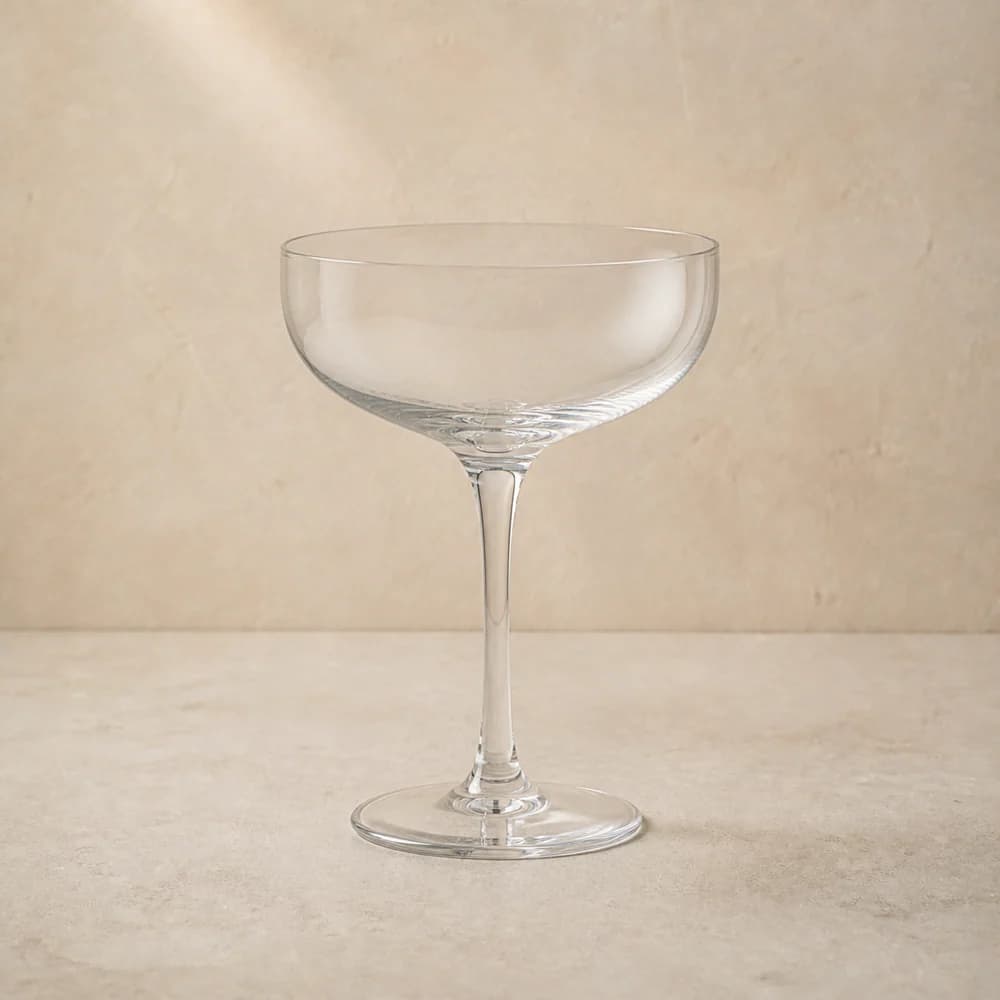
Use a coupe glass.
The stem keeps your hand away from a cold drink, while the rounded bowl makes an up serve easy to sip.
- Standard size
- 200 ml6¾ oz
- Ice & serve
- Chill it first; serve without ice.
- If you don’t own one
- Use a small martini glass or stemmed dessert glass.
- cocktail shaker
- strainer (or a small sieve)
- jigger or measuring spoon
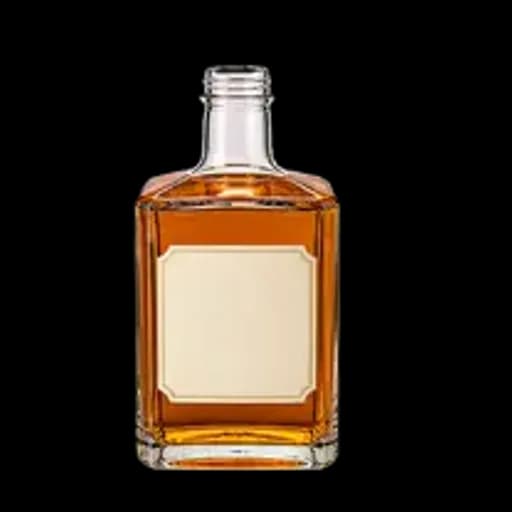
- Cognac45 ml
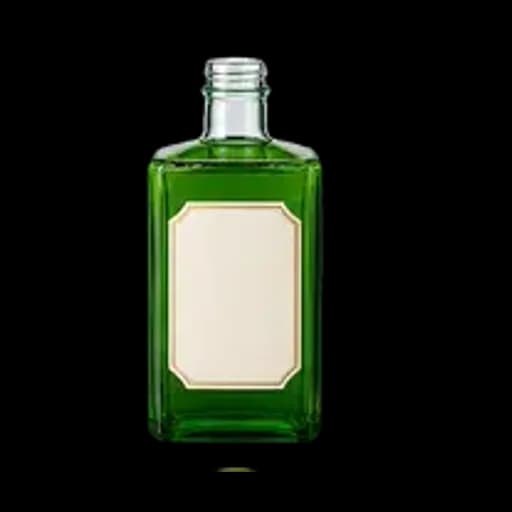
- Green Chartreuse15 ml
- Fresh lemon juice15 ml
- Simple syrup8 ml
- Angostura bitters1 dash
From bottle to glass
Method
- 01
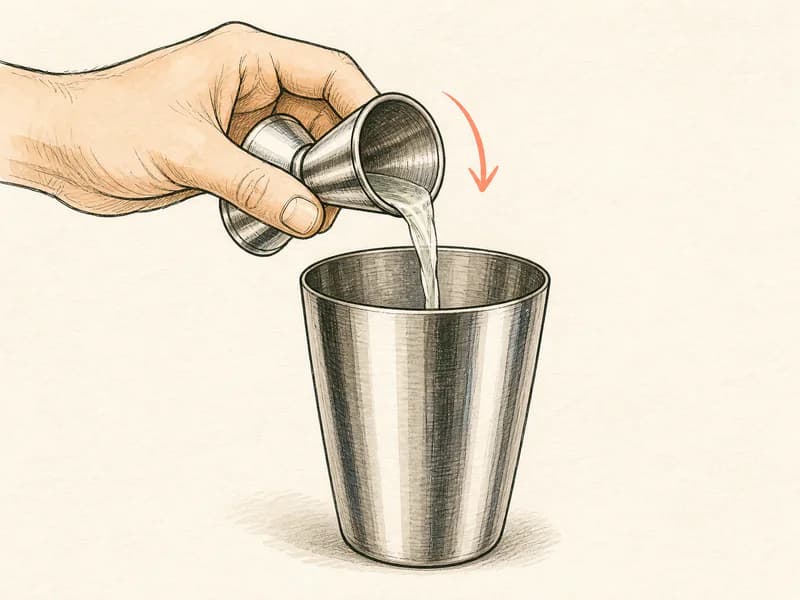
Measure into the shaker Pour 45 ml cognac into your shaker
 Cognac
- 02
Measure into the shaker Add 15 ml green chartreuse
 Green Chartreuse
- 03
Measure into the shaker Add 15 ml fresh lemon juice
 Fresh lemon juice
- 04
Measure into the shaker Add 8 ml simple syrup
 Simple syrup
- 05
Measure into the shaker Add 1 dash Angostura
 Angostura bitters
- 06
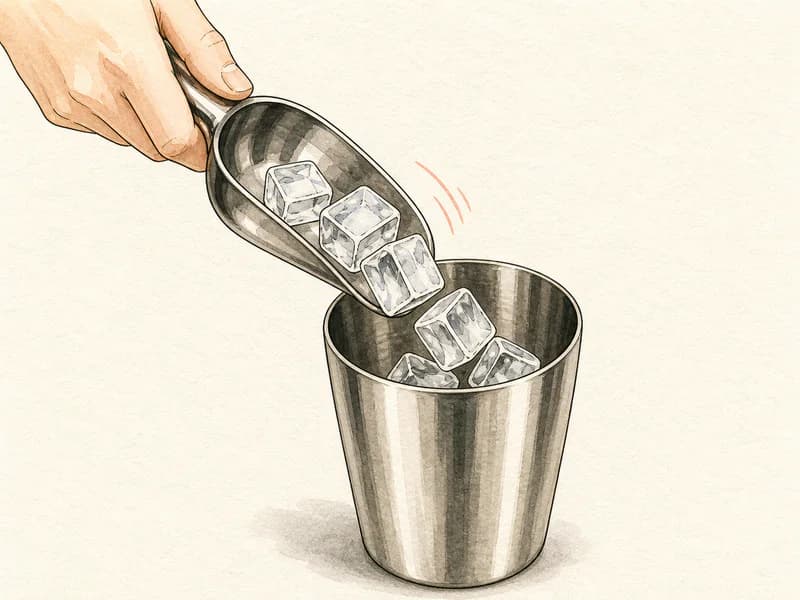
Ice the shaker Fill the shaker with ice
- 07
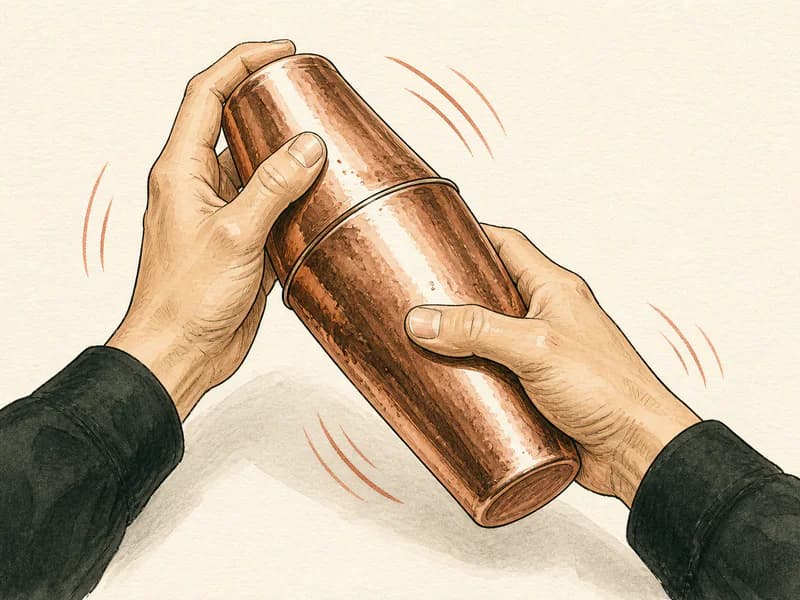
Seal and shake Seal and shake hard
- 08
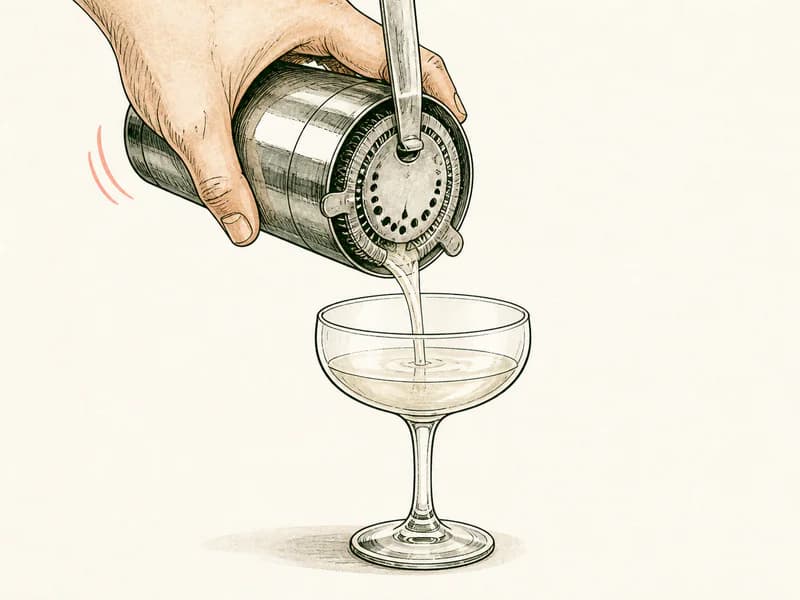
Strain cleanly Strain into a chilled glass — no ice
- 09
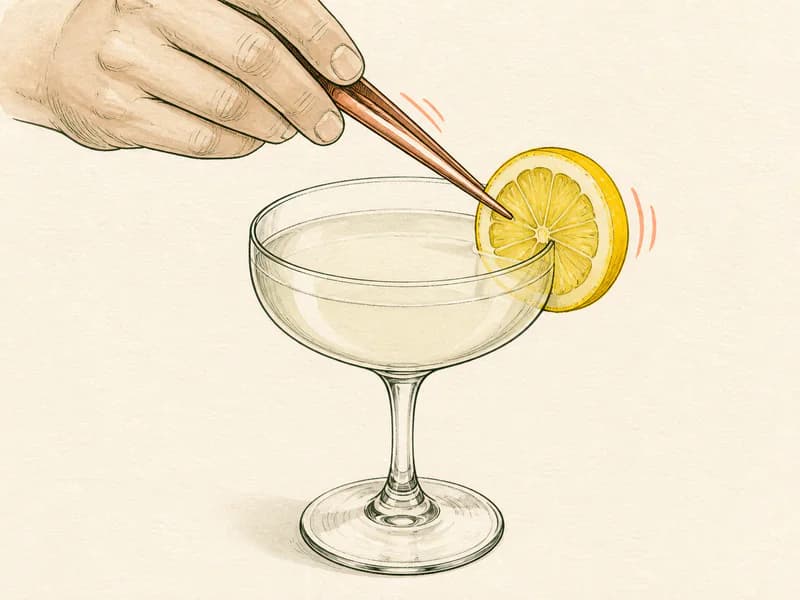
Finish the drink Finish it — add a lemon slice
Know your drink
About the Champs-Élysées
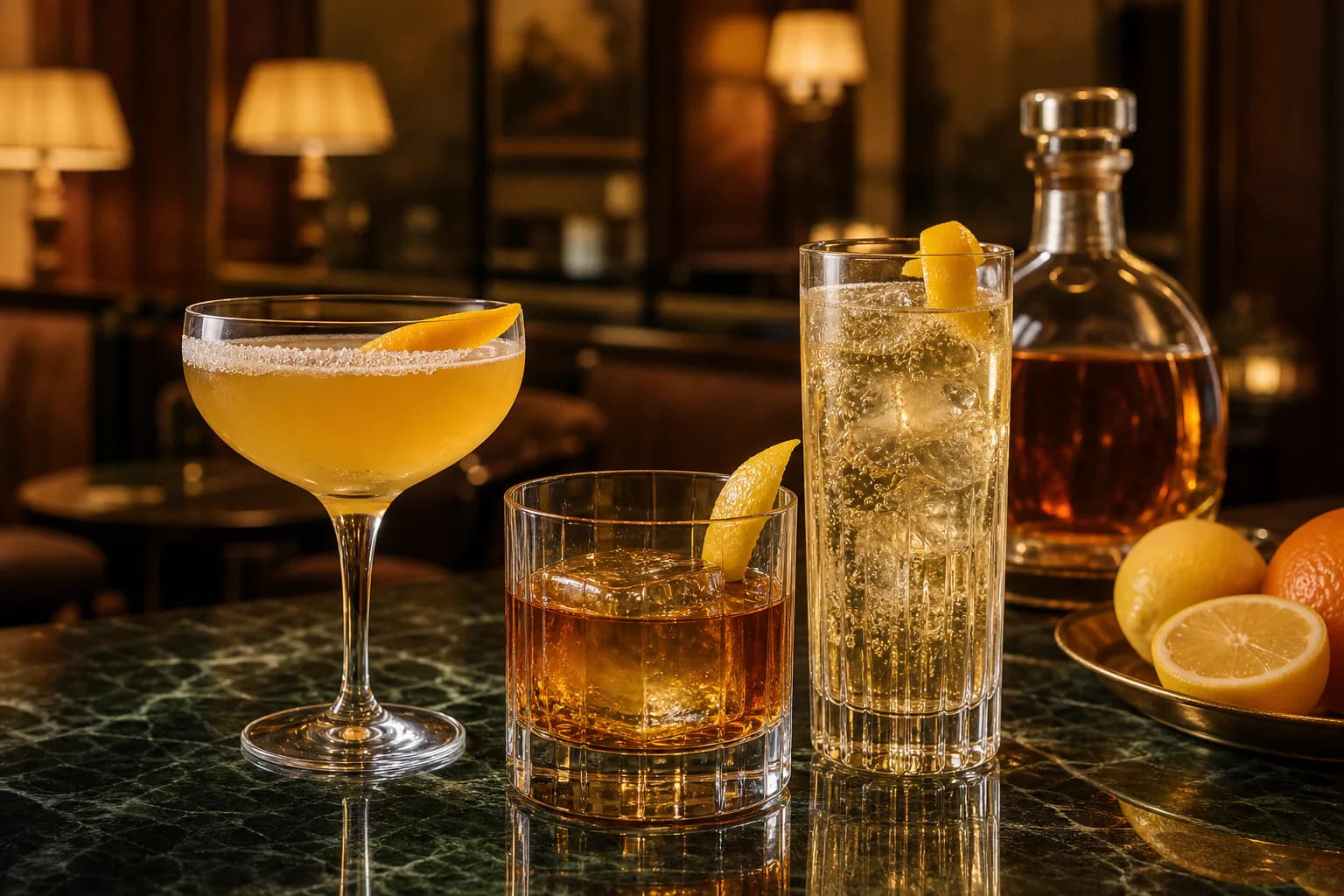
A dash of Angostura
Printed in the 1930 Savoy Cocktail Book, the Champs-Élysées has never had a convincing inventor attached to it. Its name points at Paris, its liqueur points at the Alps, and nobody has produced a bar or a date to settle the argument. What has survived intact is the proportion: three parts cognac to one of Chartreuse, one of lemon, and just enough sugar to bind them.
Green Chartreuse is 55% alcohol, which is easy to forget when it makes up only a quarter of what you are pouring. A generous hand turns the glass into a medicine cabinet with some brandy hiding behind it. Measure this one properly rather than free-pouring, and taste before it goes anywhere near the coupe.
Common questions
Champs-Élysées FAQ
Chartreuse is impossible to find where I live. What comes closest?
Génépy is the nearest thing on most shelves: alpine and herbal, a little lighter through the middle. It slots into the same 15 ml slot against 45 of cognac, though because it is gentler you may want 20 ml and a couple of milliliters less syrup.
I have the yellow bottle. Will the cognac still come through?
Better than it does with green, in fact. Yellow is 40% rather than 55% and honeyed instead of piney, so it sits beside the brandy instead of climbing over it. The drink turns rounder and distinctly sweeter, so leave the sugar syrup out.
Does the brandy have to be cognac?
It wants grape brandy with some age on it. A VSOP has the dried fruit and vanilla to stand up to that much Chartreuse, while a young VS gets steamrolled. Armagnac works and comes out earthier. Spanish brandy is usually too sweet given the syrup already here.
Old recipes list a dash of Angostura. Is it worth adding?
Yes, and it earns its place. One dash knits the herbs to the lemon and takes a little sugar off the finish. Stop at one, though. Green Chartreuse carries enough spice already, and two dashes push the drink toward tasting medicinal.
What ingredients are in a Champs-Élysées?
A classic Champs-Élysées calls for 45 ml (1.5 oz) Cognac, 15 ml (0.5 oz) Green Chartreuse, 15 ml (0.5 oz) Fresh lemon juice, 8 ml (0.25 oz) Simple syrup, 1 dash Angostura Angostura bitters. That single-serve spec scales cleanly — the recipe above converts it to oz and multiplies it for 2–4 drinks.
How strong is a Champs-Élysées?
A standard Champs-Élysées is roughly 32% ABV once mixed (before ice melt softens it further). That makes it spirit-forward — closer to a Martini than to a beer, so sip it slowly.
Is a Champs-Élysées shaken or stirred?
A Champs-Élysées is shaken — the rule of thumb is to shake anything with citrus juice. About 13 seconds with plenty of ice chills and dilutes it correctly.
Sharpen the technique
Skills used in this recipe
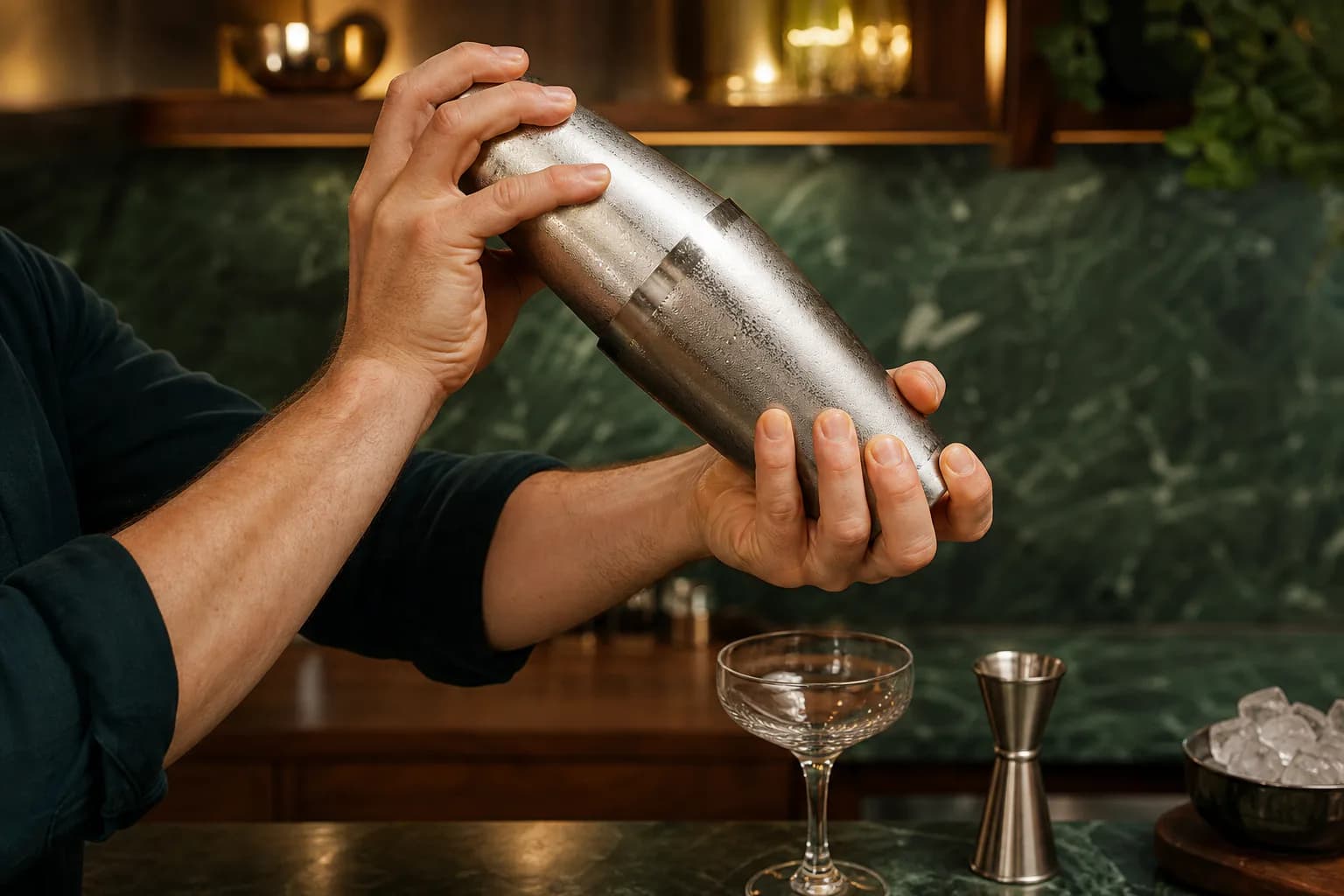
How to shake a cocktail properly
The grip, timing, ice and visual cues that make shaken drinks colder and brighter.
Read the guide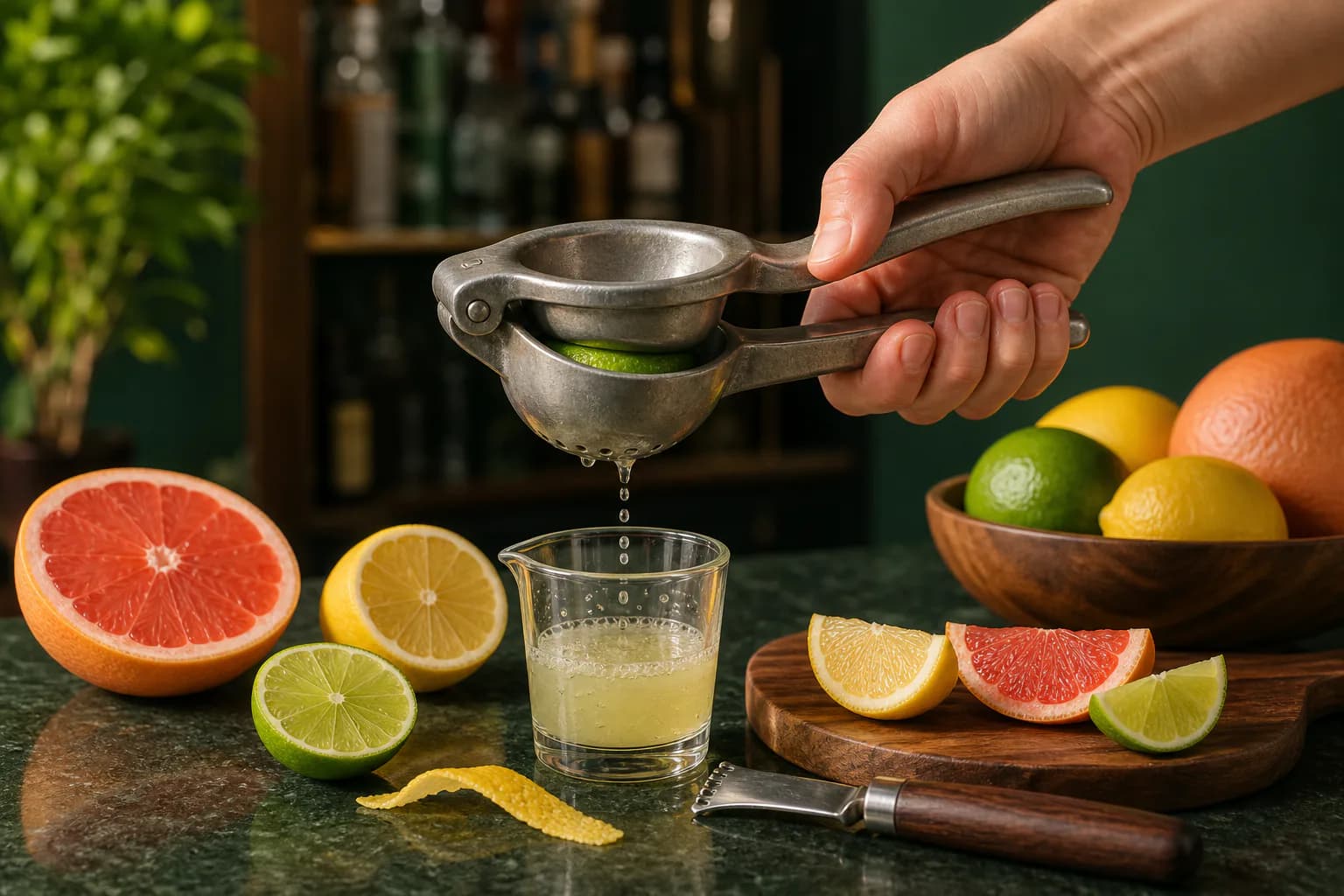
Fresh citrus for cocktails: juice, wedges and balance
Get brighter lime, lemon and grapefruit flavor with better prep and storage.
Read the guide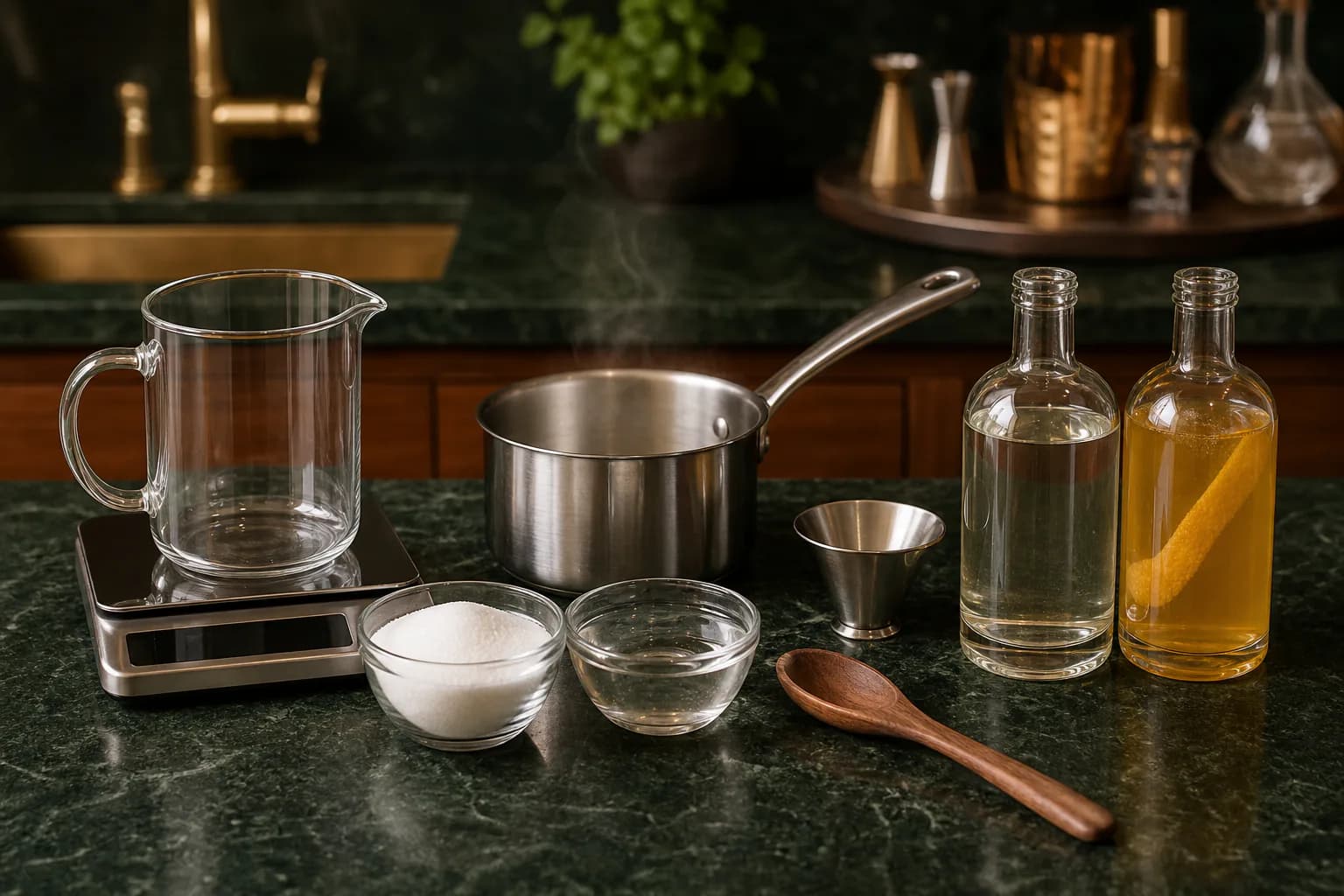
Simple syrup ratios, storage and flavor variations
Make a consistent sweetener and understand when rich syrup changes a recipe.
Read the guideWhere to go next
If you like the Champs-Élysées, try these.
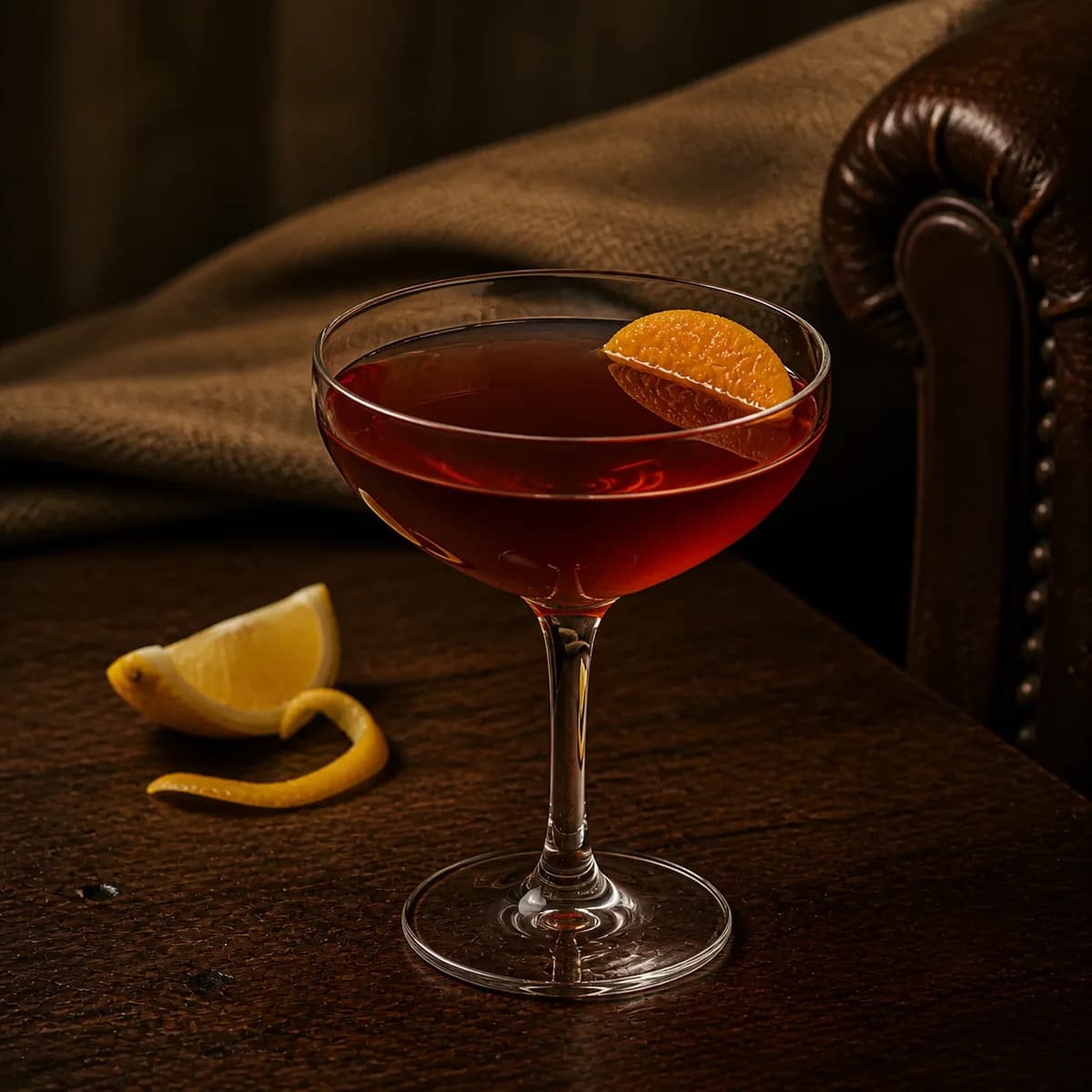
Brandy Crusta
The ancestor of the Sidecar: brandy with orange liqueur, maraschino and lemon in a sugar-rimmed glass. Refined and citrus-bright.
View recipe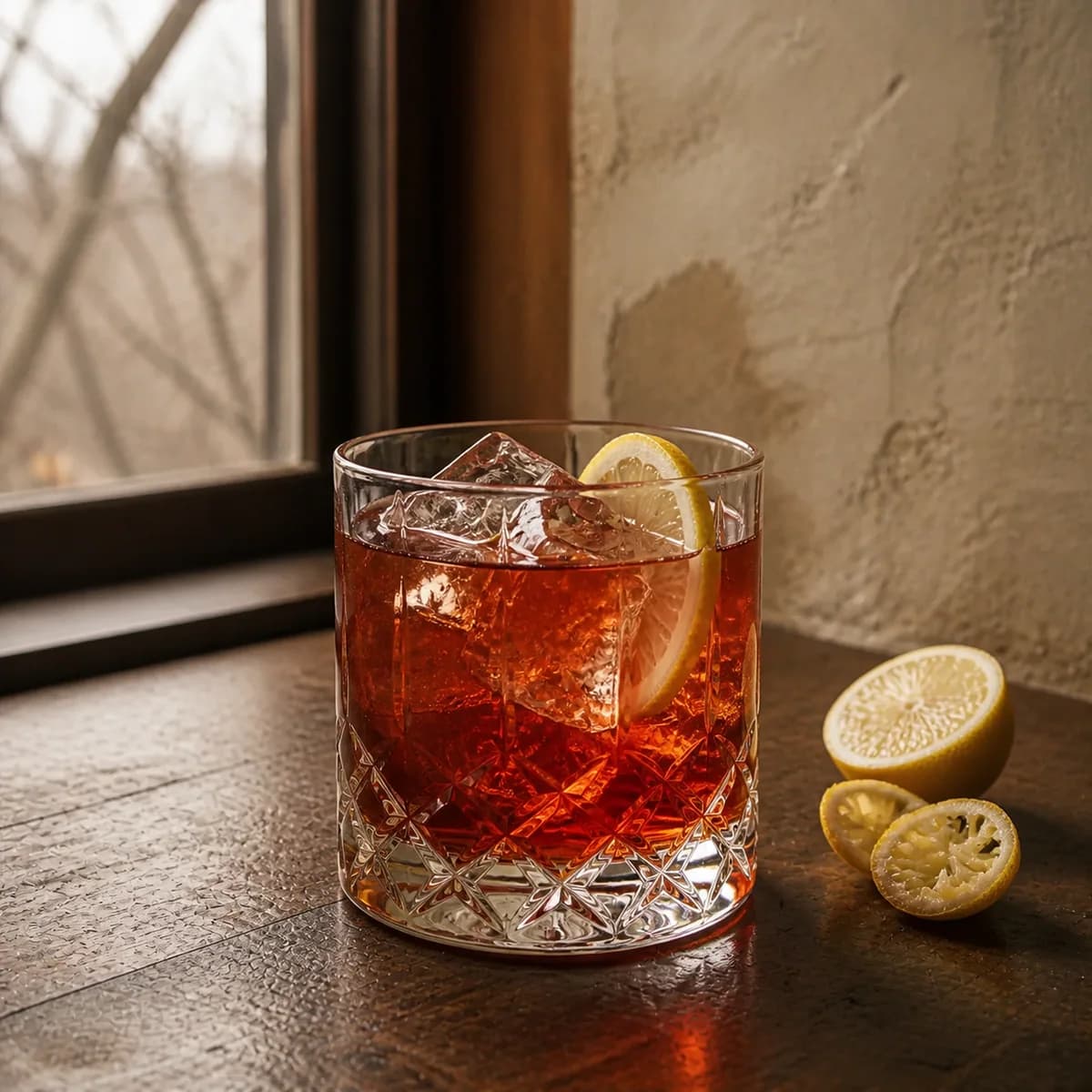
Fish House Punch
A colonial Philadelphia punch scaled to one glass: cognac and dark rum with peach, lemon and sugar. Historic and dangerously smooth.
View recipe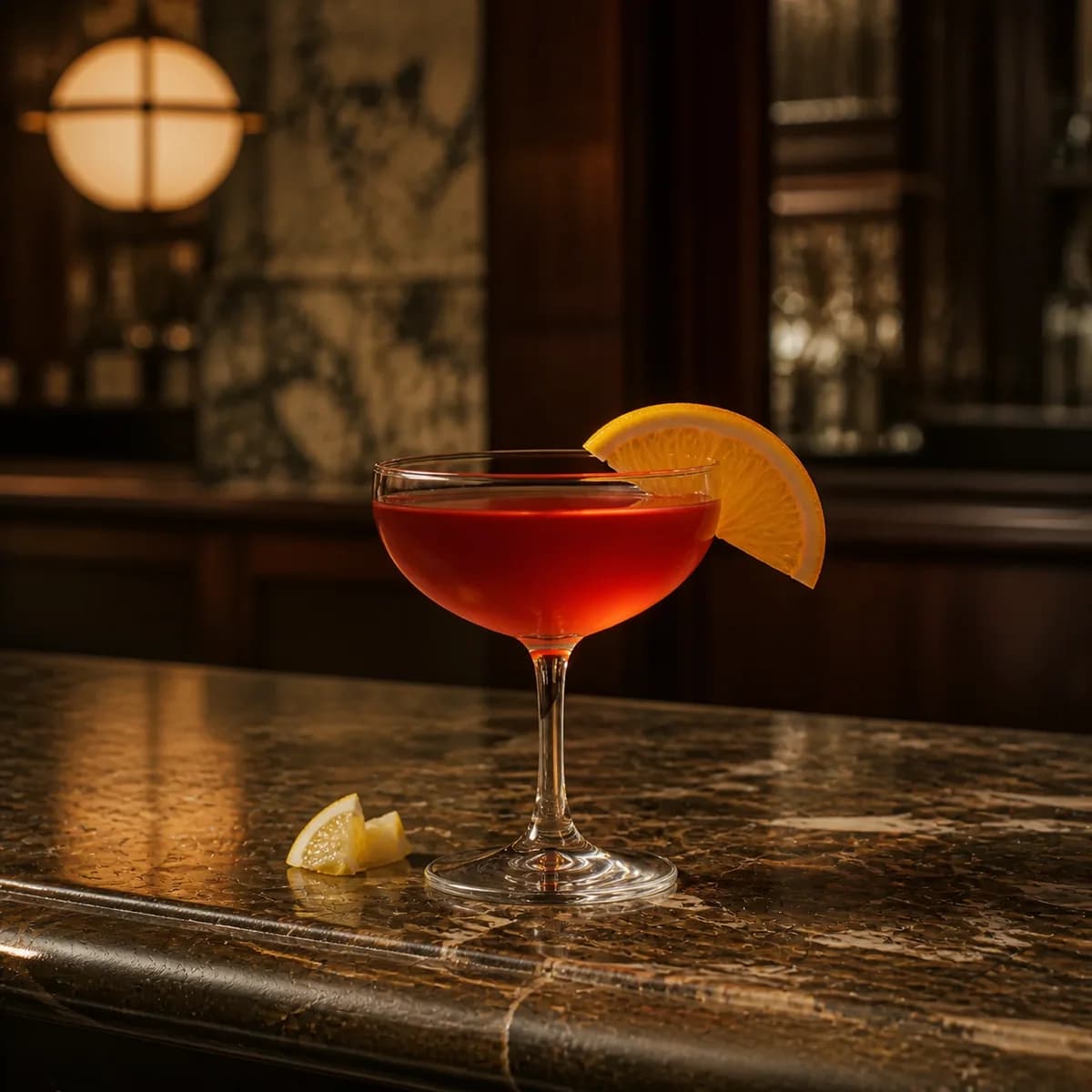
Sidecar
Cognac, orange liqueur and lemon in balance — the template for every brandy sour. Bright, warming and elegant.
View recipe