Classic cocktail · Guided recipe
Saratoga
Start makingA brandy-and-rye Manhattan with a double dose of vermouth — rich, spirituous and old-world elegant.
In the glassCognac · Rye whiskey · Sweet vermouth · Angostura bitters
See exact amounts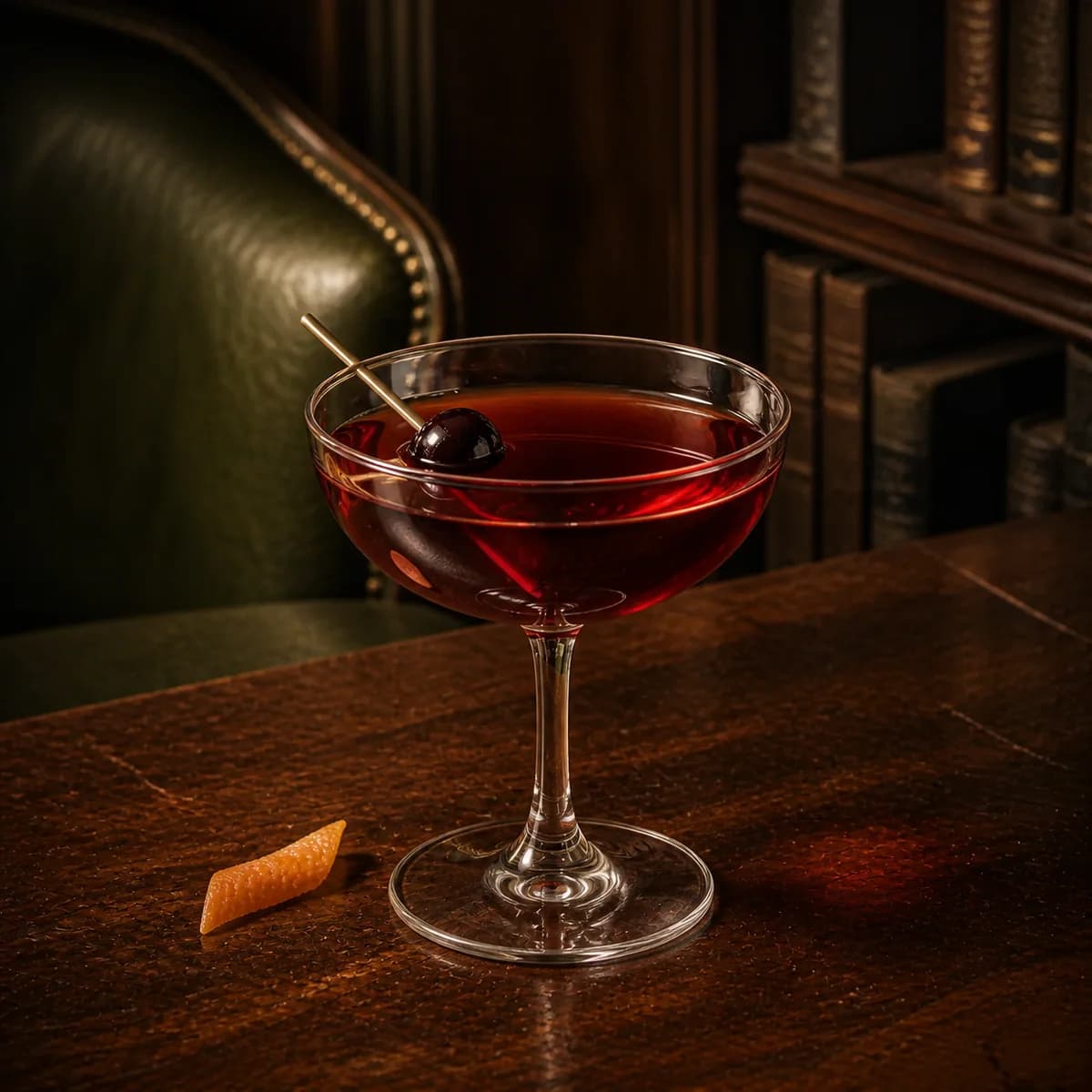
What goes in
Ingredients
Set up before you pour
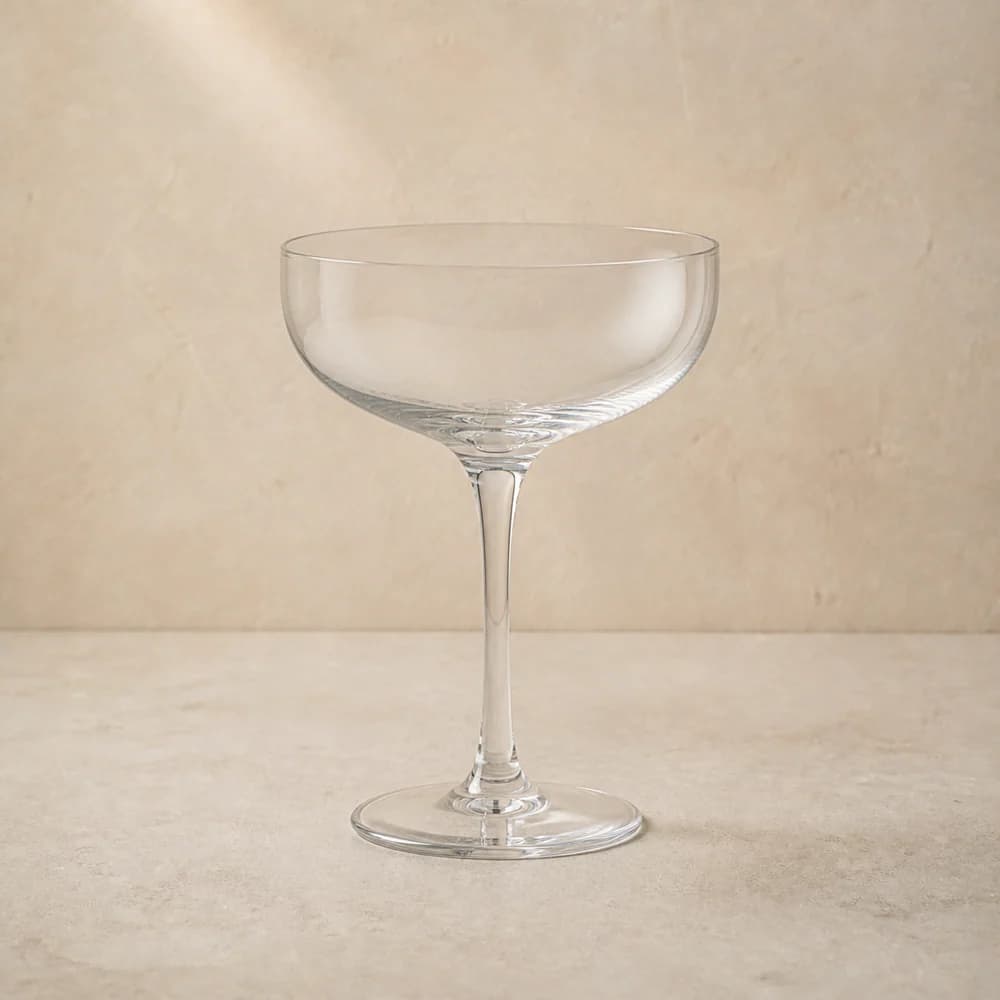
Use a coupe glass.
The stem keeps your hand away from a cold drink, while the rounded bowl makes an up serve easy to sip.
- Standard size
- 200 ml6¾ oz
- Ice & serve
- Chill it first; serve without ice.
- If you don’t own one
- Use a small martini glass or stemmed dessert glass.
- cocktail shaker
- strainer (or a small sieve)
- jigger or measuring spoon
- Cognac30 ml
- Rye whiskey30 ml
- Sweet vermouth30 ml
- Angostura bitters2 dashes
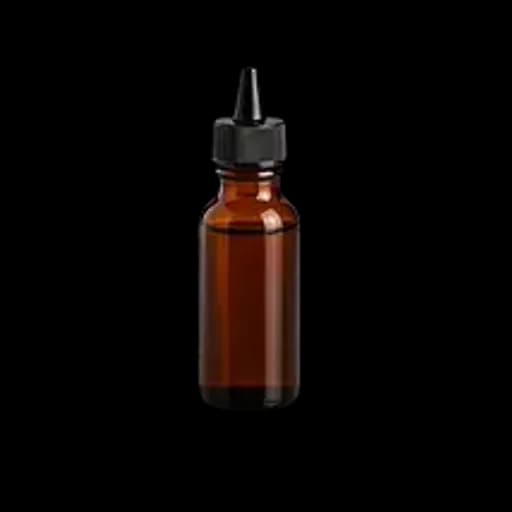
From bottle to glass
Method
- 01
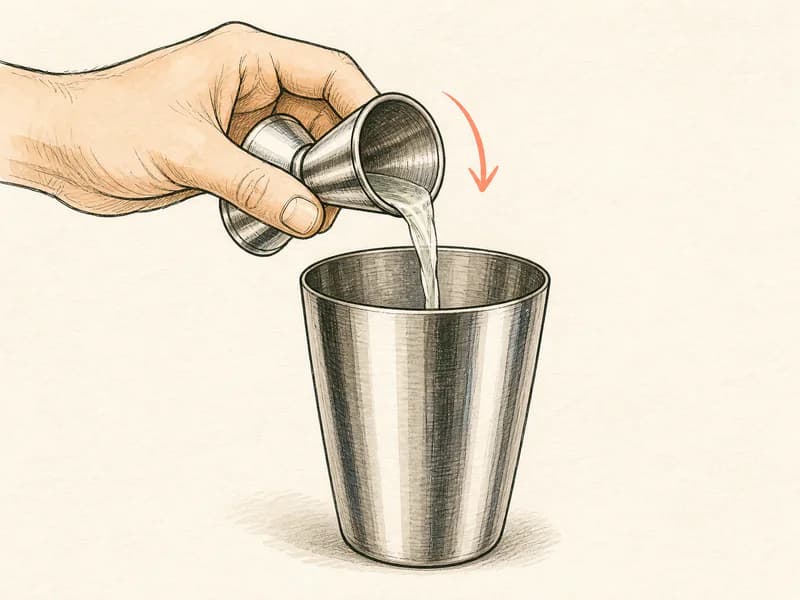
Measure into the shaker Pour 30 ml cognac into your shaker
 Cognac
- 02
Measure into the shaker Add 30 ml rye whiskey
- Rye whiskey
- 03
Measure into the shaker Add 30 ml sweet vermouth
 Sweet vermouth
- 04
Measure into the shaker Add 2 dashes Angostura
 Angostura bitters
- 05
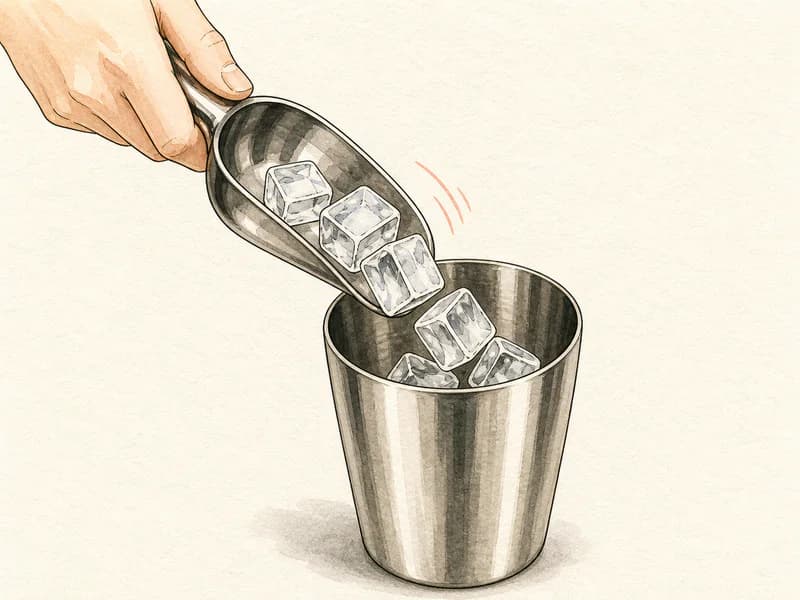
Ice the shaker Fill the shaker with ice
- 06
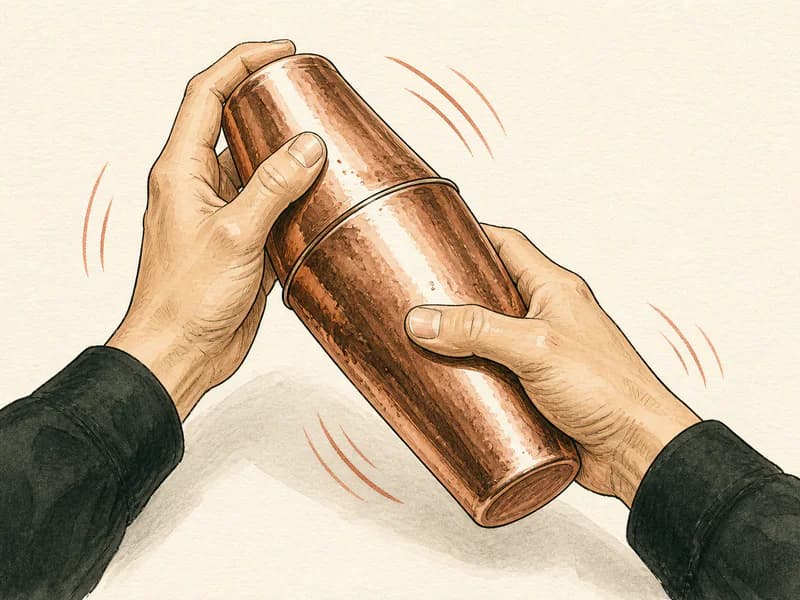
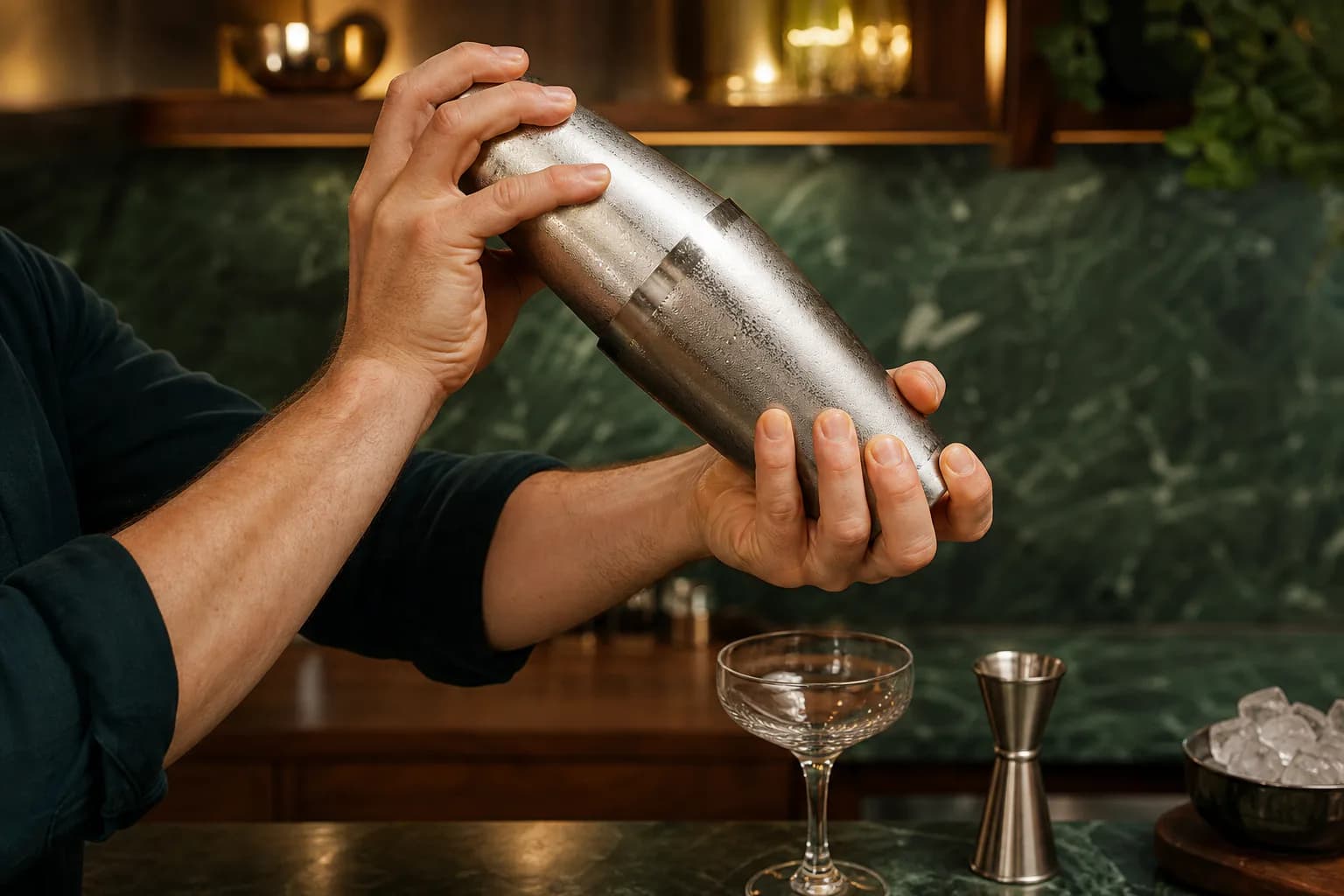
Seal and shake Seal and shake hard
- 07
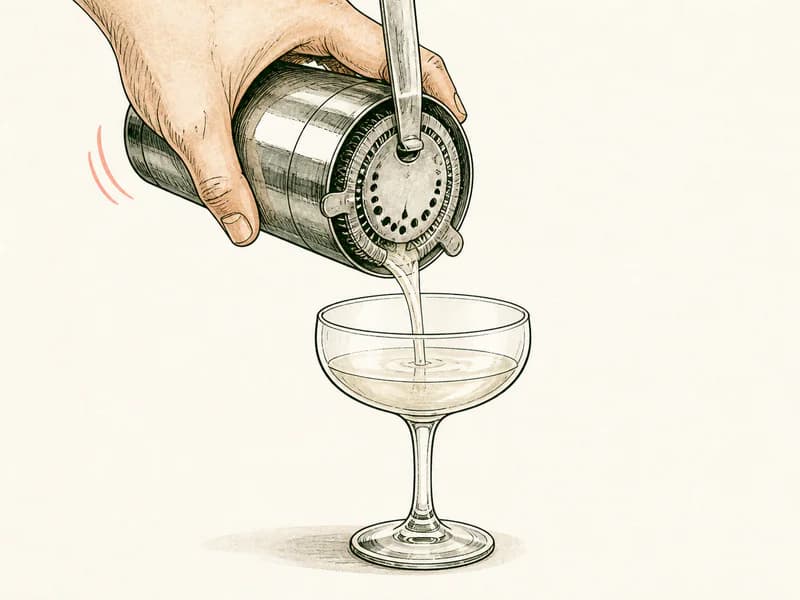
Strain cleanly Strain into a chilled glass — no ice
- 08
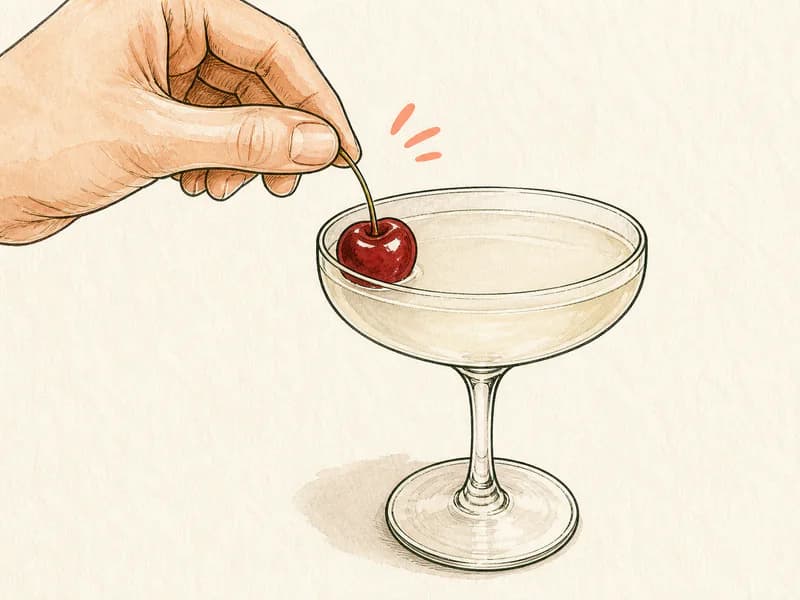
Finish the drink Finish it — add a cocktail cherry
Know your drink
About the Saratoga
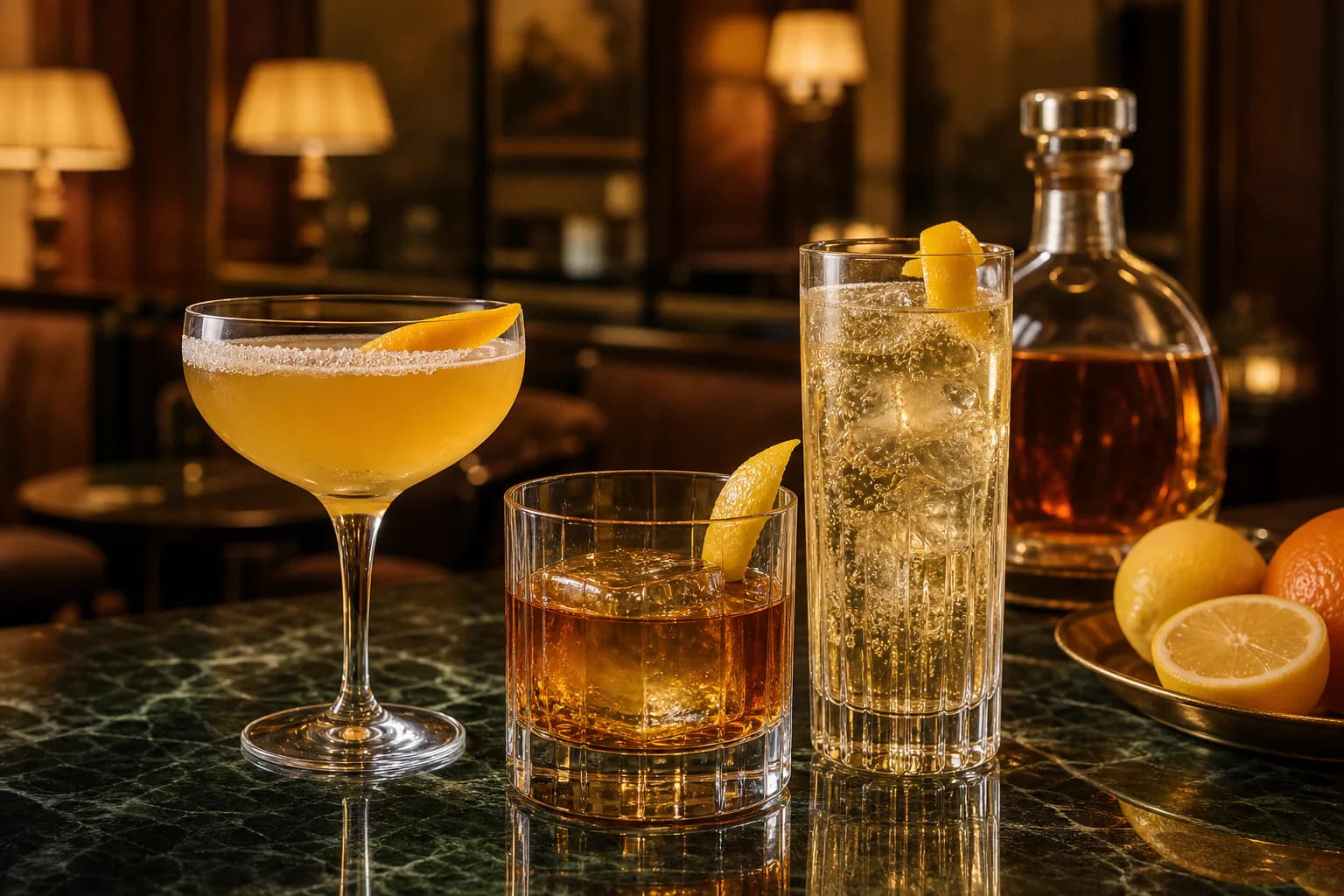
A Manhattan with two bases
Recipes are usually traced to Jerry Thomas's 1887 edition, where equal parts brandy, whiskey and vermouth sit together without anyone treating that as strange. Nineteenth-century bartenders split bases freely; the modern expectation that a cocktail has one clear spirit came later. Saratoga Springs was a racing and spa town in upstate New York, wealthy and thirsty, and more than one drink carried its name.
Cognac choice matters less than you would guess at 30 ml, but a thin VS will vanish under the vermouth. A decent VSOP has the weight to hold its third. If the only brandy in the house is Armagnac, use it without apology, since the extra rusticity actually meets the rye halfway rather than fighting it.
Common questions
Saratoga FAQ
Is this a Manhattan with brandy in it?
Close, but the split base changes the shape. Cognac brings stone fruit and roundness where whiskey alone brings grain. At equal thirds the vermouth is far more prominent than in a 2:1 Manhattan, so it reads sweeter and more wine-like from the first sip.
Which sweet vermouth suits equal parts?
Something with body, since it is a full third of the glass and has nothing to hide behind. Carpano Antica gives vanilla and bark, Cocchi di Torino something lighter and more cocoa-toned. The pale supermarket bottles go thin and sugary against 30 ml of cognac.
Can the rye and the cognac be shifted off equal thirds?
They can, and most bars do. Forty milliliters of rye against 20 of cognac gives a Manhattan with brandy in the background. Reverse it and you get a brandy Manhattan with pepper at the edges. Equal thirds is the older build and the odd one, because neither spirit ever quite wins.
Does the bitters brand matter?
Angostura is what the recipe assumes, and its clove and cinnamon do structural work against the vermouth's sweetness. Peychaud's makes the drink lighter and anise-forward, flattering the cognac but flattening the rye. Two dashes of Angostura, or one of each if you want both readings.
What ingredients are in a Saratoga?
A classic Saratoga calls for 30 ml (1 oz) Cognac, 30 ml (1 oz) Rye whiskey, 30 ml (1 oz) Sweet vermouth, 2 dashes Angostura Angostura bitters. That single-serve spec scales cleanly — the recipe above converts it to oz and multiplies it for 2–4 drinks.
How strong is a Saratoga?
A standard Saratoga is roughly 34% ABV once mixed (before ice melt softens it further). That makes it spirit-forward — closer to a Martini than to a beer, so sip it slowly.
Is a Saratoga shaken or stirred?
A Saratoga is shaken. About 13 seconds with plenty of ice chills and dilutes it correctly.
Sharpen the technique
Skills used in this recipe
Where to go next
If you like the Saratoga, try these.
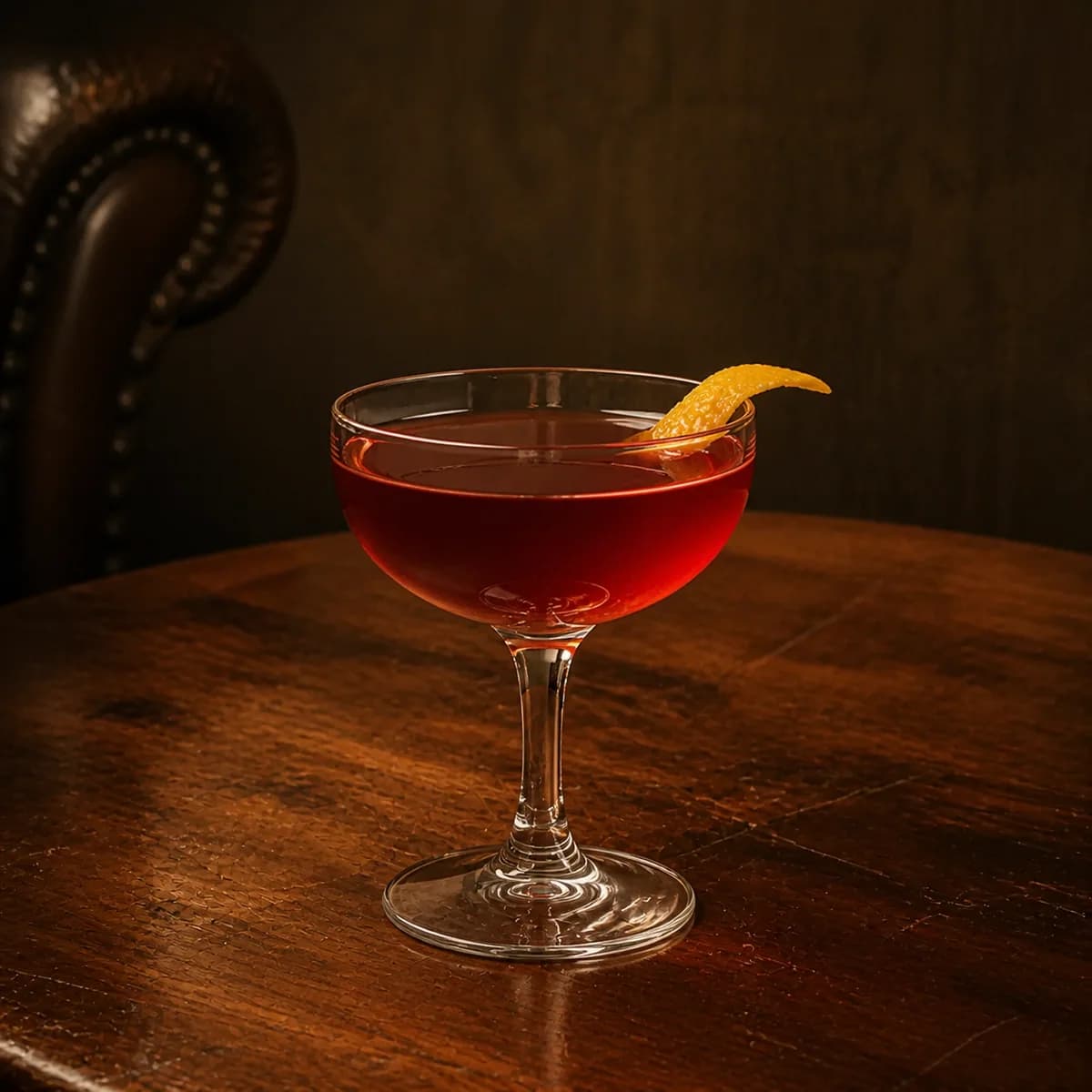
Corpse Reviver #1
The older, spirituous Corpse Reviver: cognac and apple brandy stiffened with sweet vermouth. Rich, warming and bracing.
View recipe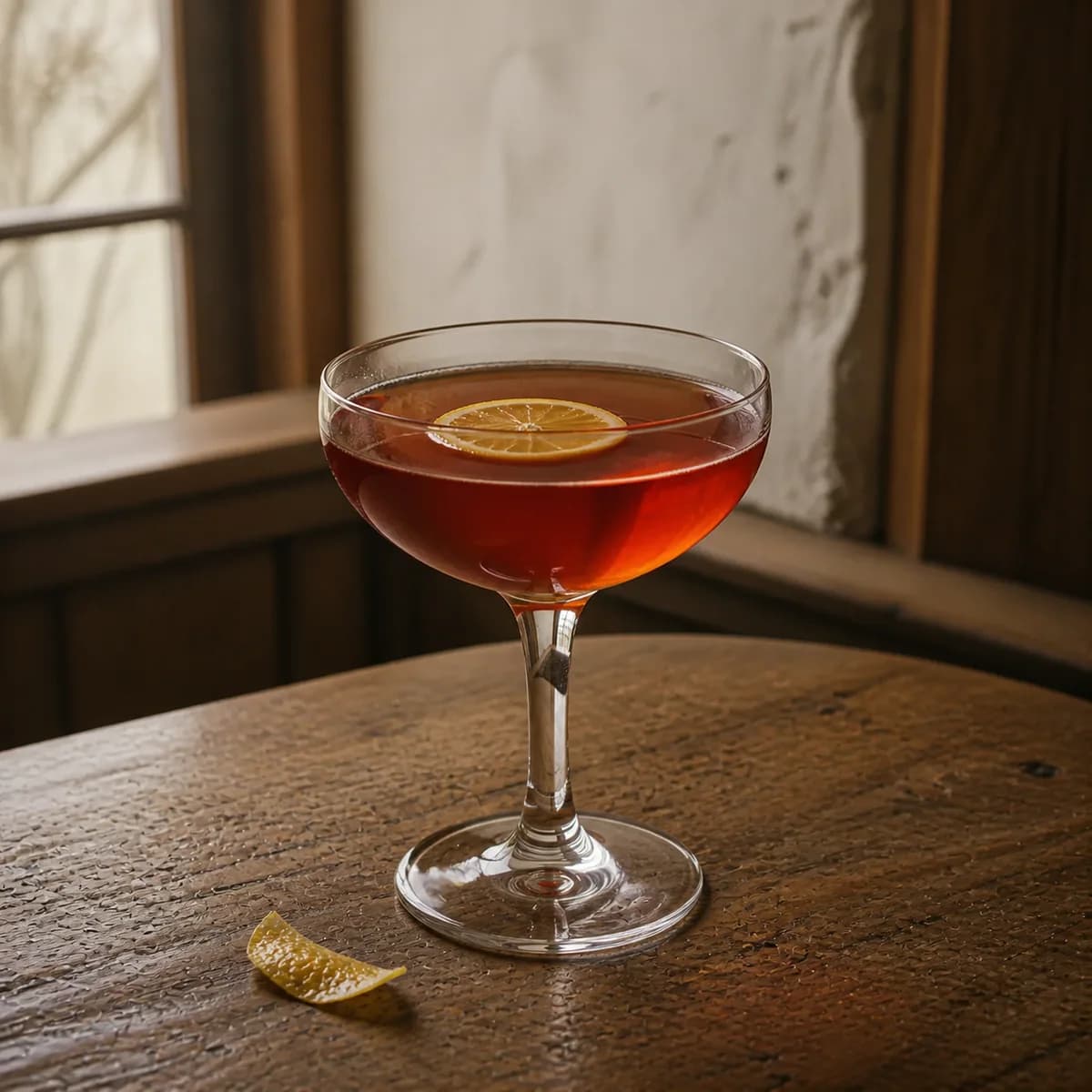
Japanese Cocktail
One of the oldest cocktails on record: brandy sweetened with almondy orgeat and bittered with a couple of dashes. Simple and elegant.
View recipe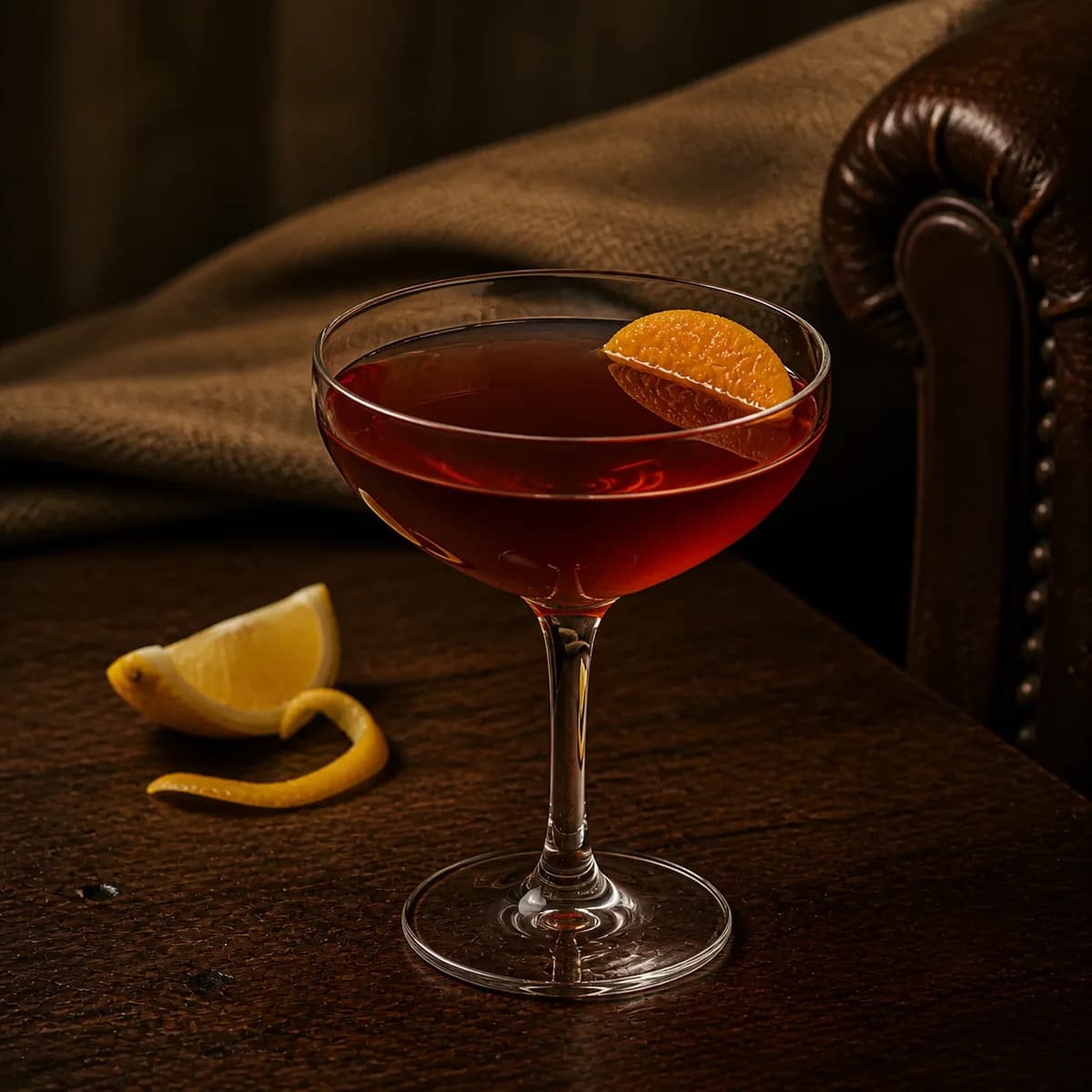
Brandy Crusta
The ancestor of the Sidecar: brandy with orange liqueur, maraschino and lemon in a sugar-rimmed glass. Refined and citrus-bright.
View recipe