Classic cocktail · Guided recipe
Gin and Sin
Start makingGrenadine decides this drink. Corn-syrup grenadine turns it into candy, while real pomegranate syrup keeps it tart and gives it that dusty pink color.
In the glassGin · Orange juice · Fresh lemon juice · Grenadine
See exact amounts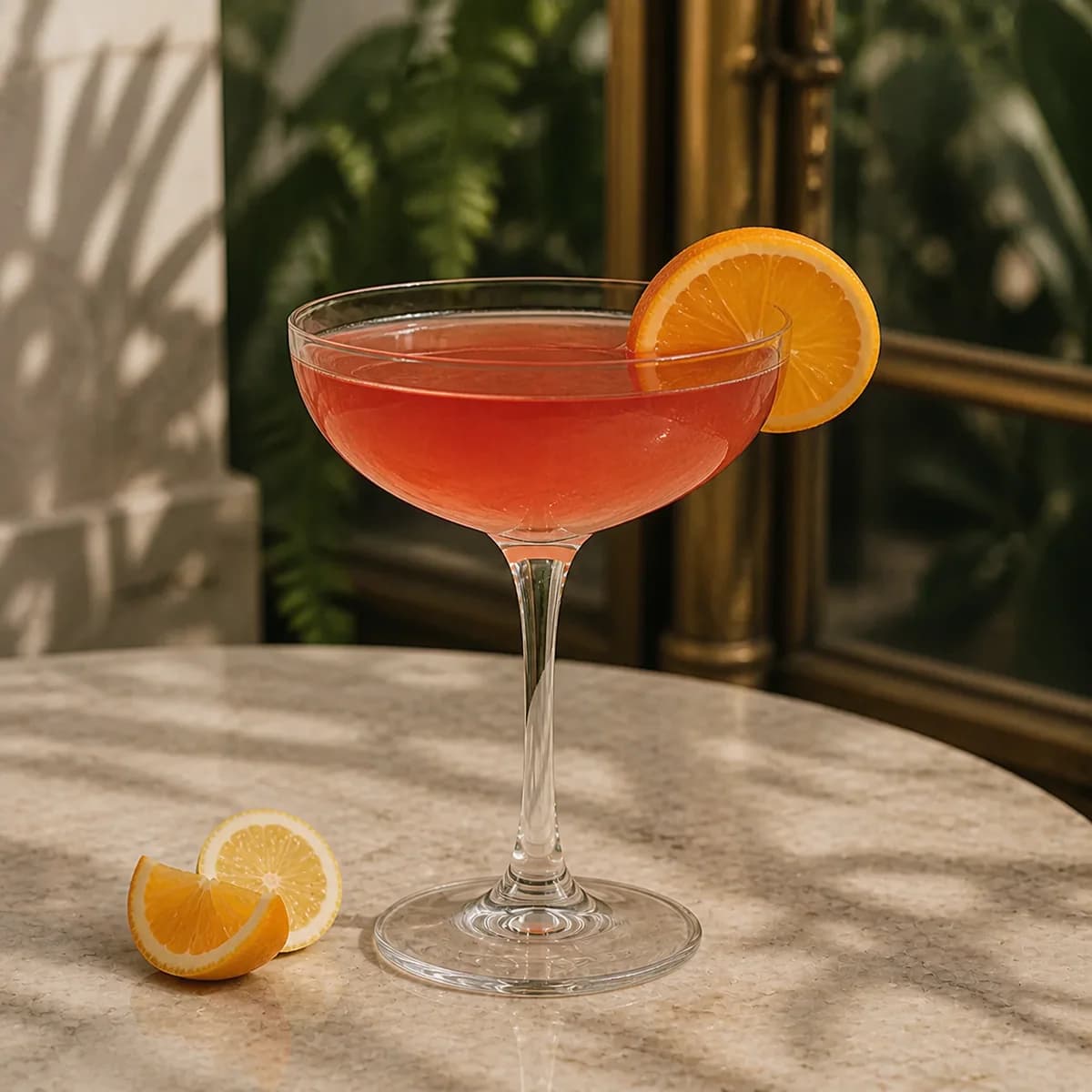
What goes in
Ingredients
Set up before you pour
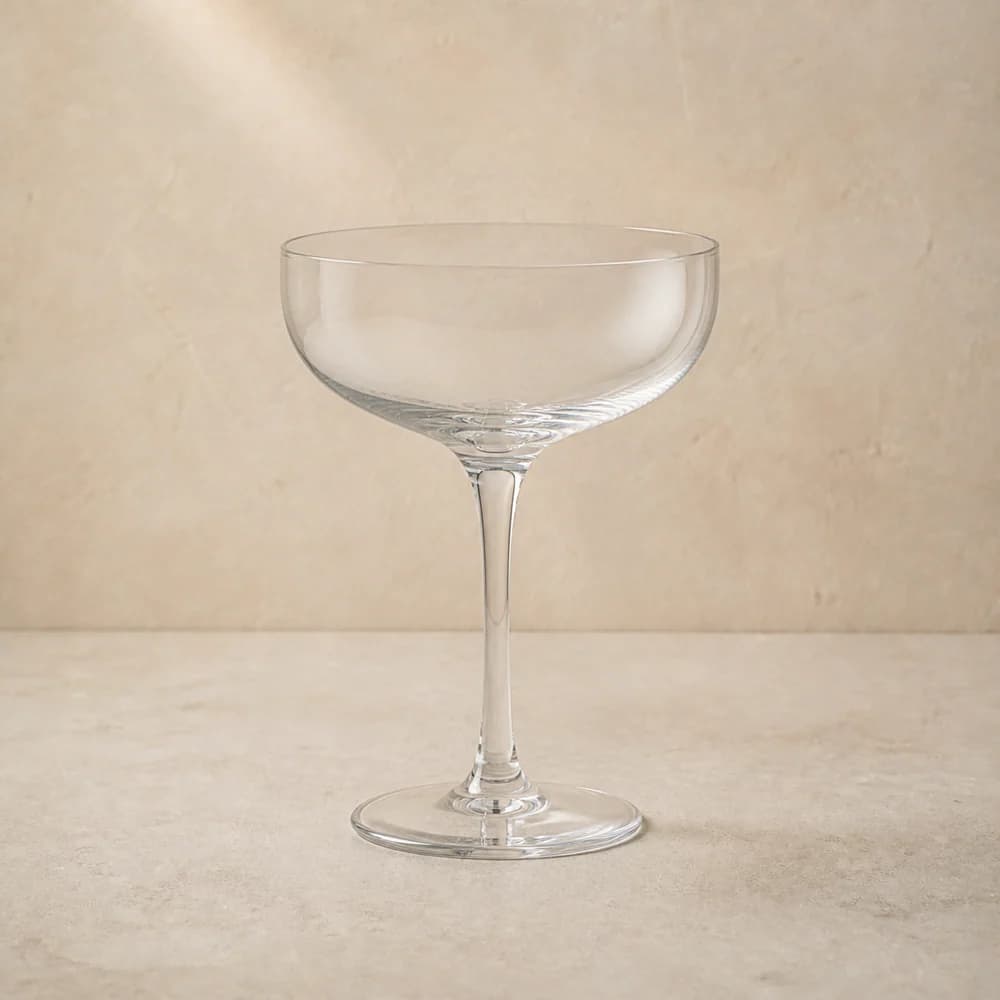
Use a coupe glass.
The stem keeps your hand away from a cold drink, while the rounded bowl makes an up serve easy to sip.
- Standard size
- 200 ml6¾ oz
- Ice & serve
- Chill it first; serve without ice.
- If you don’t own one
- Use a small martini glass or stemmed dessert glass.
- cocktail shaker
- strainer (or a small sieve)
- jigger or measuring spoon
- Gin45 ml
- Orange juice22 ml
- Fresh lemon juice15 ml
- Grenadine8 ml
From bottle to glass
Method
- 01
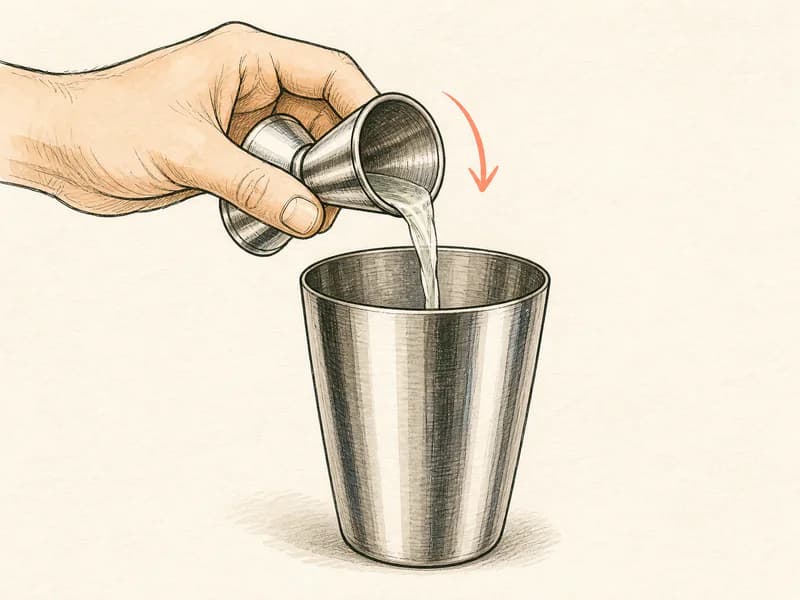
Measure into the shaker Pour 45 ml gin into your shaker
 Gin
Gin
- 02
Measure into the shaker Add 22 ml orange juice
 Orange juice
- 03
Measure into the shaker Add 15 ml fresh lemon juice
 Fresh lemon juice
- 04
Measure into the shaker Add 8 ml grenadine
 Grenadine
- 05
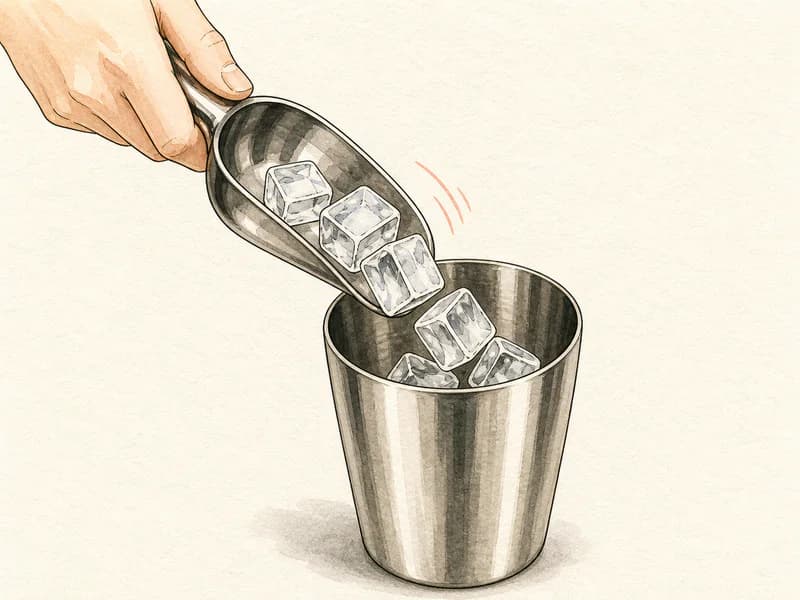
Ice the shaker Fill the shaker with ice
- 06
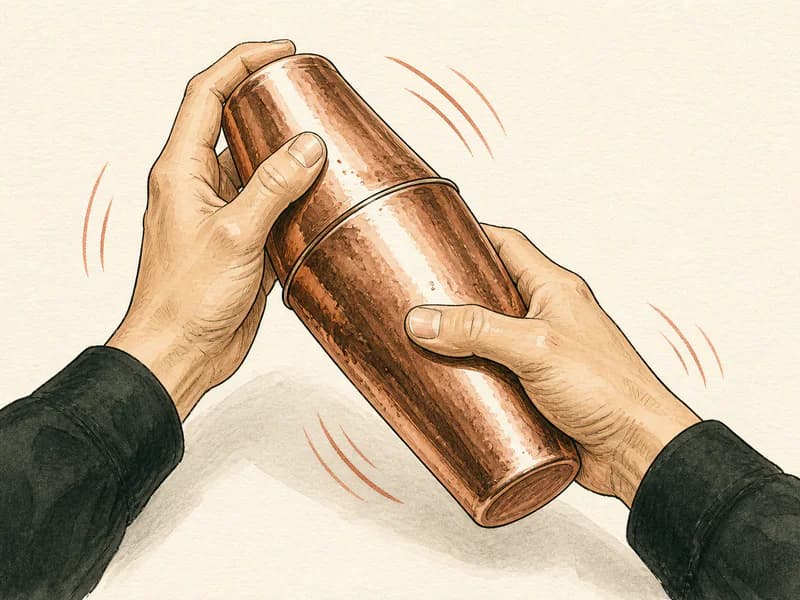
Seal and shake Seal and shake hard
- 07
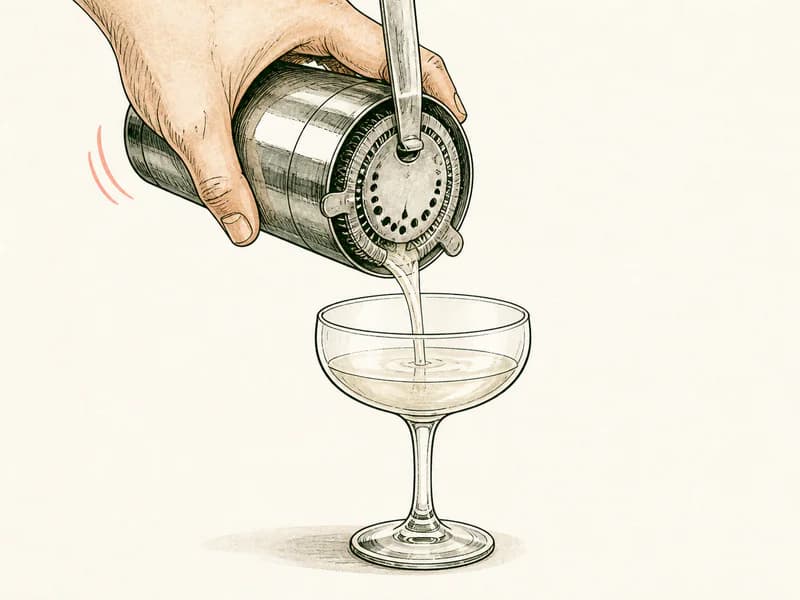
Strain cleanly Strain into a chilled glass — no ice
- 08
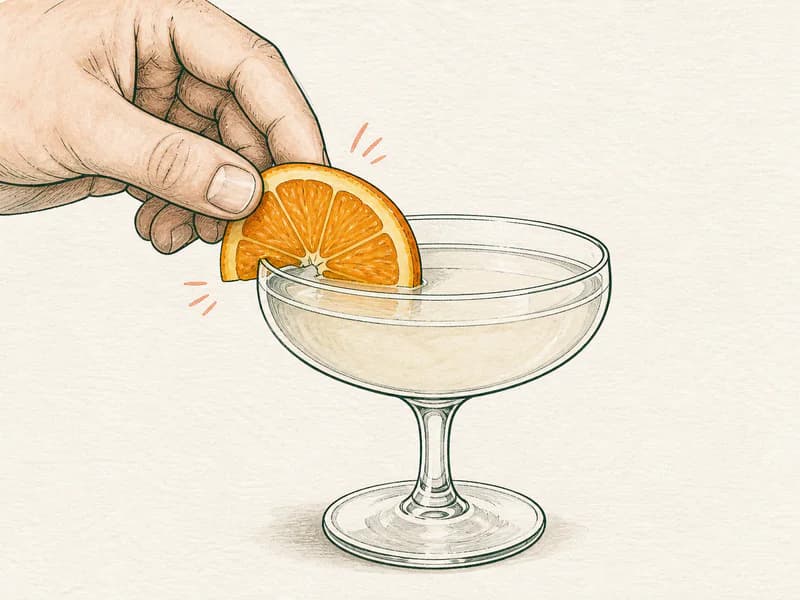
Finish the drink Finish it — add an orange slice
Know your drink
About the Gin and Sin
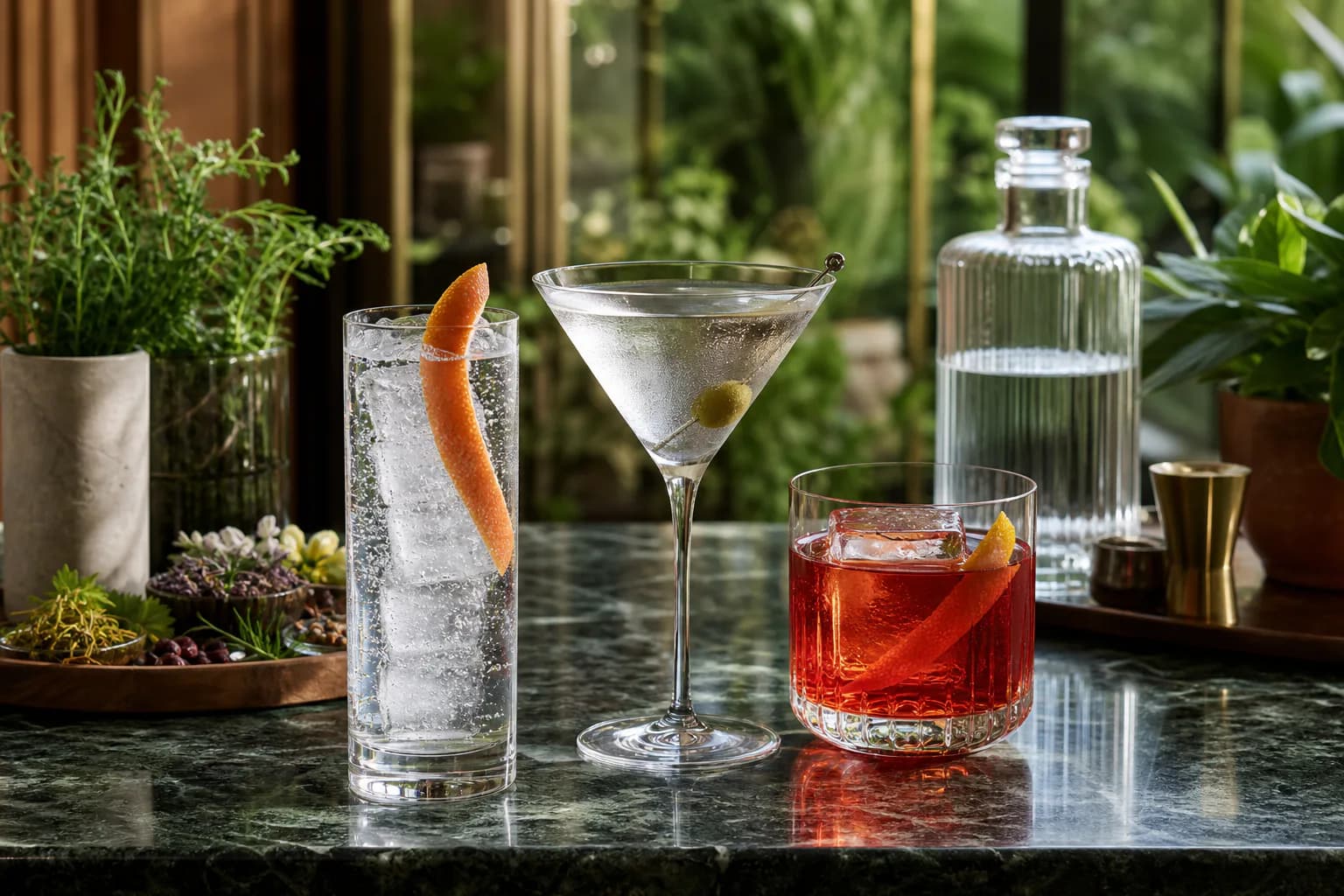
Pomegranate, not cherry
Real grenadine is pomegranate syrup, and a century ago it sat on every bar's speed rail for exactly the reason it works here: tart red fruit rather than candy. Somewhere after Prohibition the mass-market bottles quietly dropped the fruit in favor of corn syrup, red dye and a cherry-ish flavoring, which is why so many old drinks taste wrong now. Check the label before you blame the recipe.
Common questions
Gin and Sin FAQ
Can I make grenadine at home?
Easily, and it's the biggest single improvement available here. Stir equal weights of pure pomegranate juice and caster sugar until dissolved, no heat needed, then add a teaspoon of vodka as a preservative. It keeps a month in the fridge and tastes tart rather than sugary.
Why both orange and lemon juice?
Orange on its own is too soft and reads as breakfast. Lemon on its own strips the drink back to a plain gin sour. Running the two together gives sweetness and cut from different directions, with the lemon keeping the grenadine from settling into candy territory.
How does this differ from a Monkey Gland?
Same gin, orange juice and grenadine backbone, but the Monkey Gland adds absinthe and drops the lemon. One dash of anise changes everything. The Monkey Gland comes out savory and faintly medicinal, where this one stays fruit-forward and clean through the finish.
Mine came out orange, not pink. What happened?
Too much orange juice, or grenadine that is really just red syrup with no pomegranate in it. Measure the juice at 22 ml rather than pouring by eye, and check that pomegranate appears before corn syrup on your bottle's ingredients list.
What ingredients are in a Gin and Sin?
A classic Gin and Sin calls for 45 ml (1.5 oz) Gin, 22 ml (0.75 oz) Orange juice, 15 ml (0.5 oz) Fresh lemon juice, 8 ml (0.25 oz) Grenadine. That single-serve spec scales cleanly — the recipe above converts it to oz and multiplies it for 2–4 drinks.
How strong is a Gin and Sin?
A standard Gin and Sin is roughly 20% ABV once mixed (before ice melt softens it further). That makes it spirit-forward — closer to a Martini than to a beer, so sip it slowly.
Is a Gin and Sin shaken or stirred?
A Gin and Sin is shaken — the rule of thumb is to shake anything with citrus juice. About 13 seconds with plenty of ice chills and dilutes it correctly.
Sharpen the technique
Skills used in this recipe
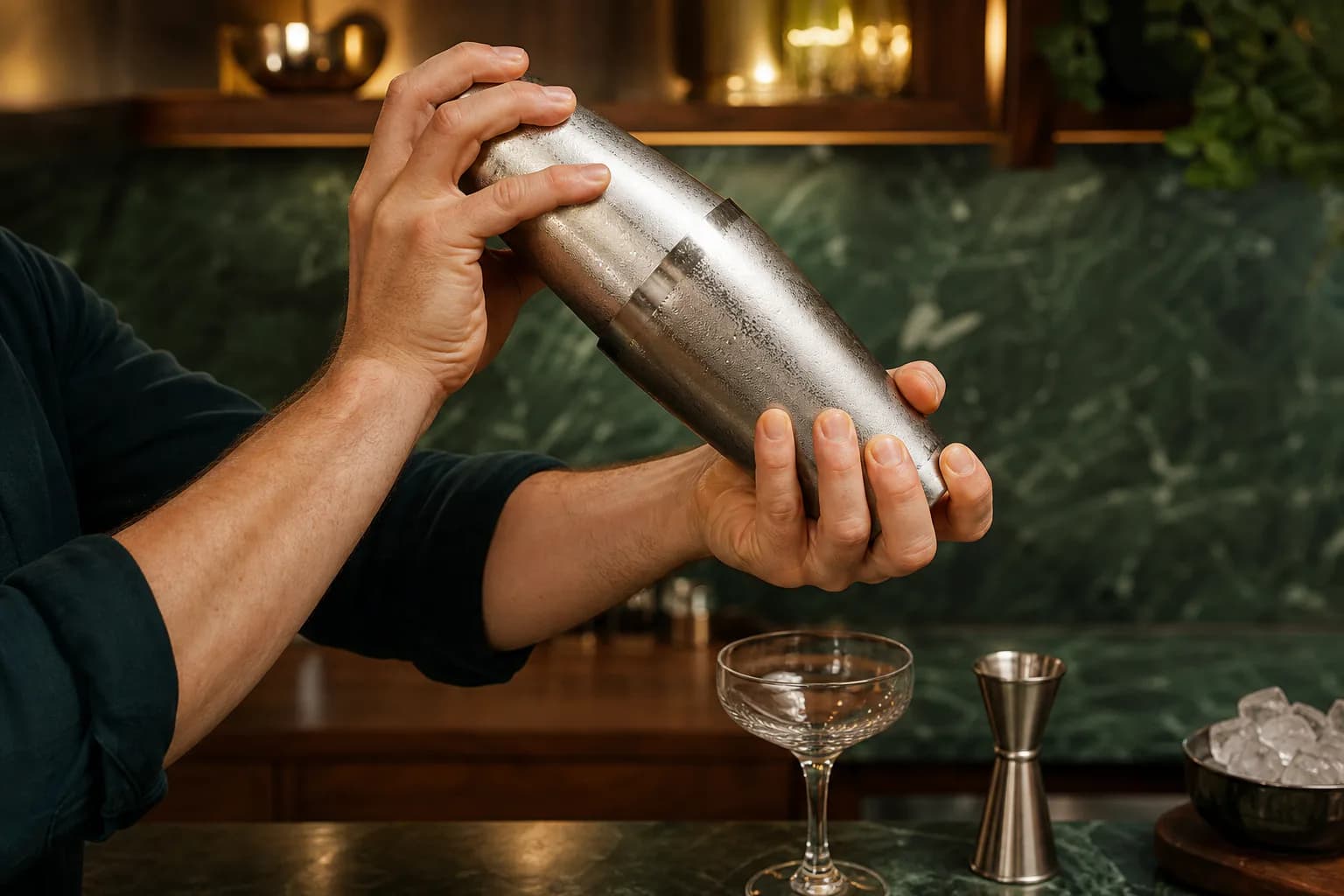
How to shake a cocktail properly
The grip, timing, ice and visual cues that make shaken drinks colder and brighter.
Read the guide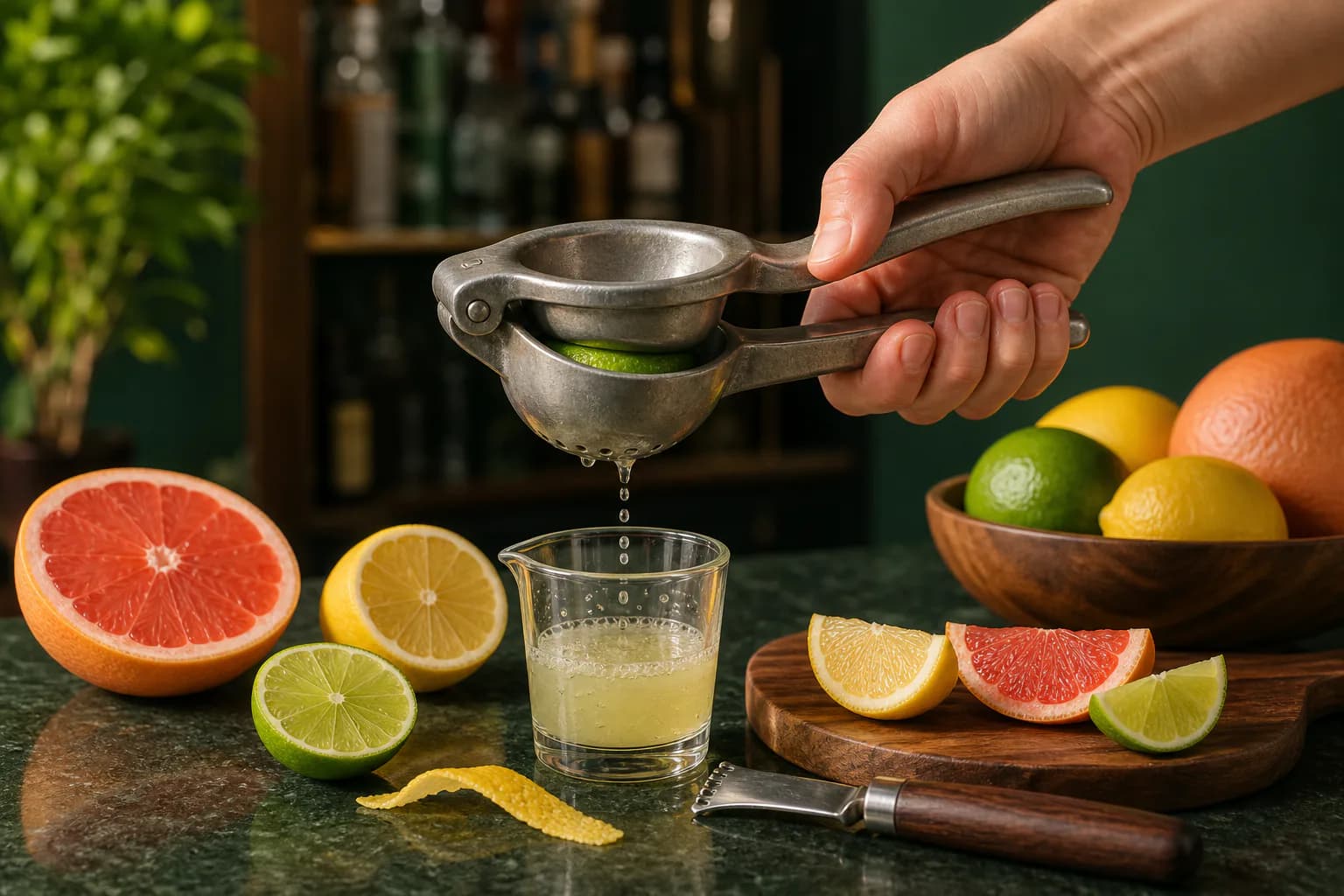
Fresh citrus for cocktails: juice, wedges and balance
Get brighter lime, lemon and grapefruit flavor with better prep and storage.
Read the guideWhere to go next
If you like the Gin and Sin, try these.
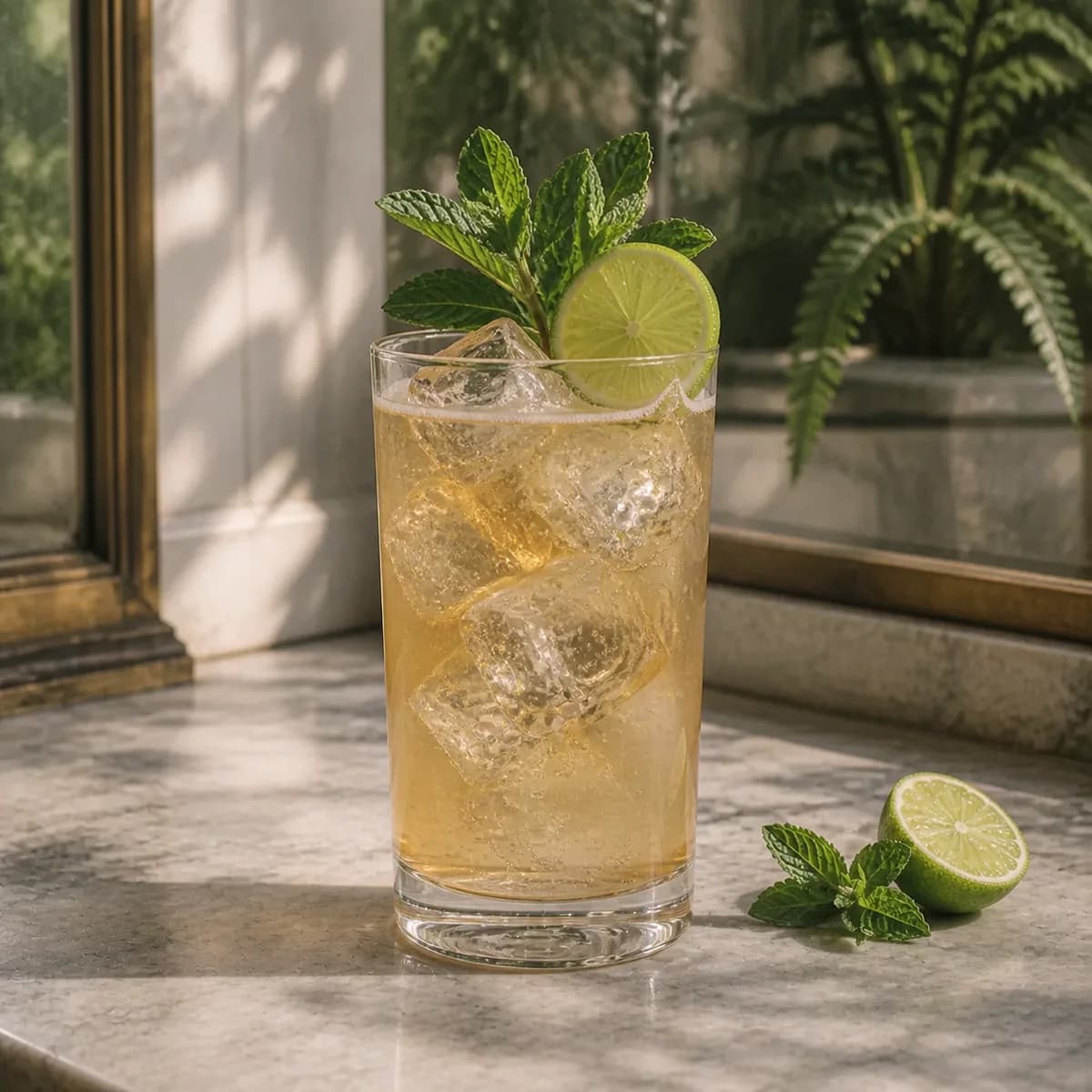
Gin-Gin Mule
Audrey Saunders’ modern classic: a mojito-mule hybrid — gin and mint muddled with lime and sugar, lengthened with ginger beer.
View recipe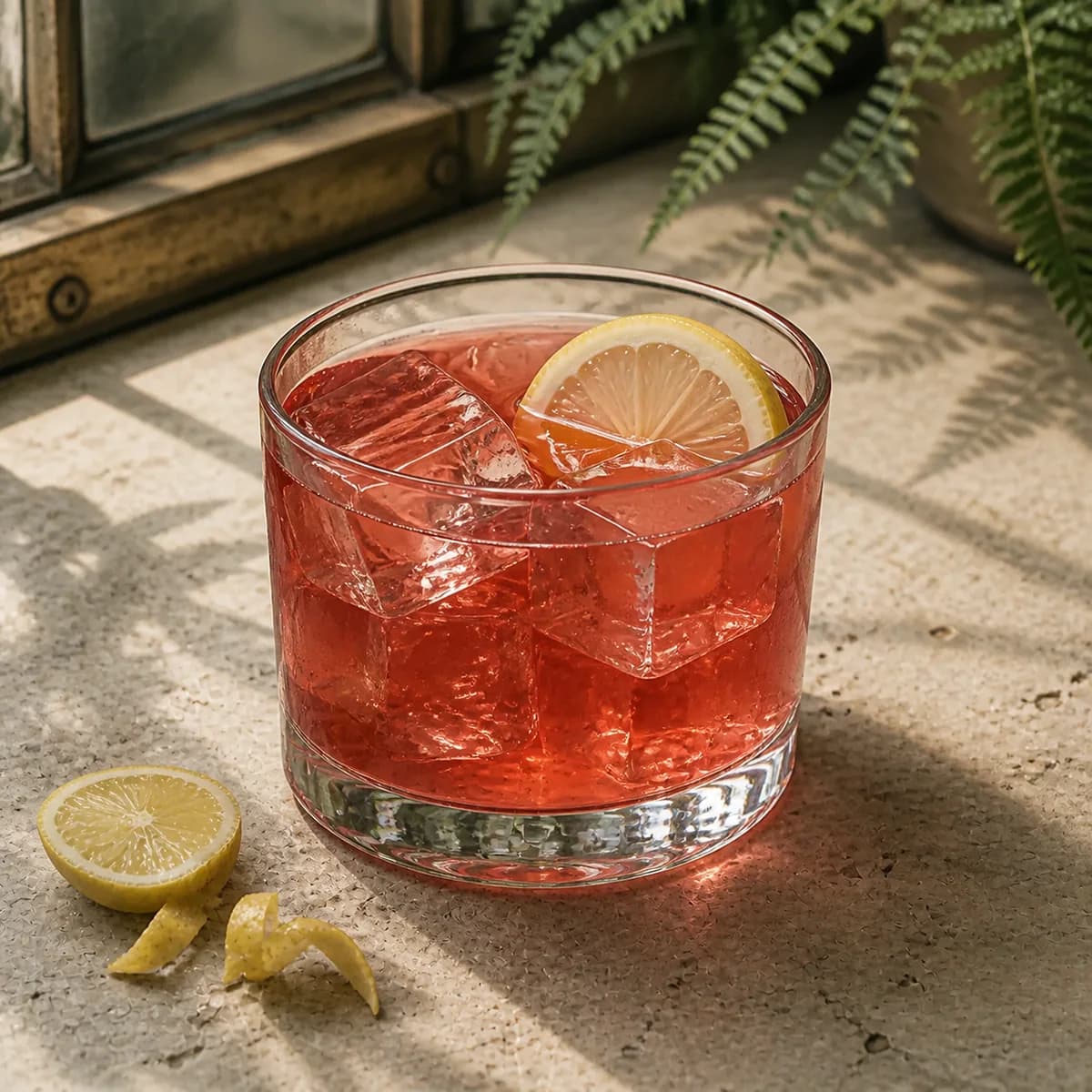
Gin Daisy
Daisies are a family rather than a single recipe: spirit, citrus, a sweetener, poured over ice. This one runs gin against lemon with grenadine doing most of the sweetening and a small pour of triple sec sharpening the edges.
View recipe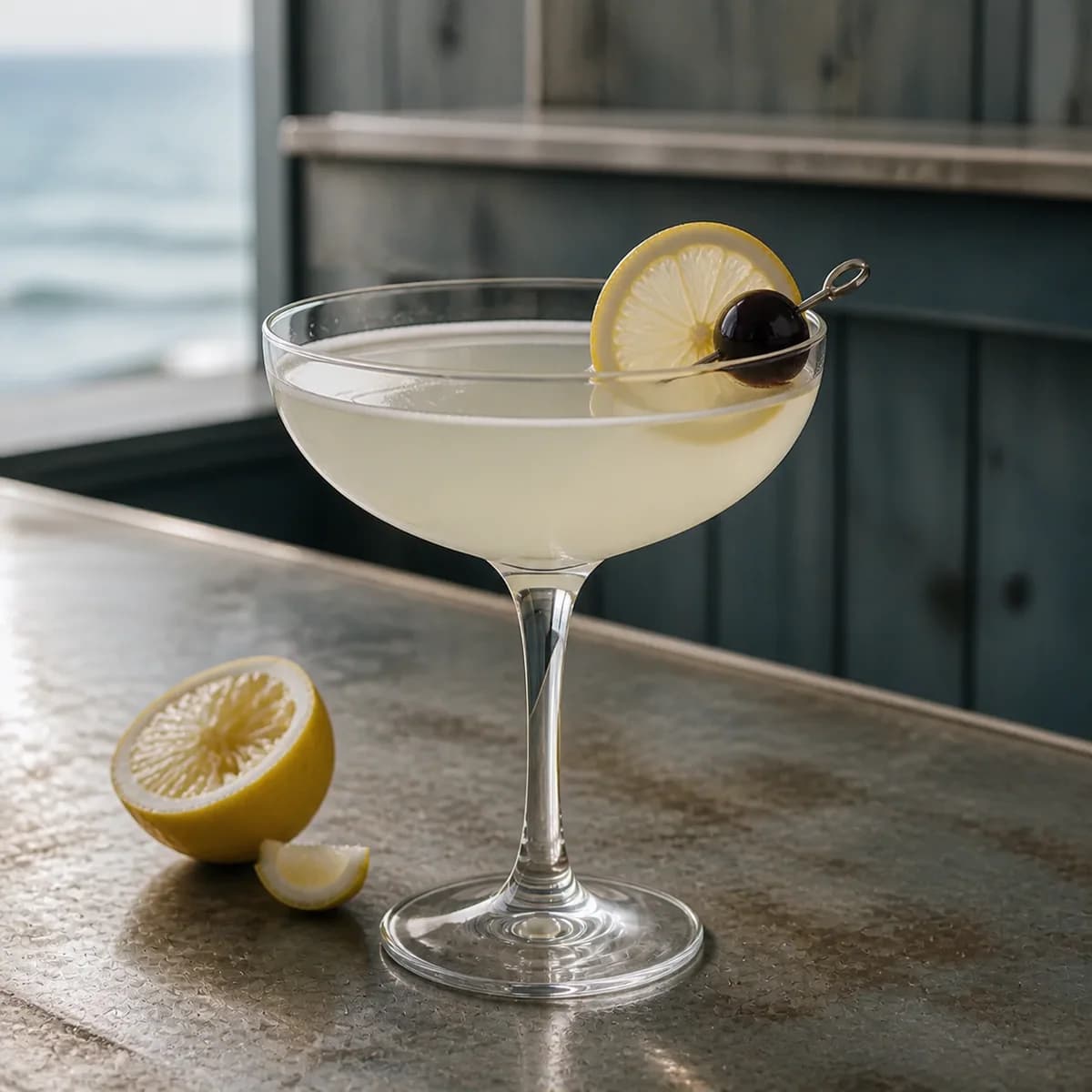
Gin Sour
Every sour on this site runs on the same arithmetic: 60 ml of spirit, 22 of lemon, 15 of syrup. Learn it here, where gin leaves nothing to hide behind, and you can rebuild half the classic canon from memory.
View recipe