Classic cocktail · Guided recipe
Gin Crusta
Start makingSugar on half the rim and a long coil of lemon peel lining the glass is what makes a crusta, and the liquid inside is almost secondary. Gin, lemon, a little orange liqueur and a bar spoon of maraschino, sharper than the sugared rim leads you to expect.
In the glassGin · Triple sec / Cointreau · Maraschino liqueur · Fresh lemon juice · Angostura bitters
See exact amounts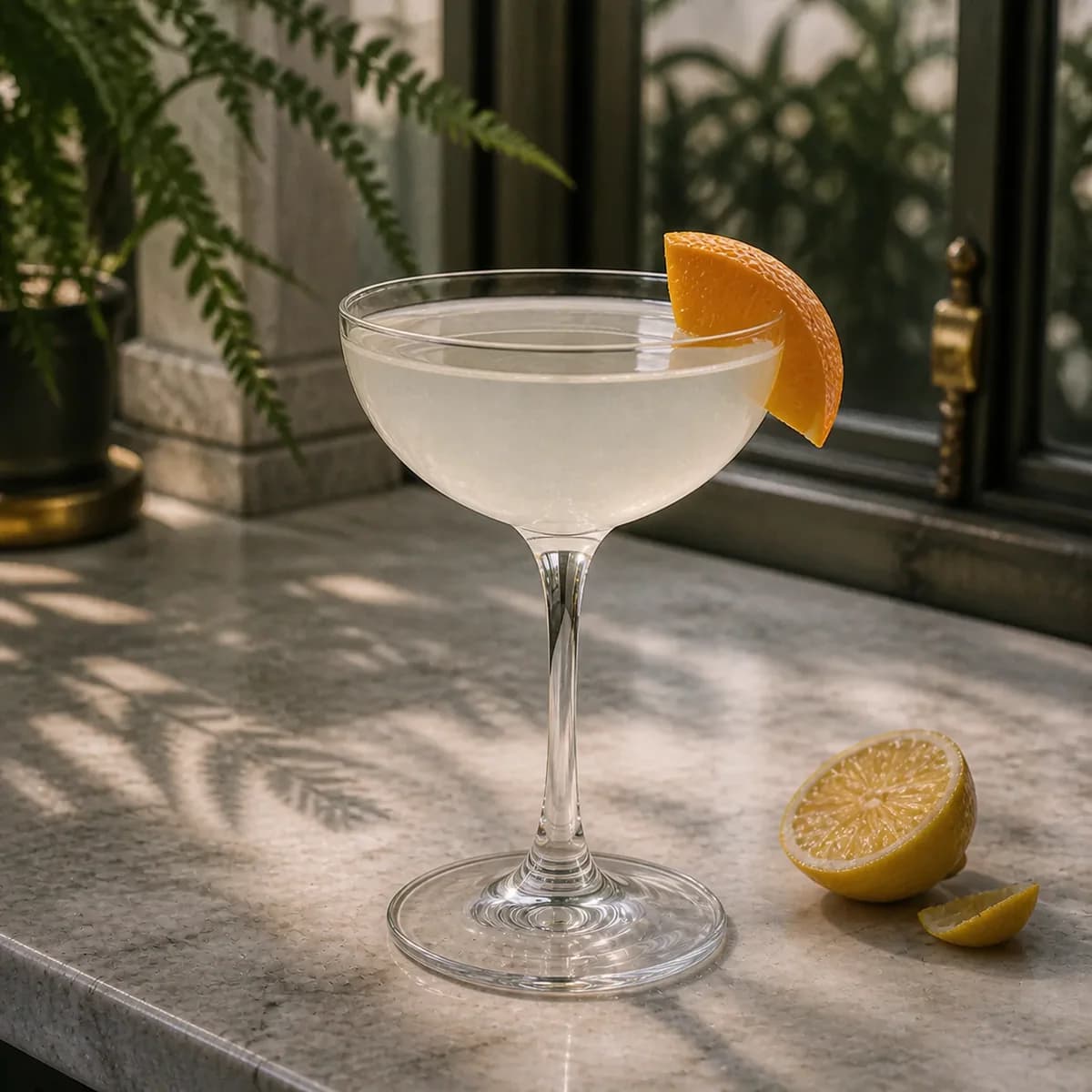
What goes in
Ingredients
Set up before you pour
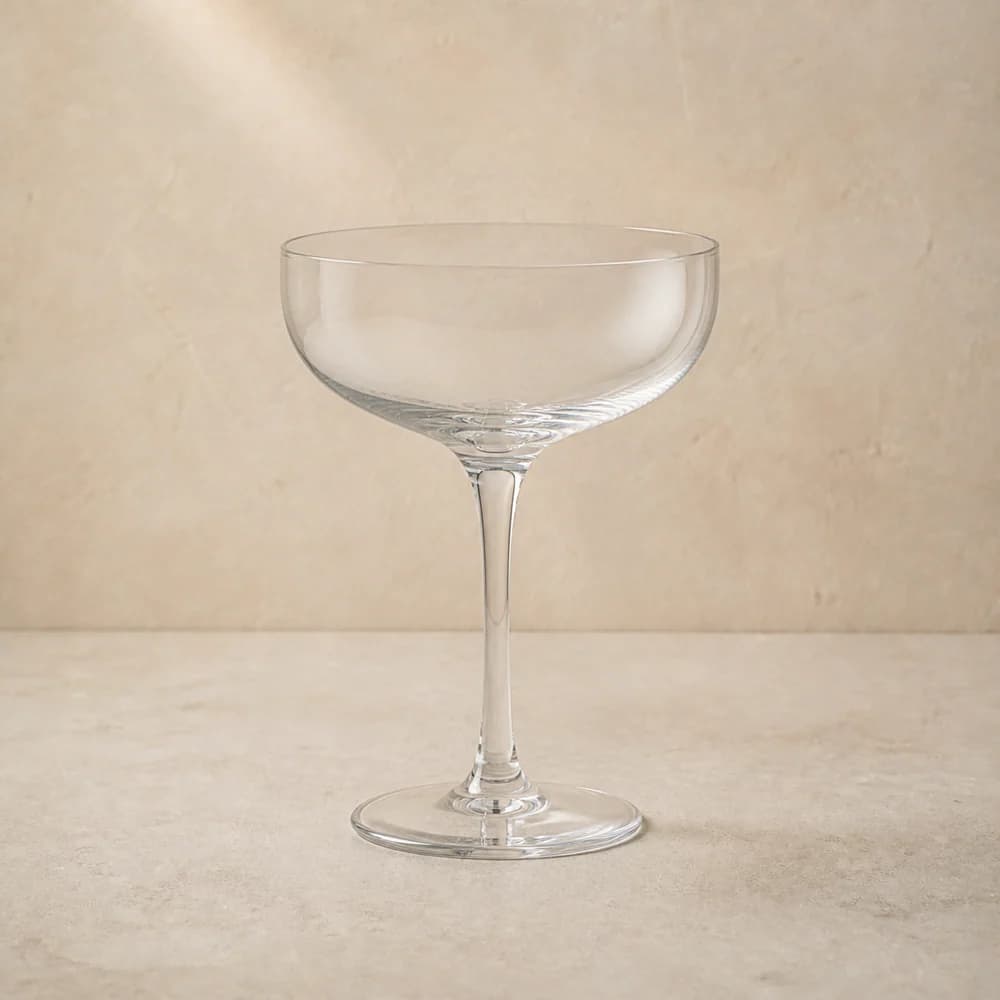
Use a coupe glass.
The stem keeps your hand away from a cold drink, while the rounded bowl makes an up serve easy to sip.
- Standard size
- 200 ml6¾ oz
- Ice & serve
- Chill it first; serve without ice.
- If you don’t own one
- Use a small martini glass or stemmed dessert glass.
- cocktail shaker
- strainer (or a small sieve)
- jigger or measuring spoon
- Gin45 ml
- Triple sec / Cointreau8 ml
- Maraschino liqueur4 ml
- Fresh lemon juice15 ml
- Angostura bitters1 dash
From bottle to glass
Method
- 01
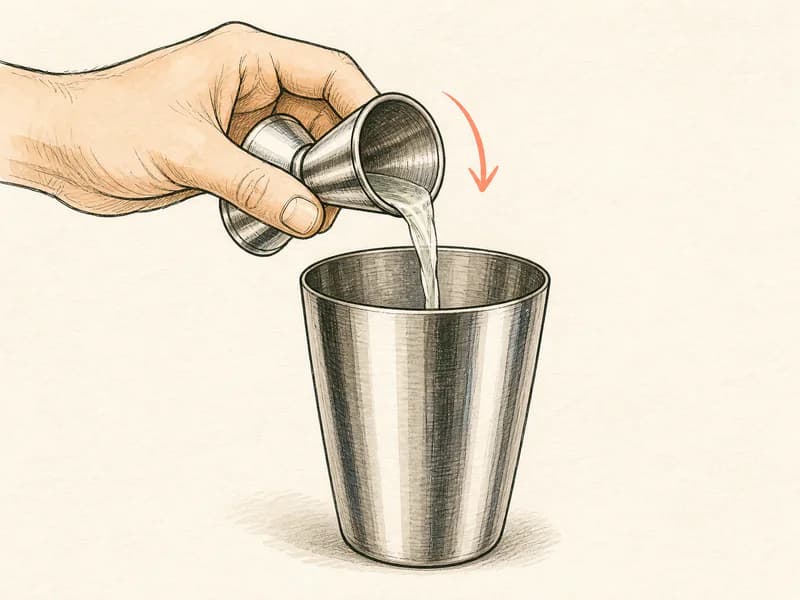
Measure into the shaker Pour 45 ml gin into your shaker
 Gin
Gin
- 02
Measure into the shaker Add 8 ml triple sec / cointreau
 Triple sec / Cointreau
- 03
Measure into the shaker Add 4 ml maraschino liqueur
- Maraschino liqueur
- 04
Measure into the shaker Add 15 ml fresh lemon juice
 Fresh lemon juice
- 05
Measure into the shaker Add 1 dash Angostura
 Angostura bitters
- 06
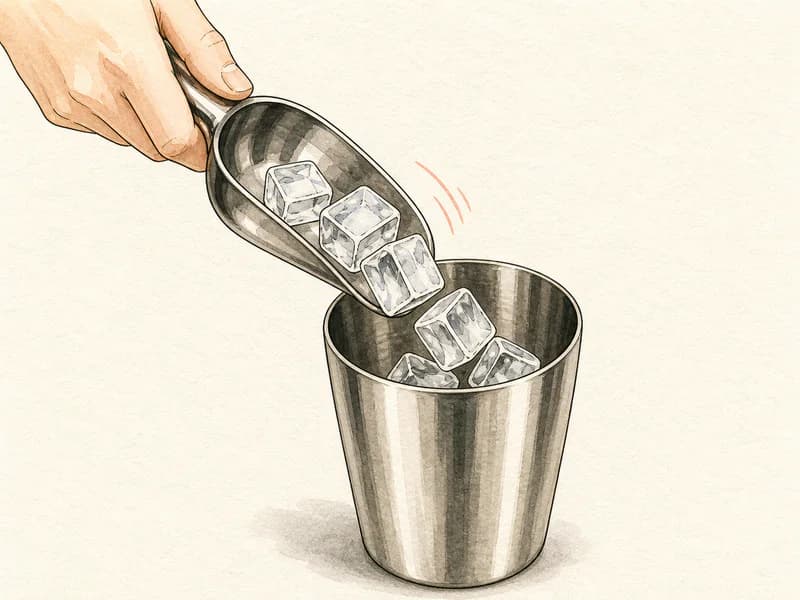
Ice the shaker Fill the shaker with ice
- 07
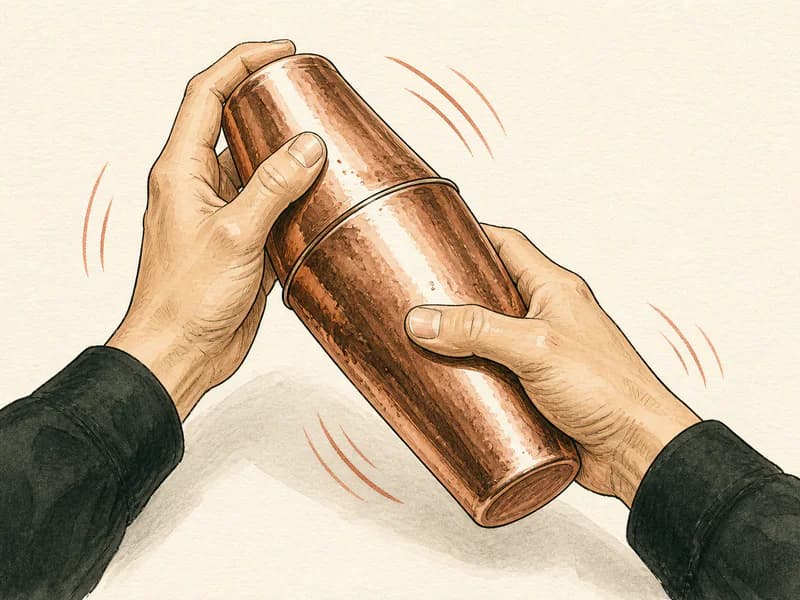
Seal and shake Seal and shake hard
- 08
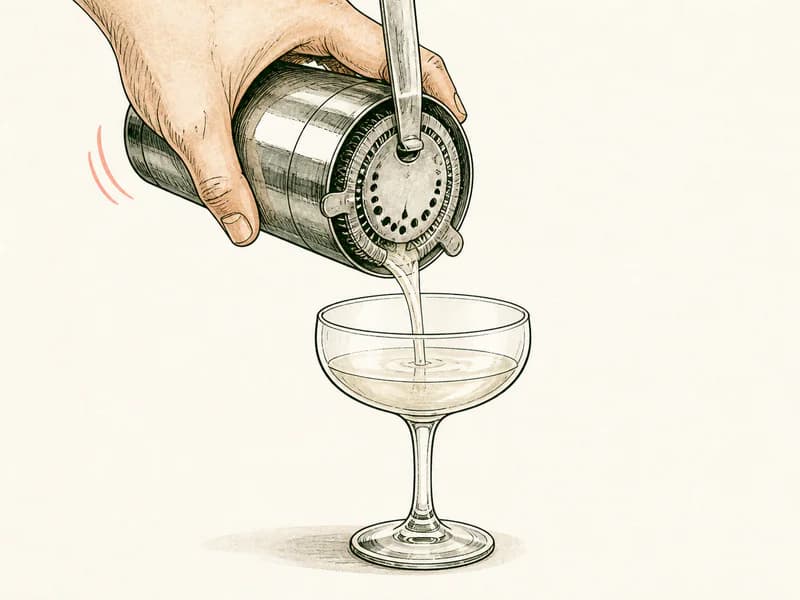
Strain cleanly Strain into a chilled glass — no ice
- 09
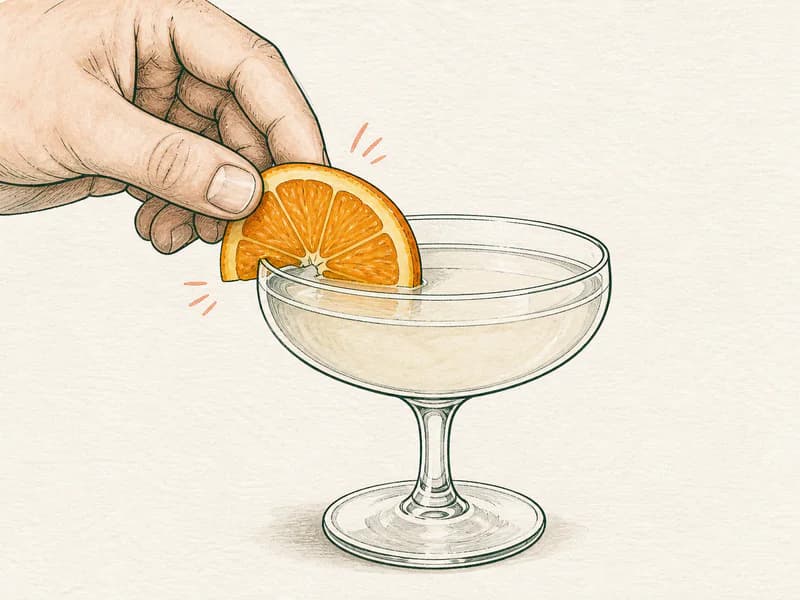
Finish the drink Finish it — add an orange slice
Know your drink
About the Gin Crusta
Where the crusta started
Joseph Santini, working in New Orleans in the 1850s, is usually credited with the crusta, and Jerry Thomas printed a brandy version in his 1862 guide, which is why we have any record of it at all. Both the sugared rim and the peel lining the glass were there from the start. Everything since, including this gin version, is a swap of the base spirit.
Underneath the decoration, a crusta is a sour with the sugar moved from the liquid to the rim and the aromatics moved to a peel you drink past. That makes the drink itself sharper and shorter than it appears, and it means a sloppy rim or a mean strip of peel ruins it more thoroughly than getting the ratios slightly wrong.
Common questions
Gin Crusta FAQ
How do I get the lemon peel to stay put in the glass?
Cut it in one continuous strip from a whole lemon with a sharp peeler, going round the fruit like an apple. Curl the strip inside a chilled glass and it holds against the wall by tension alone. Short pieces will not stay. Do it before you build the drink, not after.
Sugar the whole rim or only half?
Half. Wet the outside edge with a lemon wedge, roll it through caster sugar, and leave a clean stretch so anyone who doesn't want the sugar can drink from the other side. Coating the inner rim as well just dumps sugar into the drink and unbalances it.
The Brandy Crusta is the famous one. What changes with gin?
Juniper changes the whole top end. Brandy gives you a warm, grapey base that melts into the maraschino, while gin keeps its botanicals separate and sits up against the lemon oil from the peel. The gin version tastes brighter and less rich, and it suits a warm evening better.
Can I skip the sugar rim entirely?
You can, and you will have a small, sharp gin sour. The rim isn't decoration here: each sip pulls a little sugar across the tongue before the acid arrives, which is why the liquid itself is built drier than a normal sour. Skip the sugar and add 5 ml of syrup.
What ingredients are in a Gin Crusta?
A classic Gin Crusta calls for 45 ml (1.5 oz) Gin, 8 ml (0.25 oz) Triple sec / Cointreau, 4 ml (0.25 oz) Maraschino liqueur, 15 ml (0.5 oz) Fresh lemon juice, 1 dash Angostura Angostura bitters. That single-serve spec scales cleanly — the recipe above converts it to oz and multiplies it for 2–4 drinks.
How strong is a Gin Crusta?
A standard Gin Crusta is roughly 31% ABV once mixed (before ice melt softens it further). That makes it spirit-forward — closer to a Martini than to a beer, so sip it slowly.
Is a Gin Crusta shaken or stirred?
A Gin Crusta is shaken — the rule of thumb is to shake anything with citrus juice. About 13 seconds with plenty of ice chills and dilutes it correctly.
Sharpen the technique
Skills used in this recipe
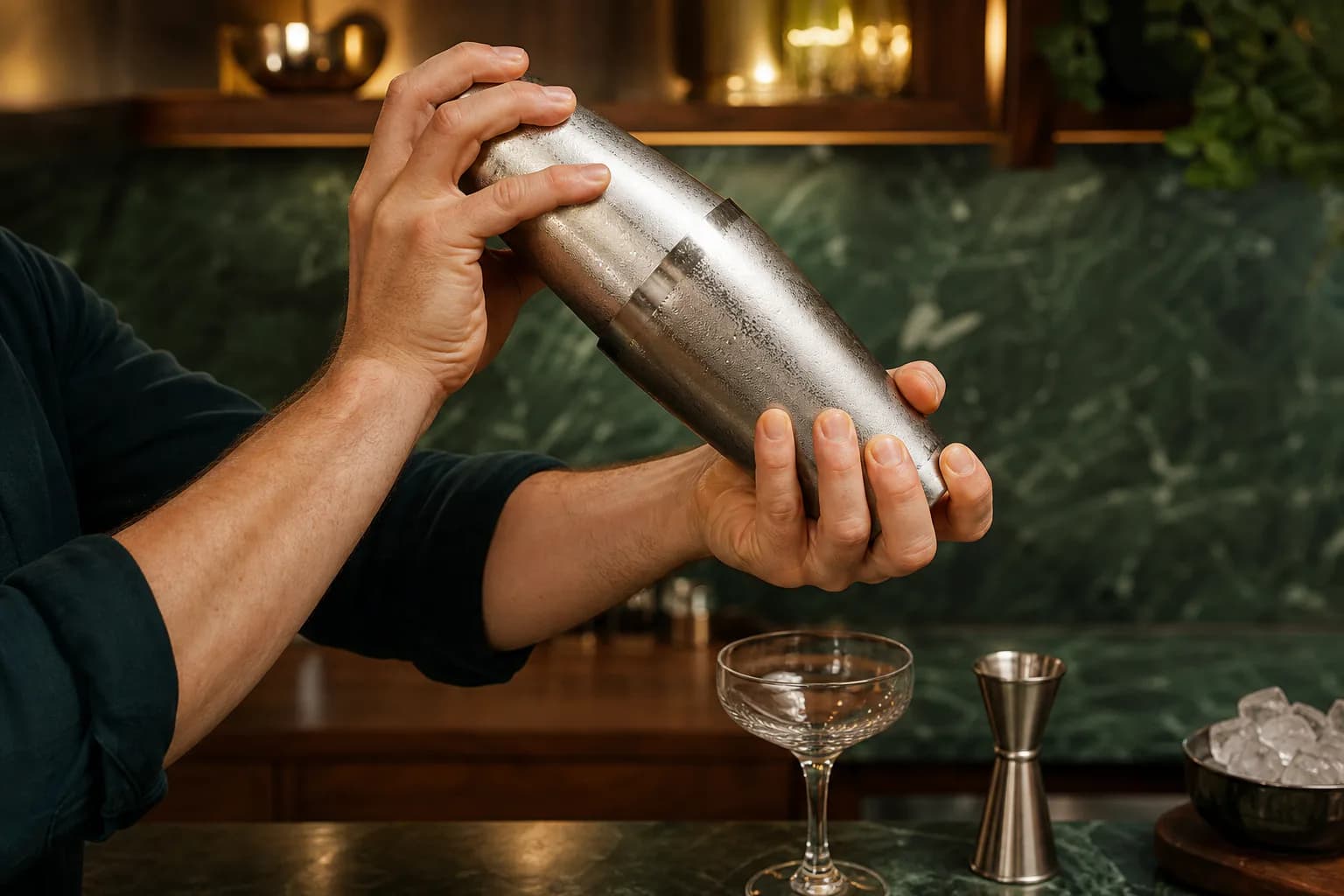
How to shake a cocktail properly
The grip, timing, ice and visual cues that make shaken drinks colder and brighter.
Read the guide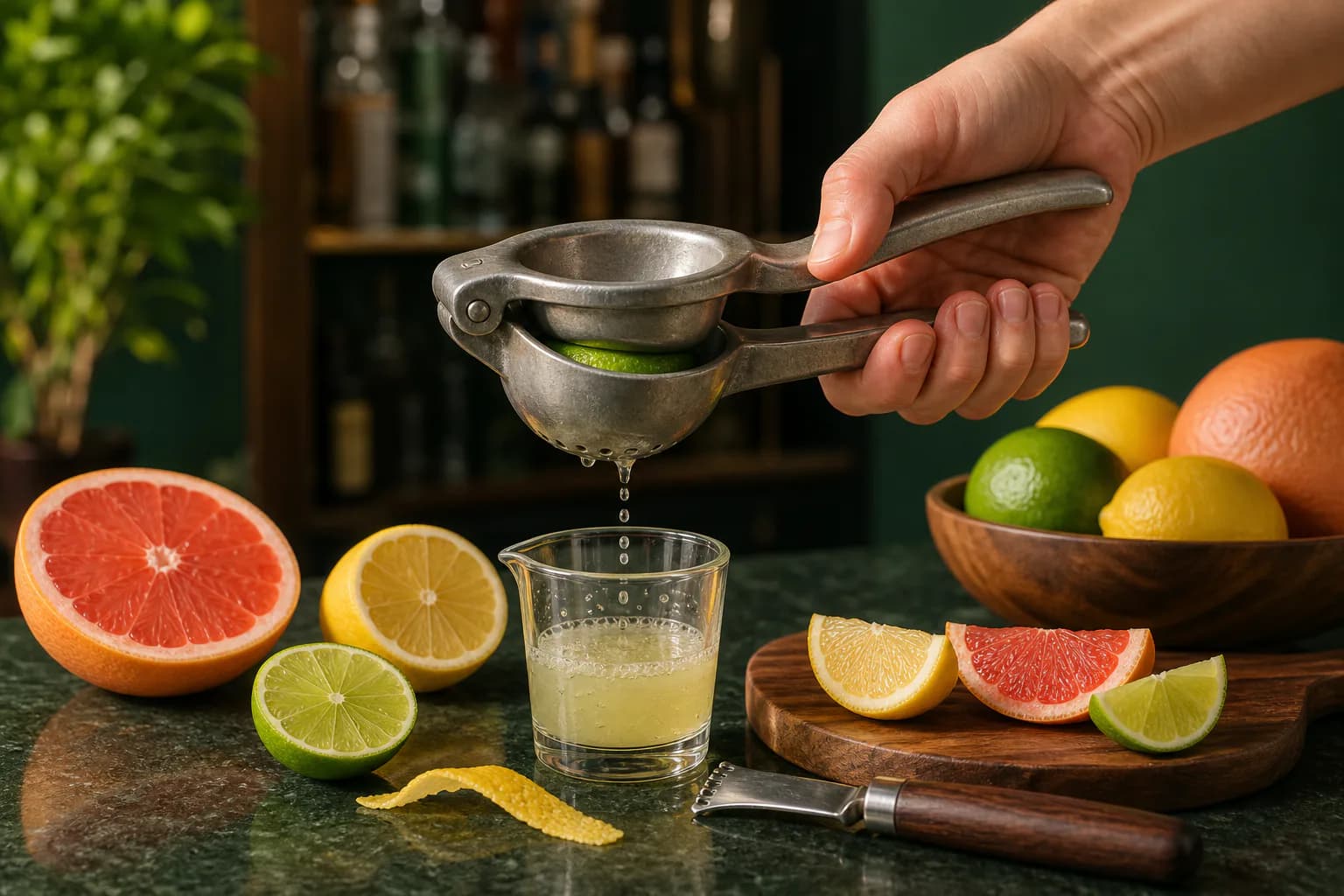
Fresh citrus for cocktails: juice, wedges and balance
Get brighter lime, lemon and grapefruit flavor with better prep and storage.
Read the guideWhere to go next
If you like the Gin Crusta, try these.
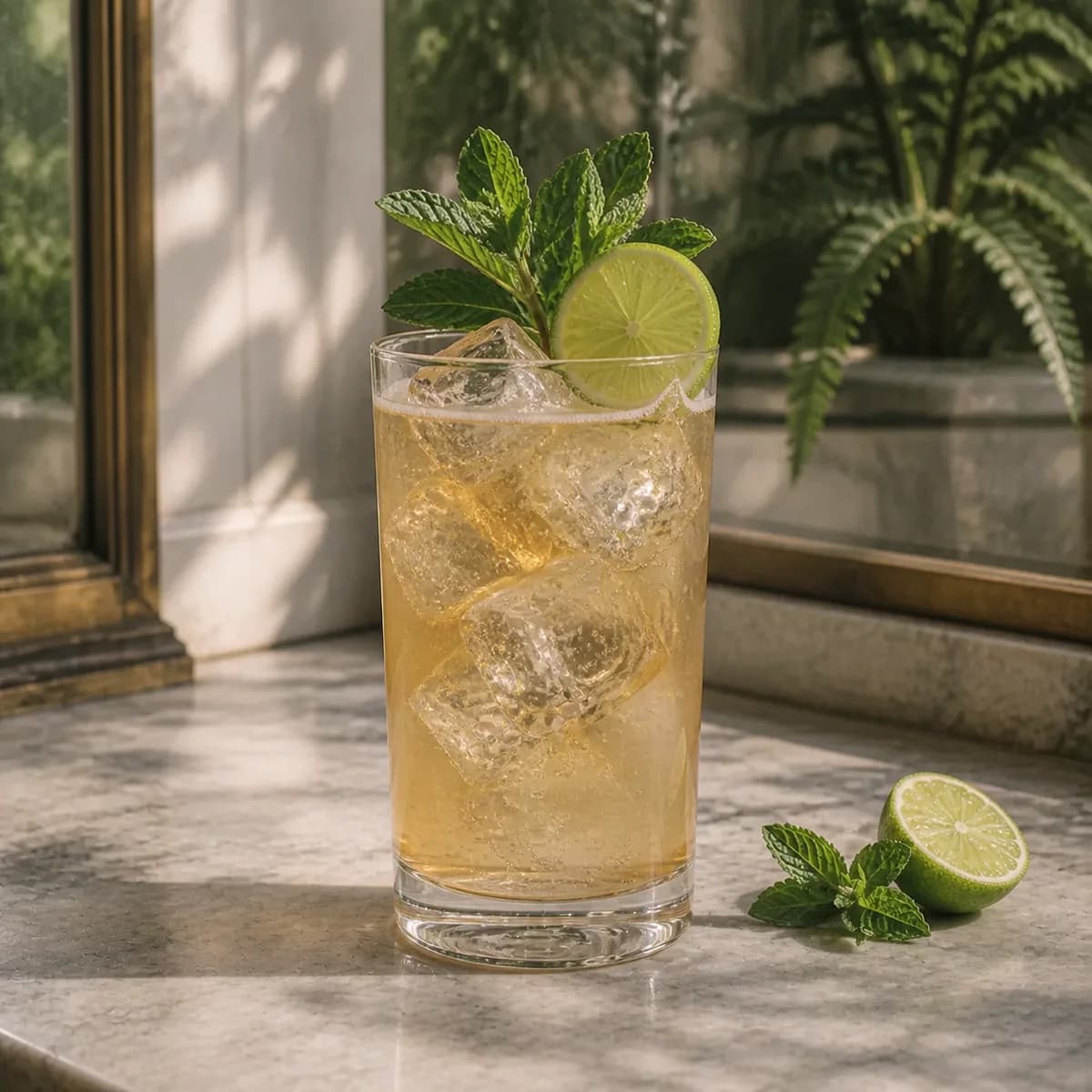
Gin-Gin Mule
Audrey Saunders’ modern classic: a mojito-mule hybrid — gin and mint muddled with lime and sugar, lengthened with ginger beer.
View recipe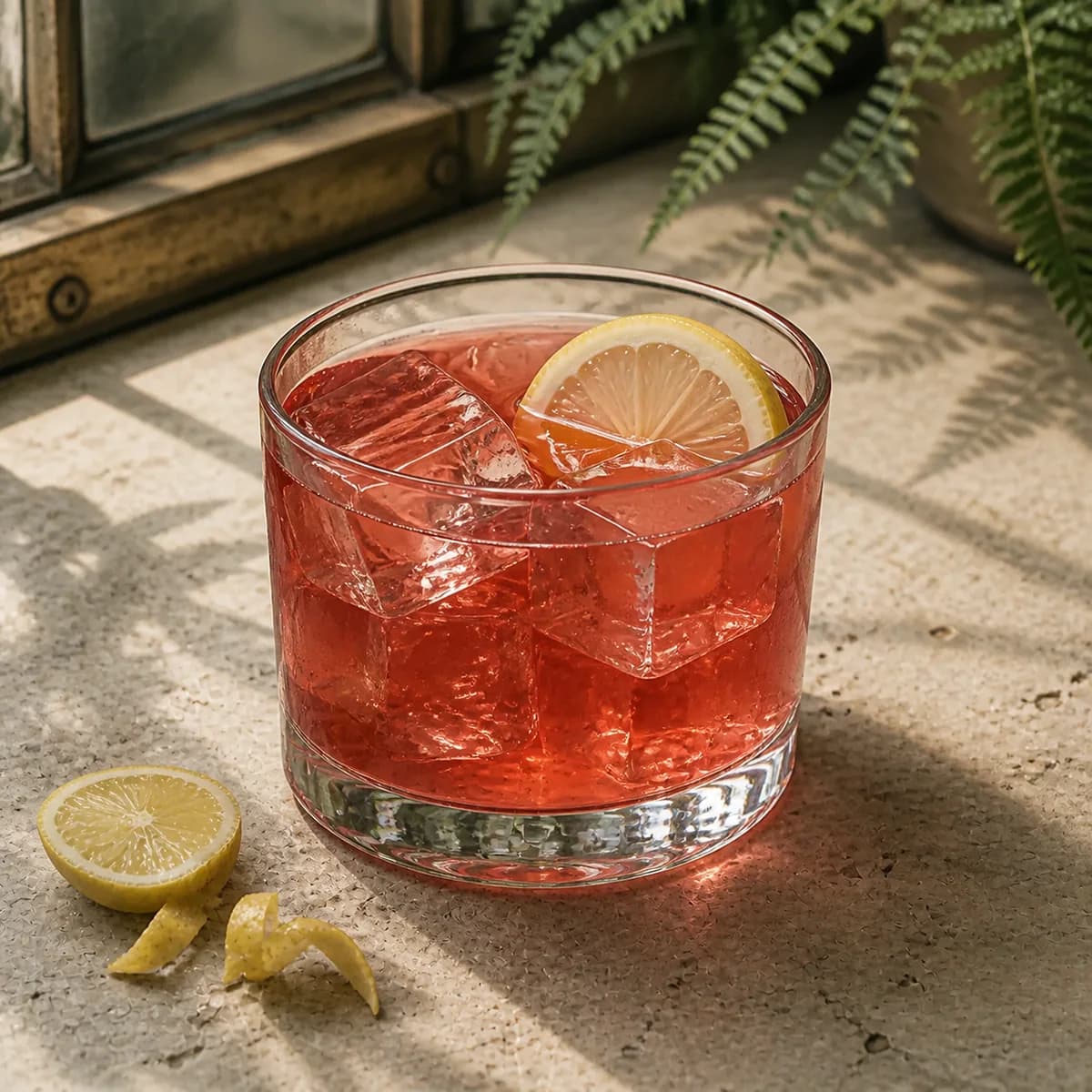
Gin Daisy
Daisies are a family rather than a single recipe: spirit, citrus, a sweetener, poured over ice. This one runs gin against lemon with grenadine doing most of the sweetening and a small pour of triple sec sharpening the edges.
View recipe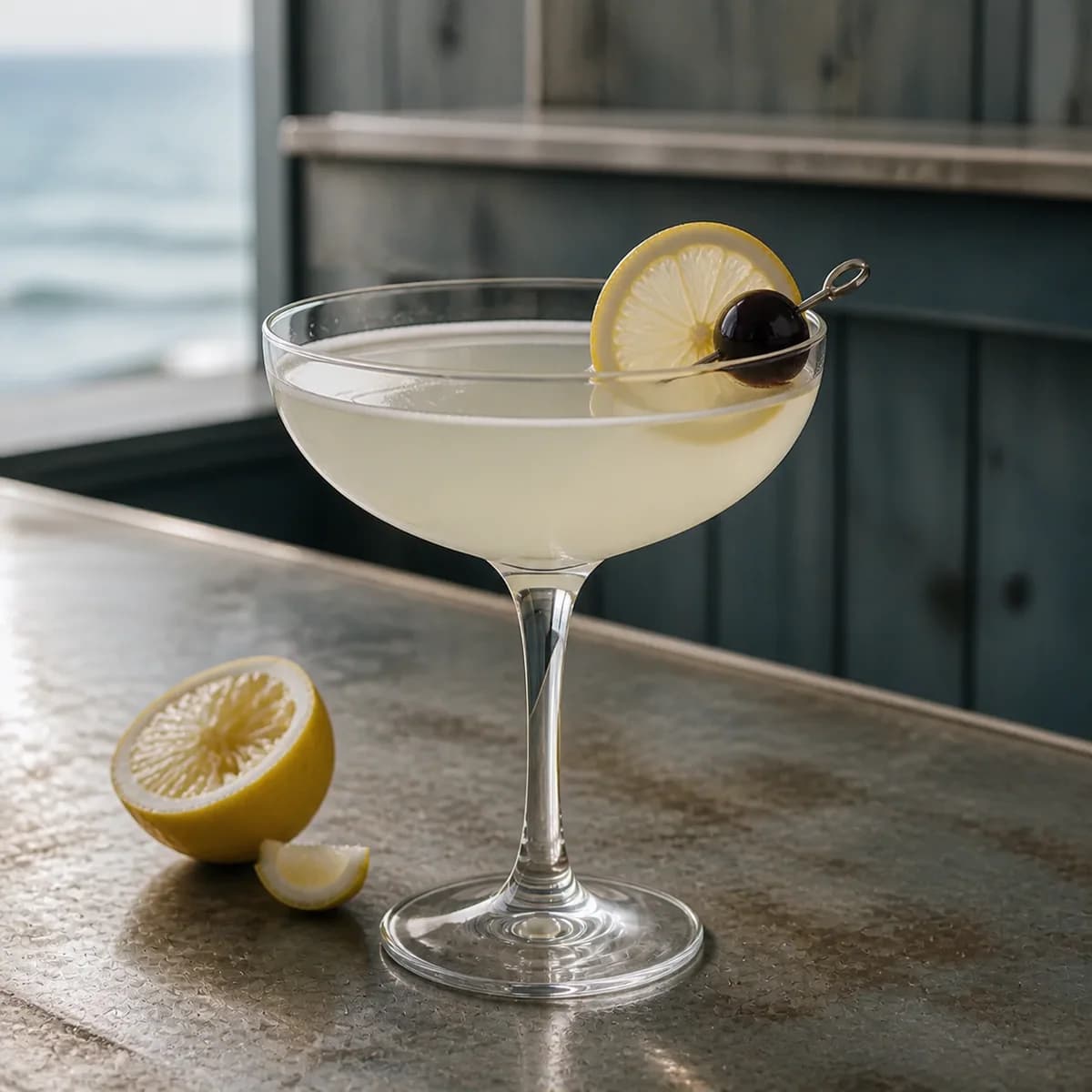
Gin Sour
Every sour on this site runs on the same arithmetic: 60 ml of spirit, 22 of lemon, 15 of syrup. Learn it here, where gin leaves nothing to hide behind, and you can rebuild half the classic canon from memory.
View recipe