Classic cocktail · Guided recipe
John Collins
Start makingThe Tom Collins’ whiskey brother: bourbon, lemon and sugar shaken and lengthened with soda. Tall and refreshing.
In the glassBourbon · Fresh lemon juice · Simple syrup · Soda water
See exact amounts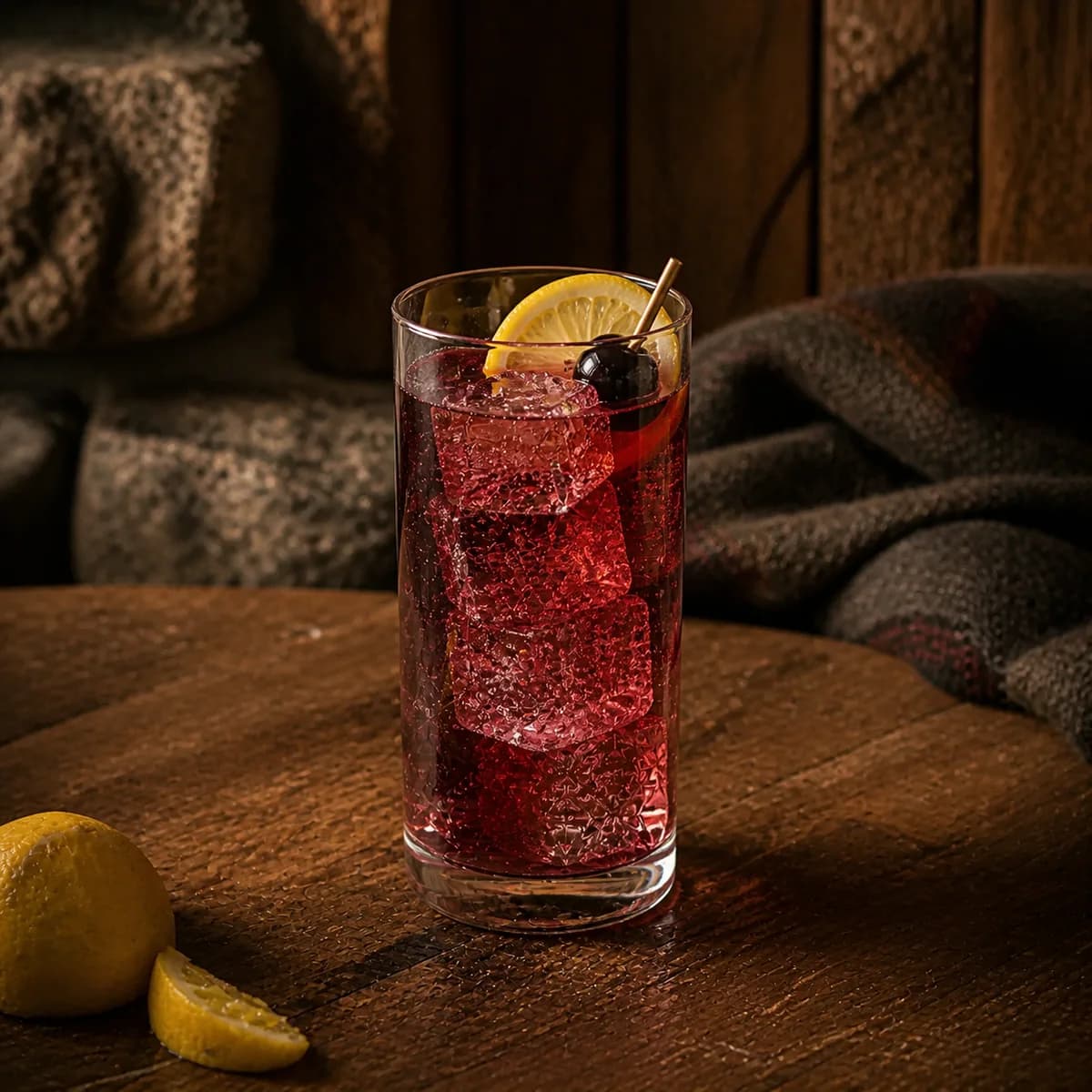
What goes in
Ingredients
Set up before you pour
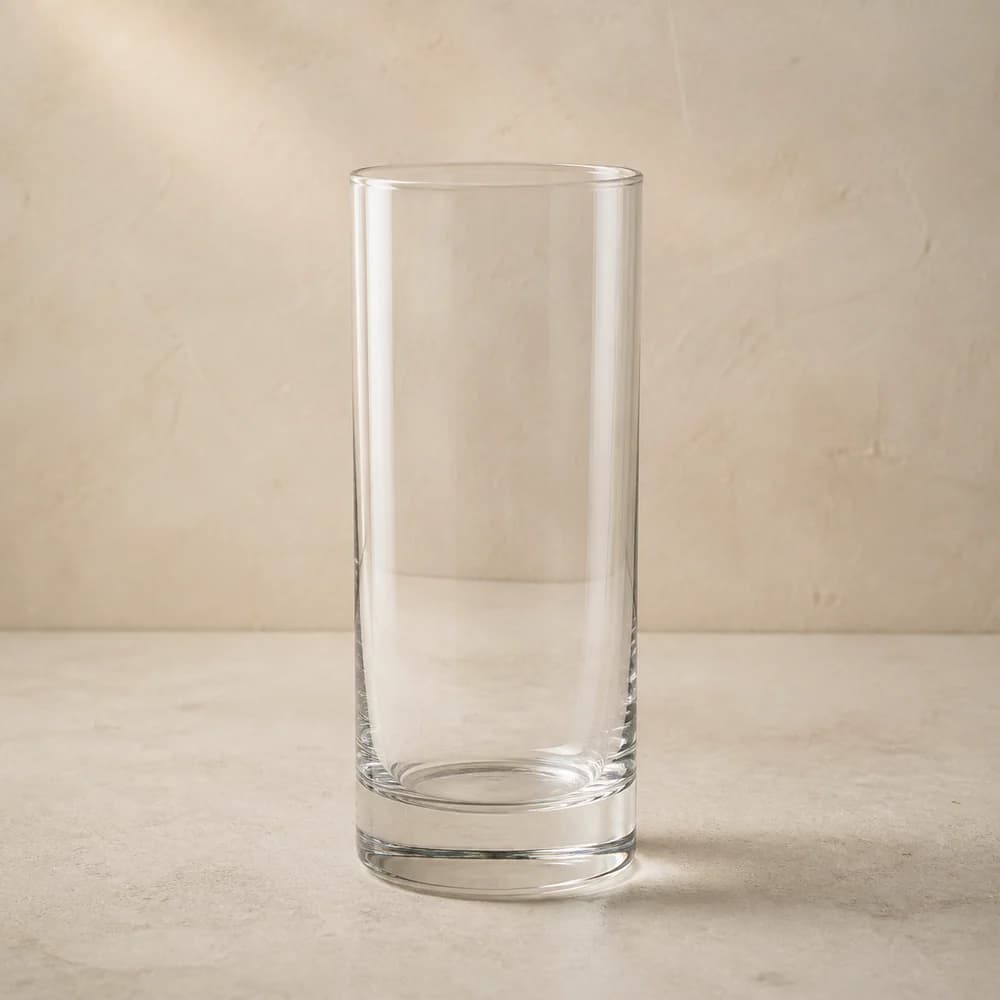
Use a highball glass.
The tall, straight shape leaves room for plenty of ice and mixer while keeping a long drink lively.
- Standard size
- 350 ml11¾ oz
- Ice & serve
- Fill it with fresh ice cubes.
- If you don’t own one
- Use a Collins glass or any tall, straight-sided tumbler.
- cocktail shaker
- strainer (or a small sieve)
- jigger or measuring spoon
- Bourbon45 ml
- Soda water60 ml
- Fresh lemon juice22 ml
- Simple syrup15 ml
From bottle to glass
Method
- 01
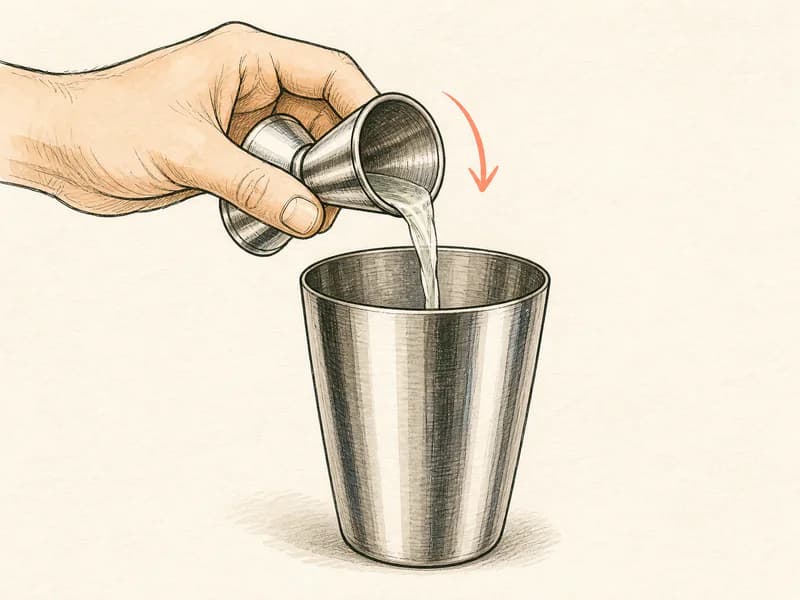
Measure into the shaker Pour 45 ml bourbon into your shaker
 Bourbon
- 02
Measure into the shaker Add 22 ml fresh lemon juice
 Fresh lemon juice
- 03
Measure into the shaker Add 15 ml simple syrup
 Simple syrup
- 04
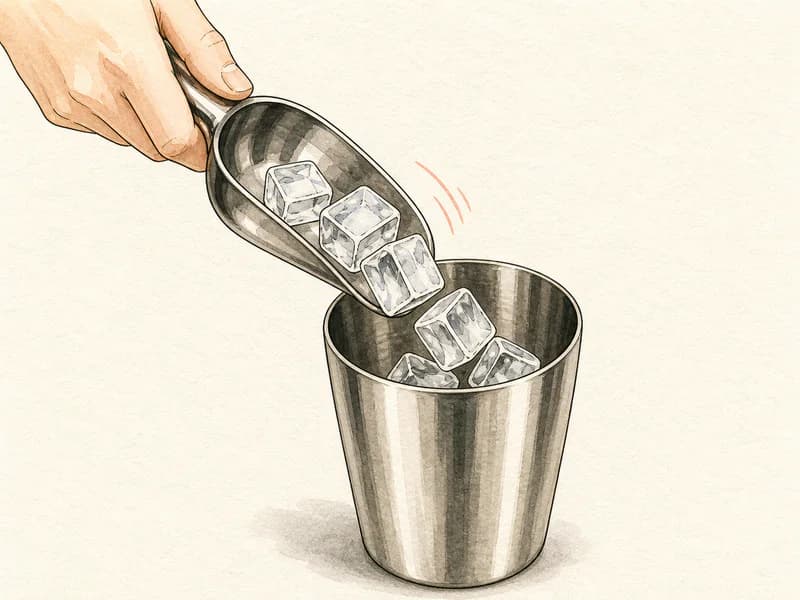
Ice the shaker Fill the shaker with ice
- 05
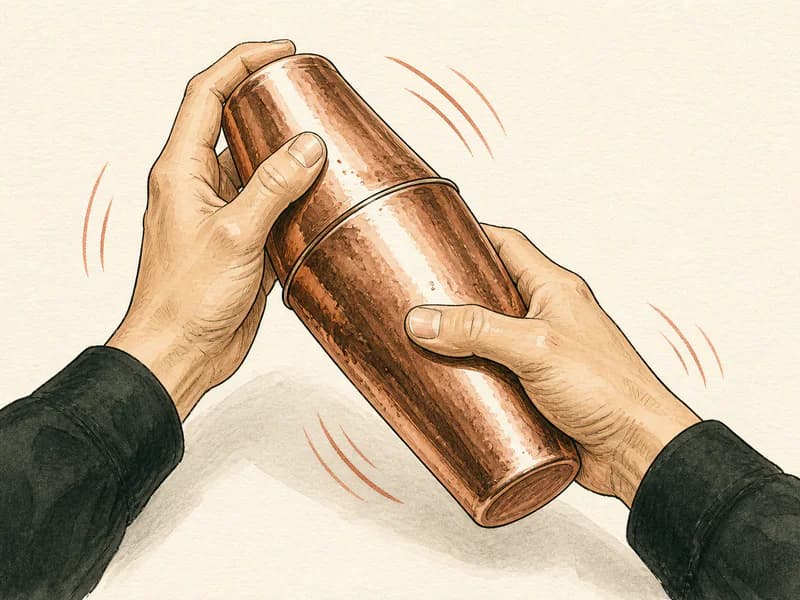
Seal and shake Seal and shake hard
- 06
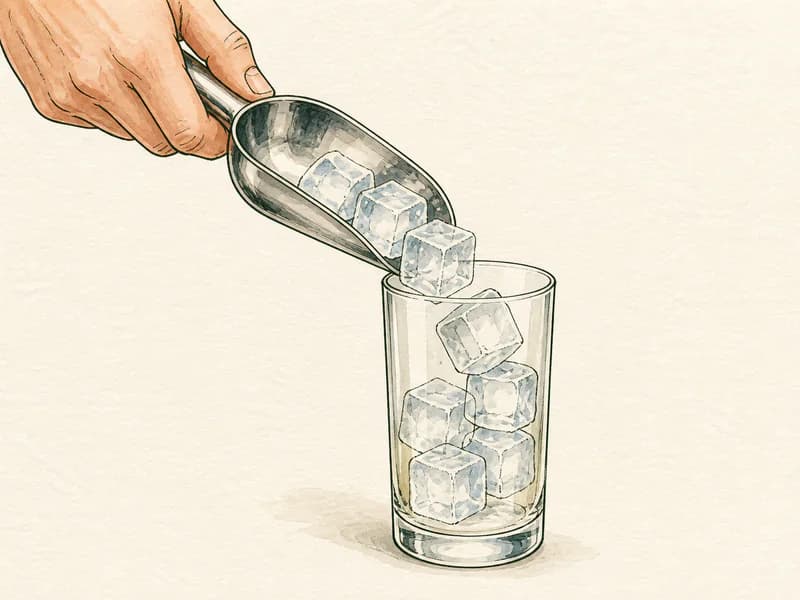
Ice the glass Fill your glass with fresh ice
- 07
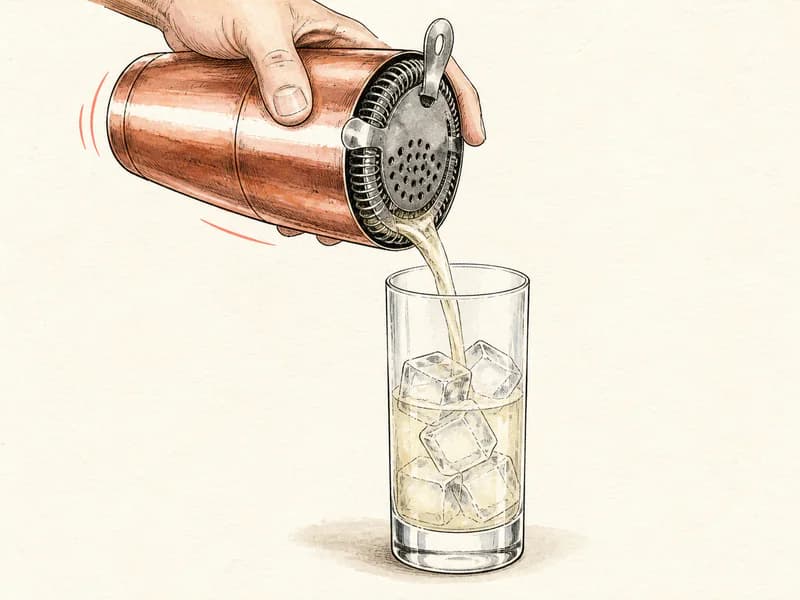
Strain cleanly Strain into your glass
- 08
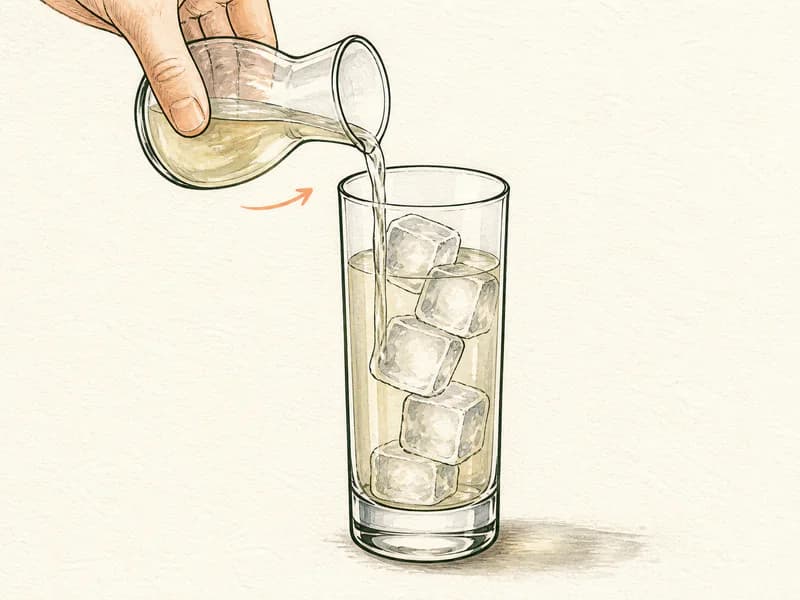
Top gently Top with 60 ml soda water
 Soda water
- 09
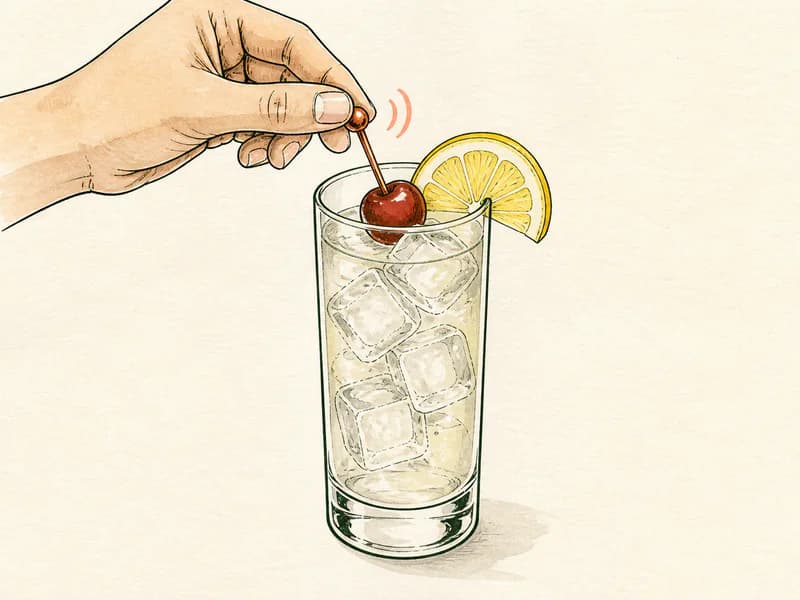
Finish the drink Finish it — add a lemon slice and a cocktail cherry
Know your drink
About the John Collins
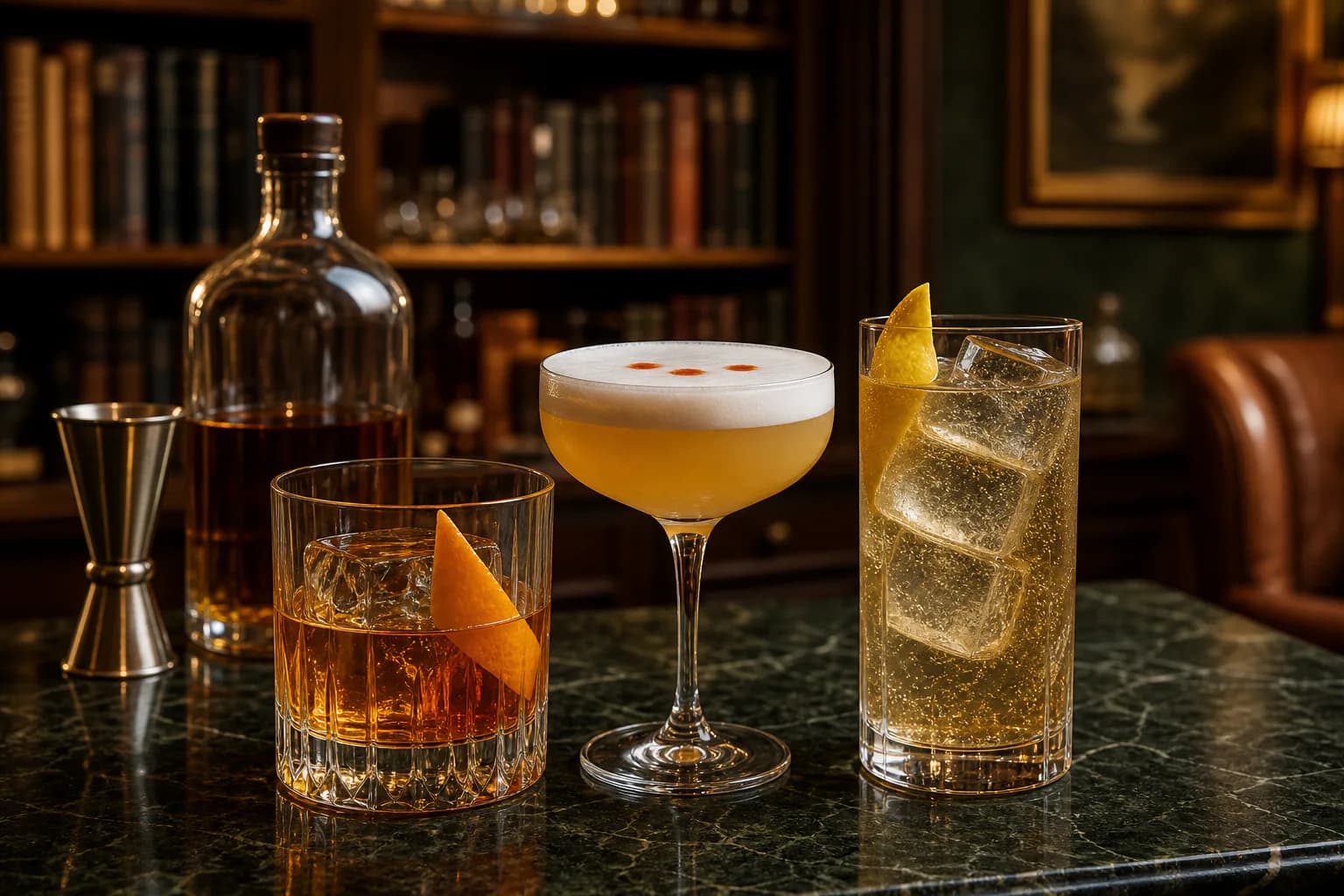
Limmer's, and a lengthened sour
A nineteenth-century London verse begins 'My name is John Collins, head waiter at Limmer's', and the drink is usually traced back to that hotel. What muddies it is that the earliest printed recipes under the Collins name call for Old Tom gin, and the two names have traded places since. Modern usage is settled even if the history isn't: Tom means gin, John means whiskey.
Practically, it's a Whiskey Sour lengthened with soda, which makes it the most forgiving of the whiskey drinks. The dilution covers a multitude of sins, and a cheap bourbon that would embarrass you neat does fine here. Serve it in the tallest glass you own and use more ice than looks sensible.
Common questions
John Collins FAQ
Does the sugar in a Collins favor bourbon or rye?
Bourbon gives you vanilla and corn sweetness that sits well with the sugar. Rye is drier and peppery, and it makes a sharper drink that suits people who find the standard build a little soft. Either way, stay around 40 to 45 percent. Bottled-in-bond whiskey survives the soda better.
Where does the soda go in?
Last, and never into the shaker. Shake the whiskey, lemon and syrup with ice, strain into a tall glass over fresh cubes, then pour the soda down the inside of the glass. One slow stir with a bar spoon is enough to combine it without knocking the bubbles out.
It went flat before I finished it. Any fix?
Cold and pressure are what hold carbonation, so start with soda straight from the fridge and a glass full of ice rather than three cubes floating in it. A small bottle you open fresh beats the last third of a two-liter. Skip the swizzle stick, which knocks the gas out fast.
Tom Collins, John Collins. What separates them?
Today, the spirit. Tom Collins uses gin, this one uses American whiskey, and everything else stays put. Historically the names have swapped around more than once, and nineteenth-century sources don't agree with each other. If you order one in a bar, say the spirit out loud and skip the argument.
Is the cherry doing anything?
Not much, unless it's a good one. A bright red maraschino from a jar leaves sugar syrup in the bottom of the glass and tastes of almond flavoring. A dark Luxardo or Amarena cherry actually adds something as it sits. Otherwise drop it and keep the lemon slice.
What ingredients are in a John Collins?
A classic John Collins calls for 45 ml (1.5 oz) Bourbon, 22 ml (0.75 oz) Fresh lemon juice, 15 ml (0.5 oz) Simple syrup, 60 ml (2 oz) Soda water. That single-serve spec scales cleanly — the recipe above converts it to oz and multiplies it for 2–4 drinks.
How strong is a John Collins?
A standard John Collins is roughly 14% ABV once mixed (before ice melt softens it further). That makes it about as strong as a glass of wine.
Sharpen the technique
Skills used in this recipe
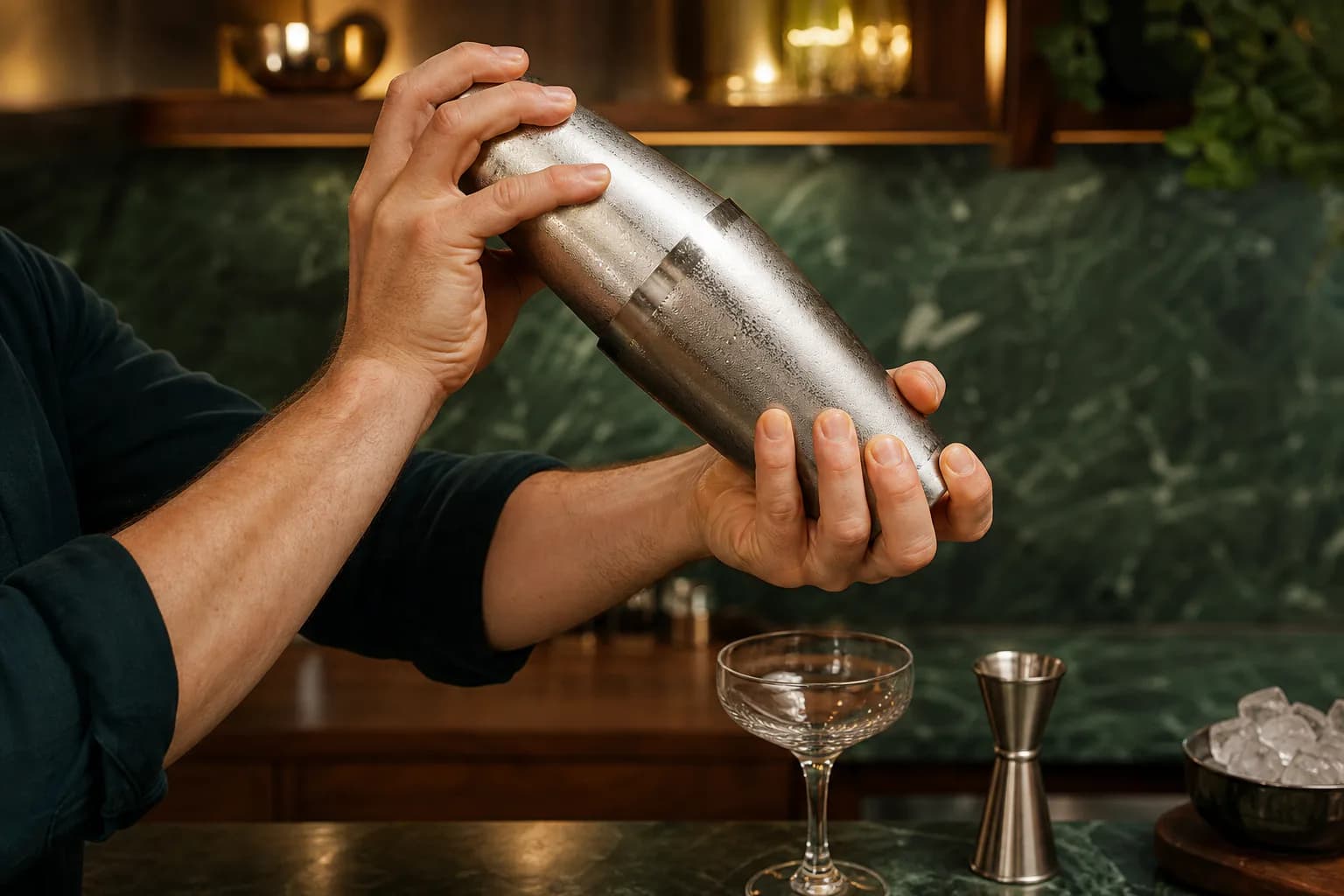
How to shake a cocktail properly
The grip, timing, ice and visual cues that make shaken drinks colder and brighter.
Read the guide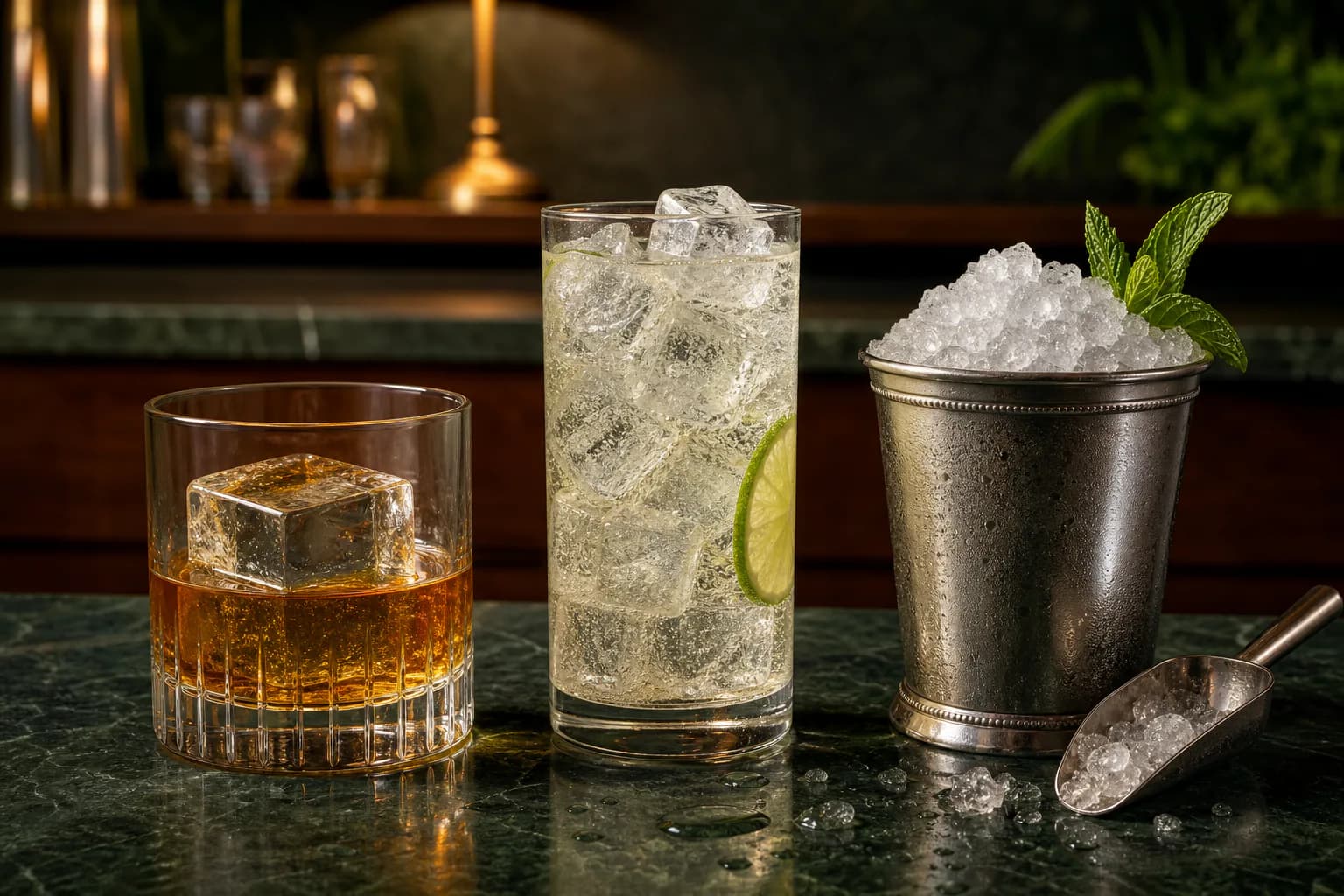
Cocktail ice: cubes, crushed ice and dilution
Understand why ice is an ingredient—and choose the right shape for every drink.
Read the guide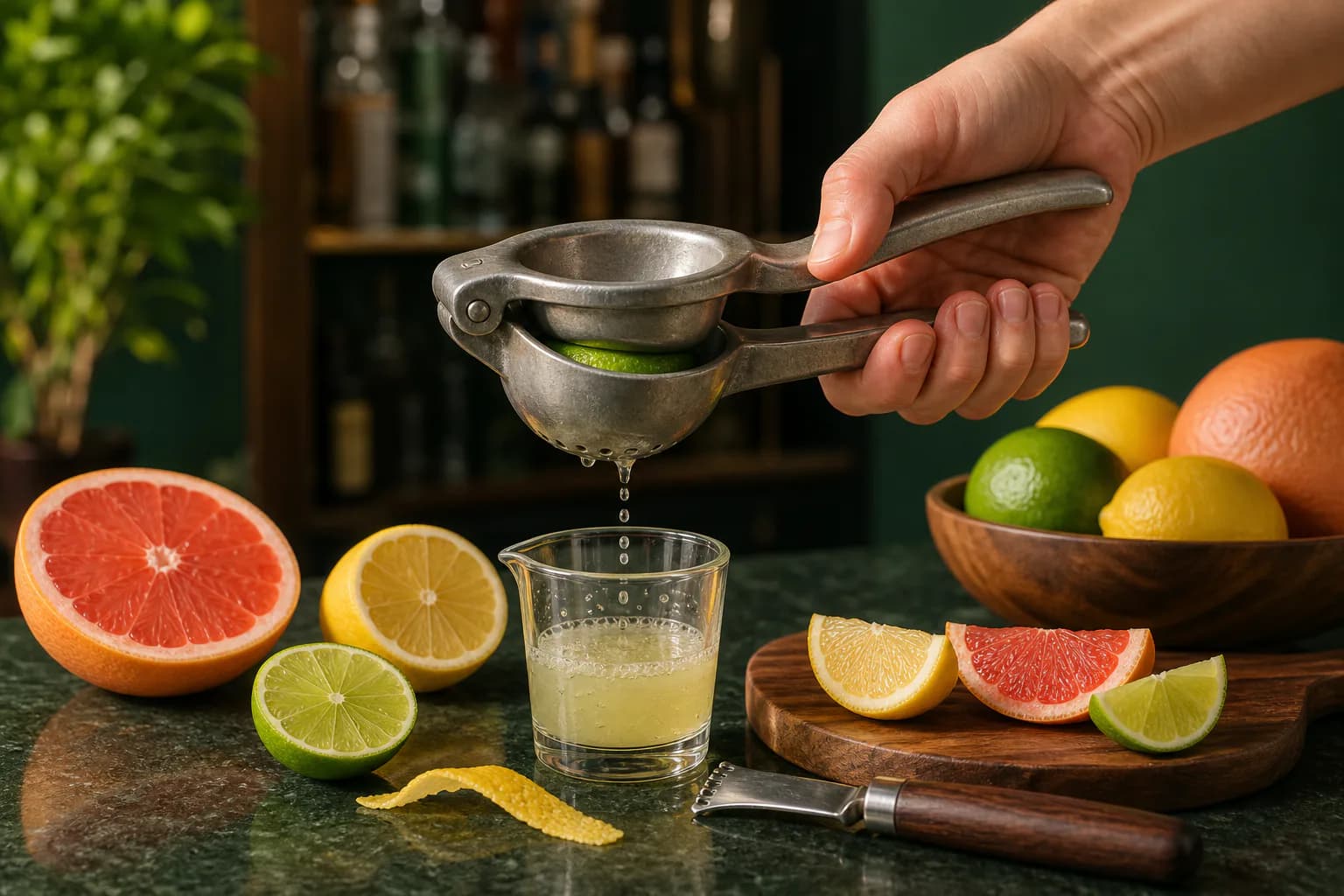
Fresh citrus for cocktails: juice, wedges and balance
Get brighter lime, lemon and grapefruit flavor with better prep and storage.
Read the guideWhere to go next
If you like the John Collins, try these.
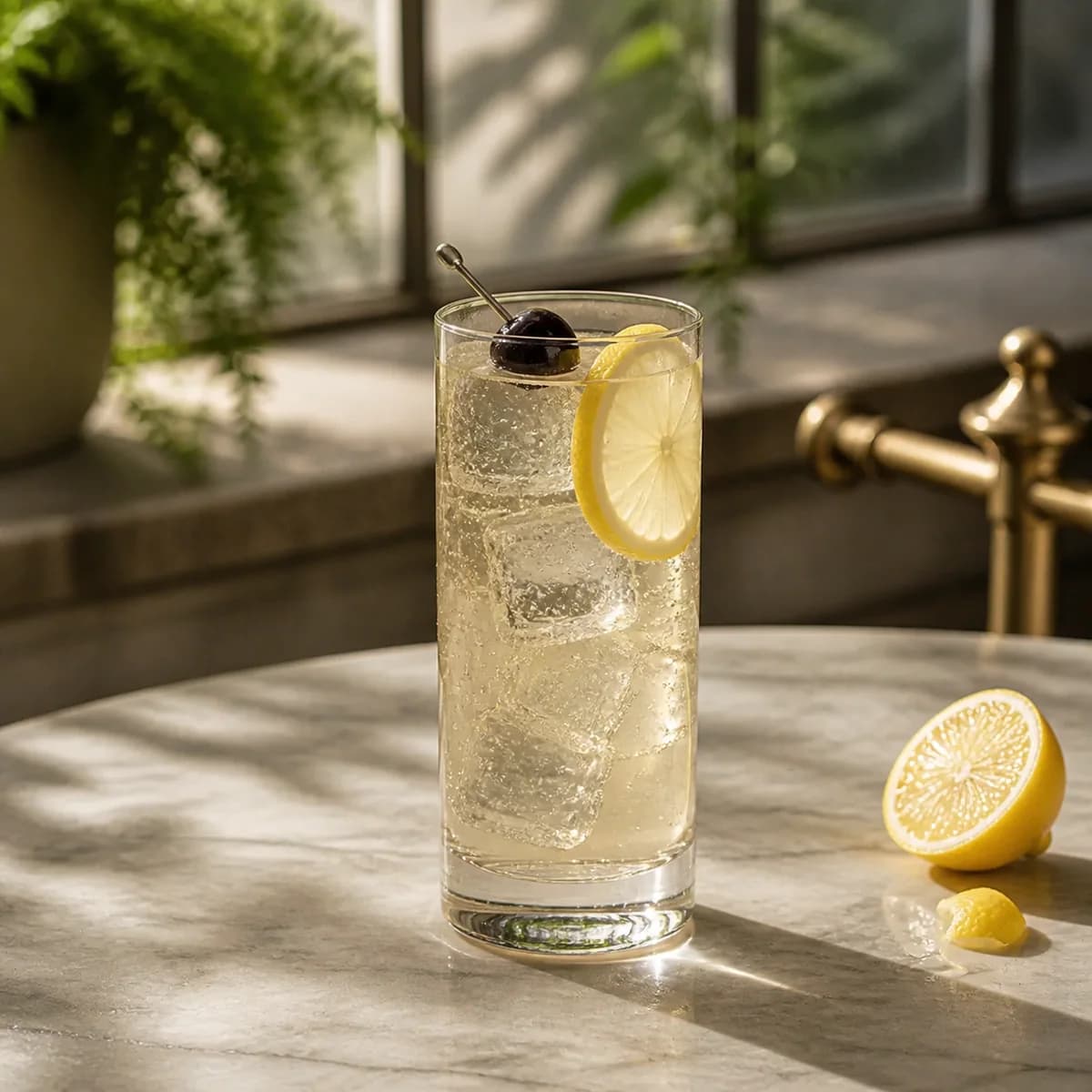
Tom Collins
The Tom Collins is a shaken gin lemonade: gin, lemon and sugar lengthened with soda water over ice. It is tall, fizzy and dangerously easy to drink on a warm evening.
View recipe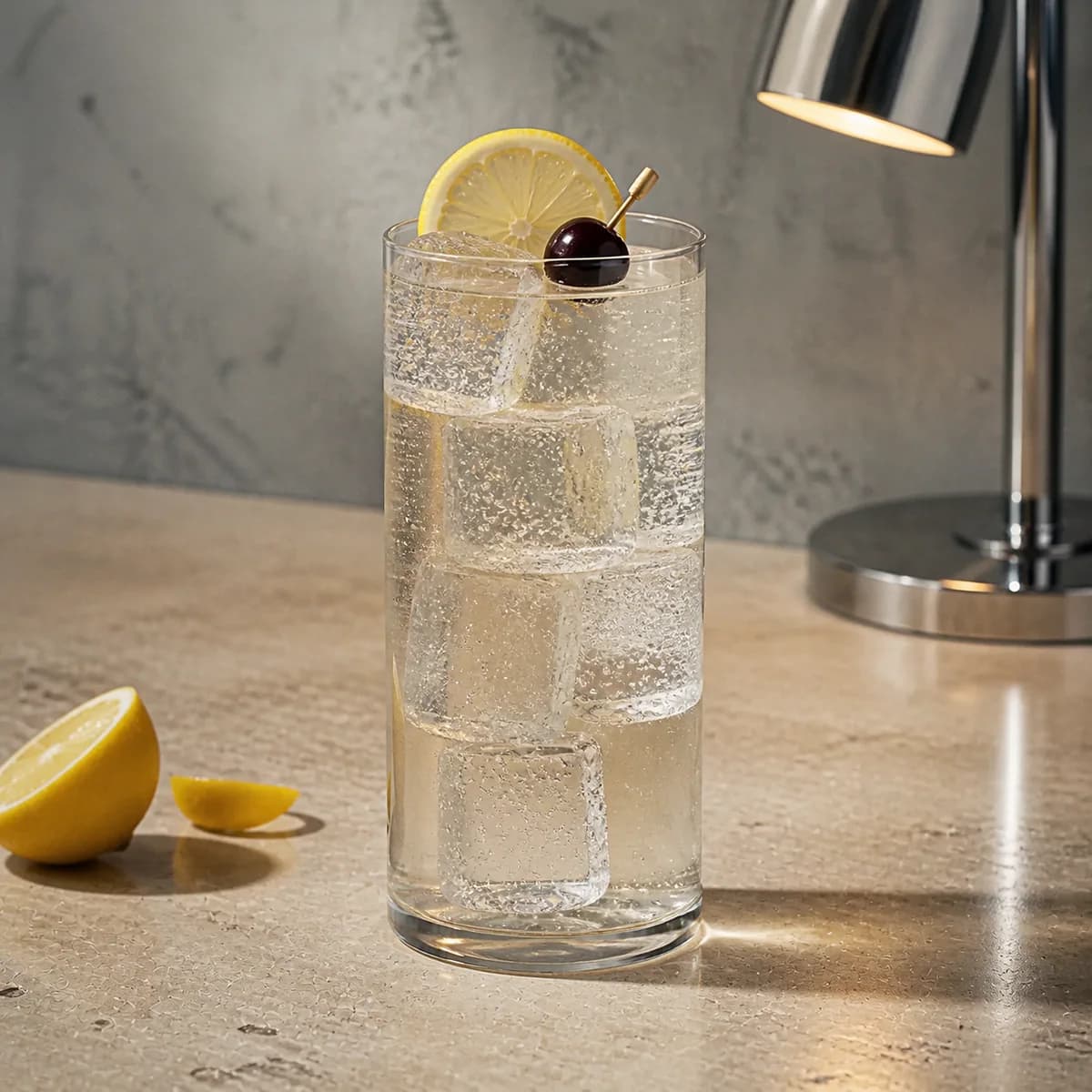
Vodka Collins
Same build as a Tom Collins with the gin taken out, which means the botanicals go with it. What's left is lemonade with a spine, and it disappears faster than 45 ml of vodka ought to.
View recipe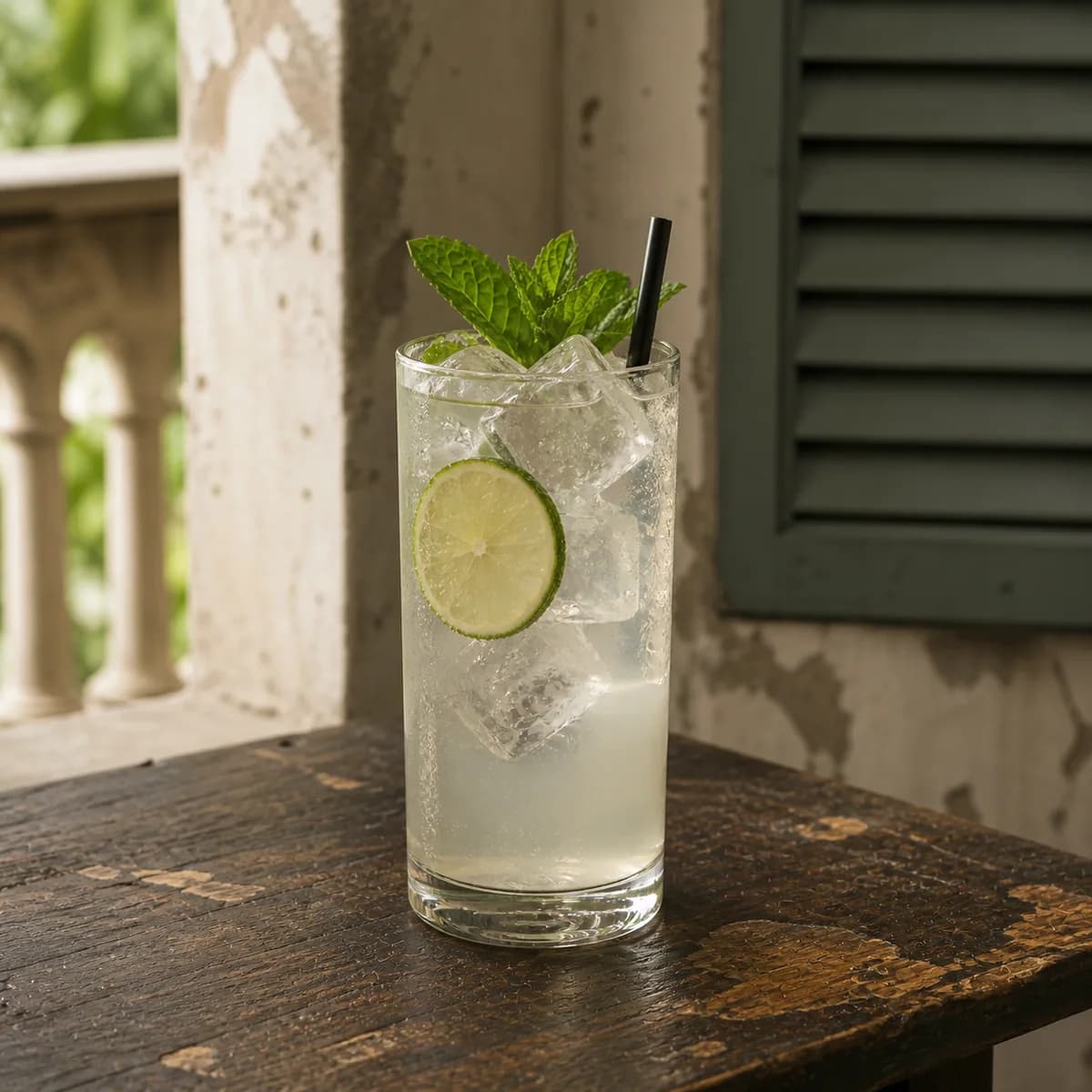
Rum Collins
Every Collins is the same tall build with a different bottle in it, and white rum makes this one rounder than gin does, with a thread of cane sugar surviving all the way through the soda.
View recipe