Classic cocktail · Guided recipe
Juan Collins
Start makingTequila does something strange in a Collins. With no orange liqueur and no salt to frame it, the agave's raw pepper comes straight through the soda, which is either the point or the problem depending on who's holding the glass.
In the glassTequila (blanco) · Fresh lemon juice · Simple syrup · Soda water
See exact amounts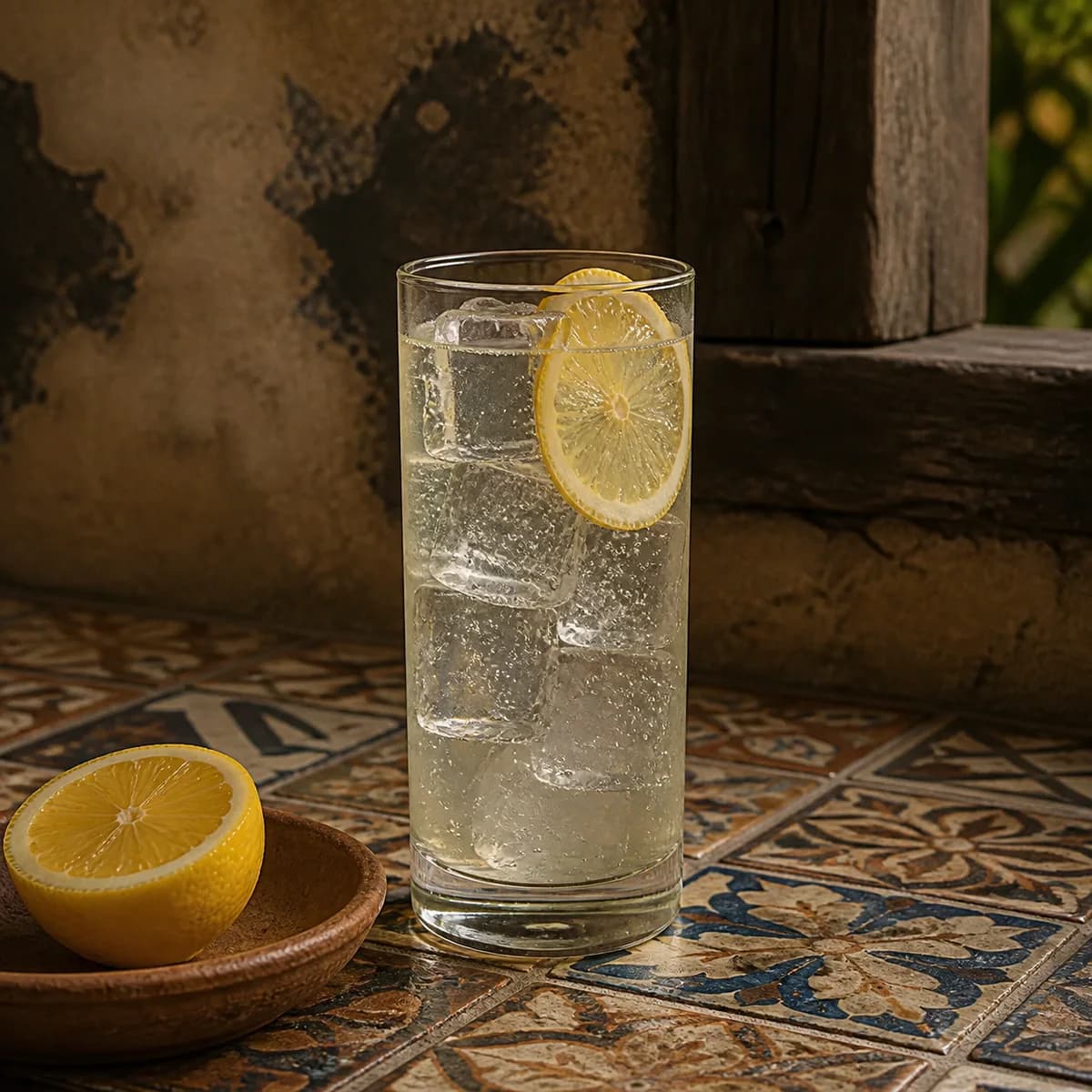
What goes in
Ingredients
Set up before you pour
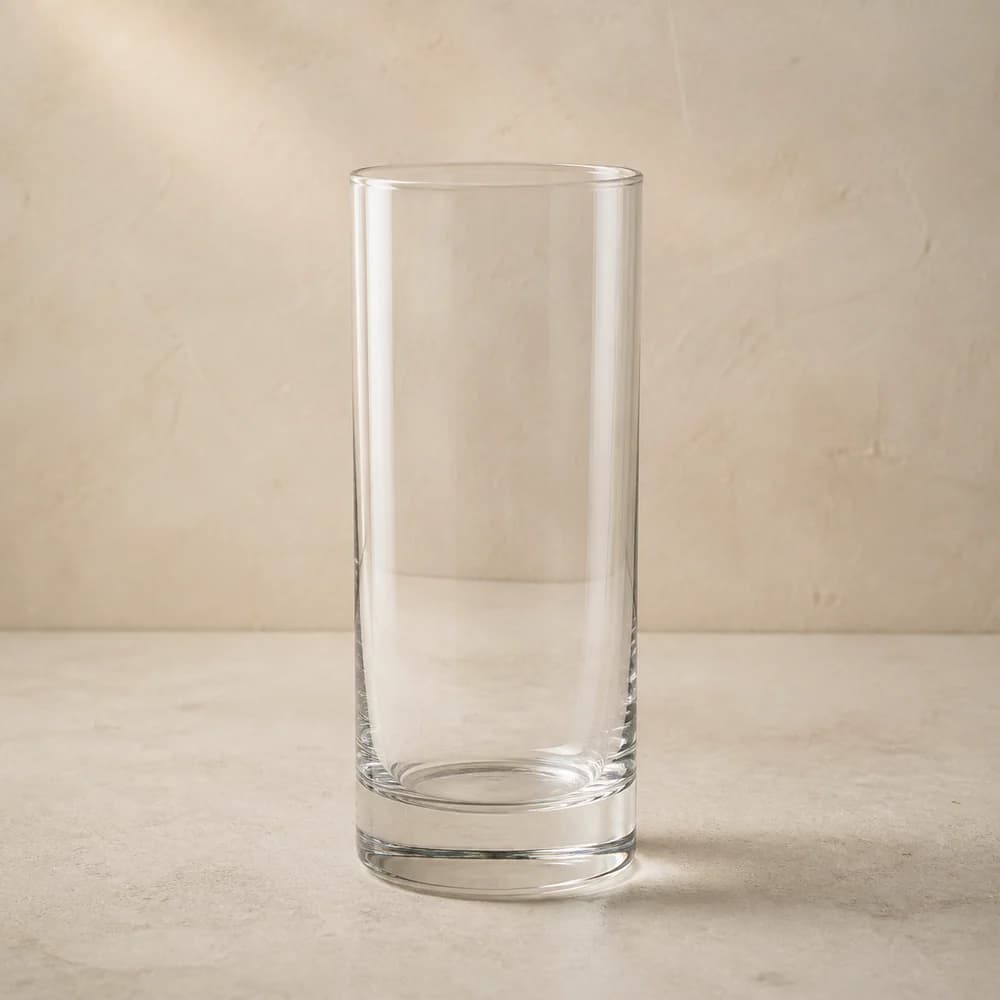
Use a highball glass.
The tall, straight shape leaves room for plenty of ice and mixer while keeping a long drink lively.
- Standard size
- 350 ml11¾ oz
- Ice & serve
- Fill it with fresh ice cubes.
- If you don’t own one
- Use a Collins glass or any tall, straight-sided tumbler.
- jigger or measuring spoon
- Tequila (blanco)45 ml
- Soda water60 ml
- Fresh lemon juice22 ml
- Simple syrup15 ml
From bottle to glass
Method
- 01
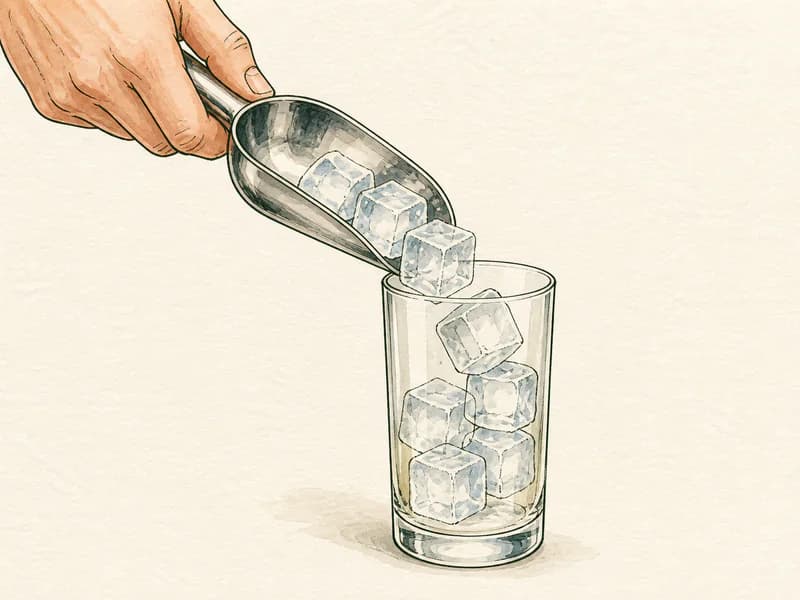
Ice the glass Fill the glass with ice
- 02
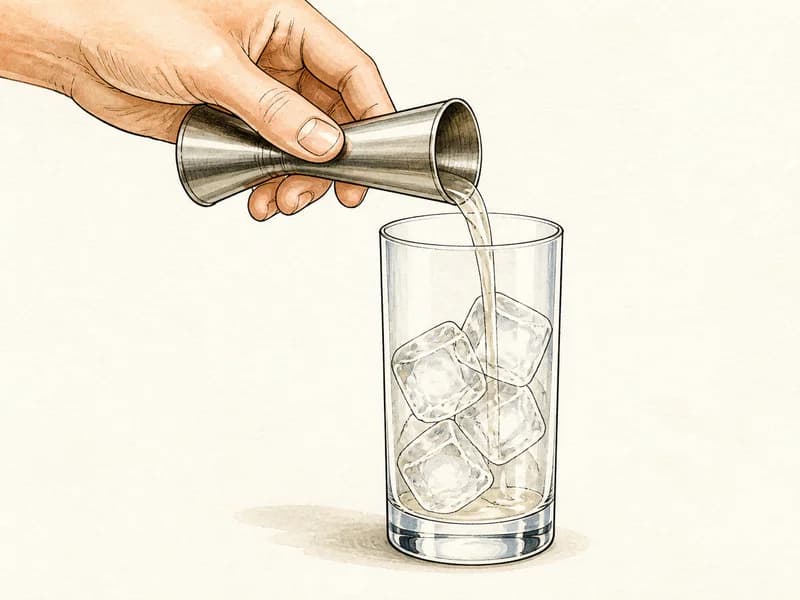
Measure and pour Pour 45 ml tequila
 Tequila (blanco)
- 03
Measure and pour Add 22 ml fresh lemon juice
 Fresh lemon juice
- 04
Measure and pour Add 15 ml simple syrup
 Simple syrup
- 05
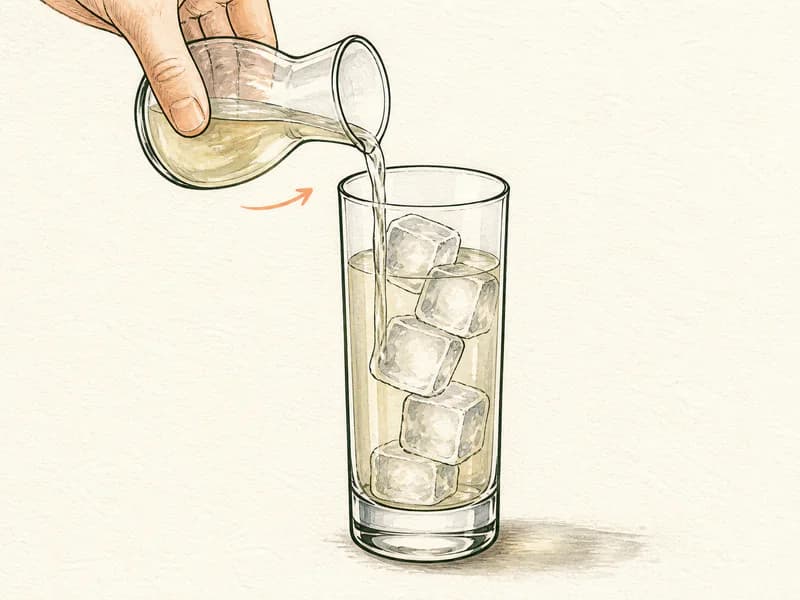
Top gently Top with 60 ml soda water
 Soda water
- 06
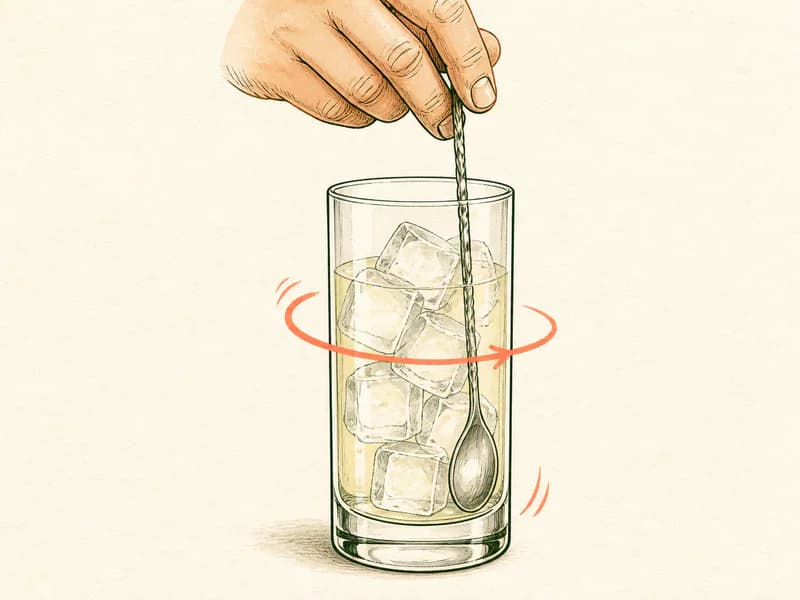
Stir around the ice Stir gently to combine
- 07
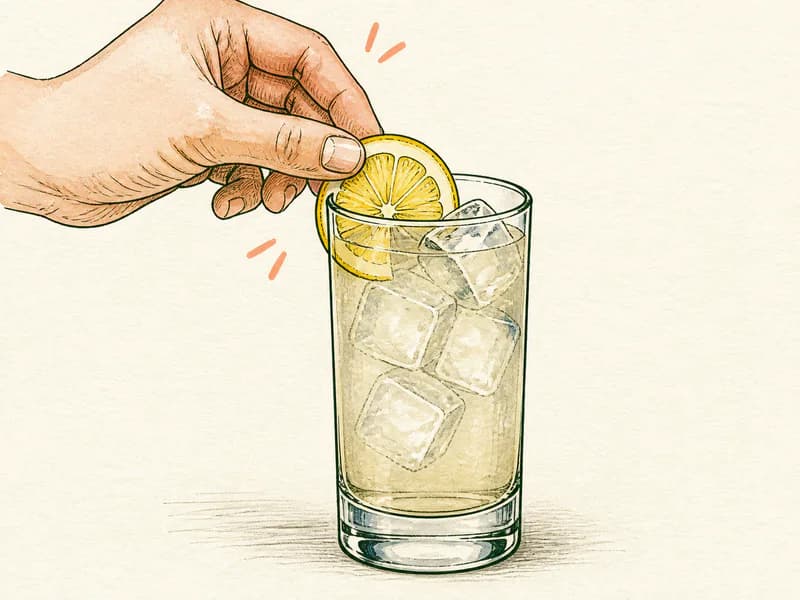
Finish the drink Finish it — add a lemon slice
Know your drink
About the Juan Collins
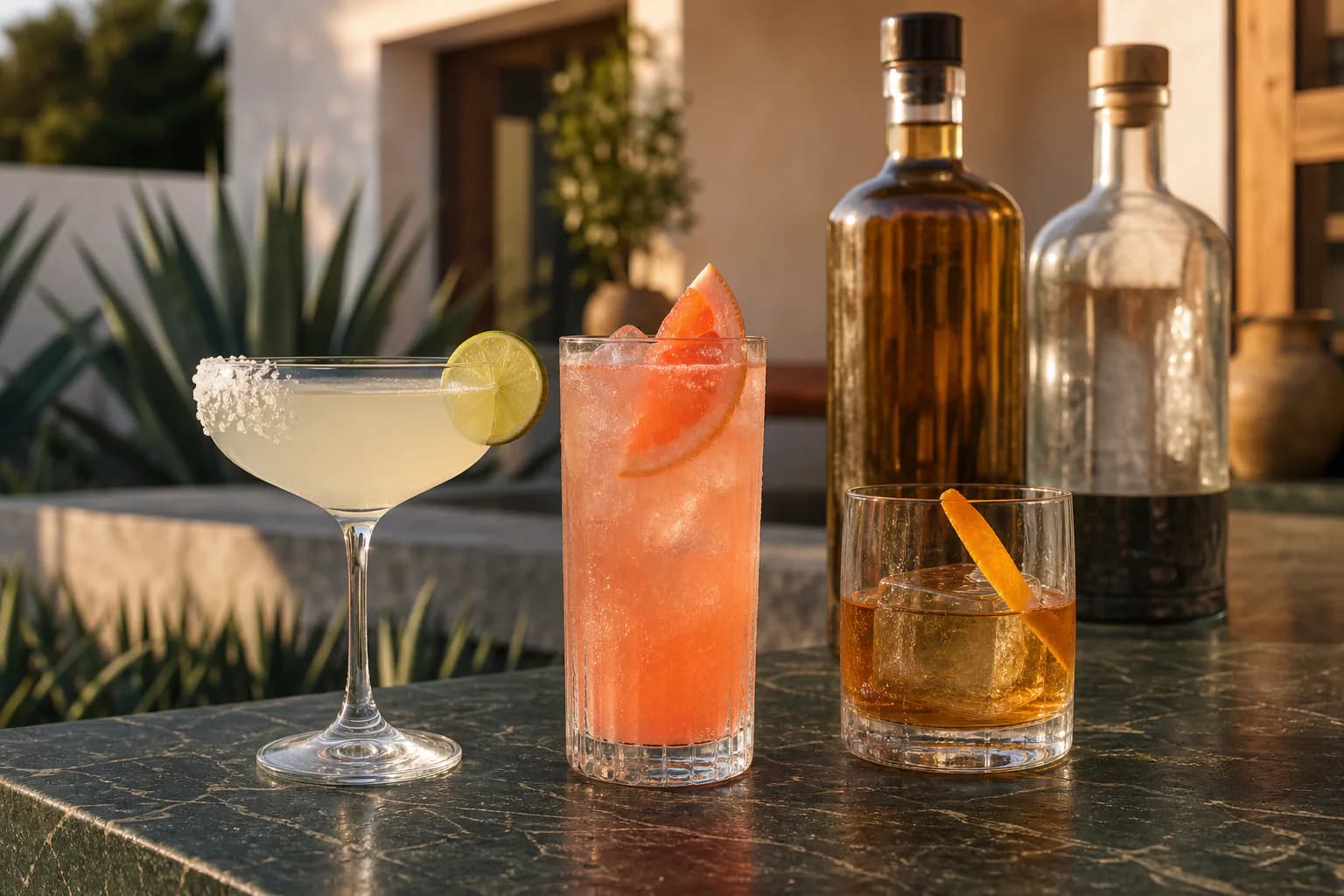
Collins, Paloma, Ranch Water
Three tall agave drinks sit very close together. Juan Collins is lemon, sugar and soda. Ranch Water is lime and mineral water with nothing sweet in it at all. Paloma is grapefruit soda and a salted rim. Same spirit, three genuinely different drinks, and the Collins is the roundest and sweetest of the set.
Name is a straight joke on Tom Collins, which was gin. John Collins took whiskey. Nobody has a real claim on inventing the tequila one, and you will find it written with lime as often as lemon. Lemon is the version that keeps it recognizably a Collins rather than a long, thin Margarita.
Common questions
Juan Collins FAQ
Does the bottle have to say 100% agave?
It should. Anything missing that line is a mixto, where up to 49 percent of the sugars come from cane rather than blue agave. A Margarita papers over that with orange liqueur and salt. Here you have lemon and bubbles and nowhere at all to hide.
Is this a Margarita in a tall glass?
No, and the differences stack up. Lemon rather than lime, sugar syrup rather than orange liqueur, and 60 ml of soda on top. What you get is longer and much drier, closer to a lemonade with agave underneath it than to a proper sour.
Can I use agave syrup instead of sugar syrup?
Yes, and it doubles down on the spirit. Agave nectar is sweeter than simple syrup, so pour about 10 ml instead of 15, and thin it with a splash of water first or it will sit at the bottom of the glass in a lump.
No highball glass. What else works?
Anything tall and narrow, around 300 ml. A pint glass is fine, a wide tumbler is not, because it gives the soda too much surface and the drink goes flat quickly. Whatever you use, fill it to the rim with ice rather than halfway.
What ingredients are in a Juan Collins?
A classic Juan Collins calls for 45 ml (1.5 oz) Tequila, 22 ml (0.75 oz) Fresh lemon juice, 15 ml (0.5 oz) Simple syrup, 60 ml (2 oz) Soda water. That single-serve spec scales cleanly — the recipe above converts it to oz and multiplies it for 2–4 drinks.
How strong is a Juan Collins?
A standard Juan Collins is roughly 13% ABV once mixed (before ice melt softens it further). That makes it about as strong as a glass of wine.
Is a Juan Collins shaken or stirred?
A Juan Collins is built directly in the glass over ice — no shaker required. Add the ingredients in order and give it a brief, gentle stir.
Sharpen the technique
Skills used in this recipe
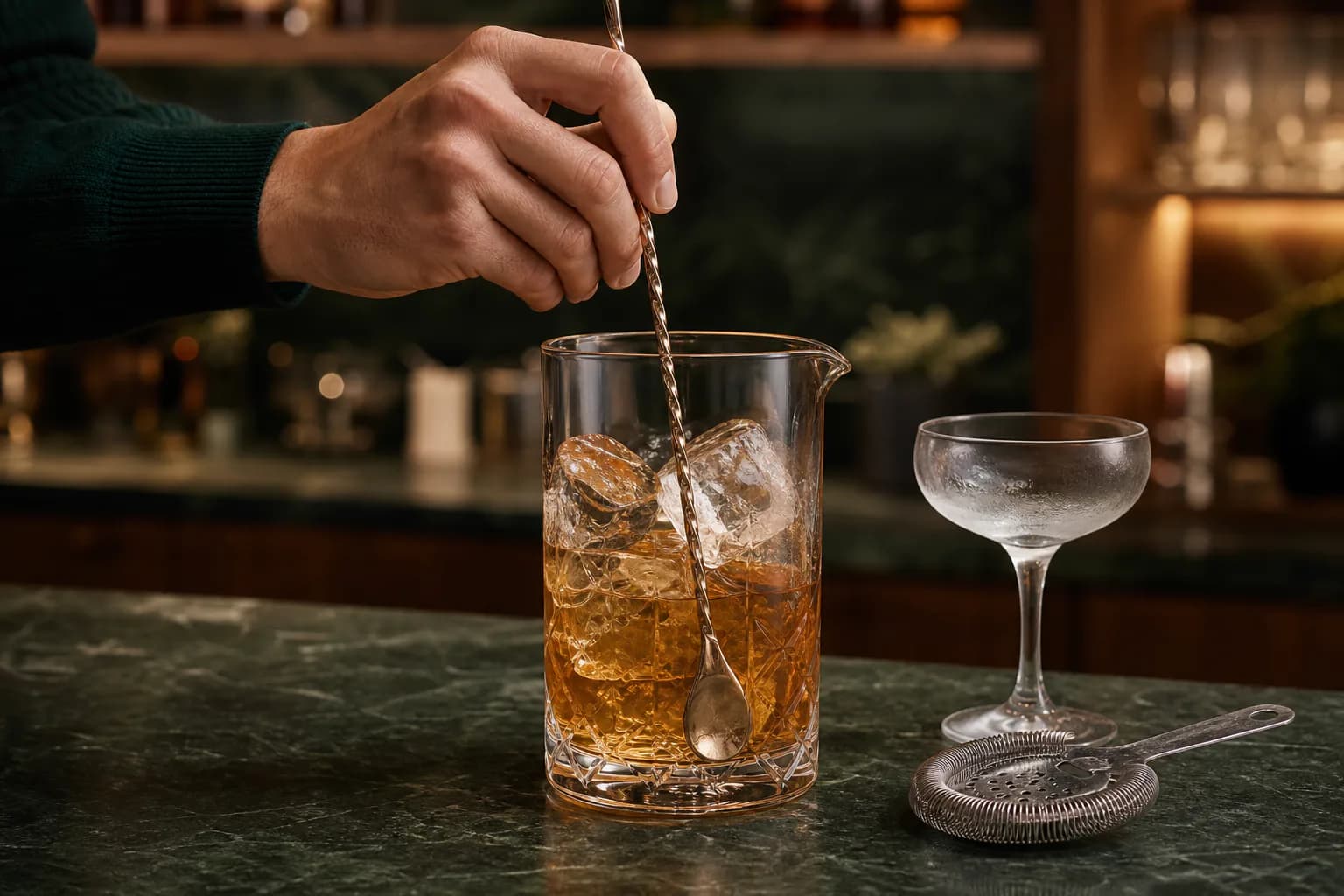
How to stir a cocktail for a silky finish
Control chilling and dilution without adding the bubbles and texture of a shake.
Read the guide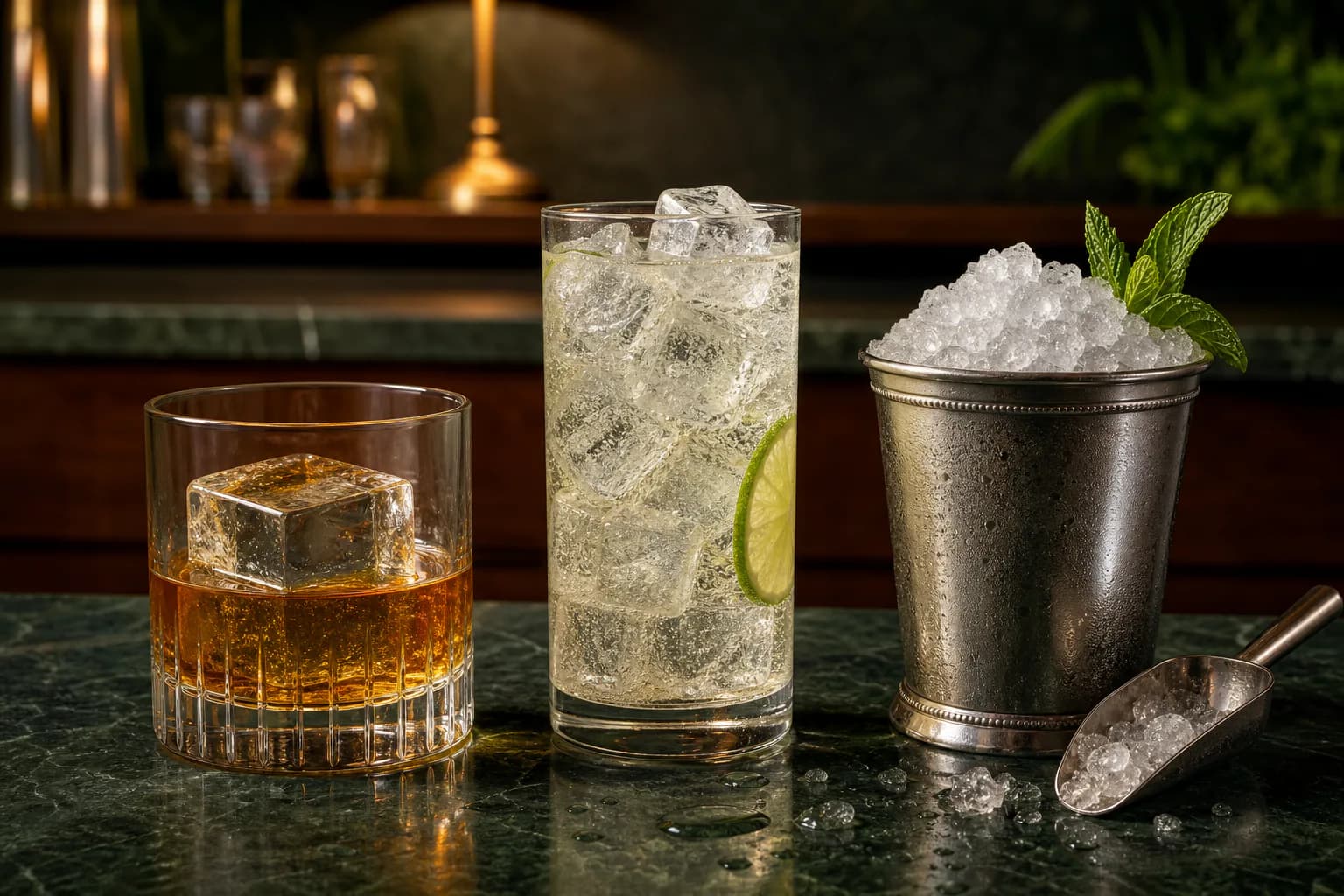
Cocktail ice: cubes, crushed ice and dilution
Understand why ice is an ingredient—and choose the right shape for every drink.
Read the guide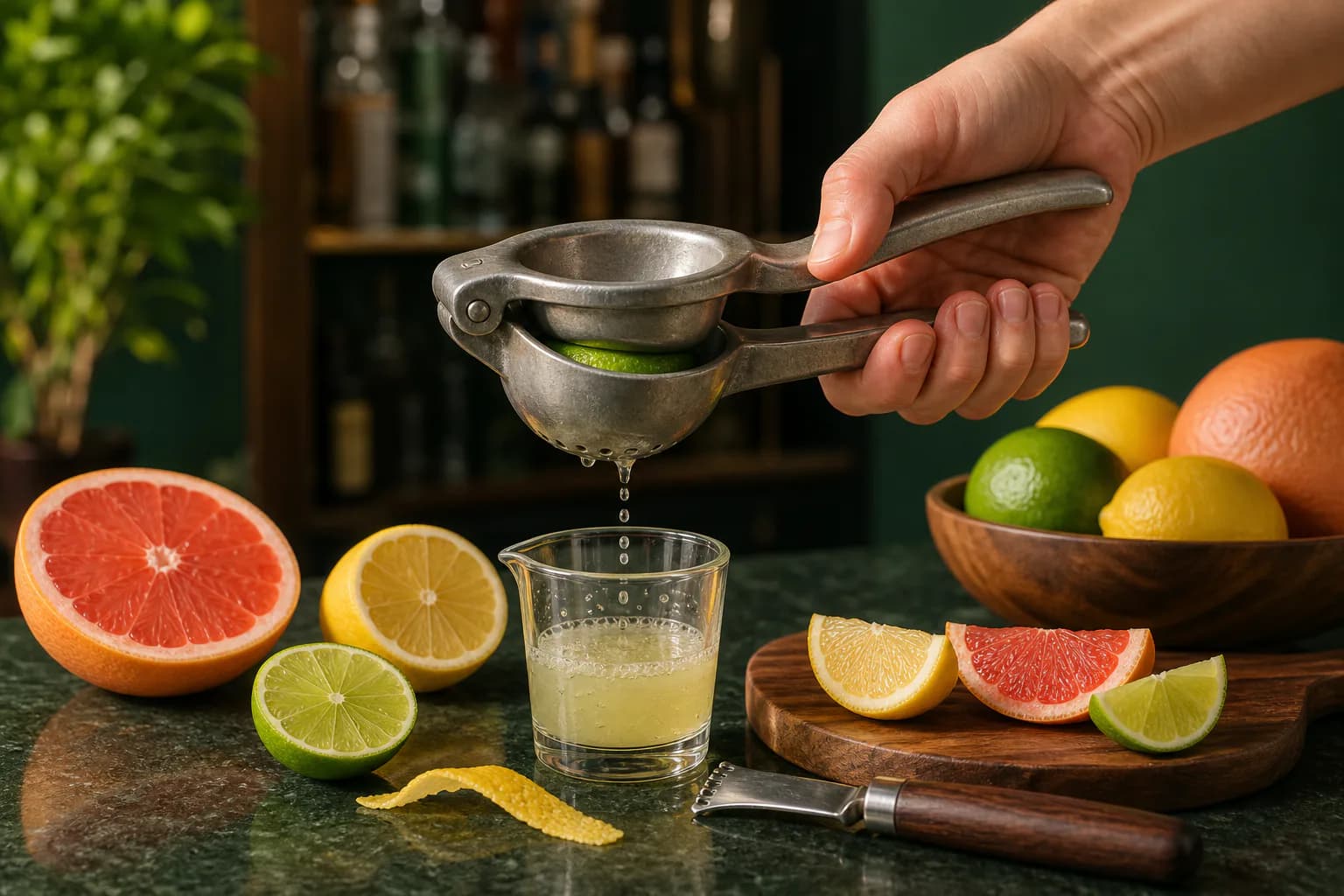
Fresh citrus for cocktails: juice, wedges and balance
Get brighter lime, lemon and grapefruit flavor with better prep and storage.
Read the guideWhere to go next
If you like the Juan Collins, try these.
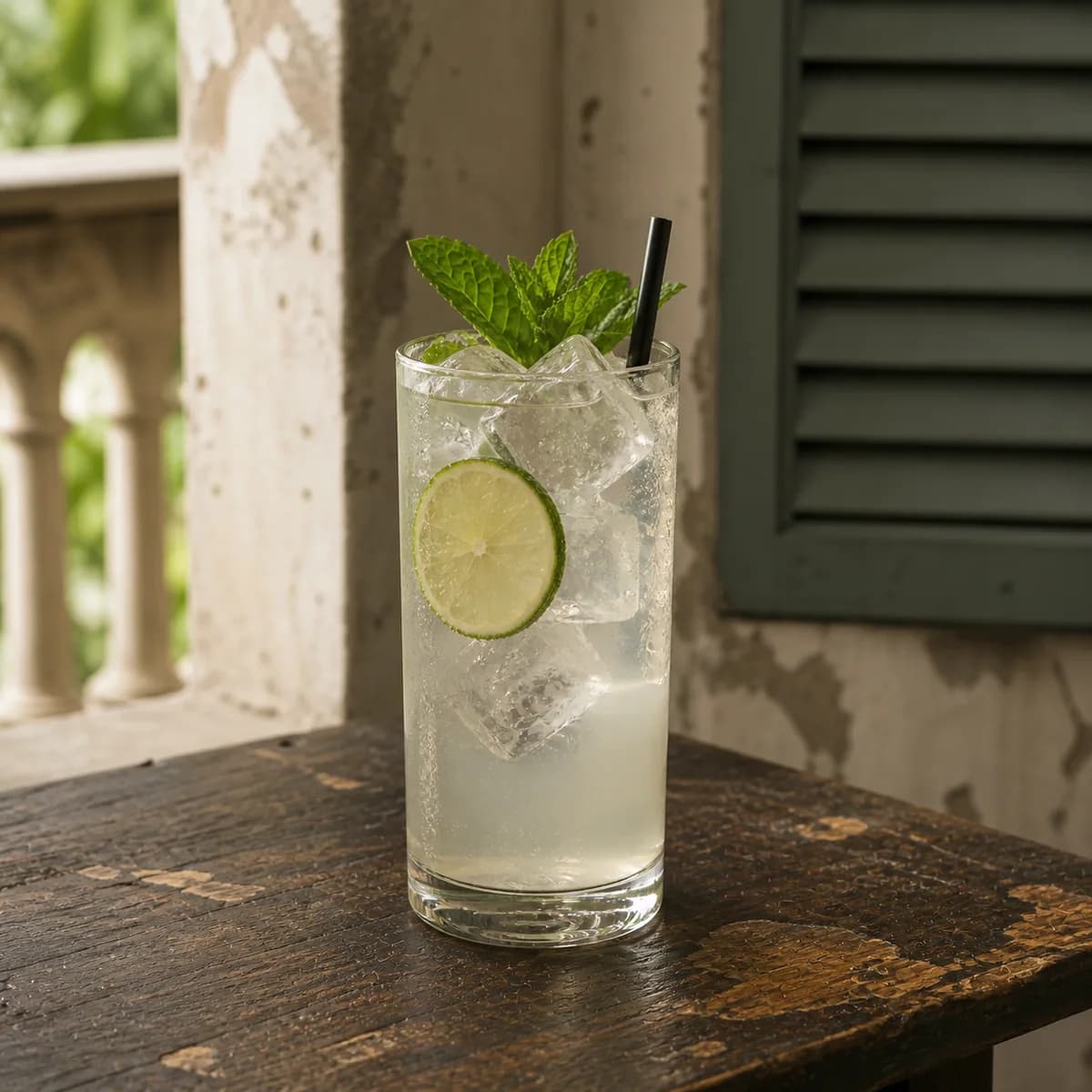
Rum Collins
Every Collins is the same tall build with a different bottle in it, and white rum makes this one rounder than gin does, with a thread of cane sugar surviving all the way through the soda.
View recipe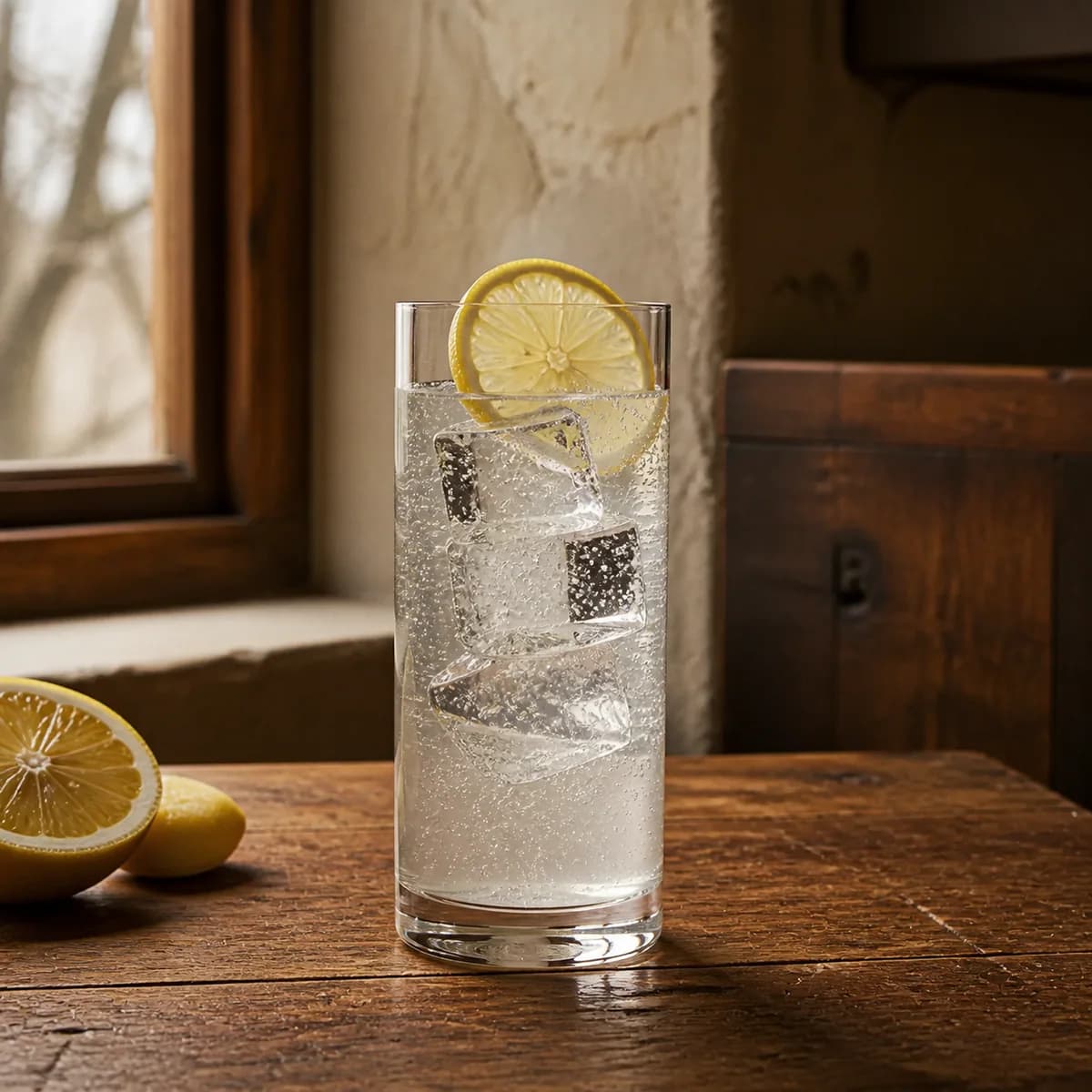
Pisco Collins
Pisco Sour without the egg white, stretched with soda and served long. The grape spirit's floral, slightly waxy character reads much more clearly here than it does under a foam cap, and the build drops about three steps.
View recipe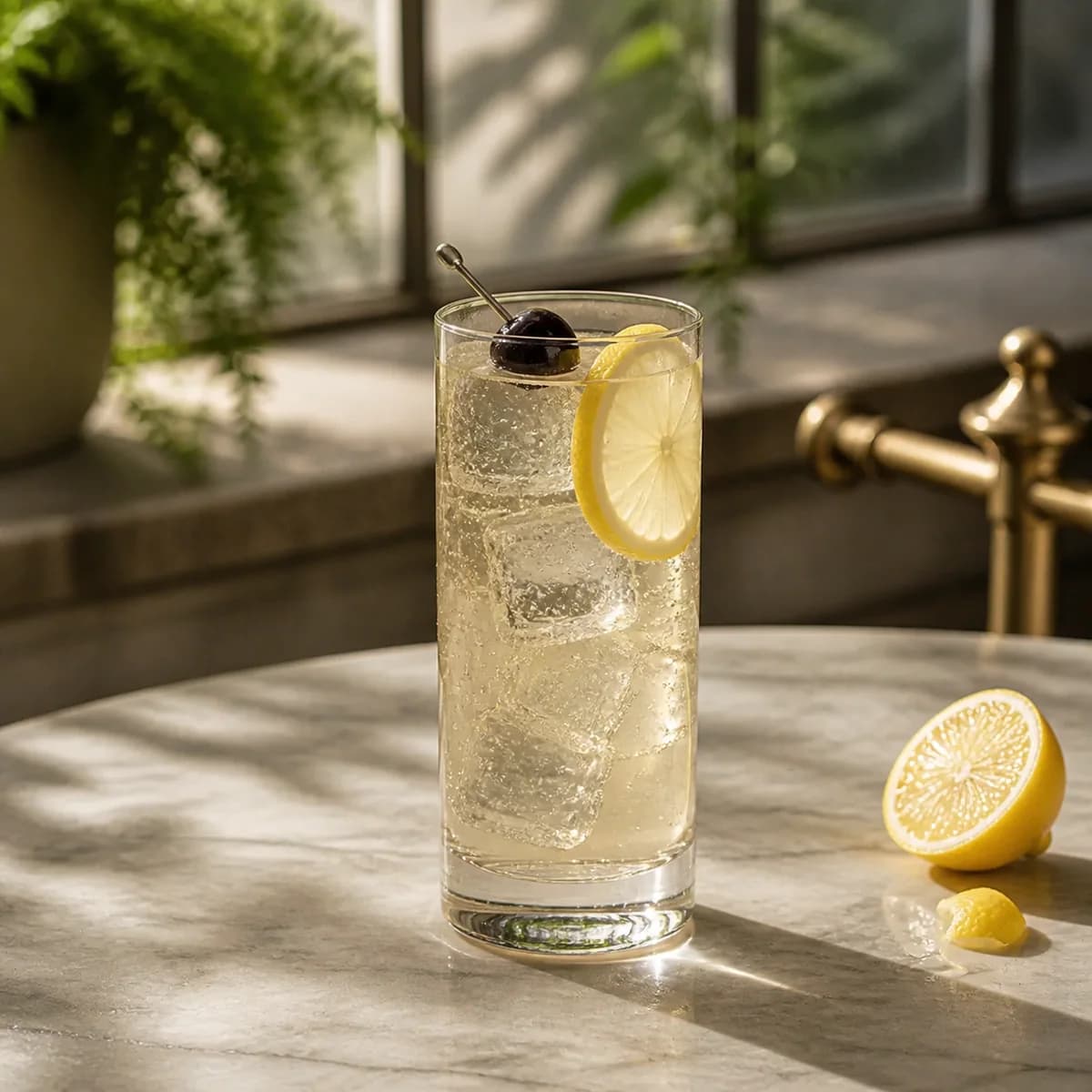
Tom Collins
The Tom Collins is a shaken gin lemonade: gin, lemon and sugar lengthened with soda water over ice. It is tall, fizzy and dangerously easy to drink on a warm evening.
View recipe