Classic cocktail · Guided recipe
Leap Year
Start makingHarry Craddock mixed this for the leap-year party at the Savoy in 1928: gin, Grand Marnier and sweet vermouth with a squeeze of lemon.
In the glassGin · Grand Marnier · Sweet vermouth · Fresh lemon juice
See exact amounts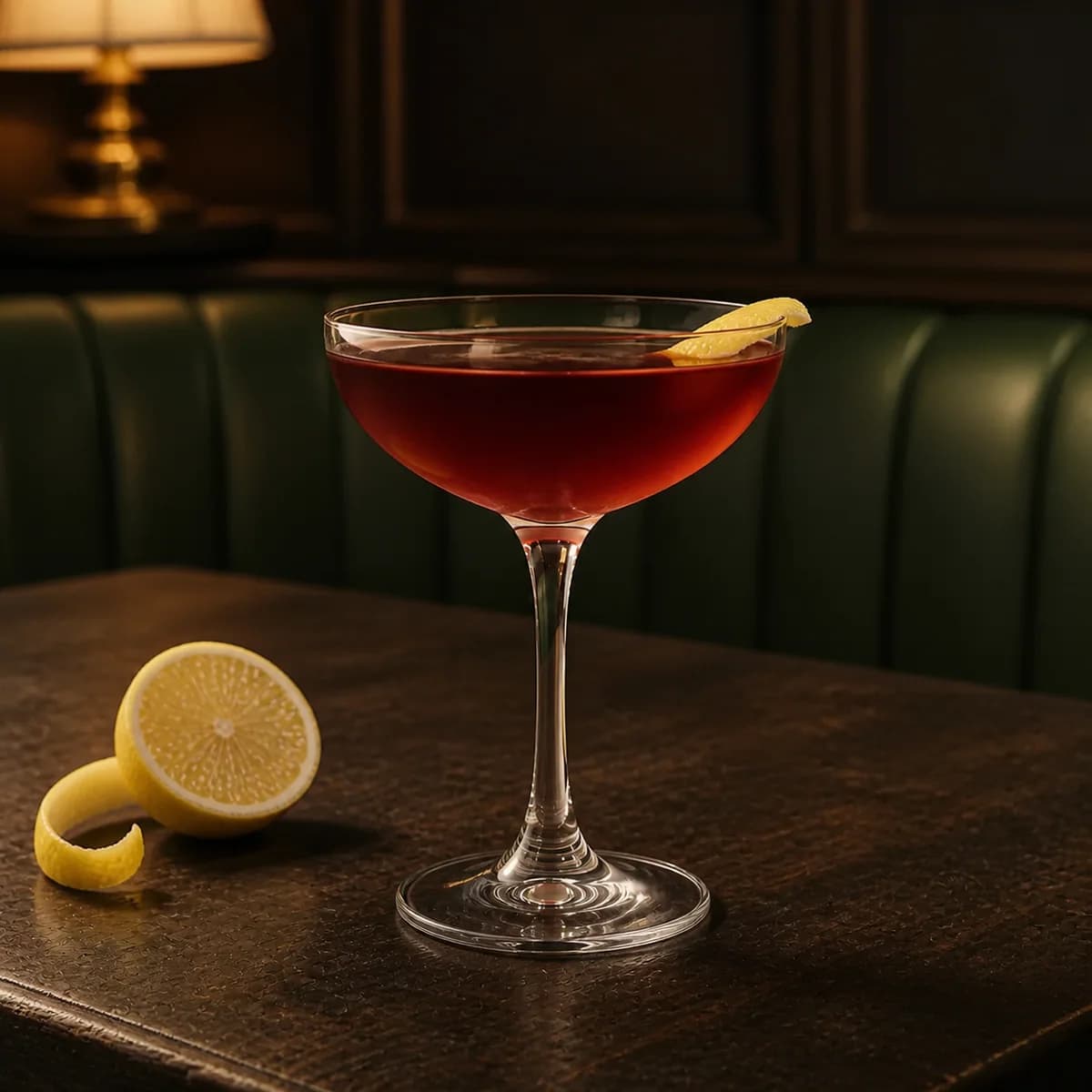
What goes in
Ingredients
Set up before you pour
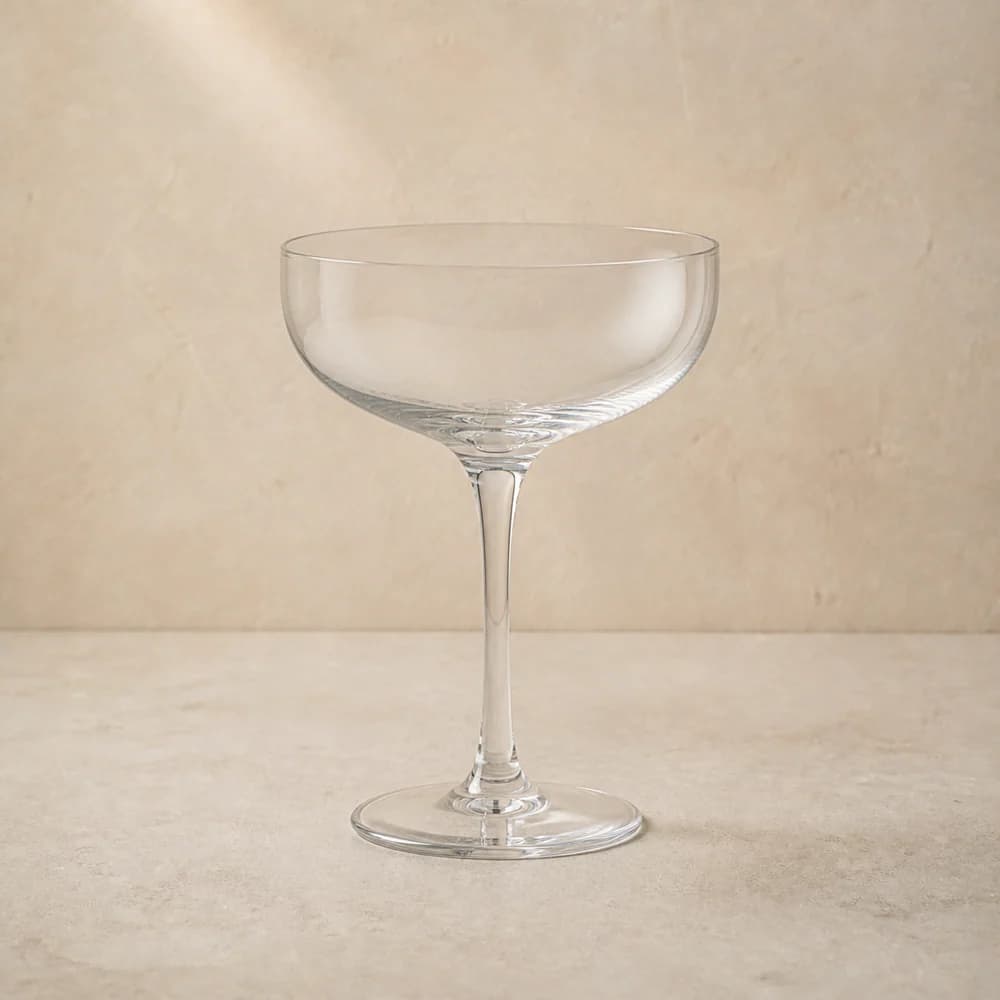
Use a coupe glass.
The stem keeps your hand away from a cold drink, while the rounded bowl makes an up serve easy to sip.
- Standard size
- 200 ml6¾ oz
- Ice & serve
- Chill it first; serve without ice.
- If you don’t own one
- Use a small martini glass or stemmed dessert glass.
- cocktail shaker
- strainer (or a small sieve)
- jigger or measuring spoon
- Gin45 ml
- Grand Marnier15 ml
- Sweet vermouth15 ml
- Fresh lemon juice4 ml

From bottle to glass
Method
- 01
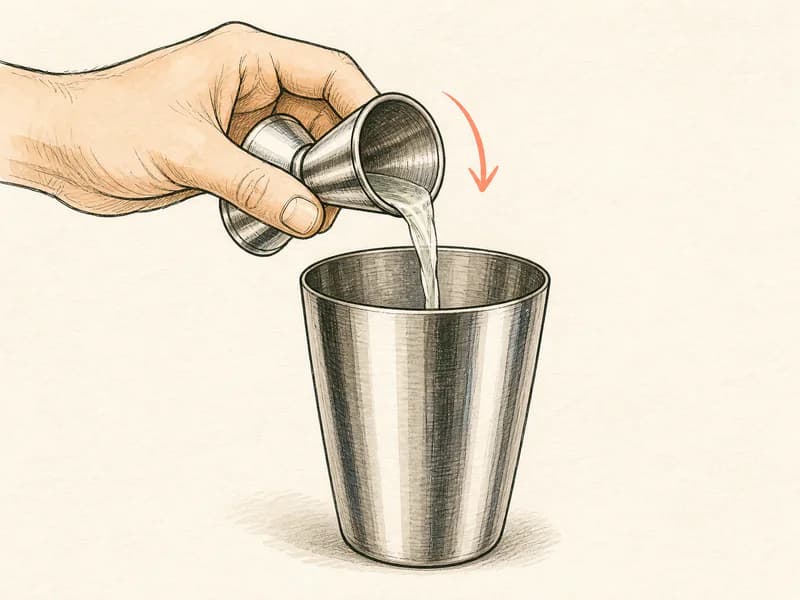
Measure into the shaker Pour 45 ml gin into your shaker
 Gin
Gin
- 02
Measure into the shaker Add 15 ml grand marnier
 Grand Marnier
- 03
Measure into the shaker Add 15 ml sweet vermouth
- Sweet vermouth
- 04
Measure into the shaker Add 4 ml fresh lemon juice
 Fresh lemon juice
- 05
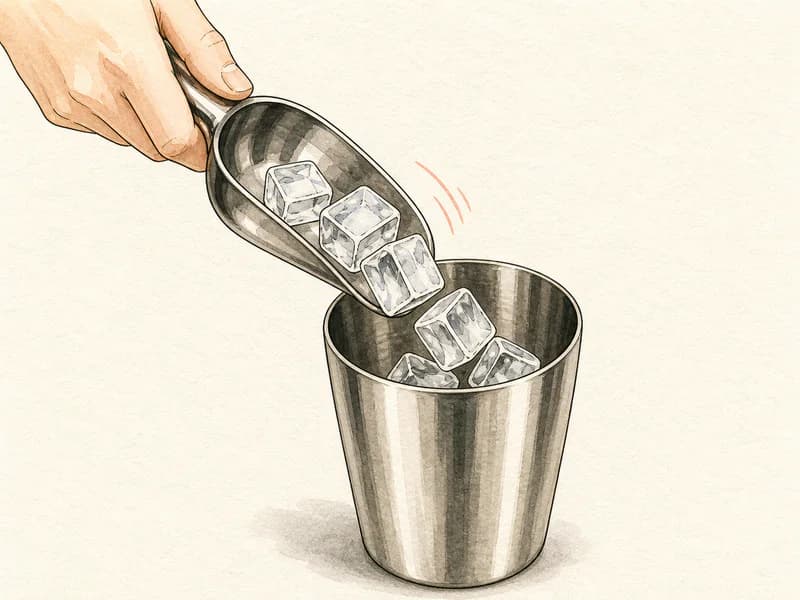
Ice the shaker Fill the shaker with ice
- 06
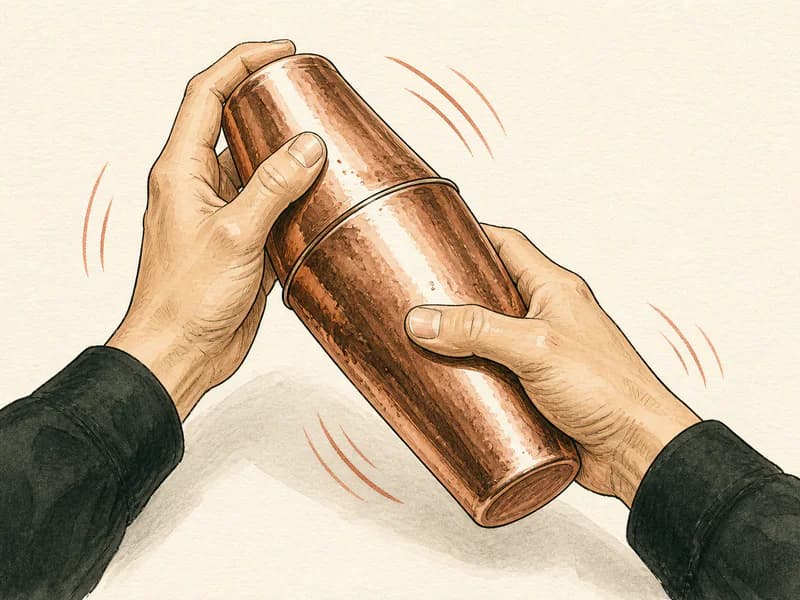
Seal and shake Seal and shake hard
- 07
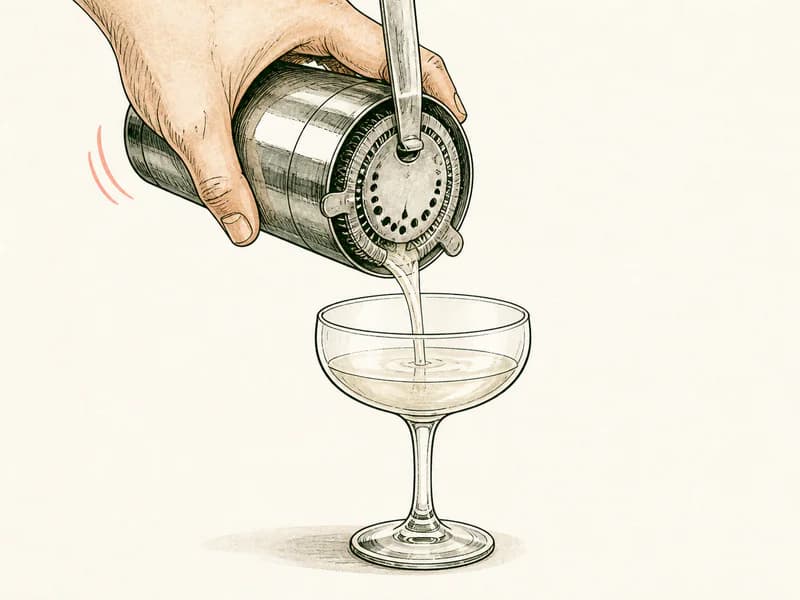
Strain cleanly Strain into a chilled glass — no ice
- 08
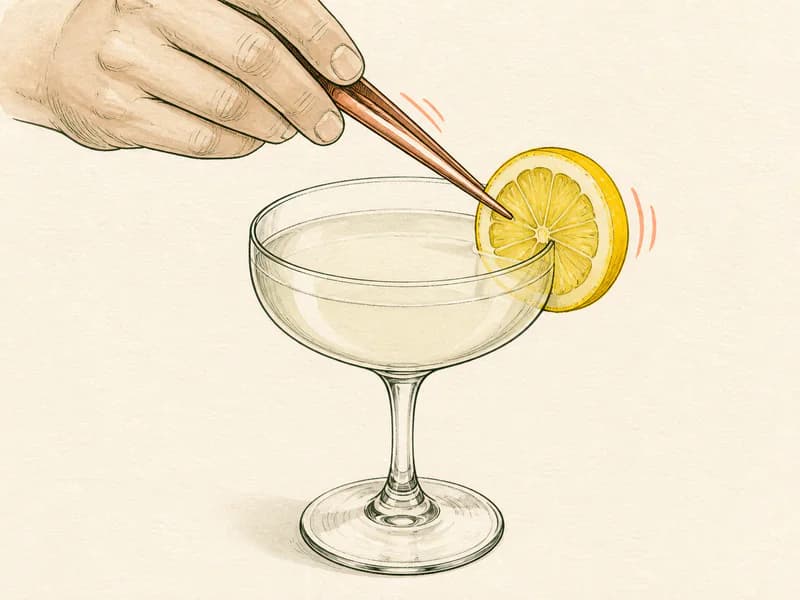
Finish the drink Finish it — add a lemon slice
Know your drink
About the Leap Year
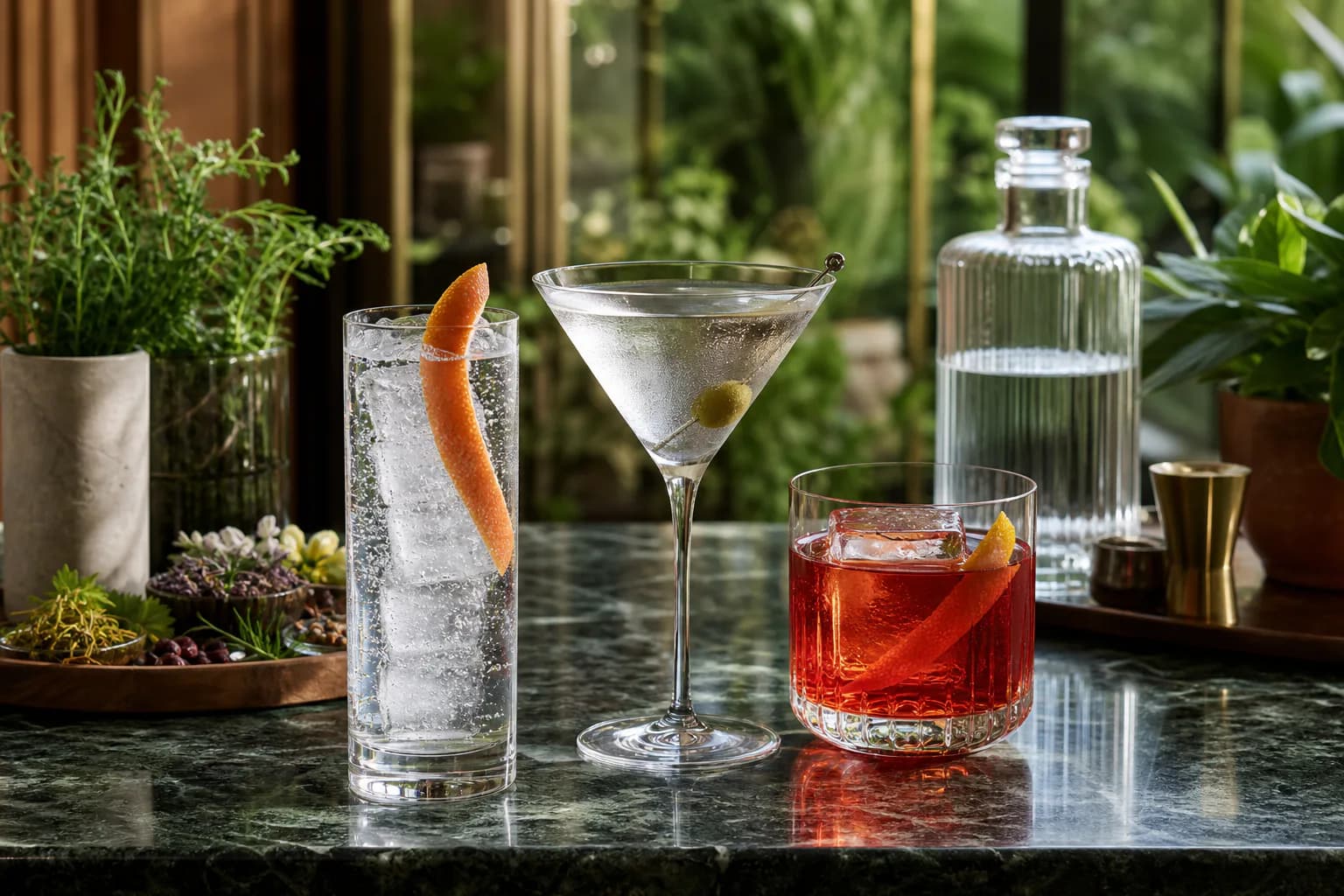
Savoy, February 1928
Craddock's own book is the only source for this one. The Savoy Cocktail Book says he mixed it for the leap year celebration of 29 February 1928, and claims it has been responsible for more proposals than any other cocktail ever mixed, which is the sort of line a bar book writes about itself. What survives regardless is the ratio: two-thirds gin, one-sixth each of Grand Marnier and sweet vermouth, and a dash of lemon.
Common questions
Leap Year FAQ
Can I pull some of the sugar out without losing the orange?
Take the Grand Marnier to 10 ml and put 5 ml more gin in its place, leaving the vermouth alone. You keep the orange and shed about a third of the sweetness. Cut further and you have a Martini with an orange accent, which is a good drink but a different one.
Is a single dash of lemon really enough?
Yes, and that's the point of it. Those 4 ml aren't there to make a sour, they're there to stop the vermouth and the orange liqueur going flabby. Push past about 10 ml and you lose the rich, faintly syrupy character the drink is known for.
Two-thirds gin, one-sixth each of the other two. Why sixths?
Because the modifiers are meant to be felt rather than tasted separately. Fifteen milliliters is the point where Grand Marnier and sweet vermouth stop reading as themselves and start reading as weight behind the gin. Push either to 22 ml and it steps forward, and the drink tips from spirit-led to liqueur-led.
What ingredients are in a Leap Year?
A classic Leap Year calls for 45 ml (1.5 oz) Gin, 15 ml (0.5 oz) Grand Marnier, 15 ml (0.5 oz) Sweet vermouth, 4 ml (0.25 oz) Fresh lemon juice. That single-serve spec scales cleanly — the recipe above converts it to oz and multiplies it for 2–4 drinks.
How strong is a Leap Year?
A standard Leap Year is roughly 33% ABV once mixed (before ice melt softens it further). That makes it spirit-forward — closer to a Martini than to a beer, so sip it slowly.
Is a Leap Year shaken or stirred?
A Leap Year is shaken — the rule of thumb is to shake anything with citrus juice. About 13 seconds with plenty of ice chills and dilutes it correctly.
What glass do you serve a Leap Year in?
Serve a Leap Year in a chilled coupe glass, well chilled — this drink is served without ice, so a cold glass keeps it cold.
Sharpen the technique
Skills used in this recipe
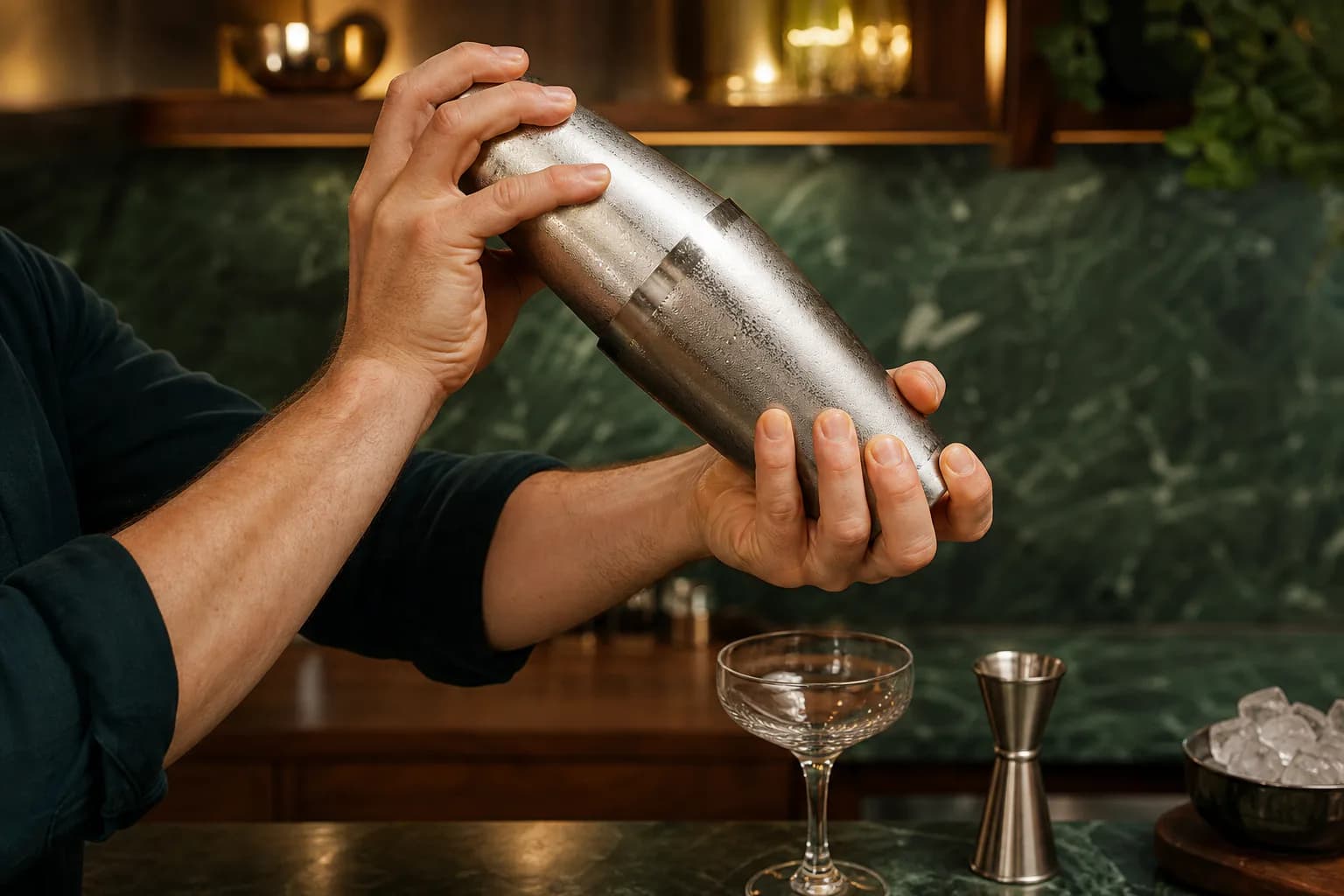
How to shake a cocktail properly
The grip, timing, ice and visual cues that make shaken drinks colder and brighter.
Read the guide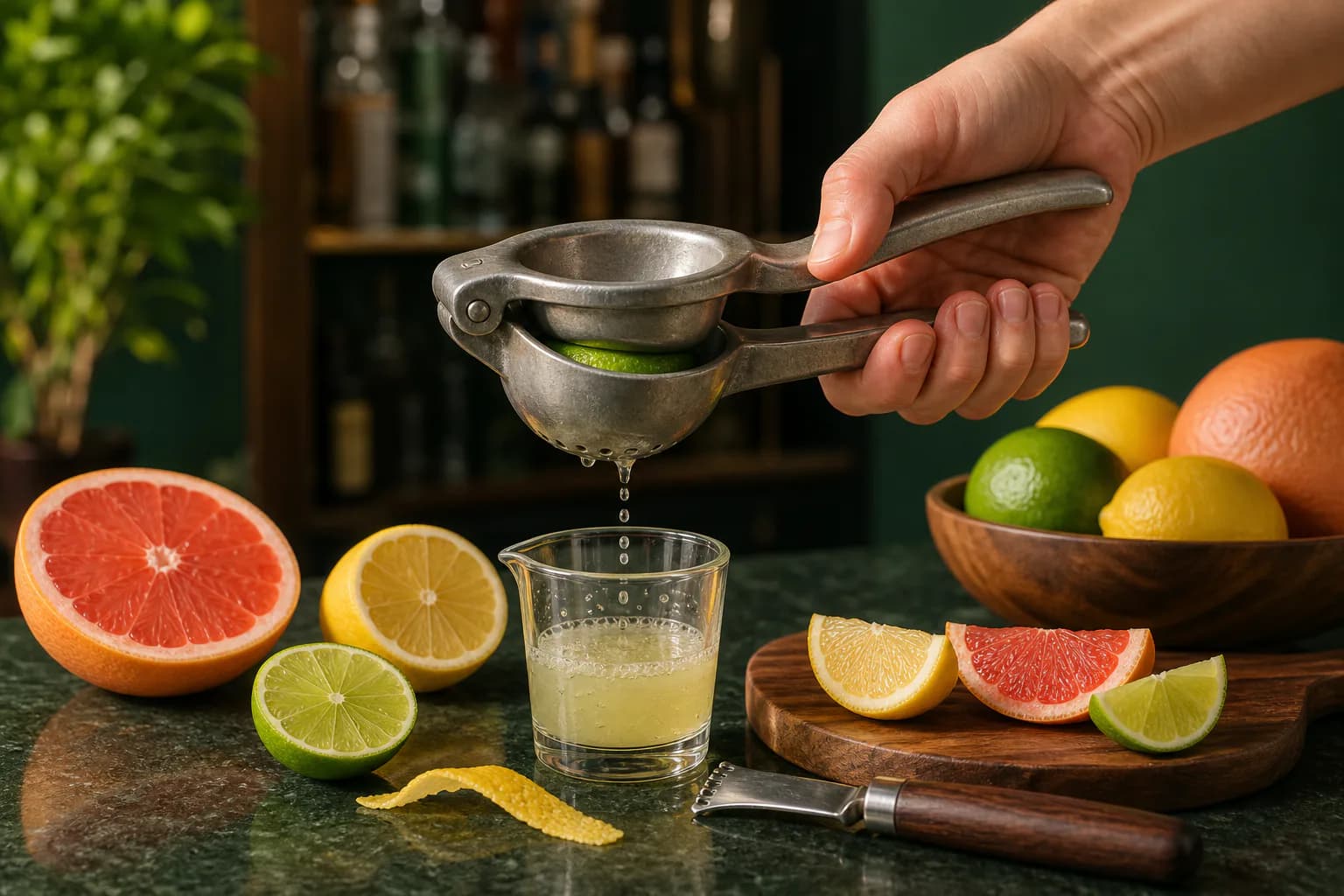
Fresh citrus for cocktails: juice, wedges and balance
Get brighter lime, lemon and grapefruit flavor with better prep and storage.
Read the guideWhere to go next
If you like the Leap Year, try these.
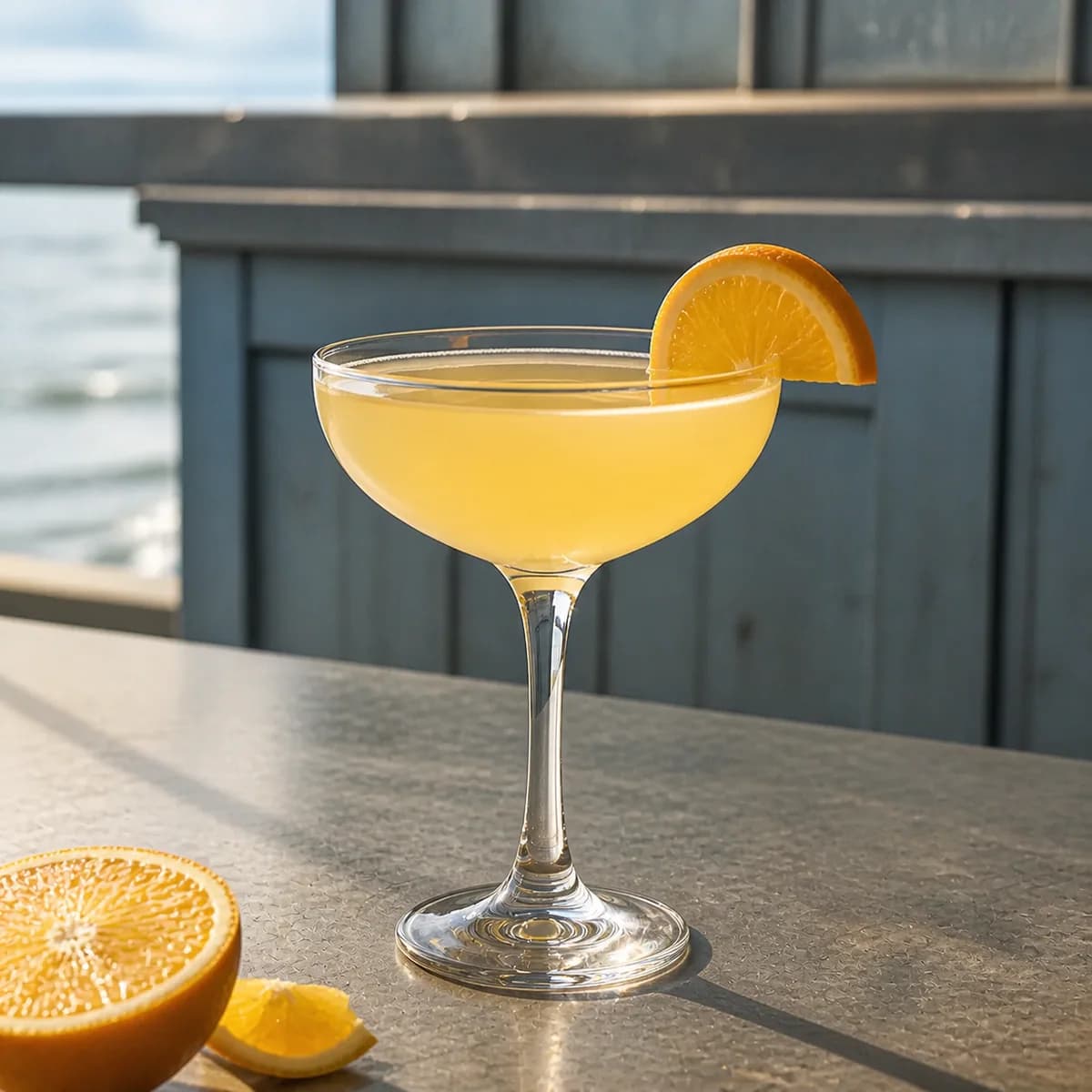
Satan's Whiskers
Five ingredients in equal measure, which sounds like a mess and isn't. Gin, both vermouths, orange juice and Grand Marnier land somewhere between a Bronx and marmalade. Orange bitters are what keep it from sliding into fruit punch.
View recipe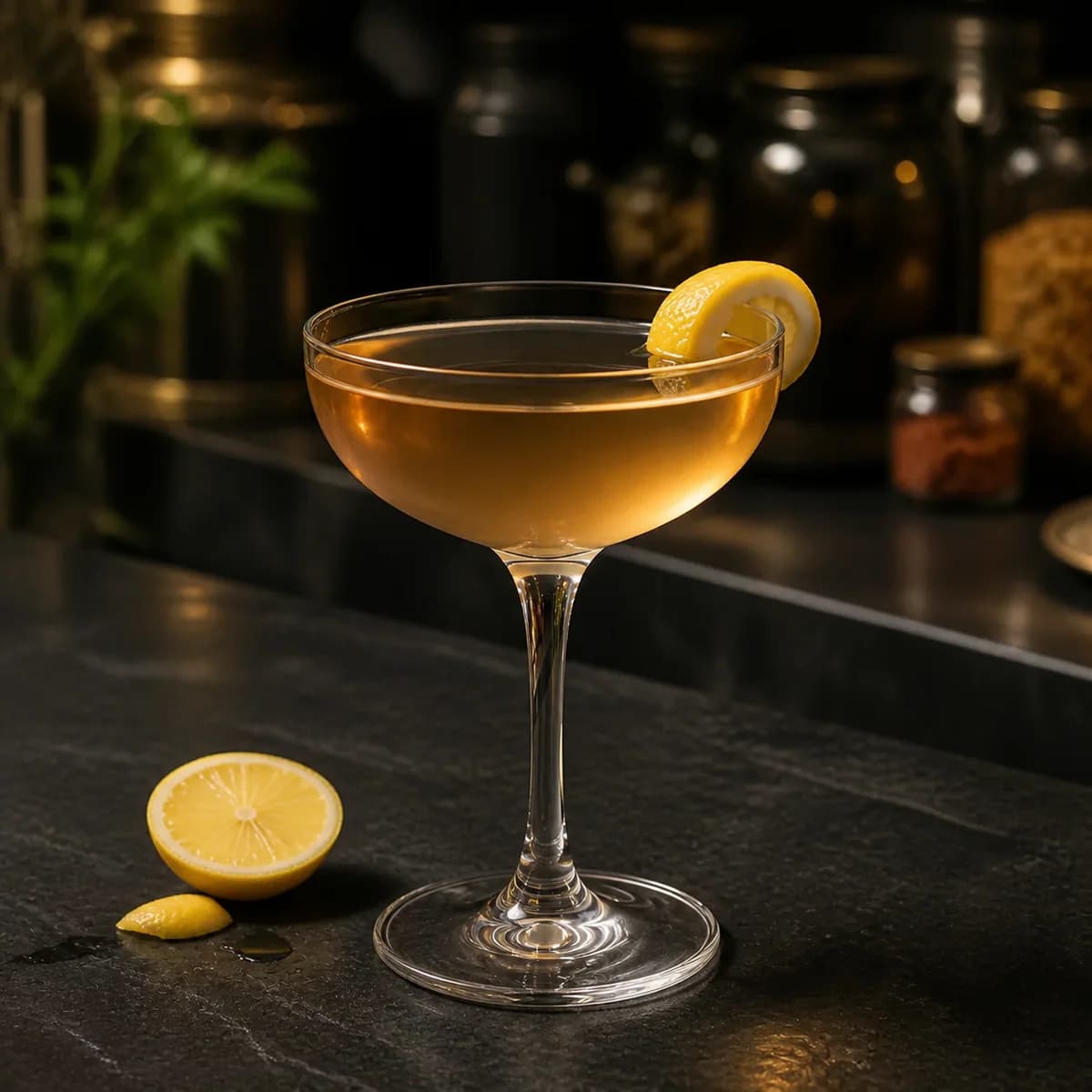
Journalist
Six ingredients, and four of them measured in single teaspoons. Underneath the fussiness sits a Martini carrying both vermouths at once, with a splash of lemon and a teaspoon of orange liqueur to round the edges.
View recipe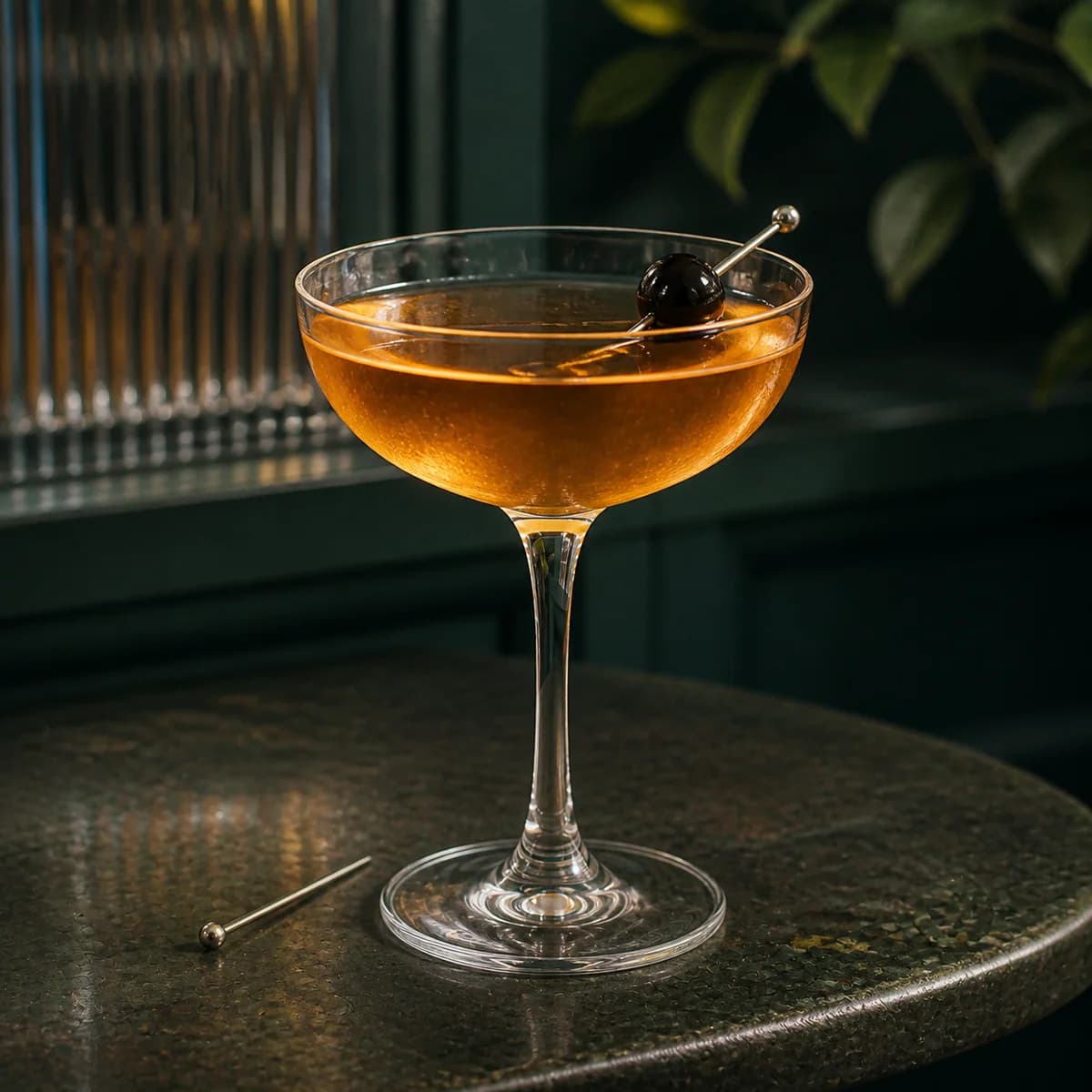
Bijou
“Jewel” in French — equal parts gin, green Chartreuse and sweet vermouth, named for the gem colors of its ingredients. Herbal, bold and beautiful.
View recipe