Classic cocktail · Guided recipe
Metropole
Start makingBrandy where a Martini keeps gin, cut fifty-fifty with dry vermouth, which sounds like a compromise and isn’t. Orange bitters pull the fruit forward and a dash of aromatic bitters leaves bark and clove on the finish. Winey and warm, and drier than the Harvard it sits next to.
In the glassCognac · Dry vermouth · Orange bitters · Angostura bitters
See exact amounts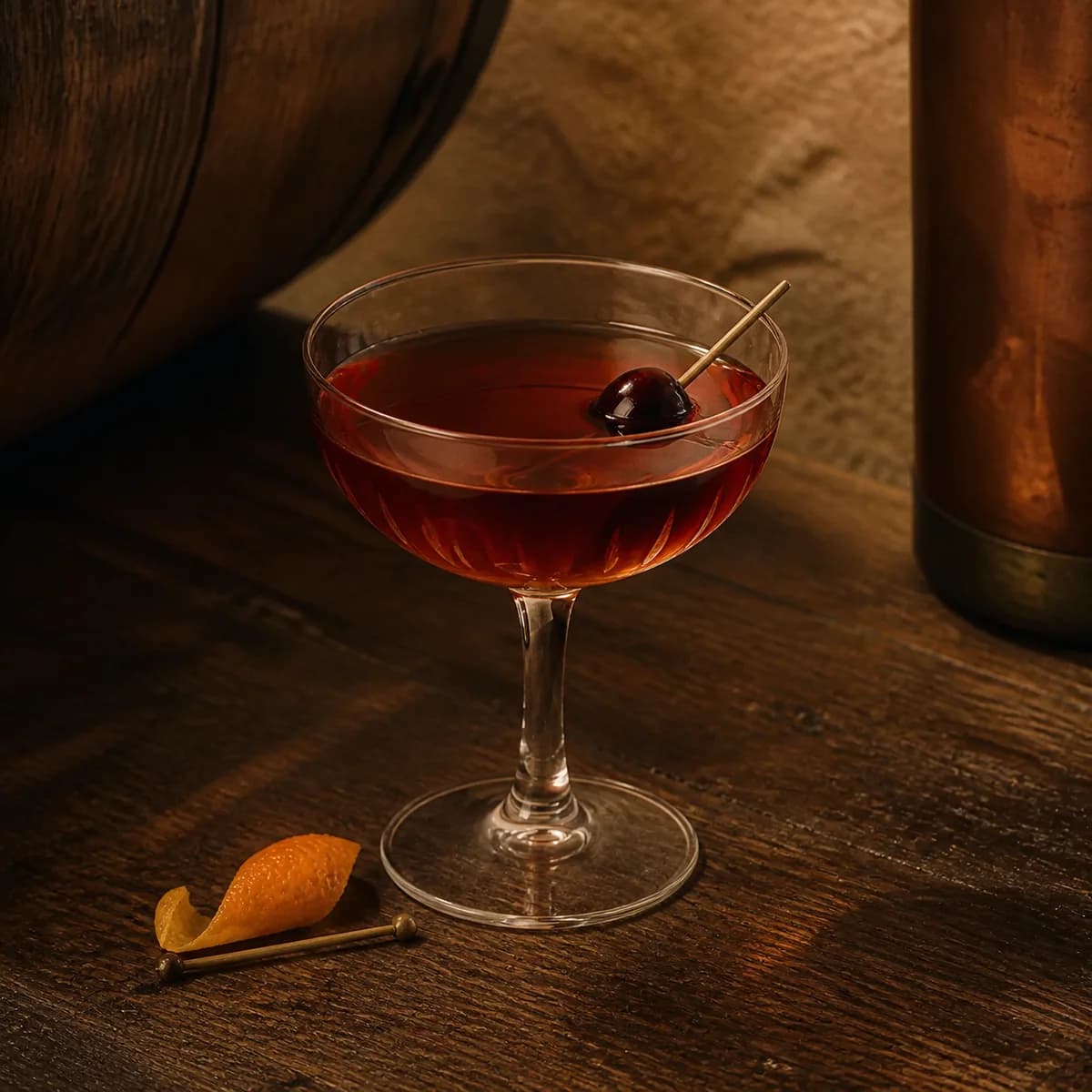
What goes in
Ingredients
Set up before you pour
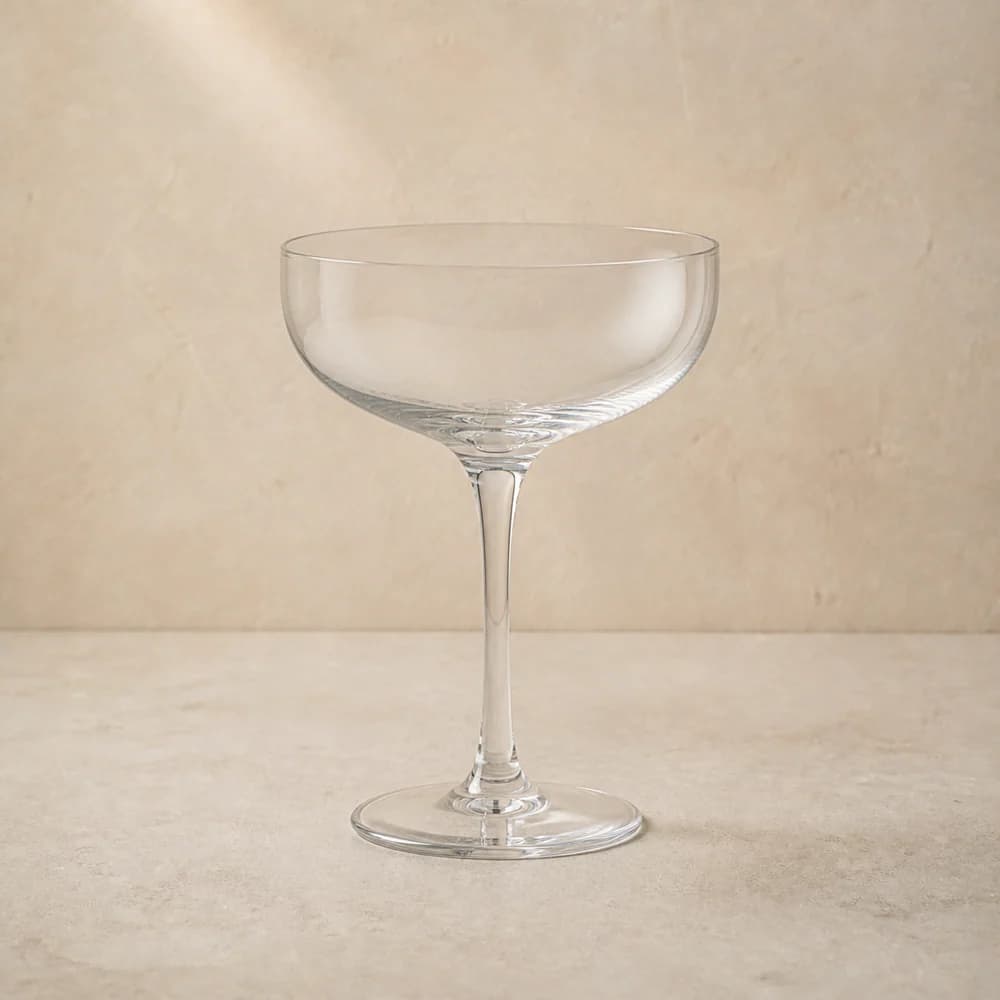
Use a coupe glass.
The stem keeps your hand away from a cold drink, while the rounded bowl makes an up serve easy to sip.
- Standard size
- 200 ml6¾ oz
- Ice & serve
- Chill it first; serve without ice.
- If you don’t own one
- Use a small martini glass or stemmed dessert glass.
- cocktail shaker
- strainer (or a small sieve)
- jigger or measuring spoon
- Cognac45 ml
- Dry vermouth45 ml
- Orange bitters1 dash
- Angostura bitters1 dash
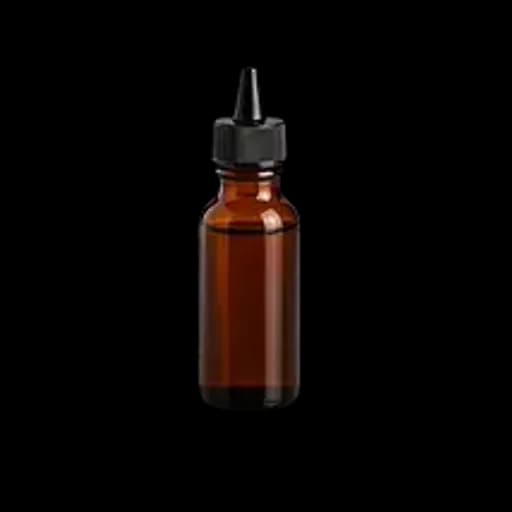
From bottle to glass
Method
- 01
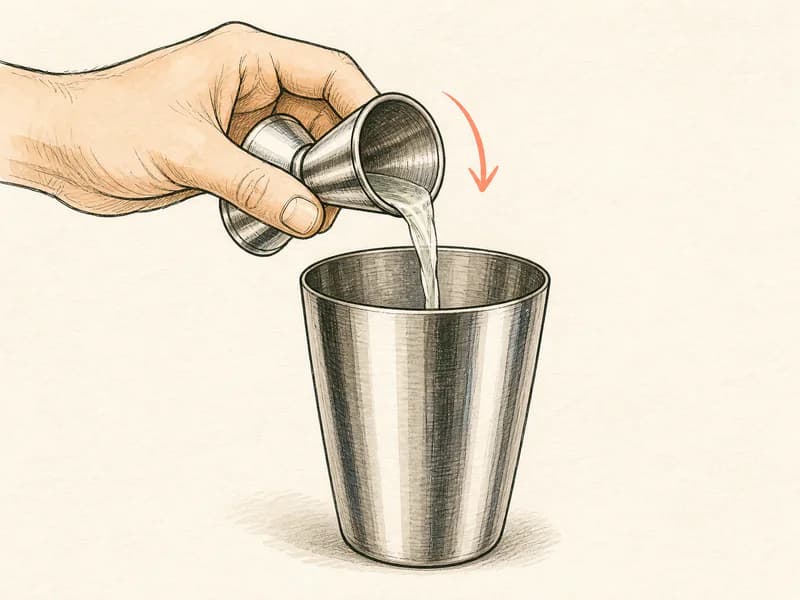
Measure into the shaker Pour 45 ml cognac into your shaker
 Cognac
- 02
Measure into the shaker Add 45 ml dry vermouth
 Dry vermouth
- 03
Measure into the shaker Add 1 dash orange bitters
 Orange bitters
- 04
Measure into the shaker Add 1 dash Angostura
- Angostura bitters
- 05
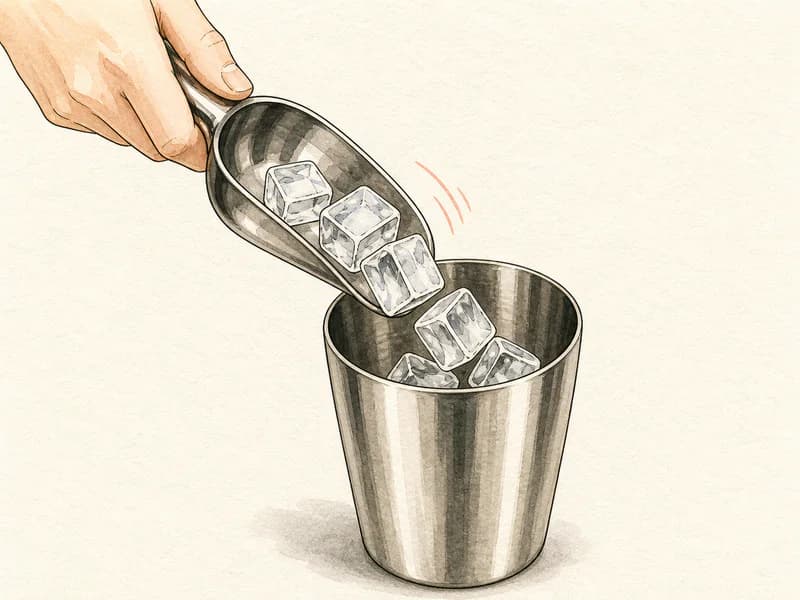
Ice the shaker Fill the shaker with ice
- 06
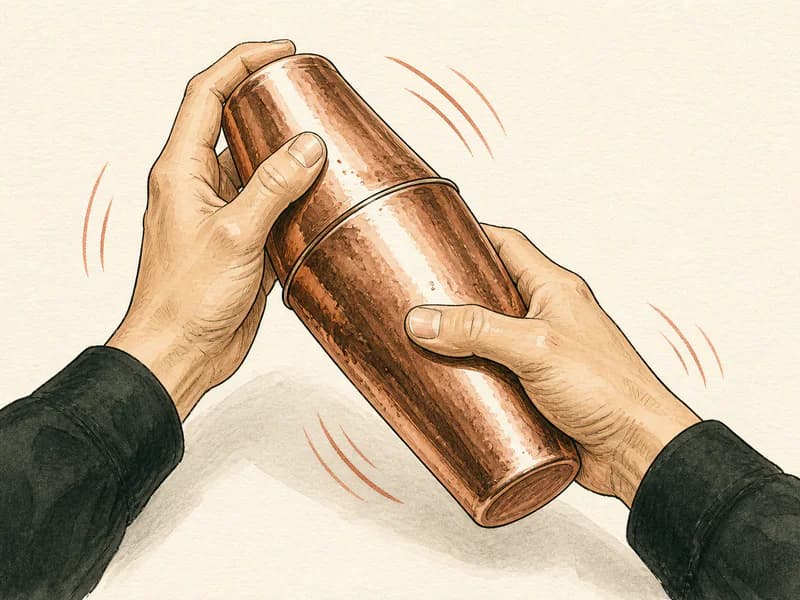
Seal and shake Seal and shake hard
- 07
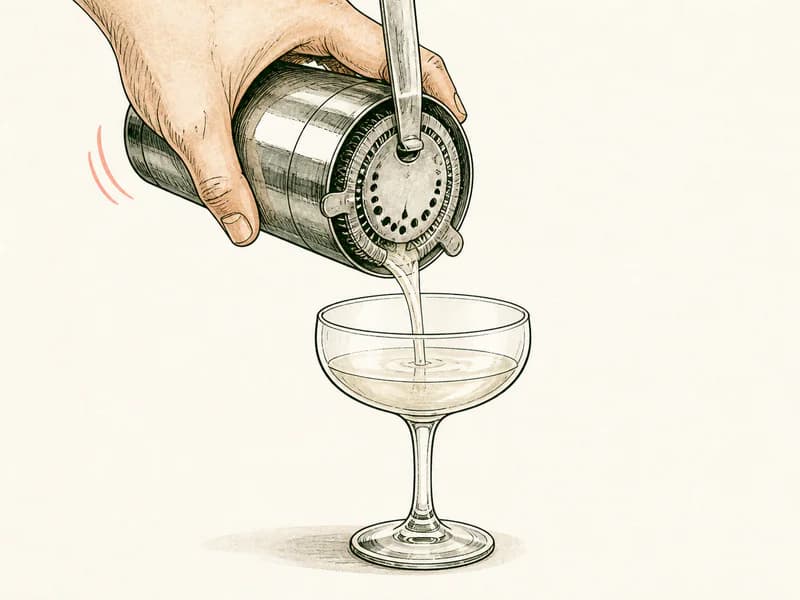
Strain cleanly Strain into a chilled glass — no ice
- 08
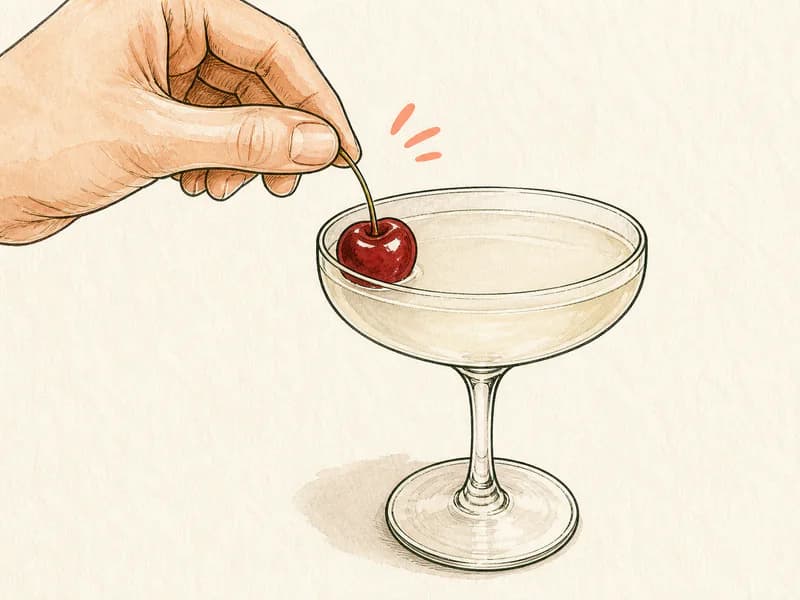
Finish the drink Finish it — add a cocktail cherry
Know your drink
About the Metropole
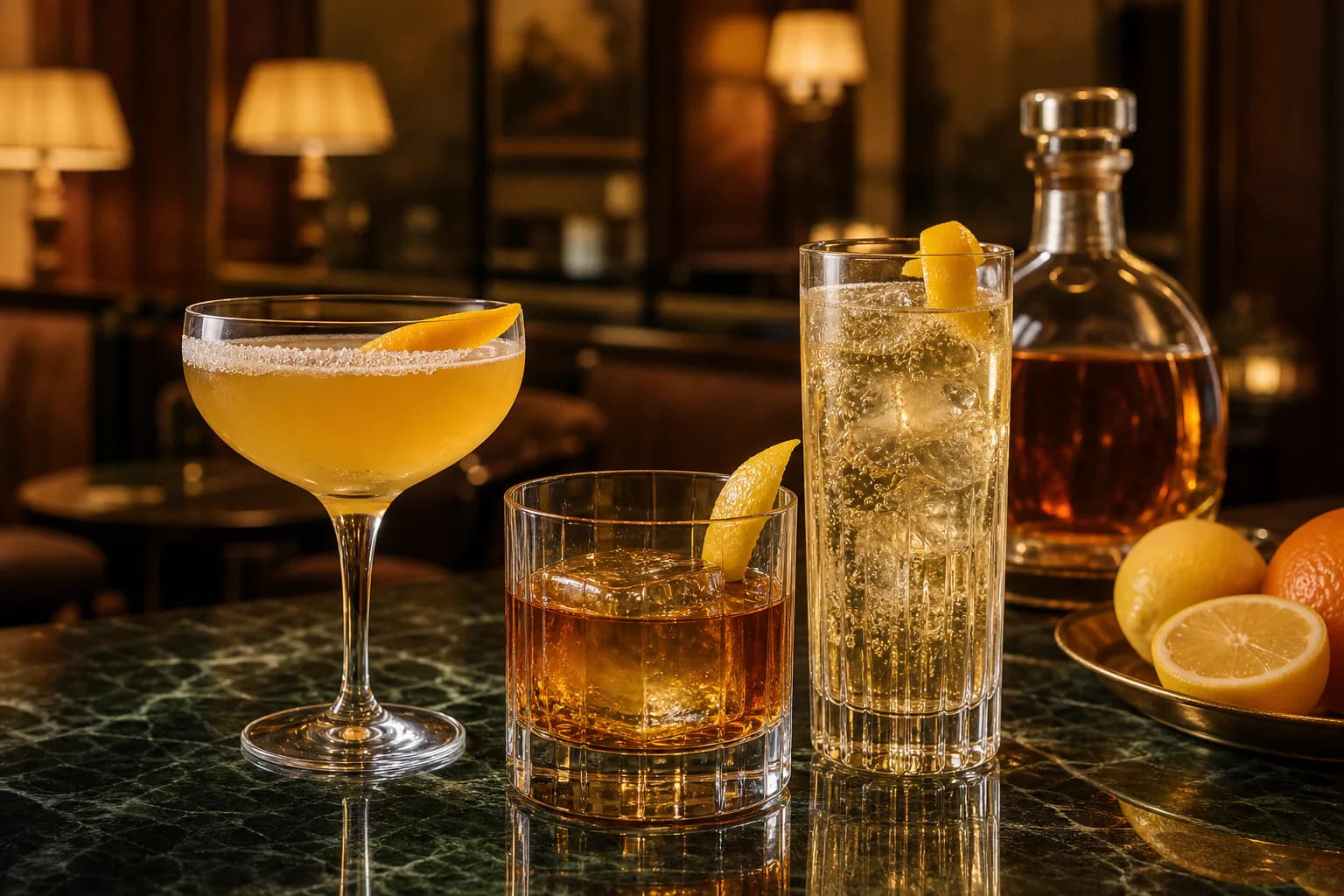
Cognac's Martini moment
Recipes in early twentieth-century American guides pushed cognac into every slot gin had claimed, and this is one of the few that still reads well. Dry vermouth with orange bitters was the standard finishing pair of the period, and a dash of Angostura on top was how bartenders added weight without adding sugar. Nothing in the build is decorative.
Common questions
Metropole FAQ
Is VSOP wasted in this?
No, but XO is. Dry vermouth and two bitters will bury the tertiary notes you pay for above VSOP. A decent VS works, and a VSOP with real fruit and a little oak is the sweet spot. Armagnac swaps in cleanly and pushes it rustic.
Equal parts, really?
That's the printed spec, and it's gentler than it sounds, since dry vermouth sits near 18% ABV and the finished drink lands around 25%. If it tastes slack to you, go 60 ml cognac to 30 ml vermouth for something closer to modern proportions.
Is the Harvard the same drink with sweet vermouth?
Near enough. A Harvard takes sweet vermouth and usually a splash of soda, which makes it round and faintly cola-ish. Dry vermouth here leaves the cognac's fruit exposed and the finish short. Same spirit, opposite direction, and the bitters do more work.
Two kinds of bitters. What happens if I use only one?
Orange alone leaves it bright and a little short at the finish. Angostura alone gives you clove and bark with no lift at the top. Together they cover both ends, which is why the period recipes call for both. Some older printings specify Peychaud's rather than Angostura, which pushes the whole thing toward anise.
What ingredients are in a Metropole?
A classic Metropole calls for 45 ml (1.5 oz) Cognac, 45 ml (1.5 oz) Dry vermouth, 1 dash orange bitters Orange bitters, 1 dash Angostura Angostura bitters. That single-serve spec scales cleanly — the recipe above converts it to oz and multiplies it for 2–4 drinks.
How strong is a Metropole?
A standard Metropole is roughly 28% ABV once mixed (before ice melt softens it further). That makes it spirit-forward — closer to a Martini than to a beer, so sip it slowly.
Is a Metropole shaken or stirred?
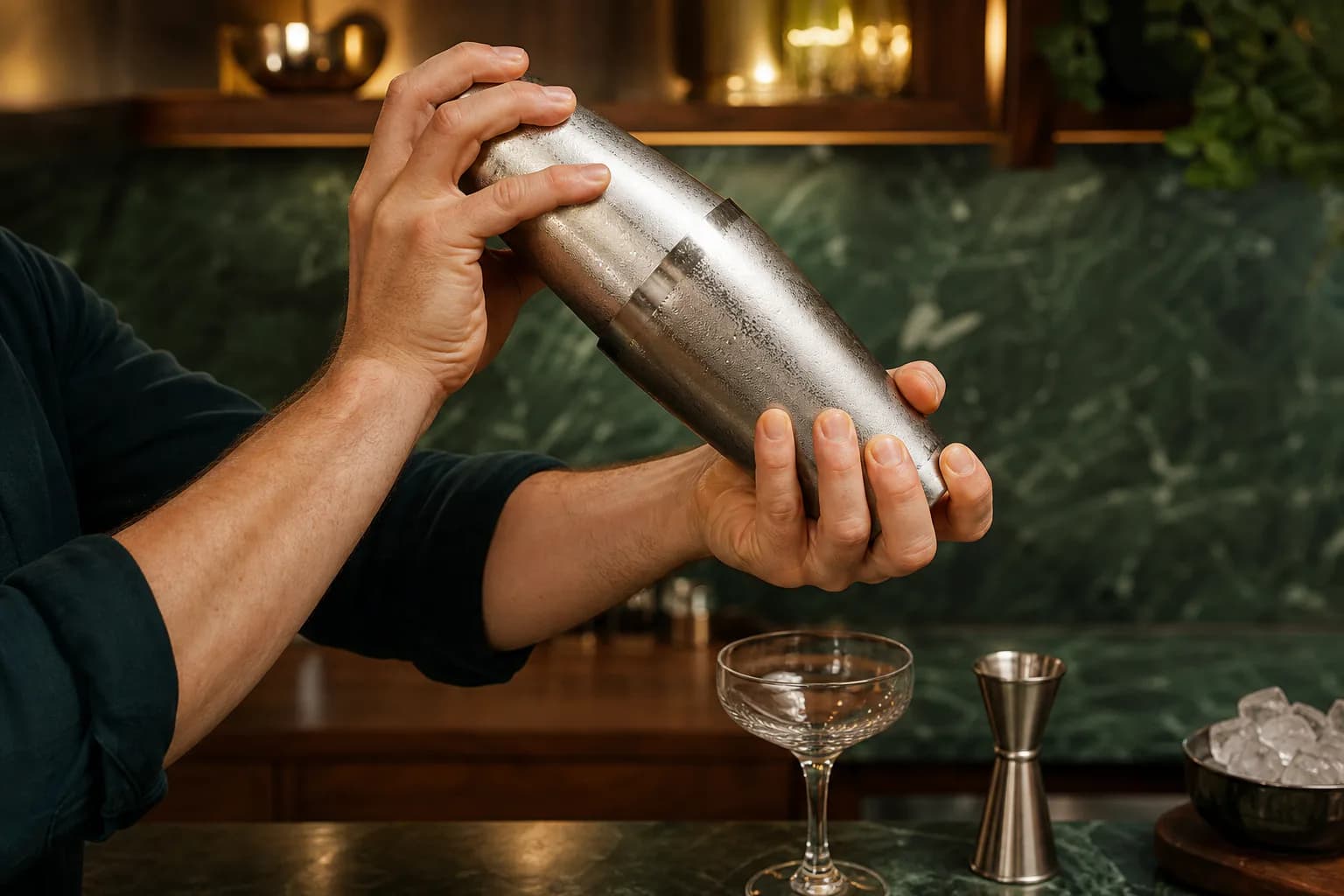
A Metropole is shaken. About 13 seconds with plenty of ice chills and dilutes it correctly.
Sharpen the technique
Skills used in this recipe
Where to go next
If you like the Metropole, try these.
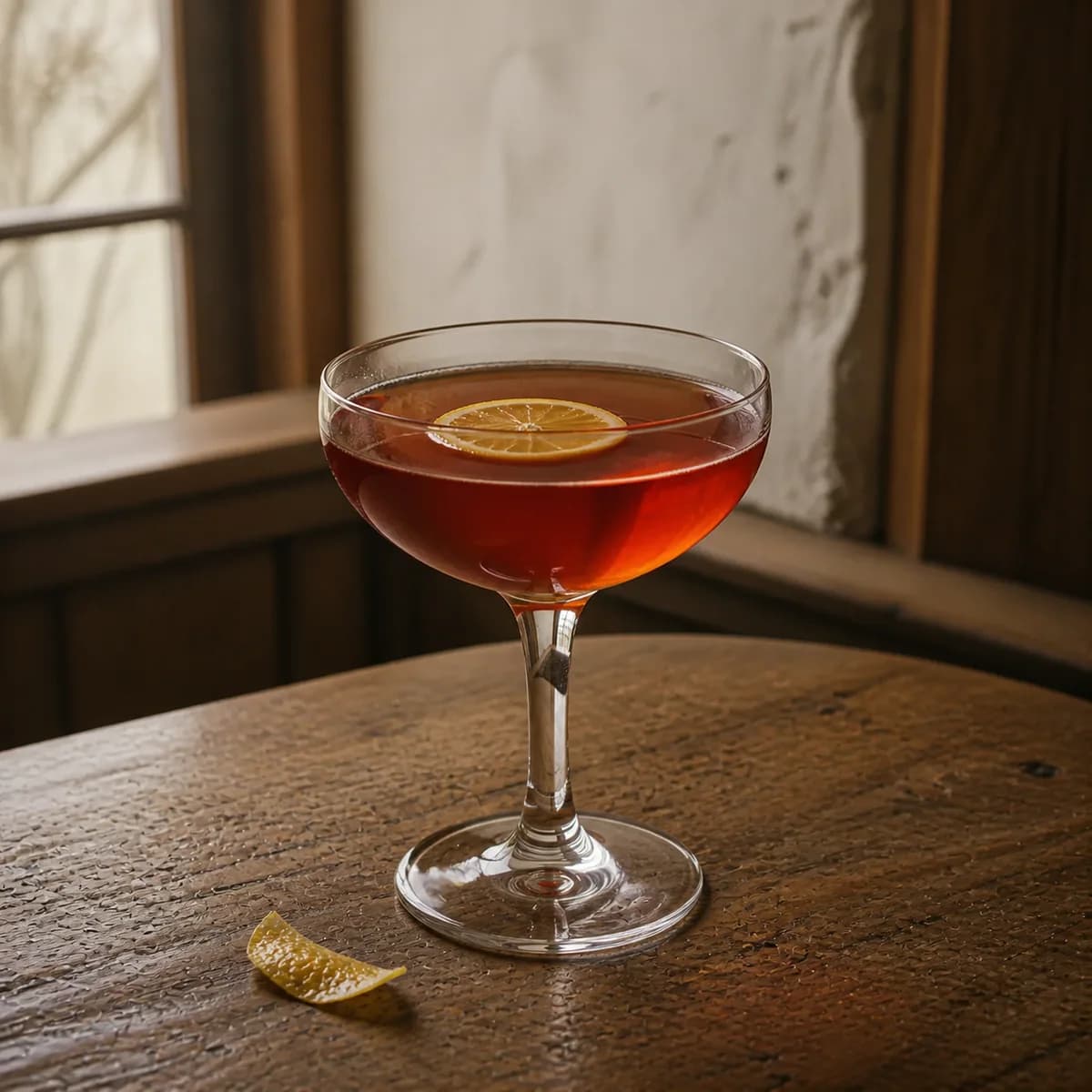
Japanese Cocktail
One of the oldest cocktails on record: brandy sweetened with almondy orgeat and bittered with a couple of dashes. Simple and elegant.
View recipe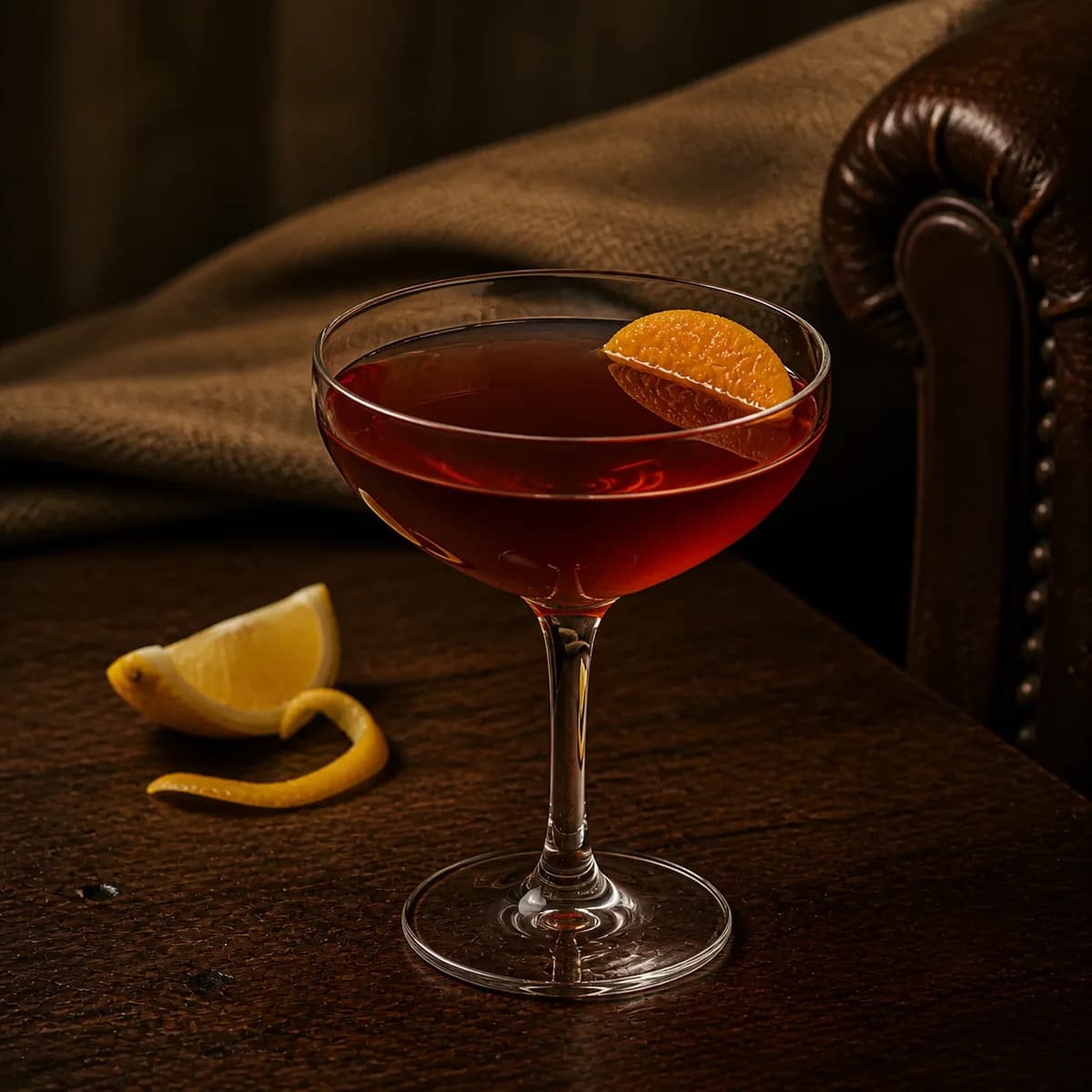
Brandy Crusta
The ancestor of the Sidecar: brandy with orange liqueur, maraschino and lemon in a sugar-rimmed glass. Refined and citrus-bright.
View recipe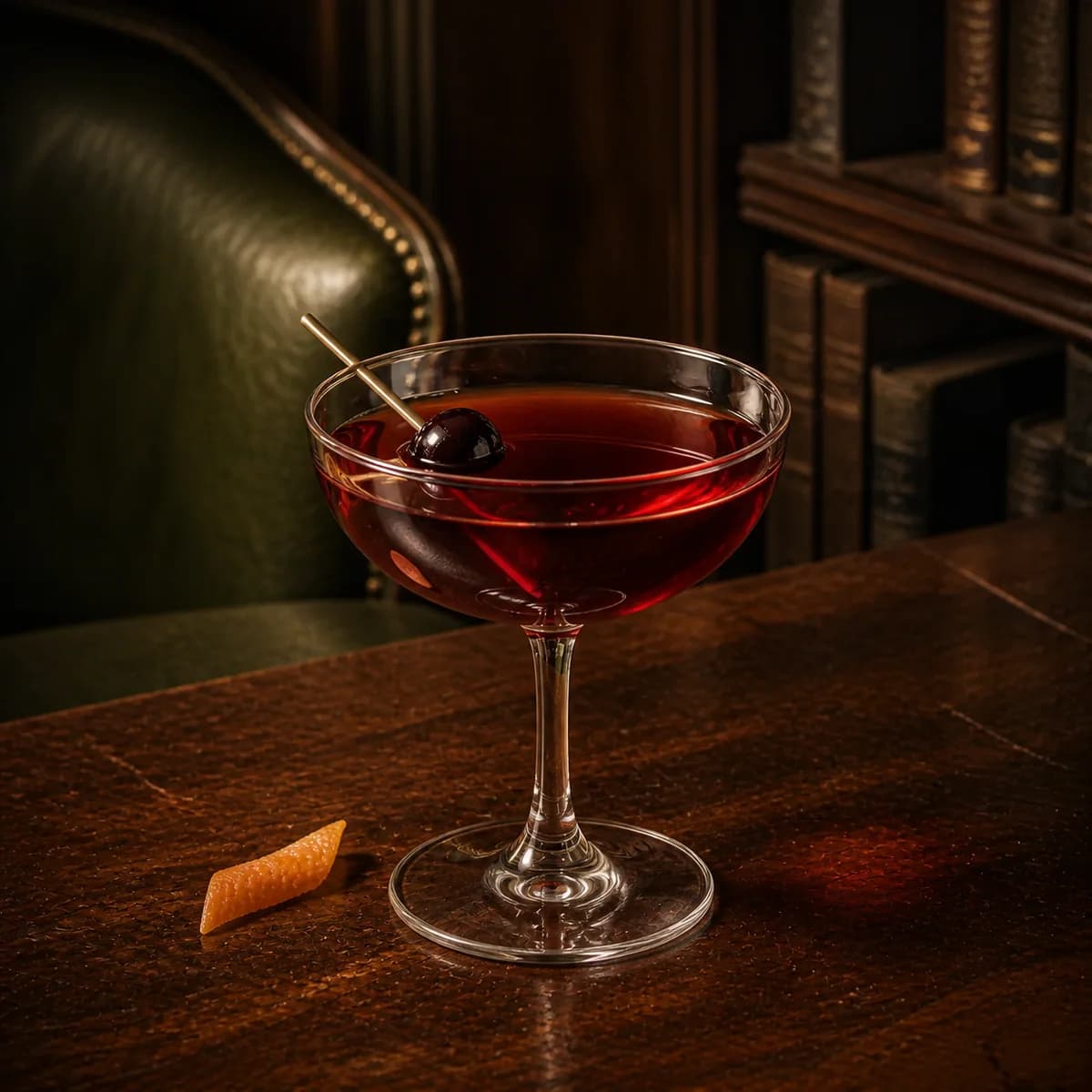
Saratoga
A brandy-and-rye Manhattan with a double dose of vermouth — rich, spirituous and old-world elegant.
View recipe