Classic cocktail · Guided recipe
Metropolitan
Start makingBrandy takes the Manhattan's chair, with sweet vermouth and a couple of dashes of bitters behind it. Rounder and more grape-forward than the rye version, softer through the finish, and easier to drink at the wrong hour of the afternoon.
In the glassBrandy · Sweet vermouth · Angostura bitters
See exact amounts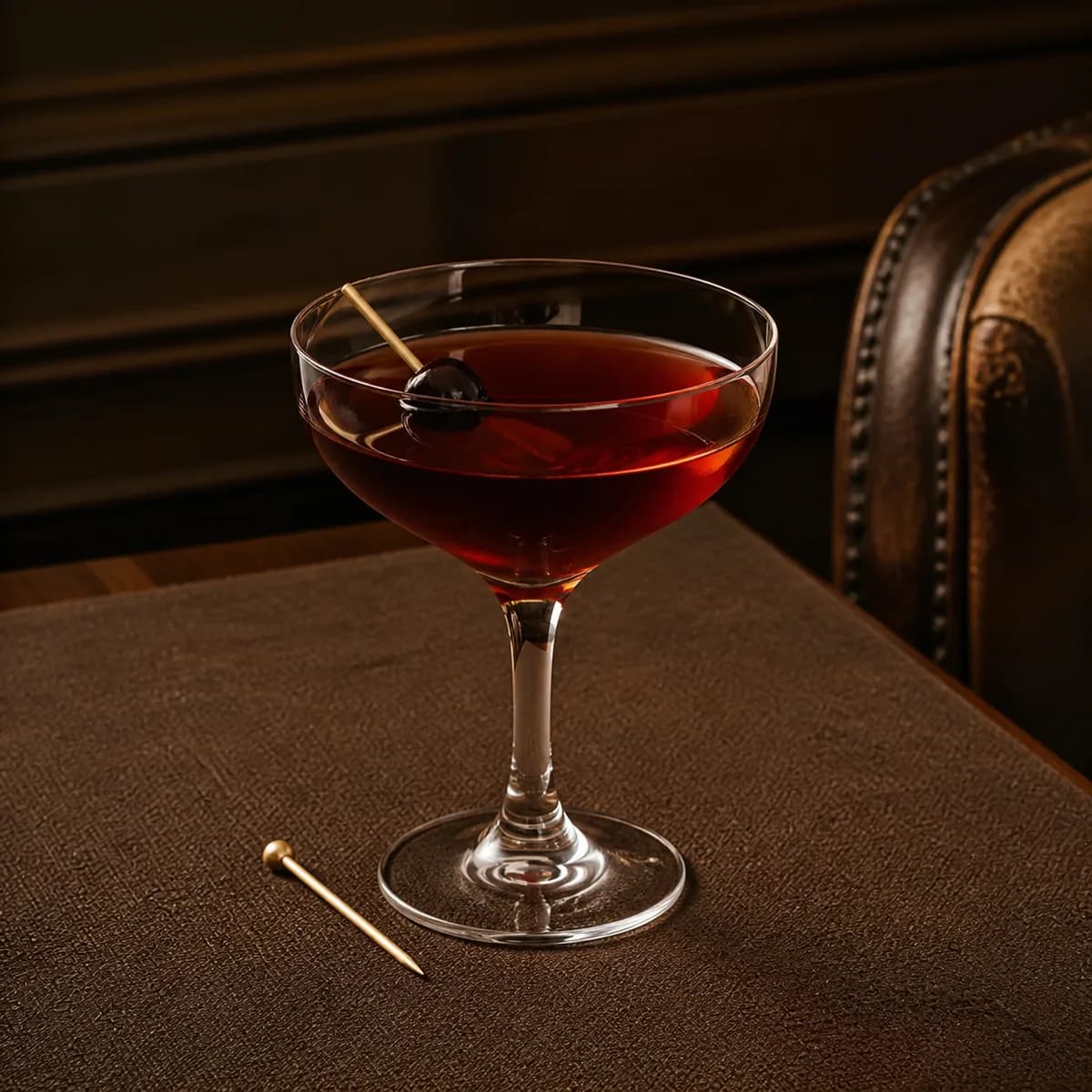
What goes in
Ingredients
Set up before you pour
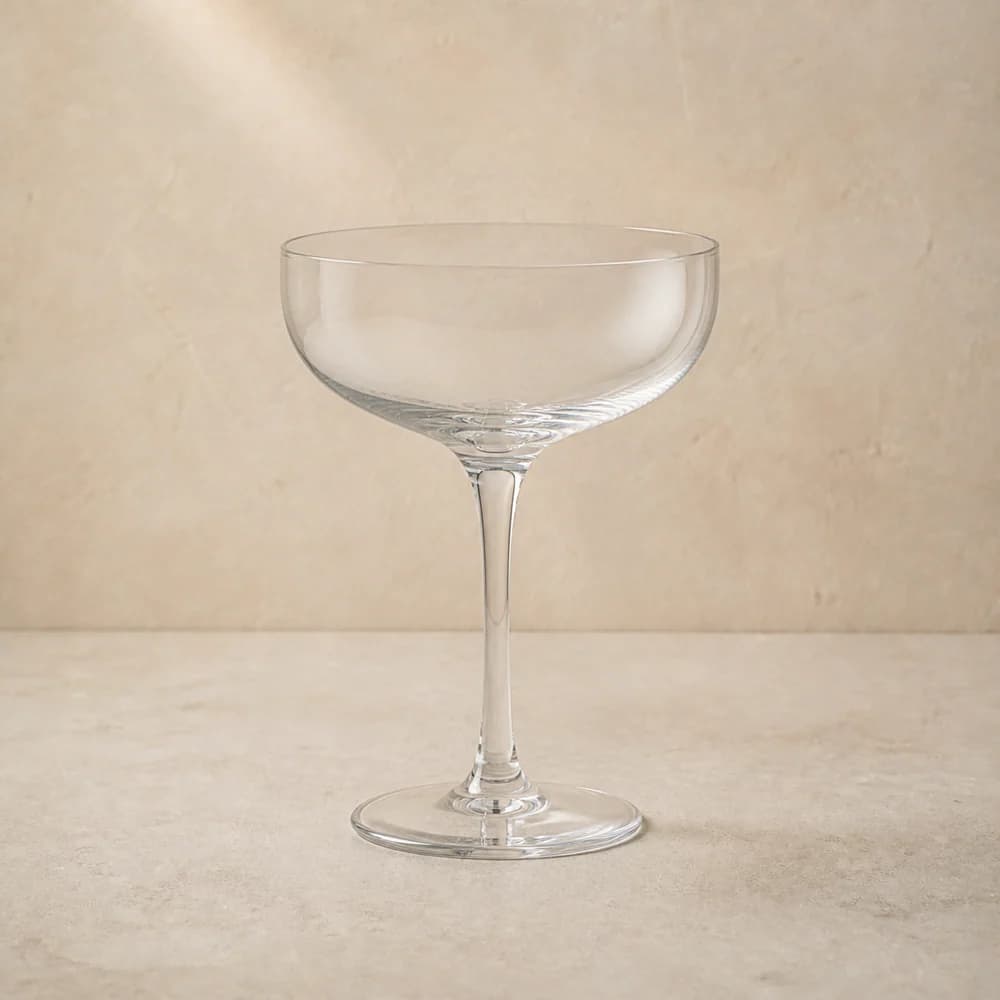
Use a coupe glass.
The stem keeps your hand away from a cold drink, while the rounded bowl makes an up serve easy to sip.
- Standard size
- 200 ml6¾ oz
- Ice & serve
- Chill it first; serve without ice.
- If you don’t own one
- Use a small martini glass or stemmed dessert glass.
- cocktail shaker
- strainer (or a small sieve)
- jigger or measuring spoon
- Brandy60 ml
- Sweet vermouth22 ml
- Angostura bitters2 dashes
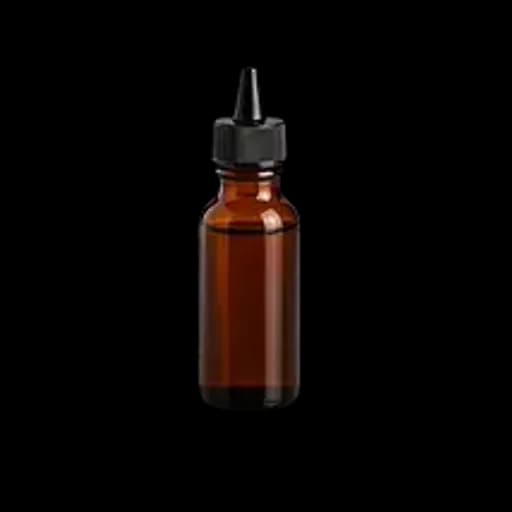
From bottle to glass
Method
- 01
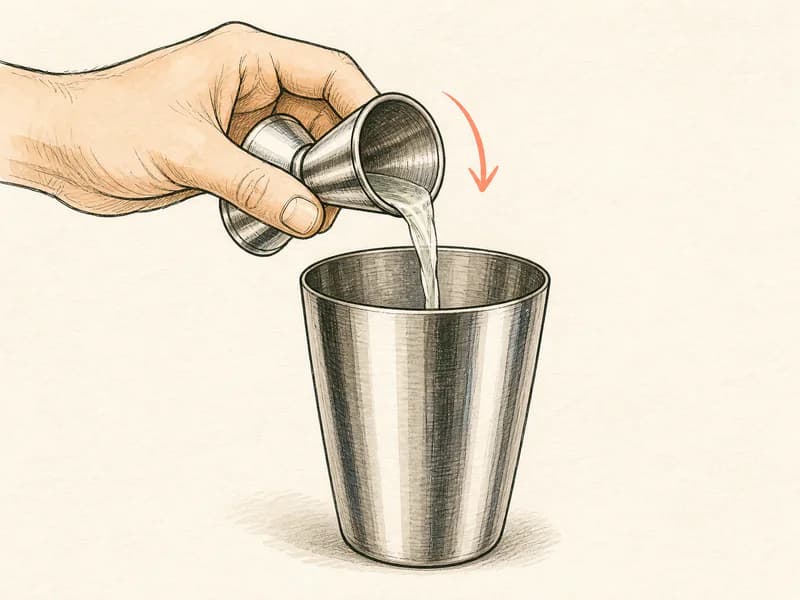
Measure into the shaker Pour 60 ml brandy into your shaker
 Brandy
- 02
Measure into the shaker Add 22 ml sweet vermouth
 Sweet vermouth
- 03
Measure into the shaker Add 2 dashes Angostura
 Angostura bitters
- 04
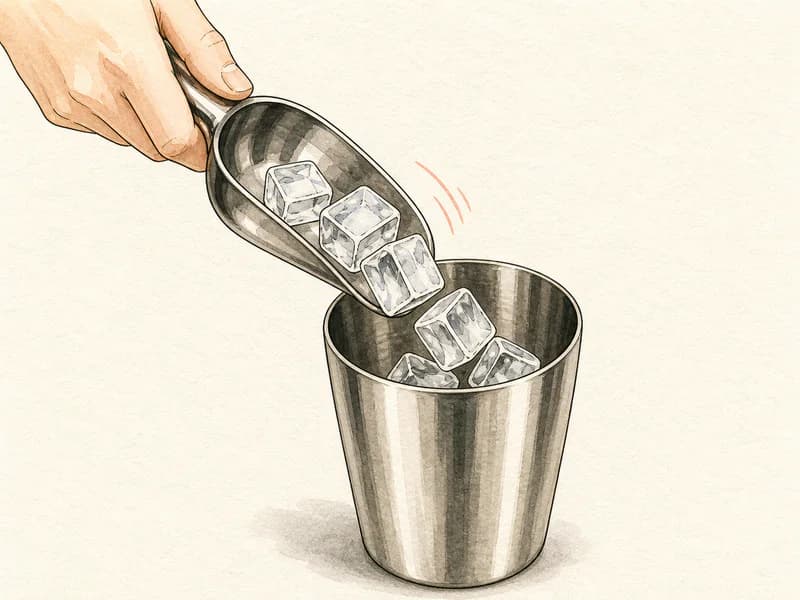
Ice the shaker Fill the shaker with ice
- 05
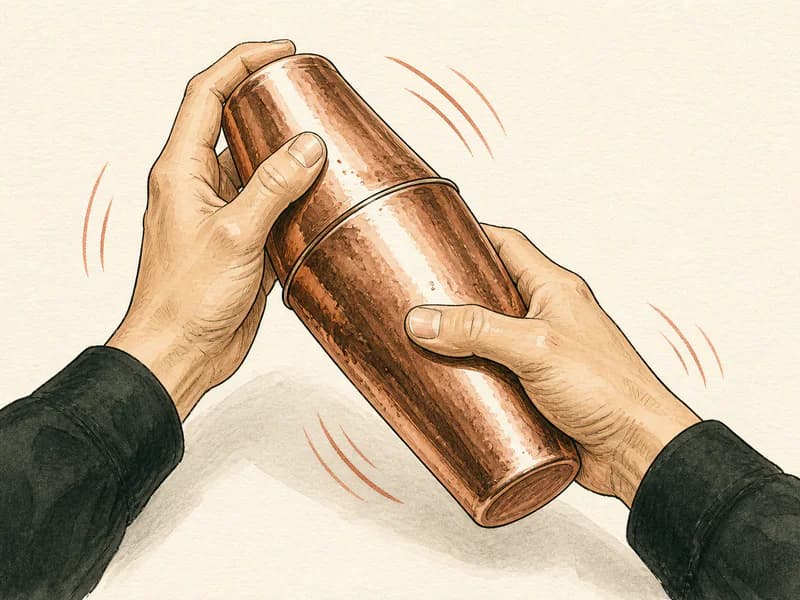
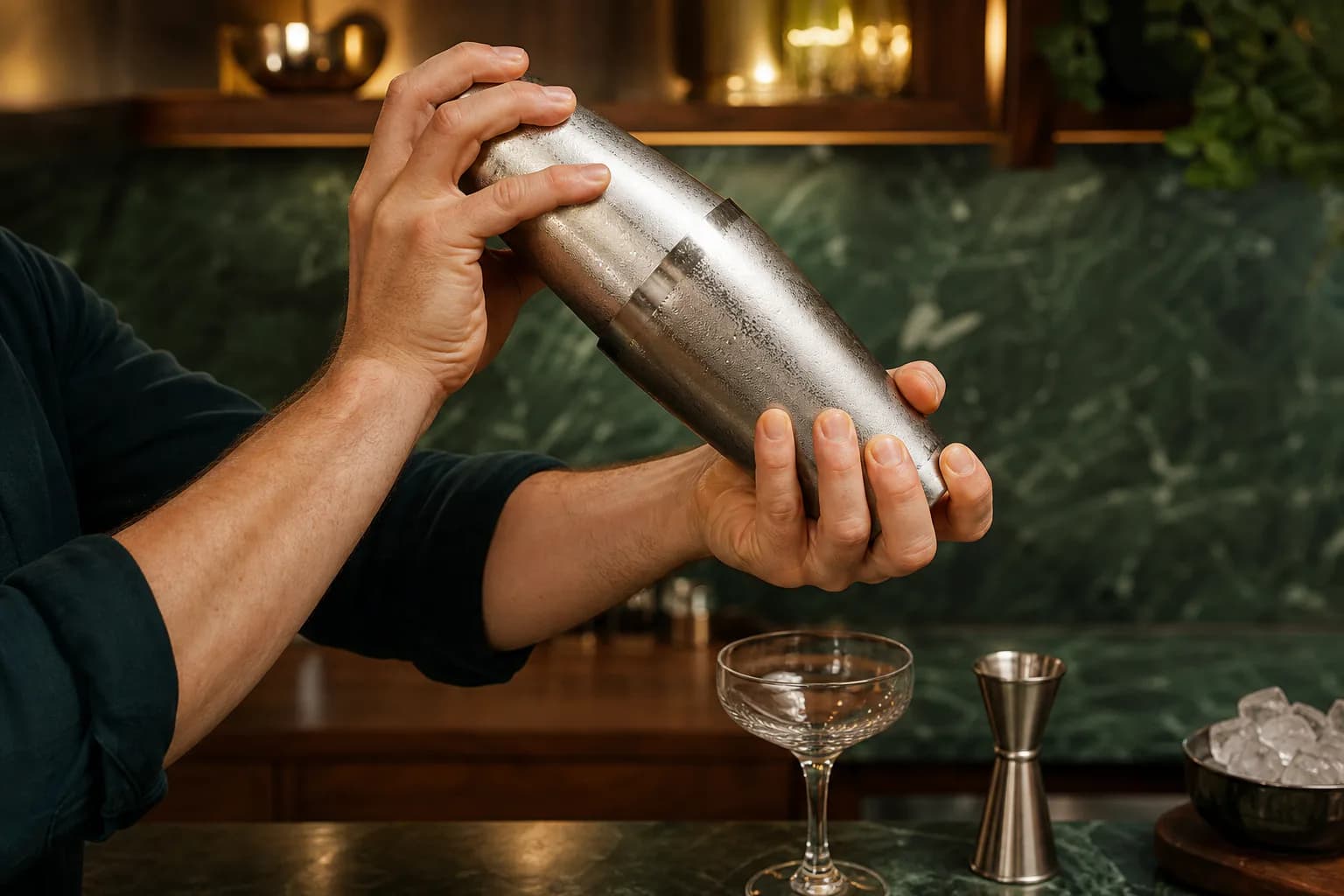
Seal and shake Seal and shake hard
- 06
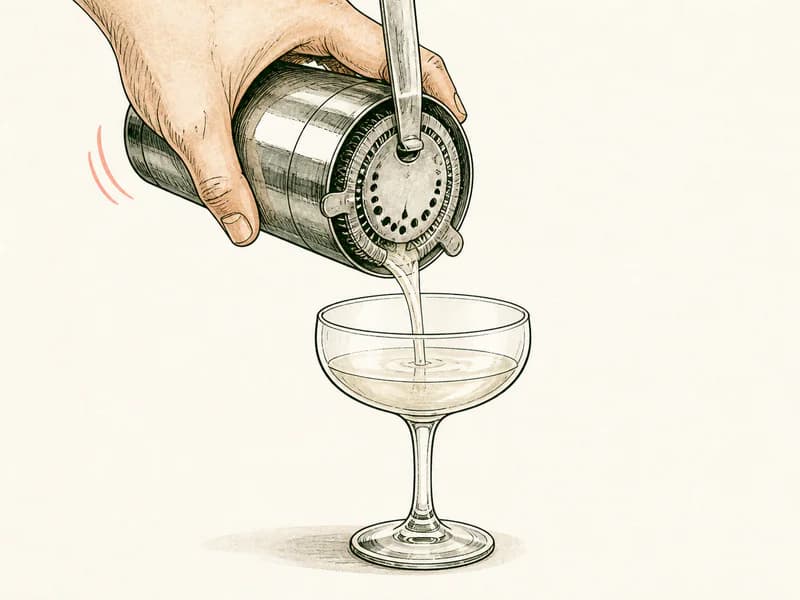
Strain cleanly Strain into a chilled glass — no ice
- 07
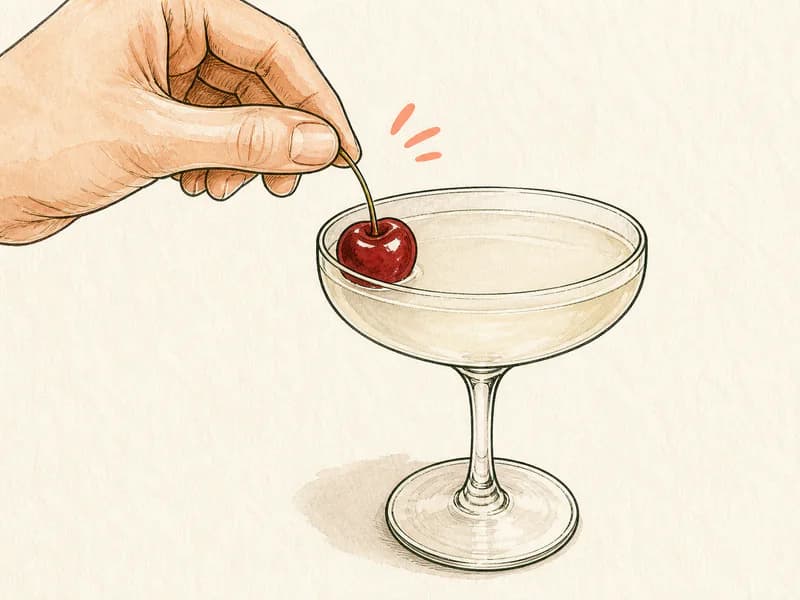
Finish the drink Finish it — add a cocktail cherry
Know your drink
About the Metropolitan
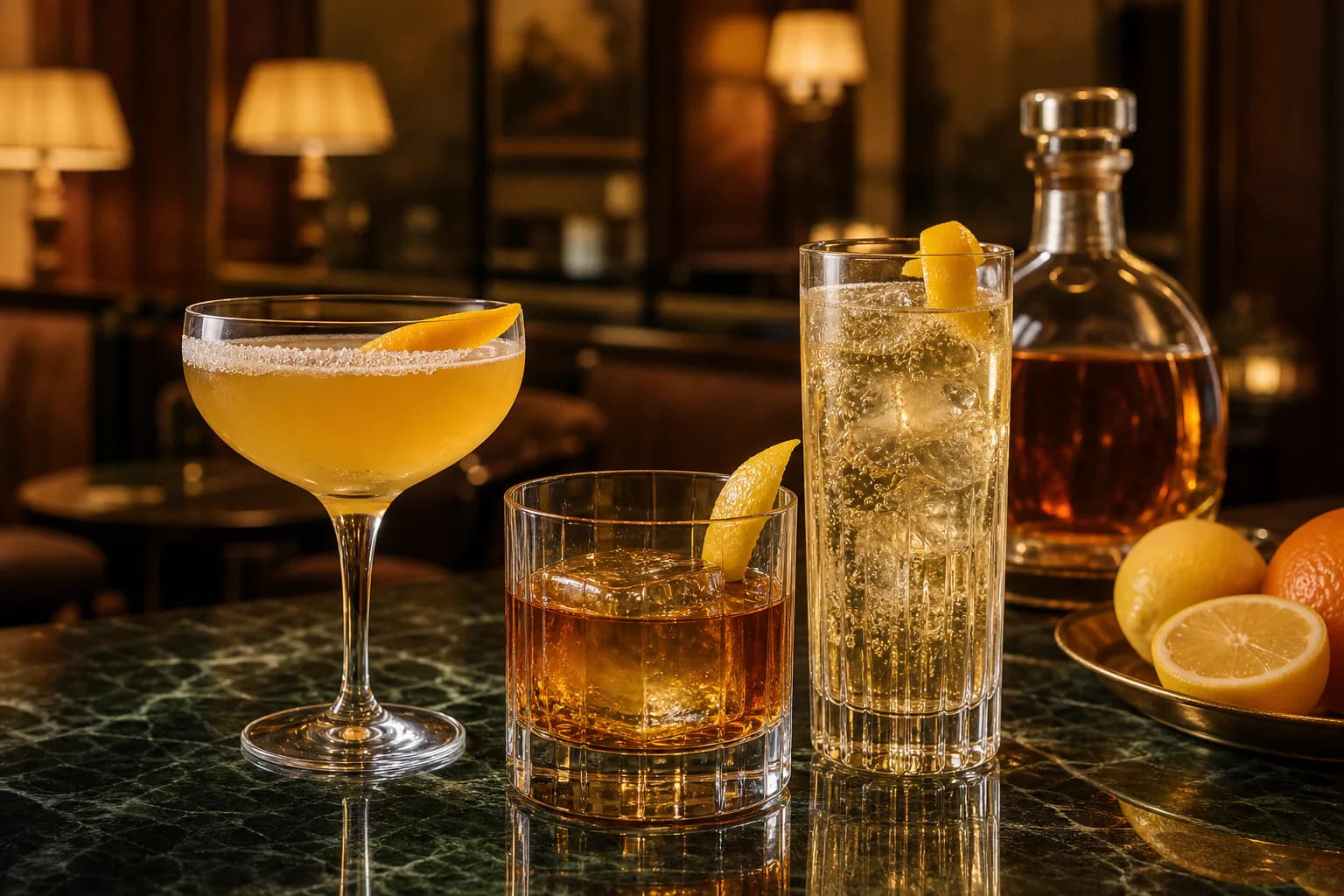
Two drinks, one name
The brandy version shows up in bar books from around the turn of the twentieth century, sitting alongside the Manhattan and the Metropole as one of several attempts to run the same idea on a different base spirit. Nobody has pinned it to a person or a bar. That's ordinary for drinks of the period, and reason to distrust anyone who tells you otherwise.
The 1990s Metropolitan is a separate animal: blackcurrant vodka and cranberry, essentially a Cosmopolitan with the citrus swapped out. It got popular enough that the older recipe lost its own name for a decade. Ordering by ingredient rather than by title is the only reliable way through the confusion.
Common questions
Metropolitan FAQ
Is this the pink vodka drink from the nineties?
No. That one is vodka and cranberry, a Cosmopolitan variation that borrowed the name and briefly won. This Metropolitan predates it by about a century and is brandy with sweet vermouth. If what arrives is pink, you've been handed the other one.
What should I look for on a vermouth label?
Something with real bitterness in it. Carpano Antica is sweet and vanilla-heavy, which doubles down on the brandy instead of balancing it. Punt e Mes or Cocchi di Torino gives the drink an edge. Whatever you open, refrigerate it and finish it within a month.
Cognac, or does it have to be plain brandy?
Cognac is brandy, and a decent VS or VSOP is a good bottle for this. American and Spanish brandies run sweeter and want a slightly smaller vermouth pour. Armagnac is rustic and interesting. Avoid anything flavored or heavily caramelized; the sugar stacks up fast.
Why is mine cloying?
The vermouth ratio, most likely, or a bottle that's been open too long and turned raisiny. Drop to 15 ml of vermouth against 60 of brandy and add a second dash of bitters. Angostura is what pulls the sweetness back into shape.
What ingredients are in a Metropolitan?
A classic Metropolitan calls for 60 ml (2 oz) Brandy, 22 ml (0.75 oz) Sweet vermouth, 2 dashes Angostura Angostura bitters. That single-serve spec scales cleanly — the recipe above converts it to oz and multiplies it for 2–4 drinks.
How strong is a Metropolitan?
A standard Metropolitan is roughly 34% ABV once mixed (before ice melt softens it further). That makes it spirit-forward — closer to a Martini than to a beer, so sip it slowly.
Is a Metropolitan shaken or stirred?
A Metropolitan is shaken. About 13 seconds with plenty of ice chills and dilutes it correctly.
Sharpen the technique
Skills used in this recipe
Where to go next
If you like the Metropolitan, try these.
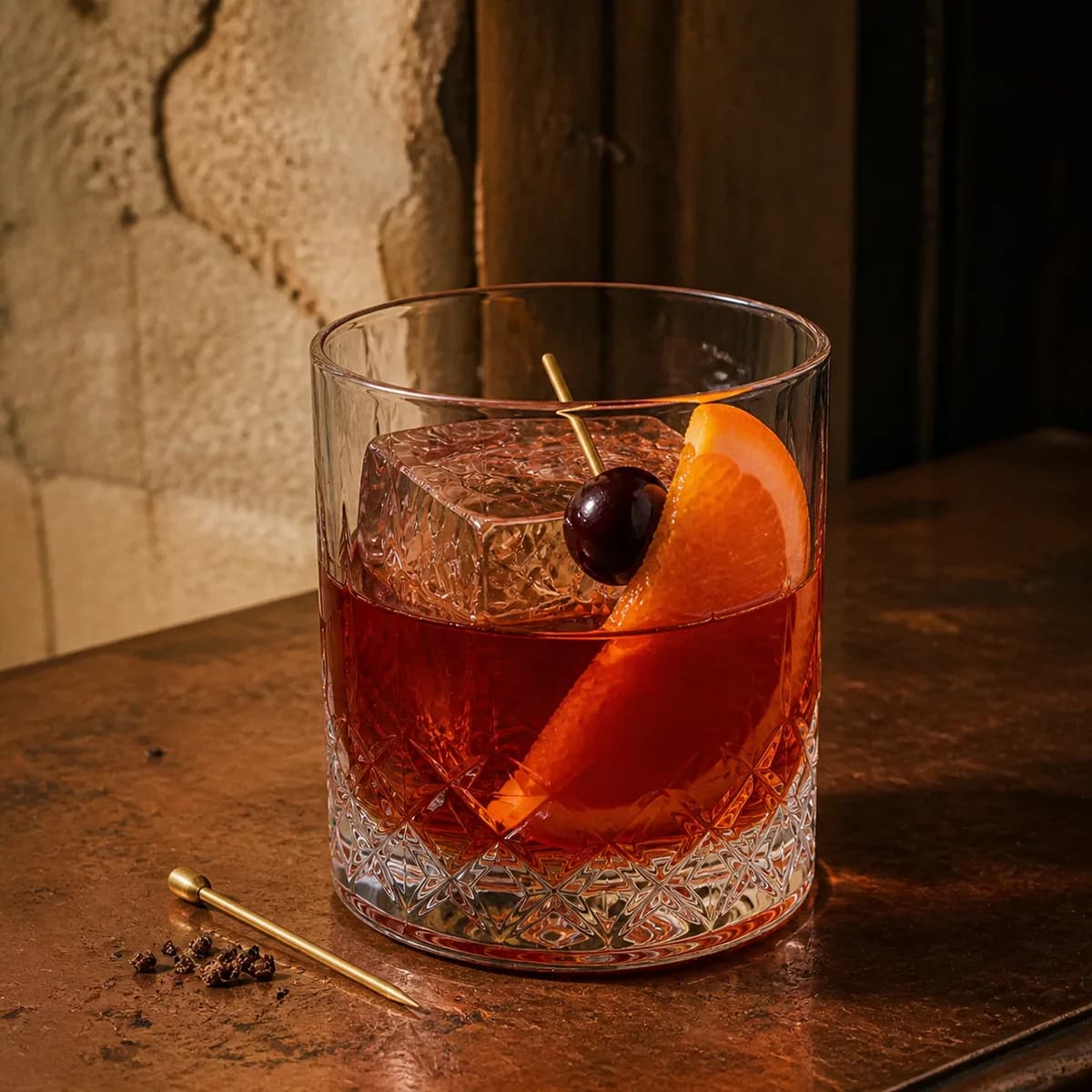
Brandy Old Fashioned
Wisconsin’s house drink: brandy in place of whiskey, with sugar, bitters and fruit. Softer and fruitier than the original.
View recipe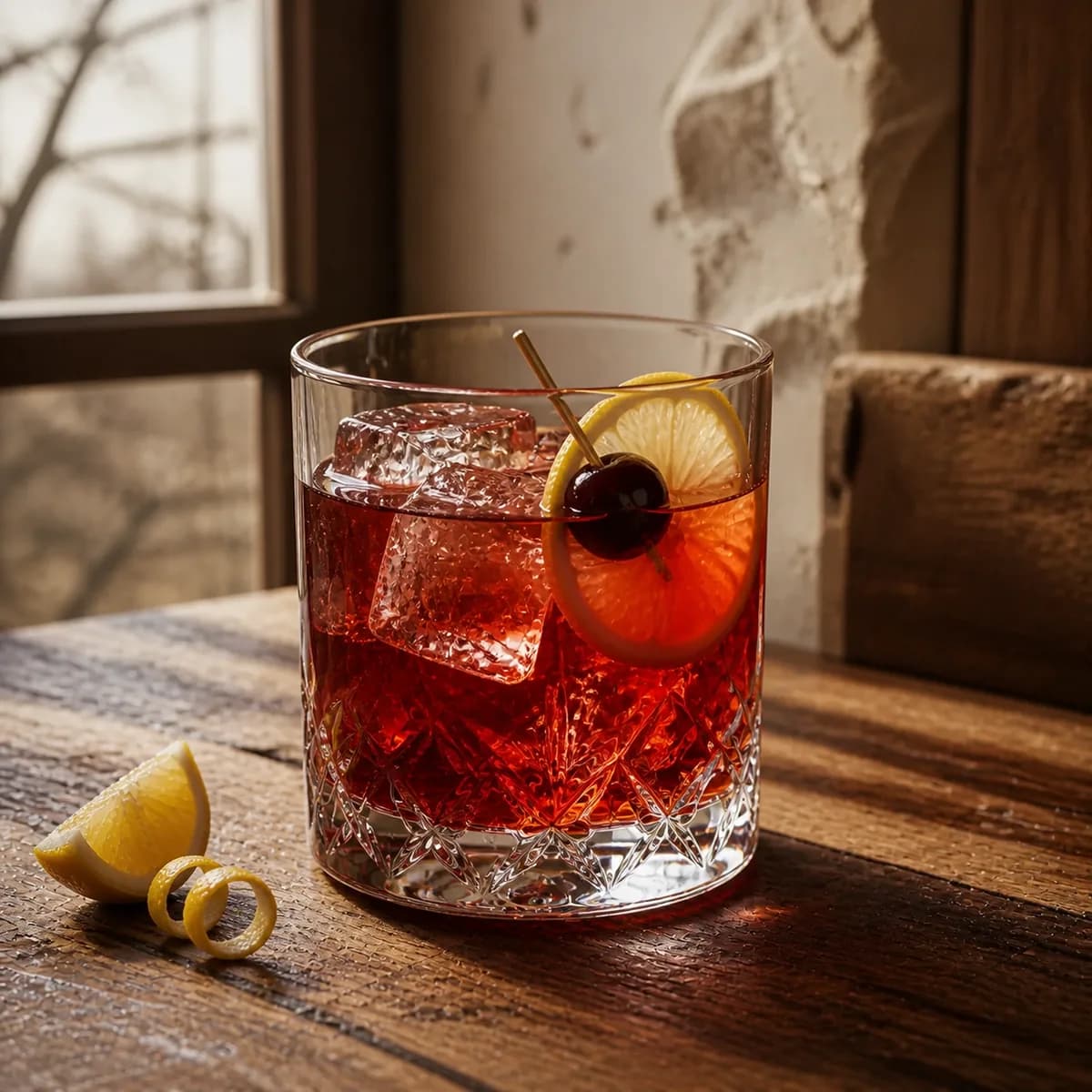
Brandy Sour
Whatever brandy is in the cupboard will make this, which is most of the appeal. Lemon and sugar do what they always do, and the spirit brings fruit and warmth where a whiskey version would bring grain and oak.
View recipe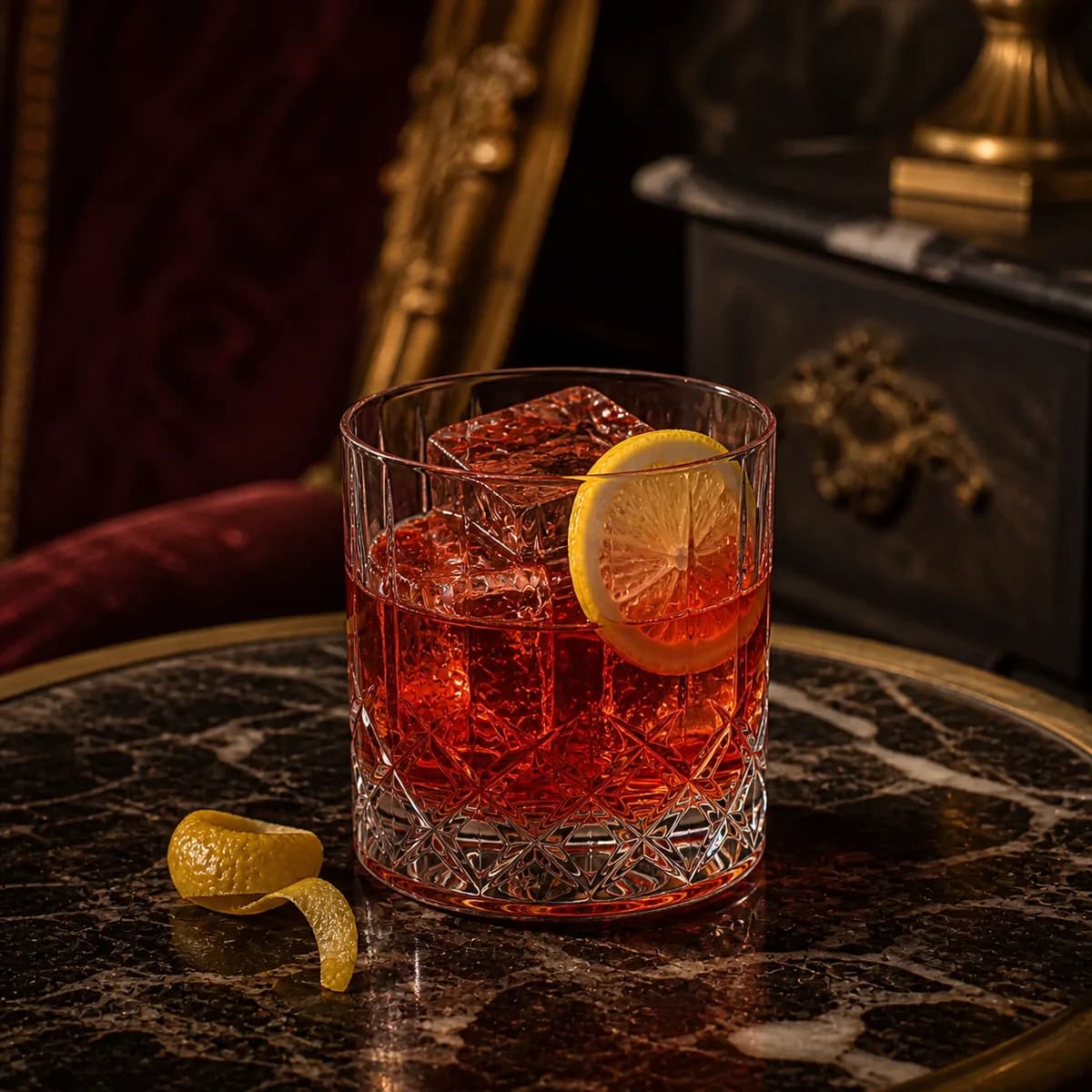
Brandy Daisy
Older than its vodka cousin by the better part of a century, and it shows in how the grenadine sits on brandy's own fruit rather than filling a hole. Lemon keeps it upright. A little orange liqueur ties the ends together.
View recipe