Classic cocktail · Guided recipe
Obituary
Start makingA New Orleans Dry Martini with a lethal edge: gin and dry vermouth laced with absinthe. Bracing and not for beginners.
In the glassGin · Dry vermouth · Absinthe
See exact amounts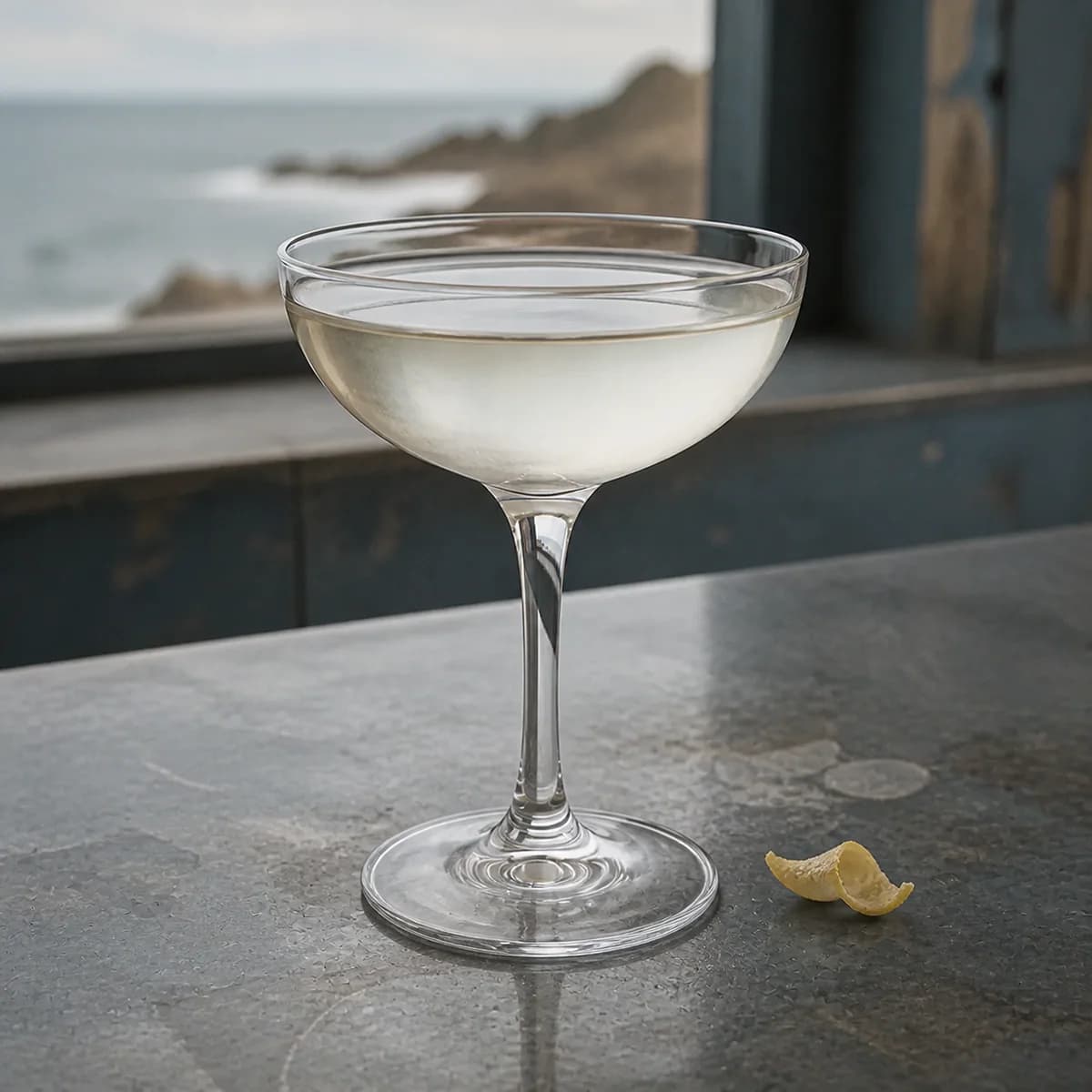
What goes in
Ingredients
Set up before you pour
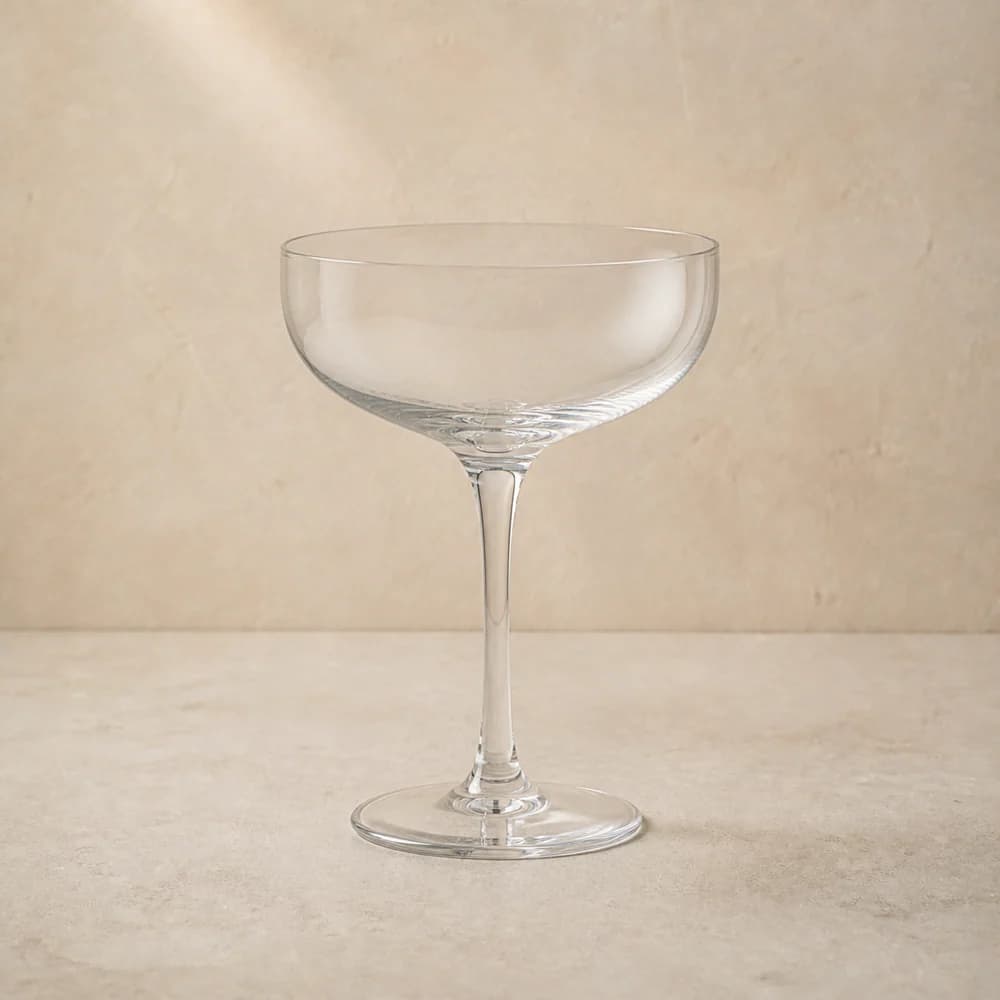
Use a coupe glass.
The stem keeps your hand away from a cold drink, while the rounded bowl makes an up serve easy to sip.
- Standard size
- 200 ml6¾ oz
- Ice & serve
- Chill it first; serve without ice.
- If you don’t own one
- Use a small martini glass or stemmed dessert glass.
- cocktail shaker
- strainer (or a small sieve)
- jigger or measuring spoon
- Gin60 ml
- Dry vermouth8 ml
- Absinthe8 ml
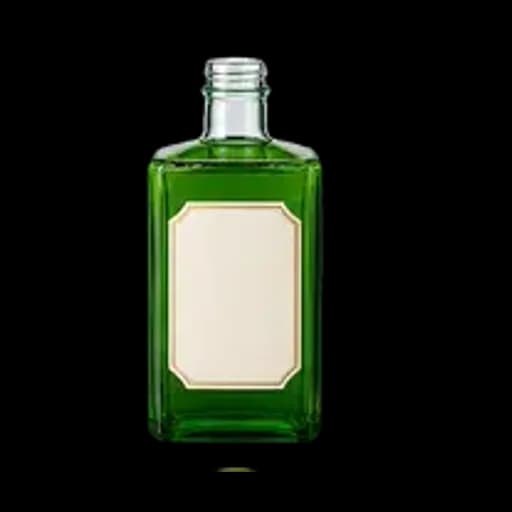
From bottle to glass
Method
- 01
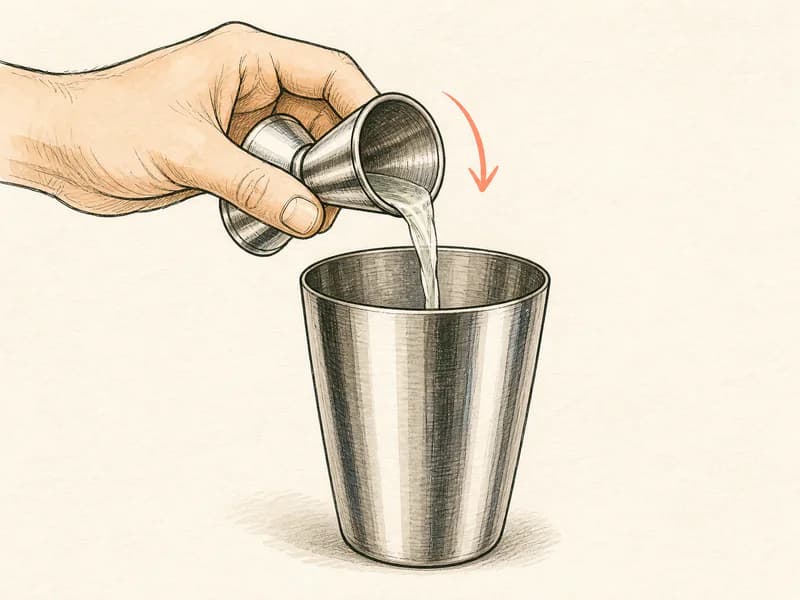
Measure into the shaker Pour 60 ml gin into your shaker
 Gin
Gin
- 02
Measure into the shaker Add 8 ml dry vermouth
 Dry vermouth
- 03
Measure into the shaker Add 8 ml absinthe
 Absinthe
- 04
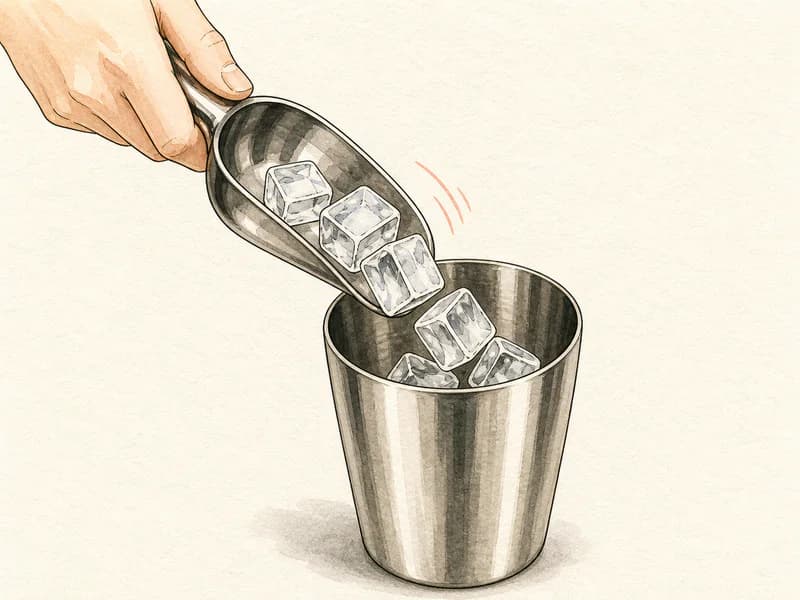
Ice the shaker Fill the shaker with ice
- 05
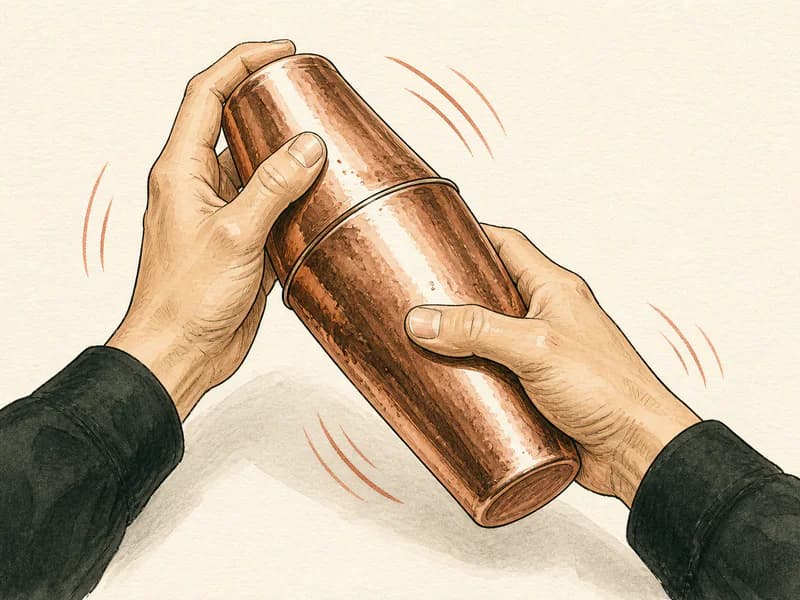
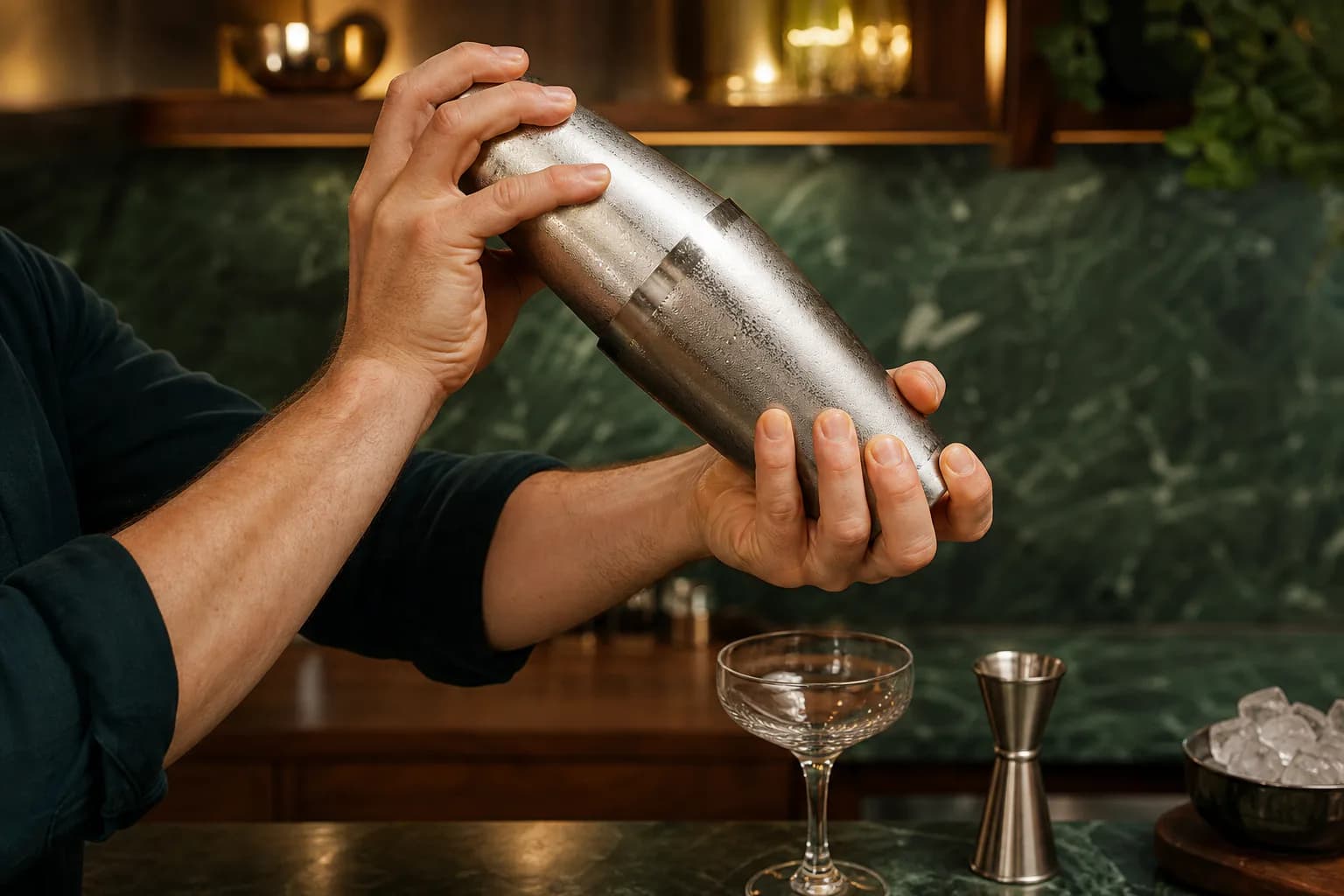
Seal and shake Seal and shake hard
- 06
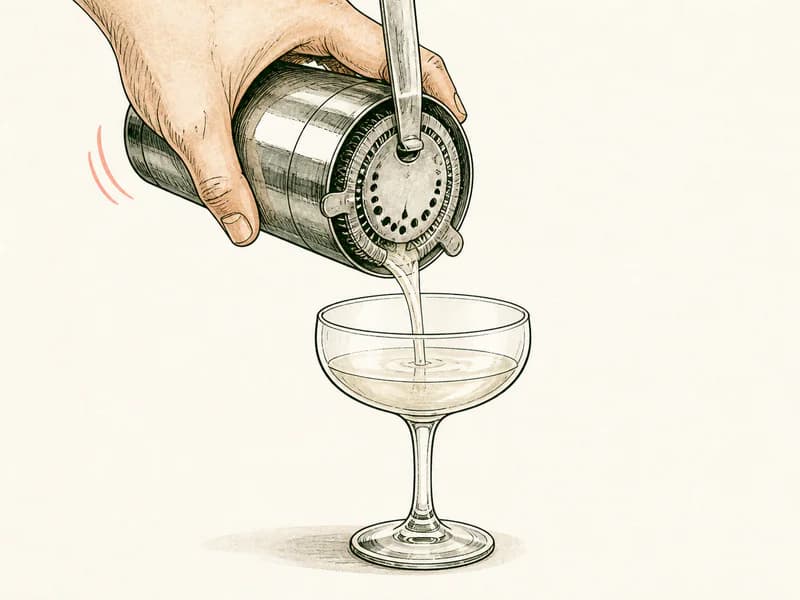
Strain cleanly Strain into a chilled glass — no ice
Know your drink
About the Obituary
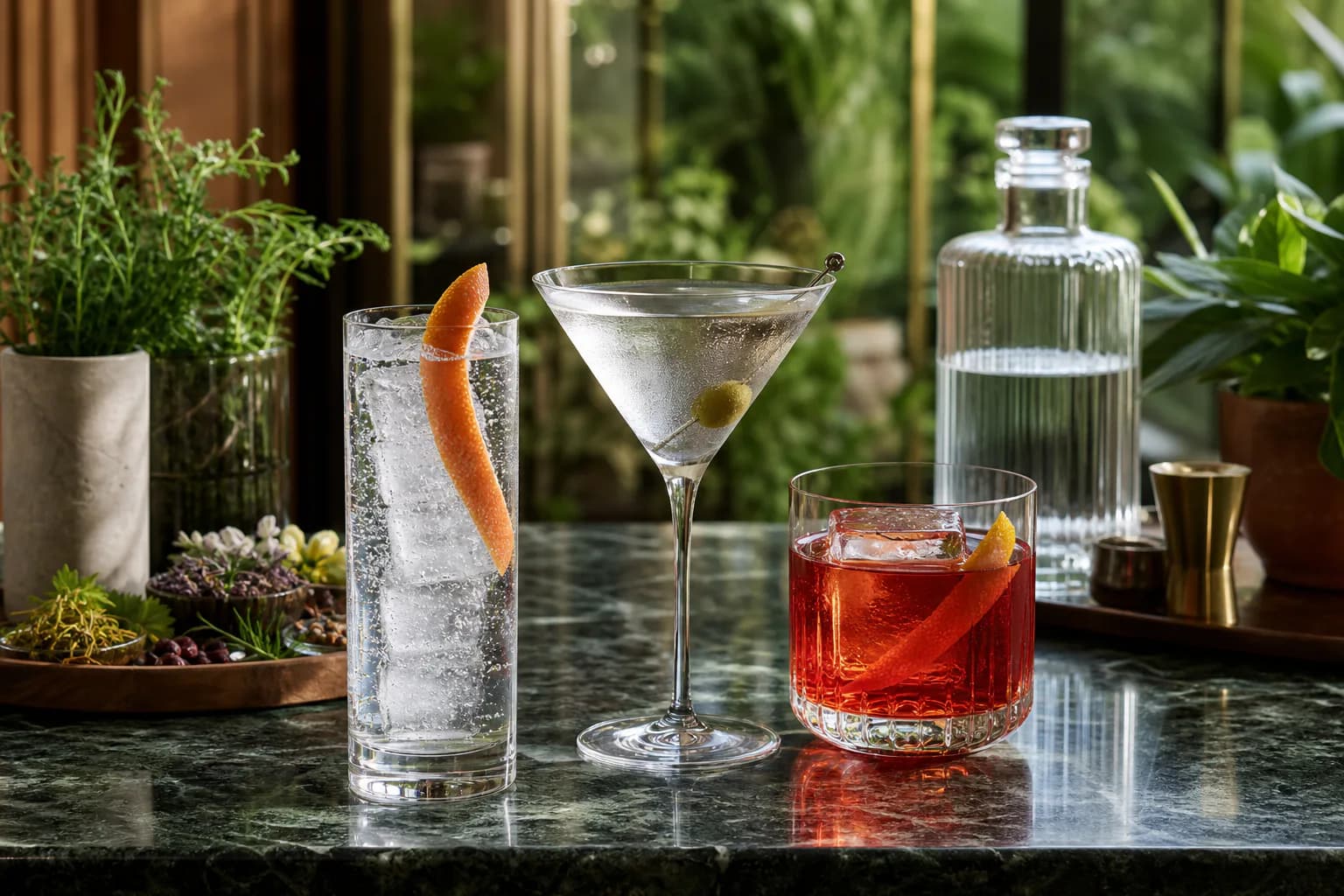
Three ways with absinthe
New Orleans bars use absinthe in three quite different ways, and this is the middle one. A Sazerac takes a rinse: coat the glass, throw out the excess, keep the aroma and almost none of the volume. An Absinthe Frappé goes long over crushed ice with water. Here it arrives as a measured modifier, which is why the drink is so unforgiving.
Herbsaint appeared in the 1930s, while absinthe was still banned in the United States, and it held the fort on New Orleans back bars for the better part of seventy years. The ban lifted in 2007 and the real thing returned. Bartenders who learned on the substitute often still reach for it out of habit.
Common questions
Obituary FAQ
Herbsaint or pastis: does either do the job?
Herbsaint is the New Orleans stand-in and slots straight in, though it's sweeter and shorter on wormwood bitterness, so the drink loses some of its bite. Pernod and other pastis bring more sugar again. With either one, start at 5 ml rather than 8 and taste before adding more.
Mine tastes like licorice and nothing else. What now?
Halve the absinthe. At 8 ml it is a tenth of the glass, and bottlings at 68 percent will steamroll everything around them. Anise belongs behind the juniper, not in front of it. A gin with real juniper weight helps hold that line, and so does a colder glass.
How low can the absinthe go before this is just a Martini?
Four milliliters is the floor. Below that the anise reads as an aftertaste and you have a dry Martini with a memory of licorice. A glass rinse sits below that line, which is why the rinsed version is a pleasant drink but not this one. Five to 8 ml is where it still argues back.
What is the louche, and should I be worried about it?
It's the milky bloom that arrives the moment water meets anise oil. Those oils dissolve in strong alcohol and not at all in water, so any dilution drops them out of solution. Cloudiness here means real anise oil in the bottle. A glassy-clear drink usually means you poured too little.
What ingredients are in an Obituary?
A classic Obituary calls for 60 ml (2 oz) Gin, 8 ml (0.25 oz) Dry vermouth, 8 ml (0.25 oz) Absinthe. That single-serve spec scales cleanly — the recipe above converts it to oz and multiplies it for 2–4 drinks.
How strong is an Obituary?
A standard Obituary is roughly 40% ABV once mixed (before ice melt softens it further). That makes it spirit-forward — closer to a Martini than to a beer, so sip it slowly.
Is an Obituary shaken or stirred?
An Obituary is shaken. About 13 seconds with plenty of ice chills and dilutes it correctly.
Sharpen the technique
Skills used in this recipe
Where to go next
If you like the Obituary, try these.
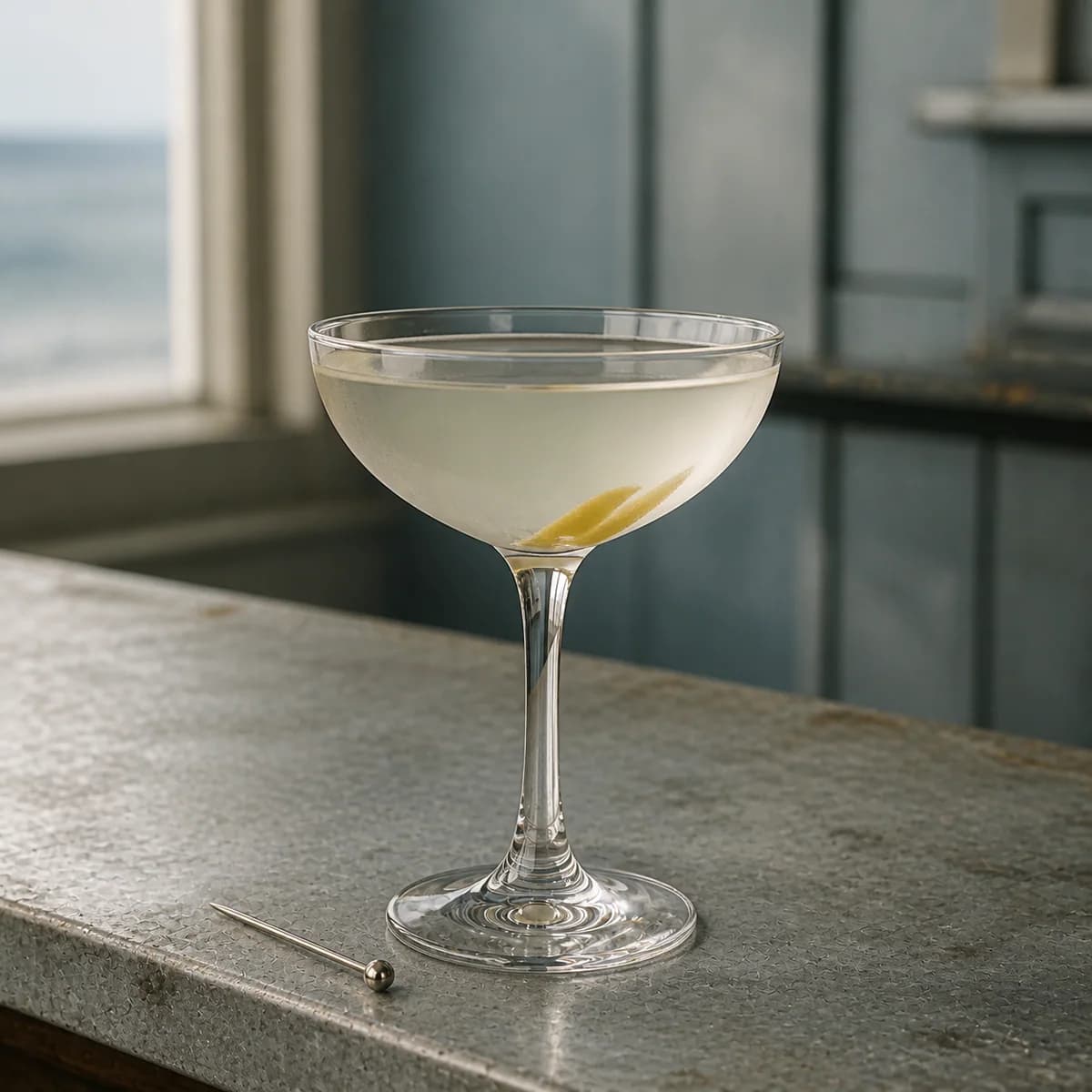
Third Degree
Absinthe is the whole idea here, and it is also the thing most people get wrong. A barspoon turns a wet Martini aromatic and faintly bitter. A free pour turns it into licorice with gin in it.
View recipe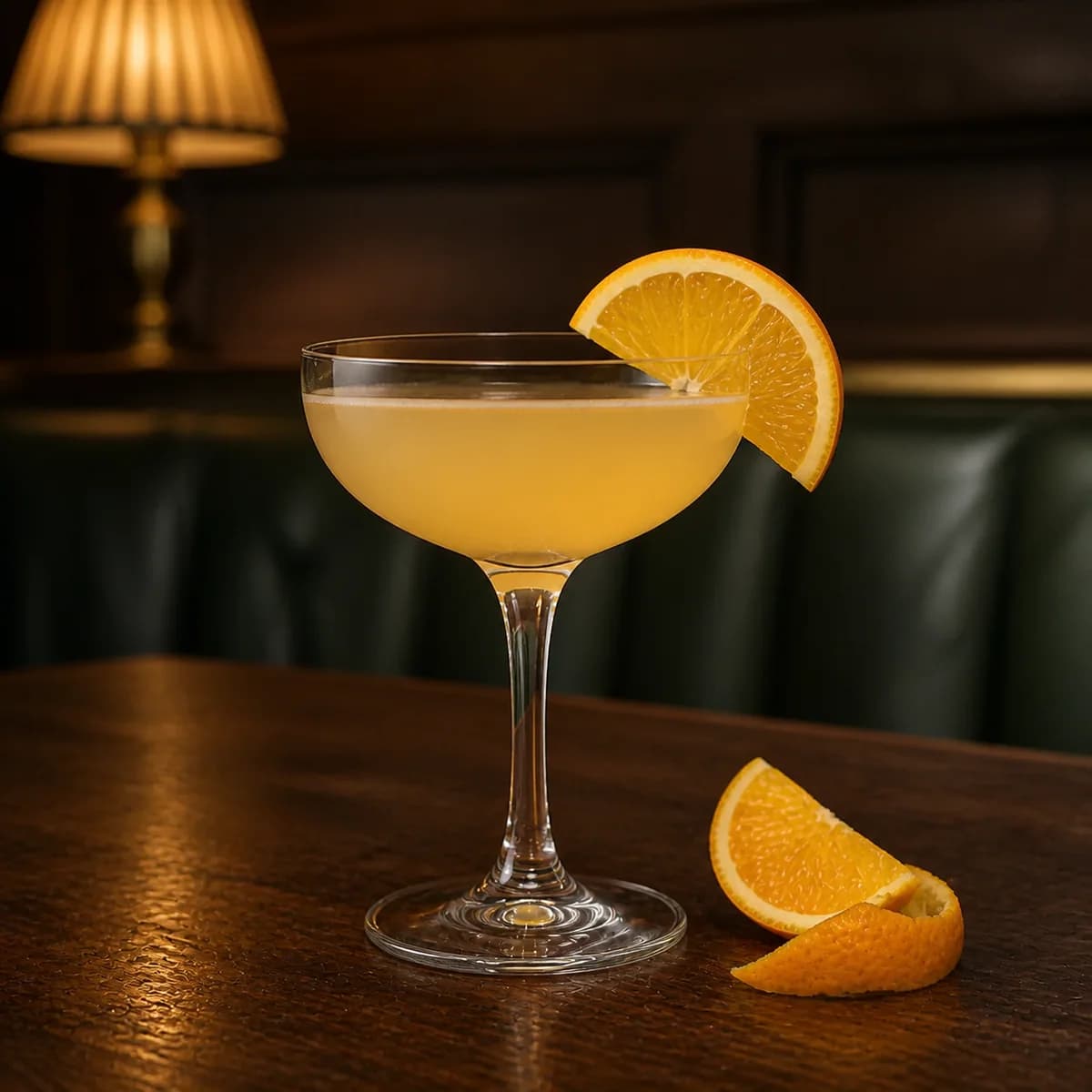
Bronx
A Perfect Martini with a splash of orange juice — gin, both vermouths and fresh orange. A forgotten member of the pre-Prohibition royalty.
View recipe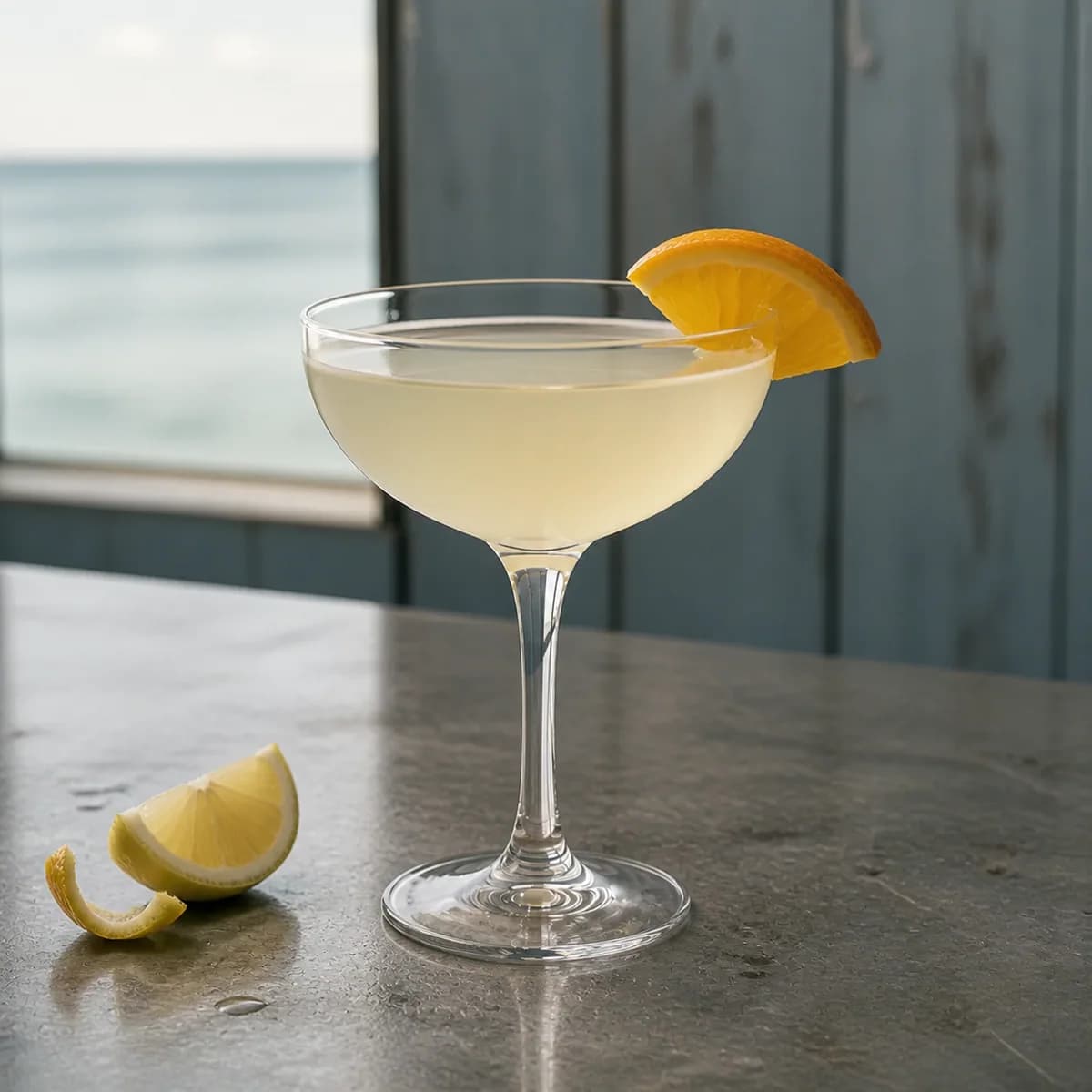
Corpse Reviver #2
The famous morning-after cure: equal parts gin, orange liqueur, blanc vermouth and lemon, with an absinthe rinse. Bright, dry and reviving.
View recipe