Classic cocktail · Guided recipe
Corpse Reviver Bleu
Start makingThe famous morning-after cure turned electric blue: blue curaçao stands in for the orange liqueur, with gin, blanc vermouth, lemon and an absinthe rinse.
In the glassGin · Blue curaçao · Blanc vermouth · Fresh lemon juice · Absinthe
See exact amounts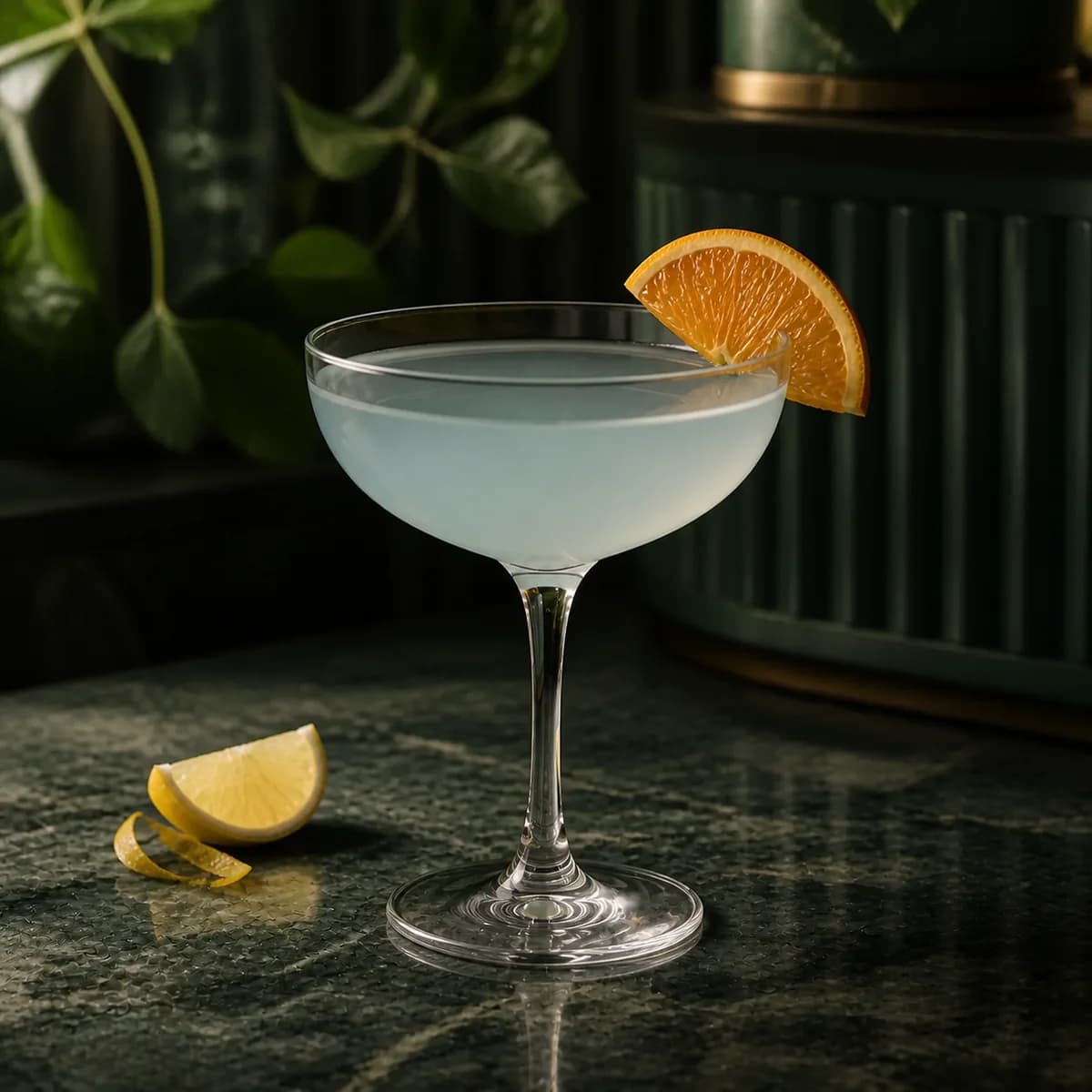
What goes in
Ingredients
Set up before you pour
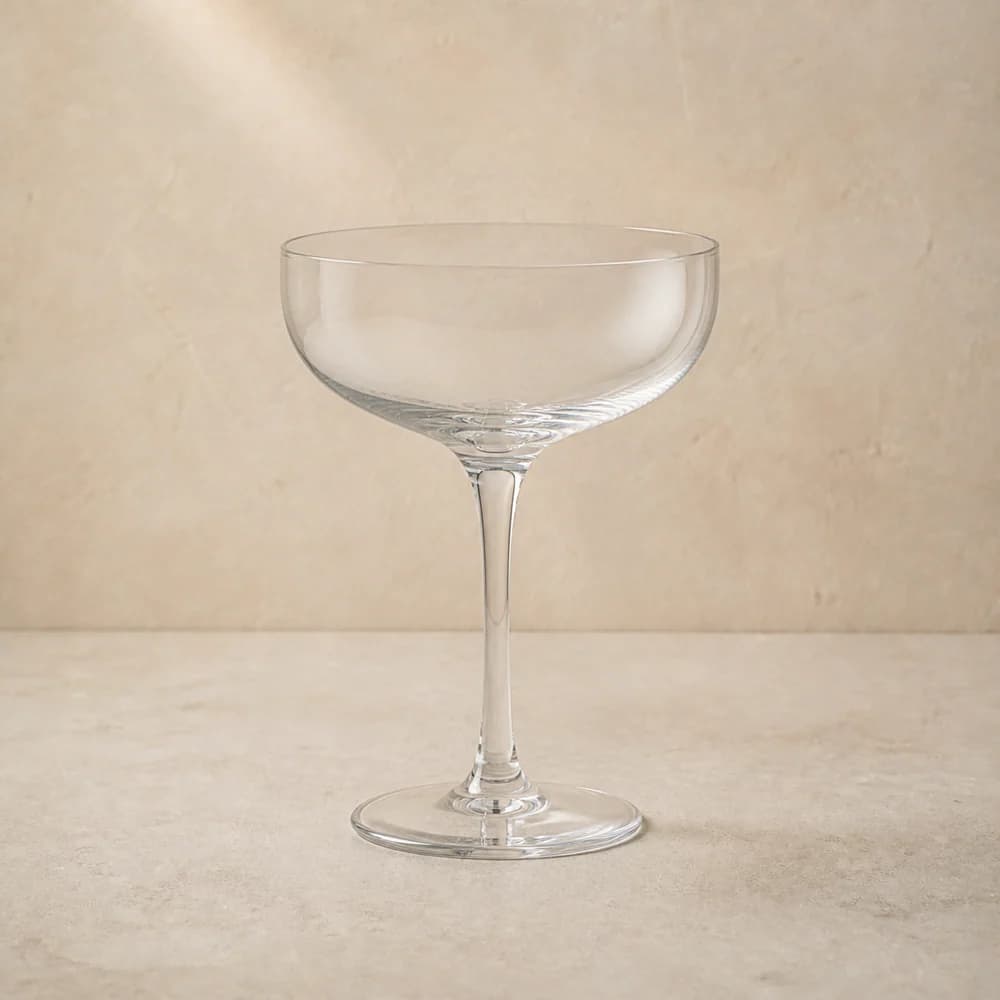
Use a coupe glass.
The stem keeps your hand away from a cold drink, while the rounded bowl makes an up serve easy to sip.
- Standard size
- 200 ml6¾ oz
- Ice & serve
- Chill it first; serve without ice.
- If you don’t own one
- Use a small martini glass or stemmed dessert glass.
- cocktail shaker
- strainer (or a small sieve)
- jigger or measuring spoon
- Gin22 ml
- Blue curaçao22 ml
- Blanc vermouth22 ml
- Absinthe1 dash
- Fresh lemon juice22 ml
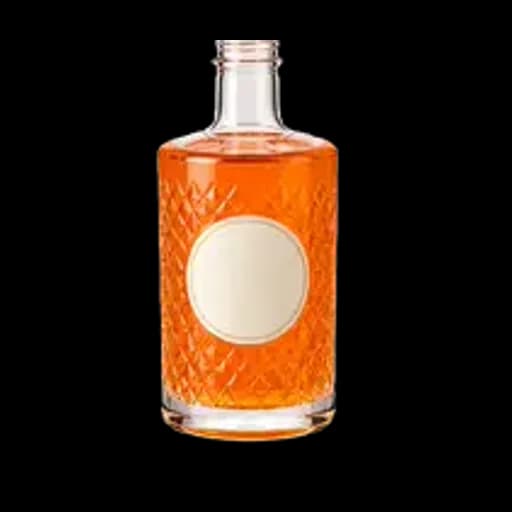
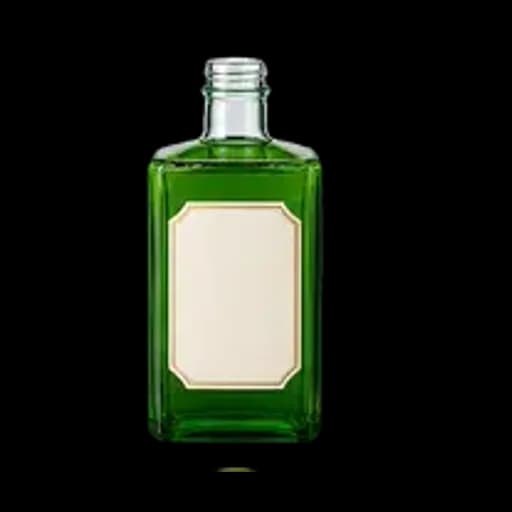
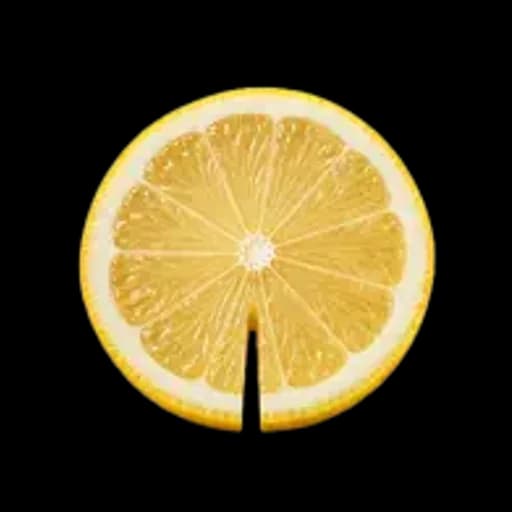
From bottle to glass
Method
- 01
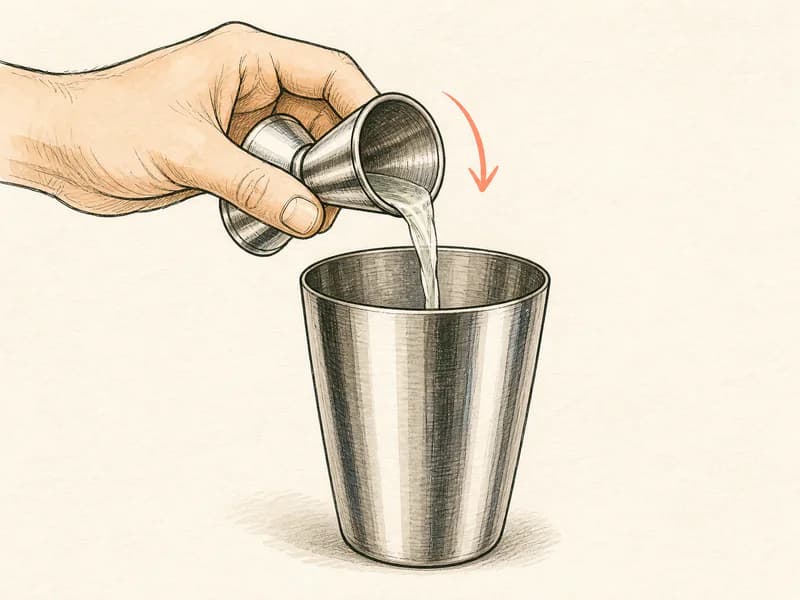
Measure into the shaker Pour 22 ml gin into your shaker
 Gin
Gin
- 02
Measure into the shaker Add 22 ml blue curaçao
 Blue curaçao
- 03
Measure into the shaker Add 22 ml blanc vermouth
 Blanc vermouth
- 04
Measure into the shaker Add 22 ml fresh lemon juice
 Fresh lemon juice
- 05
Measure into the shaker Add 1 dash absinthe
 Absinthe
- 06
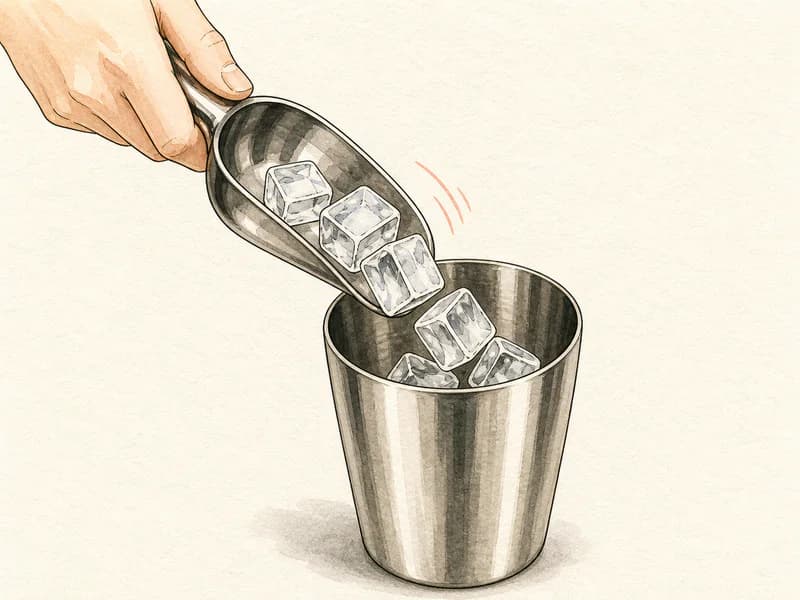
Ice the shaker Fill the shaker with ice
- 07
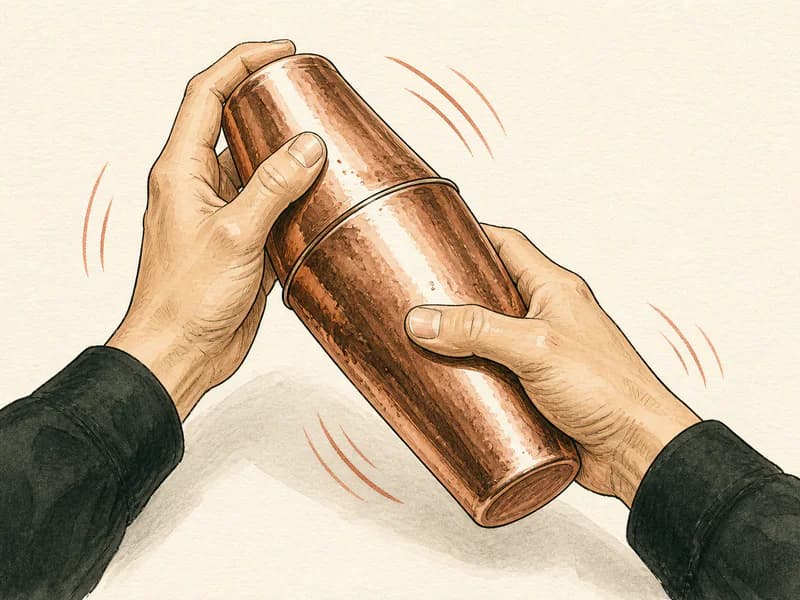
Seal and shake Seal and shake hard
- 08
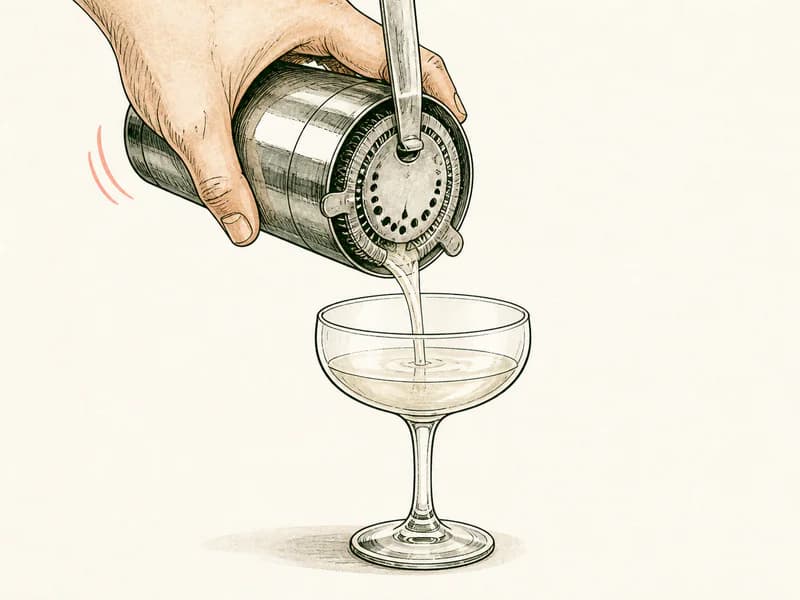
Strain cleanly Strain into a chilled glass — no ice
- 09
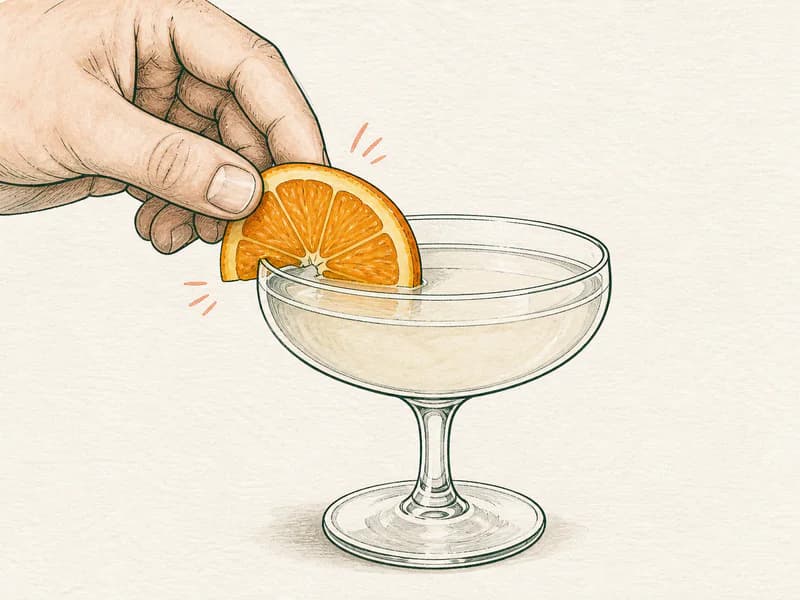
Finish the drink Finish it — add an orange slice
Know your drink
About the Corpse Reviver Bleu
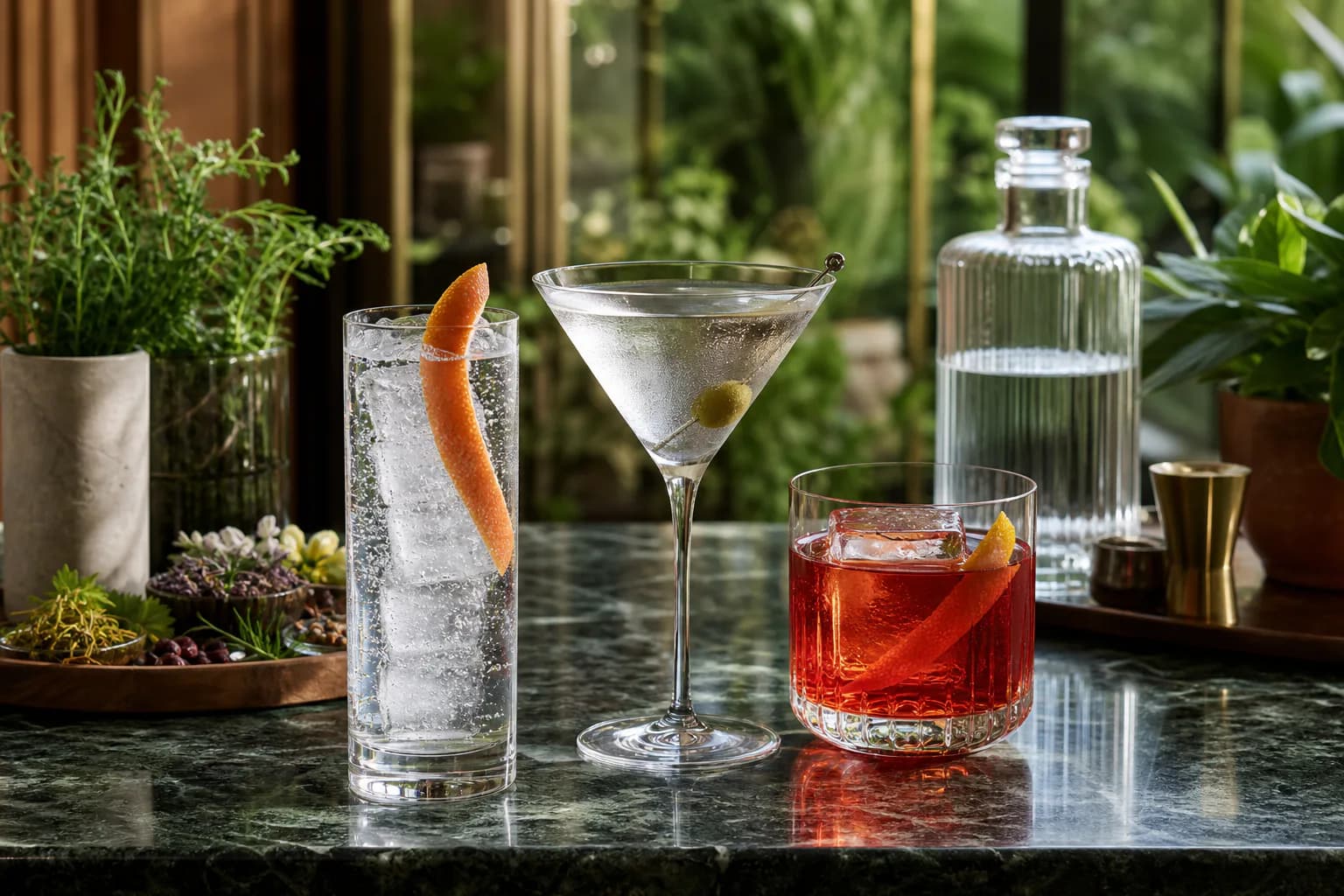
Recoloring a Savoy classic
Four taken in swift succession will unrevive the corpse, runs the warning printed alongside the No. 2 in the 1930 Savoy Cocktail Book. Blue versions keep that build and its equal-parts logic, changing only which orange liqueur goes in. Nobody claims this as an older drink, and it is best treated as what it is: the same cocktail wearing a different coat.
Curacao brands vary wildly in sugar and in proof, from 15% syrups to 30% liqueurs, and at 22 ml that gap is the difference between a balanced drink and a sweet one. Taste yours neat first. If it sits closer to a syrup, cut it to 15 ml and add 7 ml of dry triple sec to make up the volume.
Common questions
Corpse Reviver Bleu FAQ
Is this a Corpse Reviver No. 2 with food coloring in it?
Closer than that. Blue curaçao is orange liqueur with color added, so swapping it for Cointreau changes the shade far more than the flavor. Most blue bottlings run sweeter and lower proof, though, so the drink lands a touch softer and a touch less dry.
How much absinthe counts as a rinse?
About 5 ml, swirled around a chilled coupe until the inside is coated, then tipped out. Some bartenders keep the excess and drink it. What stays behind is enough anise to meet you on the nose without taking over. An atomizer with two sprays does the same job.
It came out murky green instead of blue. What happened?
Blue plus yellow makes green, and lemon juice is yellow. Cloudy juice or a golden-tinted vermouth pushes it toward teal fast. Use freshly strained lemon, a pale blanc vermouth, and a proper double strain. Cheap curaçao with weak dye loses that fight altogether.
Blanc vermouth or dry vermouth?
Blanc, and the difference matters. Blanc is a sweetened white vermouth with vanilla and elderflower notes, filling the space Lillet Blanc holds in the original. Dry vermouth leaves the drink skeletal, all acid and juniper with nothing in the middle to catch it.
No coupe in the house. What else works?
Any stemmed glass you can chill and rinse: a small wine glass, a martini glass, even a champagne flute at a push. What you need is absinthe coating a cold interior and no ice in the finished drink. A tumbler works too, it just warms up faster.
What ingredients are in a Corpse Reviver Bleu?
A classic Corpse Reviver Bleu calls for 22 ml (0.75 oz) Gin, 22 ml (0.75 oz) Blue curaçao, 22 ml (0.75 oz) Blanc vermouth, 22 ml (0.75 oz) Fresh lemon juice, 1 dash absinthe Absinthe. That single-serve spec scales cleanly — the recipe above converts it to oz and multiplies it for 2–4 drinks.
How strong is a Corpse Reviver Bleu?
A standard Corpse Reviver Bleu is roughly 20% ABV once mixed (before ice melt softens it further). That makes it spirit-forward — closer to a Martini than to a beer, so sip it slowly.
Sharpen the technique
Skills used in this recipe
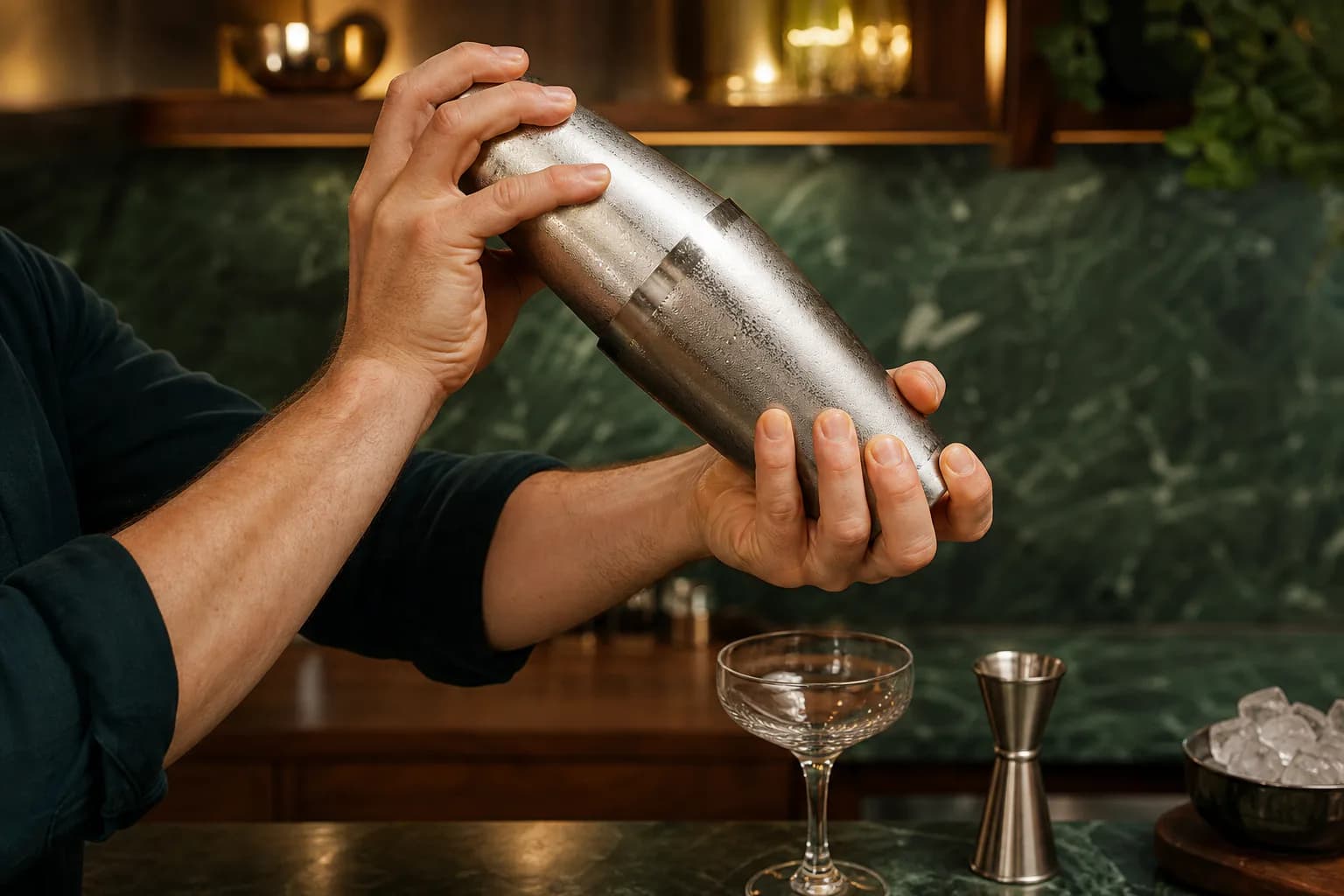
How to shake a cocktail properly
The grip, timing, ice and visual cues that make shaken drinks colder and brighter.
Read the guide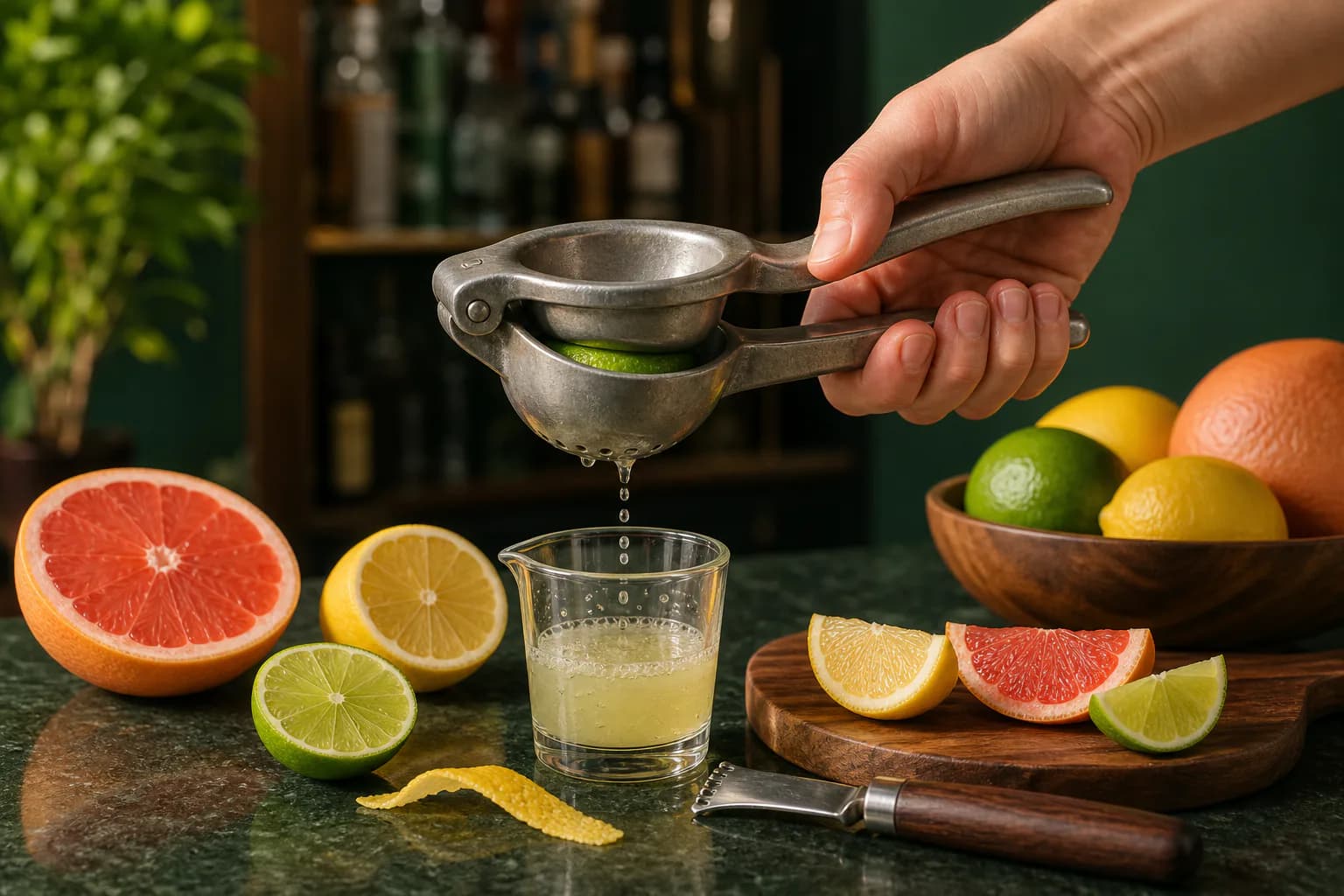
Fresh citrus for cocktails: juice, wedges and balance
Get brighter lime, lemon and grapefruit flavor with better prep and storage.
Read the guideWhere to go next
If you like the Corpse Reviver Bleu, try these.
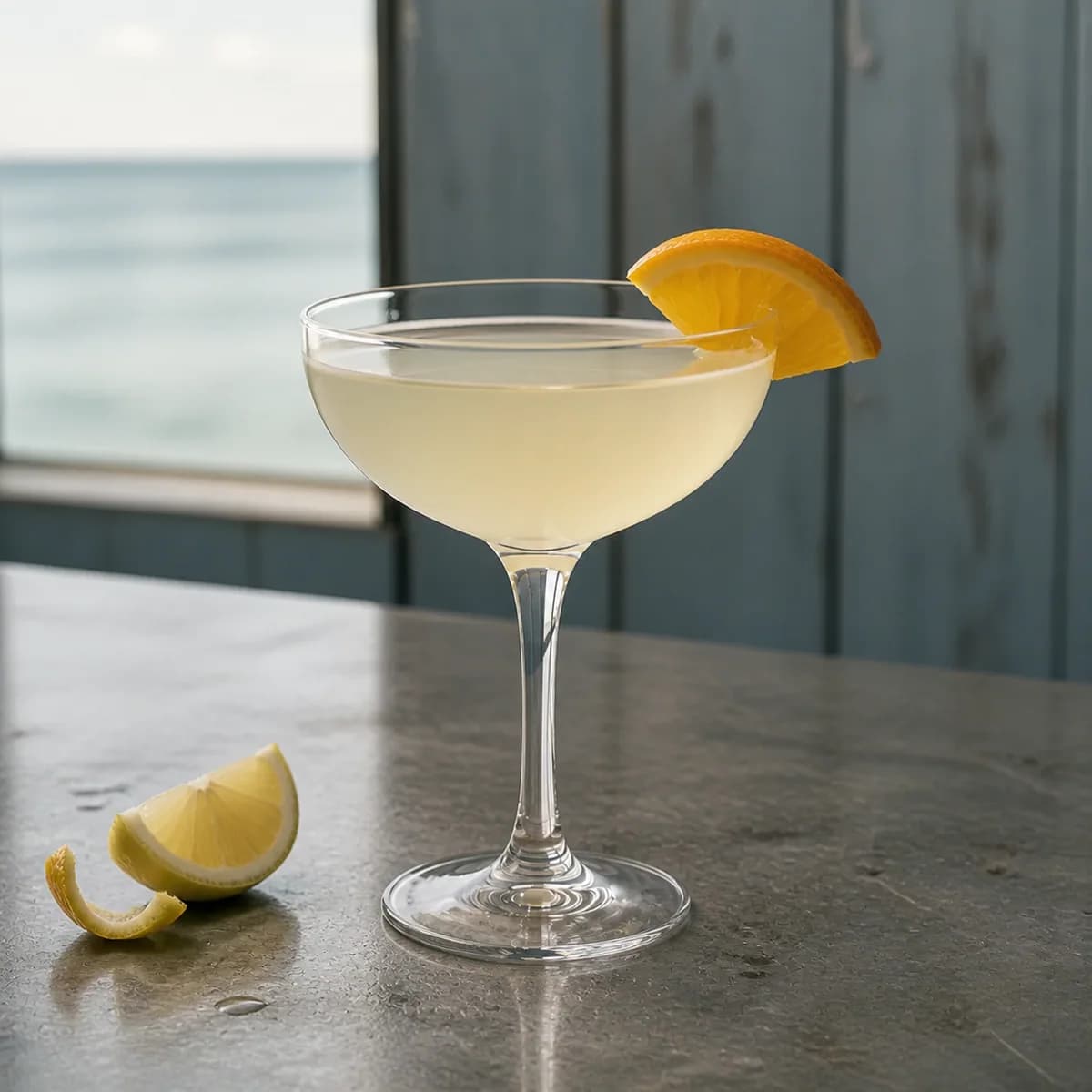
Corpse Reviver #2
The famous morning-after cure: equal parts gin, orange liqueur, blanc vermouth and lemon, with an absinthe rinse. Bright, dry and reviving.
View recipe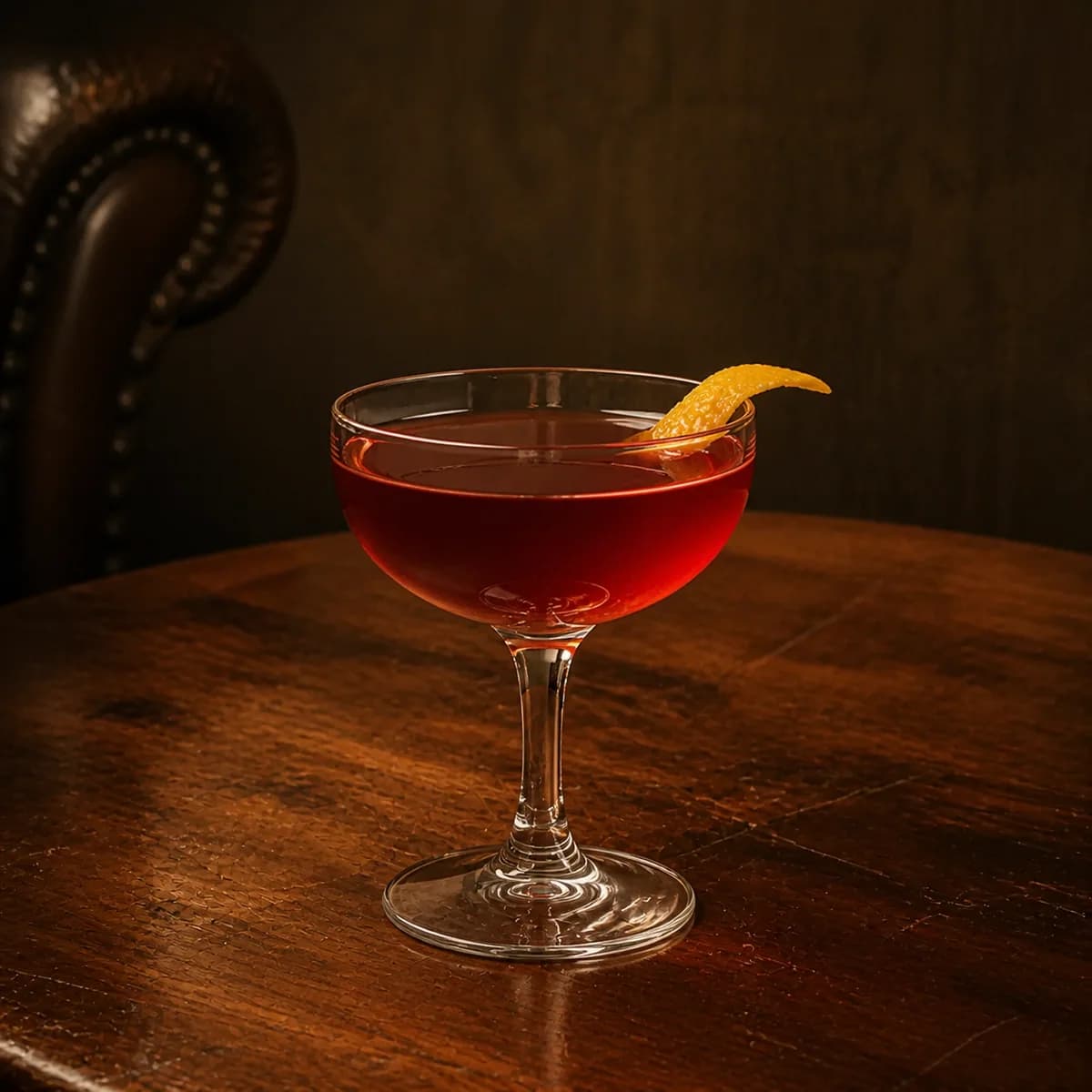
Corpse Reviver #1
The older, spirituous Corpse Reviver: cognac and apple brandy stiffened with sweet vermouth. Rich, warming and bracing.
View recipe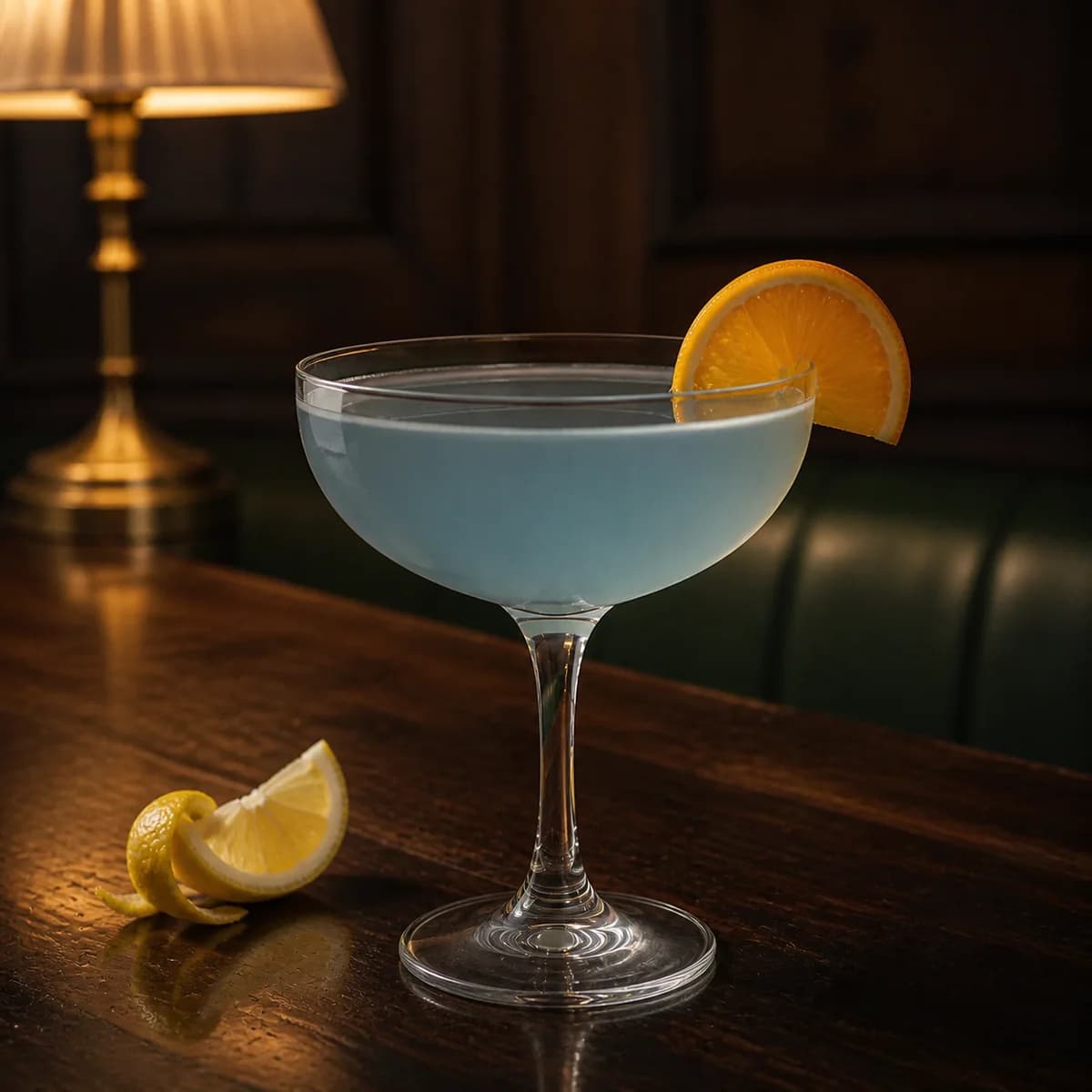
Blue Train
Eight milliliters of blue curaçao does the work of a food dye here, set against 15 of real triple sec. So it tastes like a dry gin sour with a lemon backbone and looks like a swimming pool. Buy the curaçao that actually tastes of orange.
View recipe