Classic cocktail · Guided recipe
Olympic
Start makingOrange twice over: liqueur for the perfume, fresh juice for the body, wrapped around cognac in equal thirds. Rounder and gentler than a Sidecar, since juice never bites the way straight lemon does.
In the glassCognac · Triple sec / Cointreau · Orange juice
See exact amounts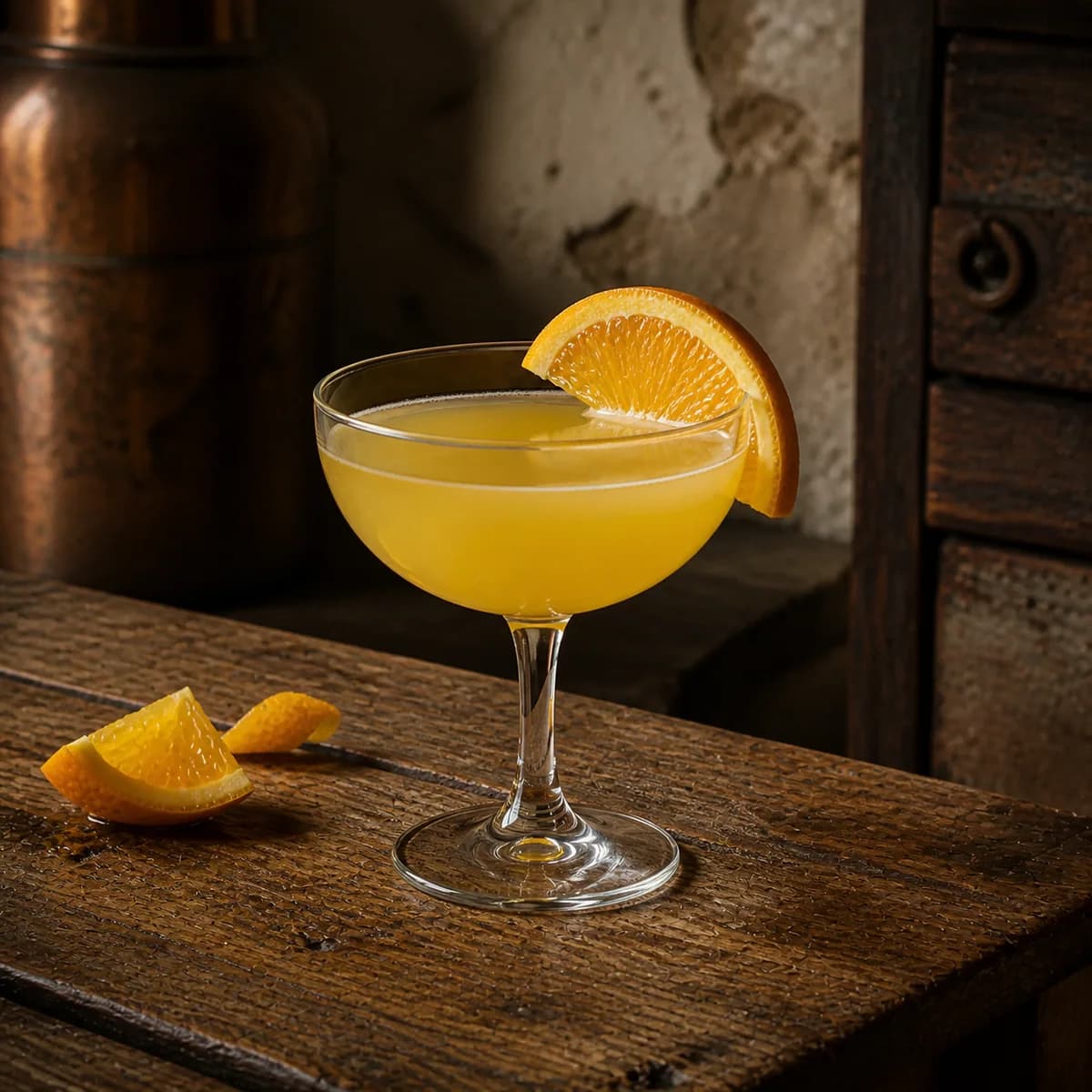
What goes in
Ingredients
Set up before you pour
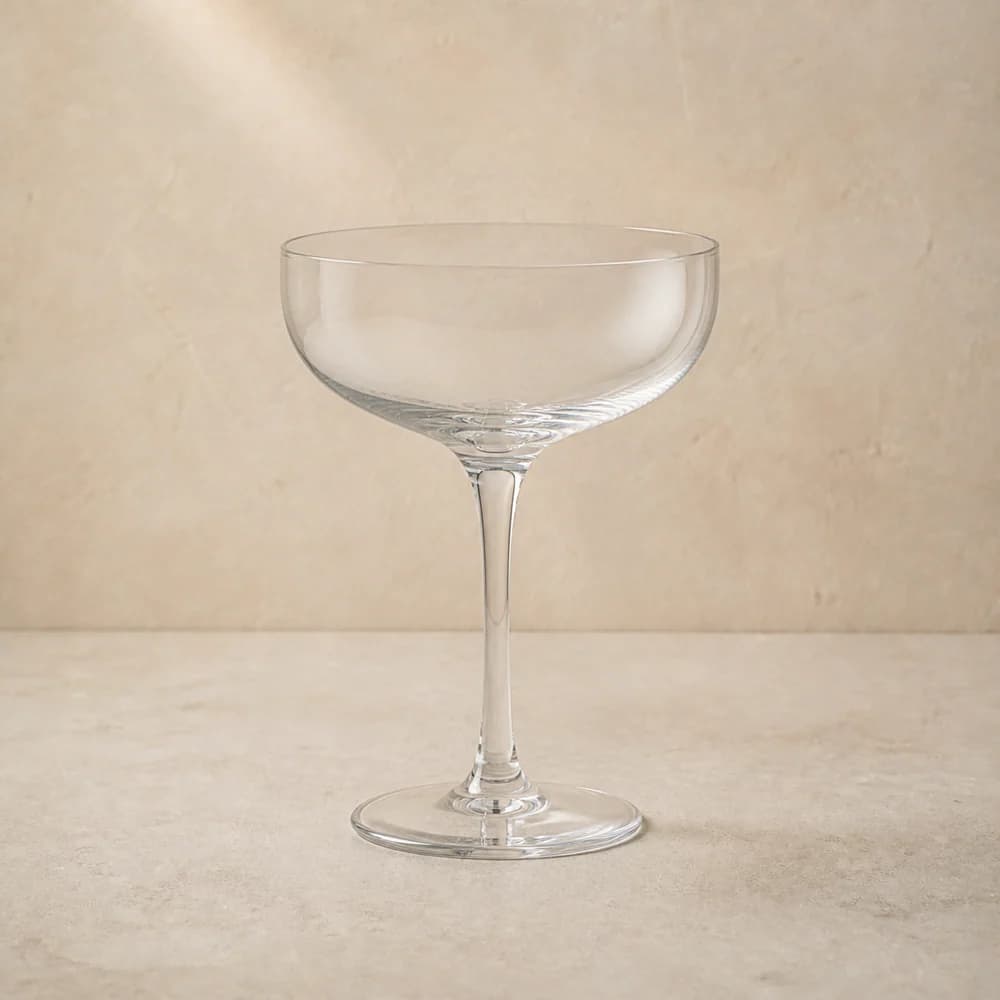
Use a coupe glass.
The stem keeps your hand away from a cold drink, while the rounded bowl makes an up serve easy to sip.
- Standard size
- 200 ml6¾ oz
- Ice & serve
- Chill it first; serve without ice.
- If you don’t own one
- Use a small martini glass or stemmed dessert glass.
- cocktail shaker
- strainer (or a small sieve)
- jigger or measuring spoon
- Cognac30 ml
- Triple sec / Cointreau30 ml
- Orange juice30 ml
From bottle to glass
Method
- 01
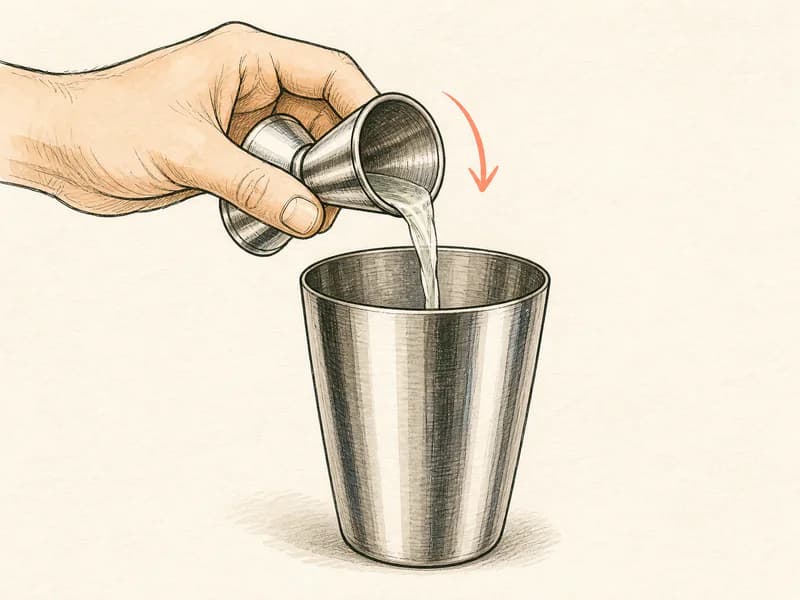
Measure into the shaker Pour 30 ml cognac into your shaker
 Cognac
- 02
Measure into the shaker Add 30 ml triple sec / cointreau
 Triple sec / Cointreau
- 03
Measure into the shaker Add 30 ml orange juice
 Orange juice
- 04
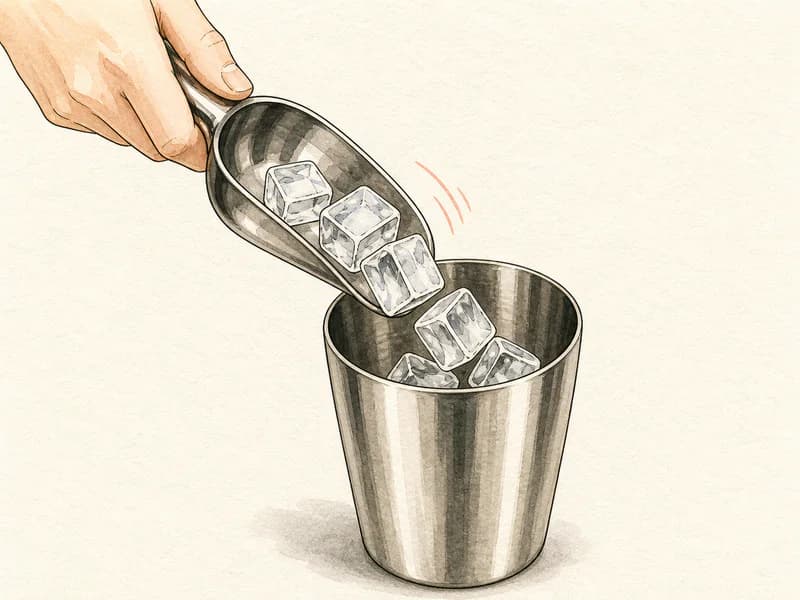
Ice the shaker Fill the shaker with ice
- 05
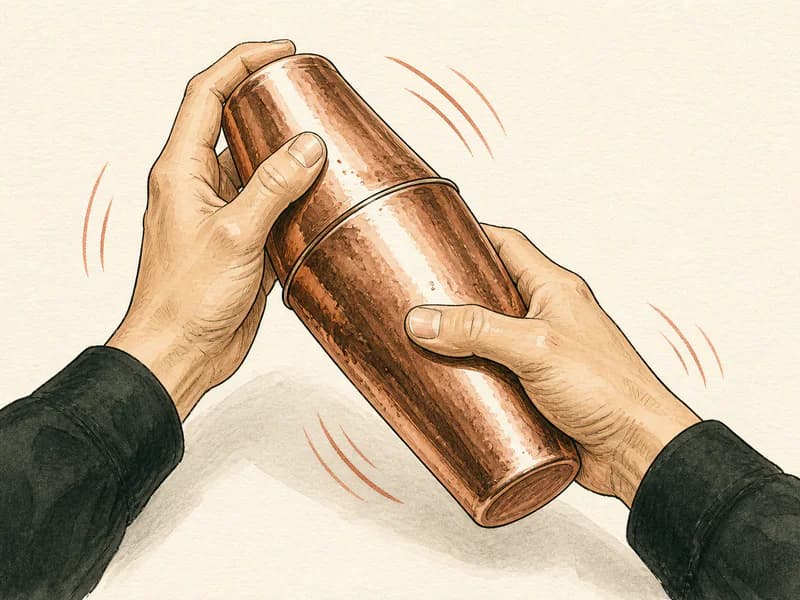
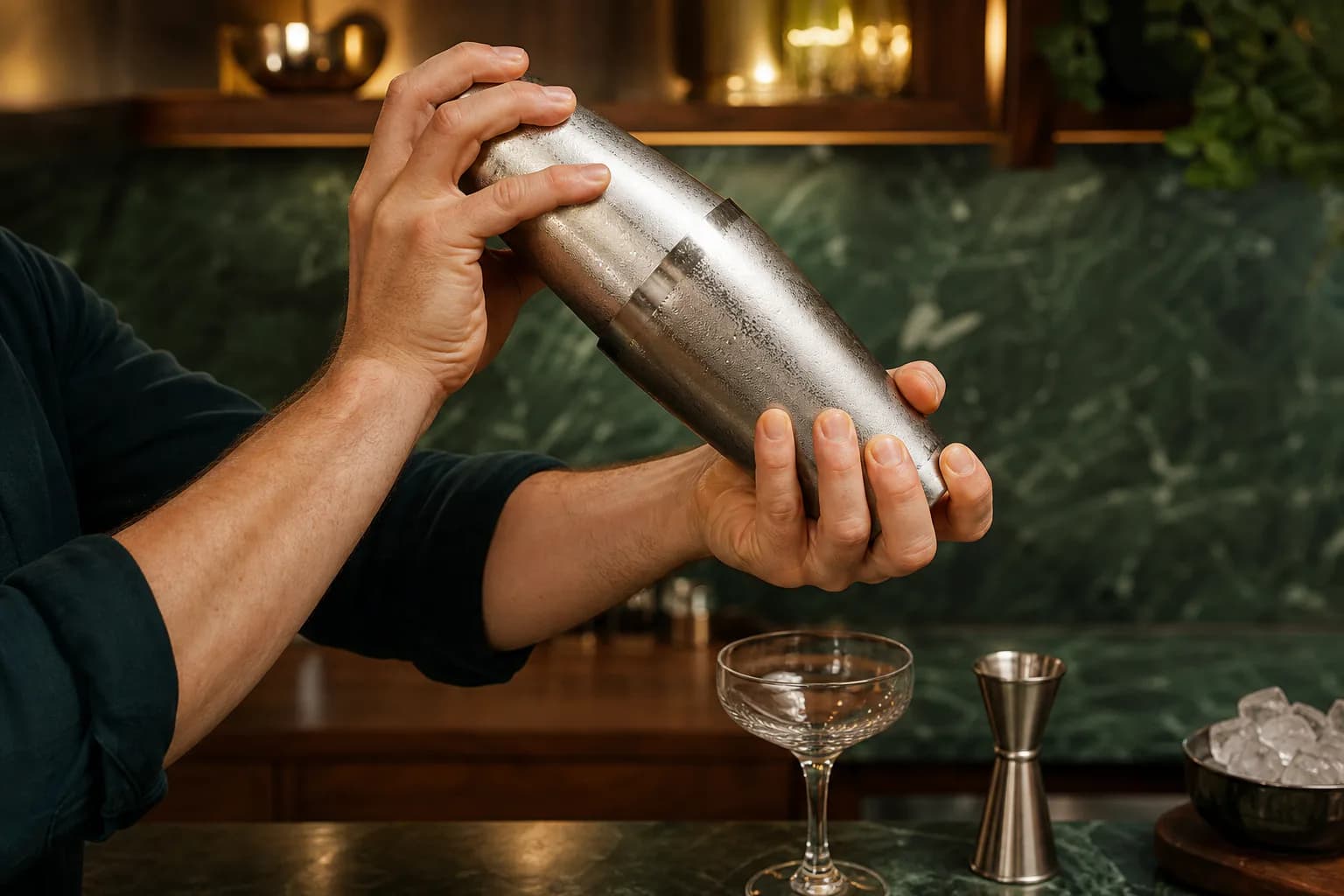
Seal and shake Seal and shake hard
- 06
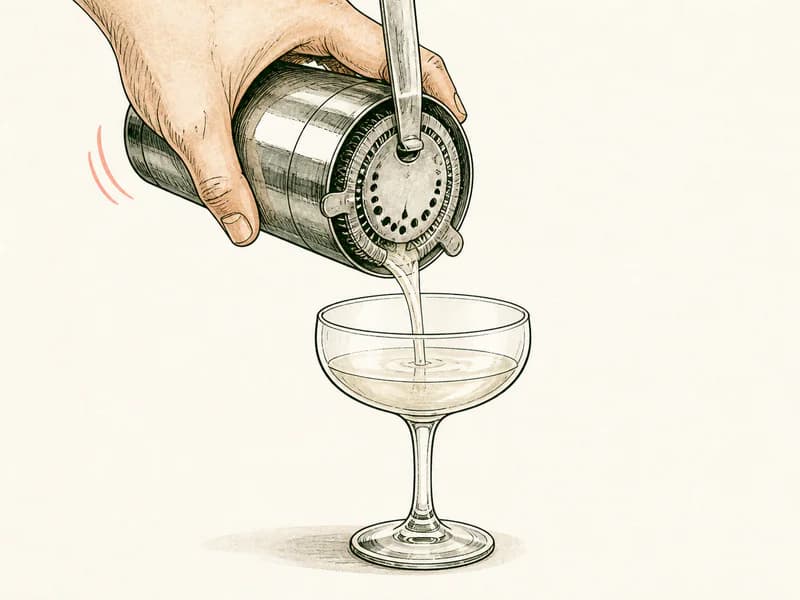
Strain cleanly Strain into a chilled glass — no ice
- 07
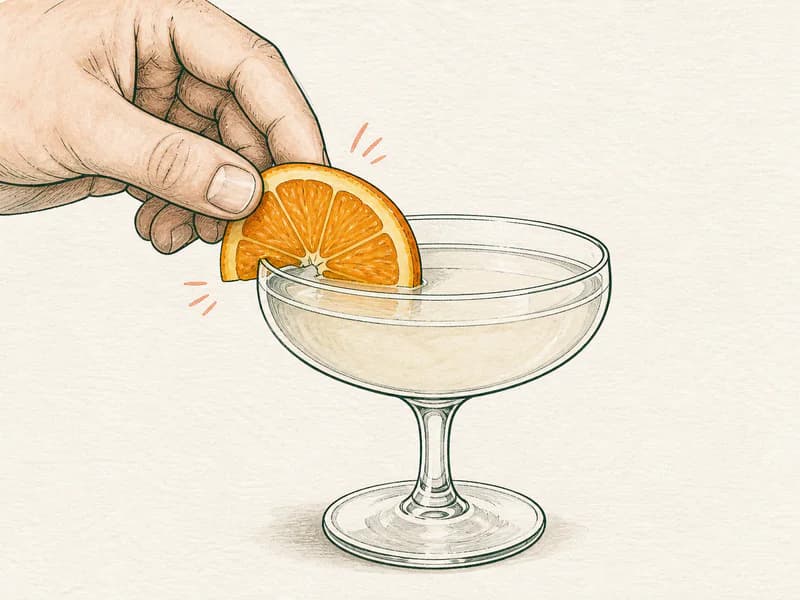
Finish the drink Finish it — add an orange slice
Know your drink
About the Olympic
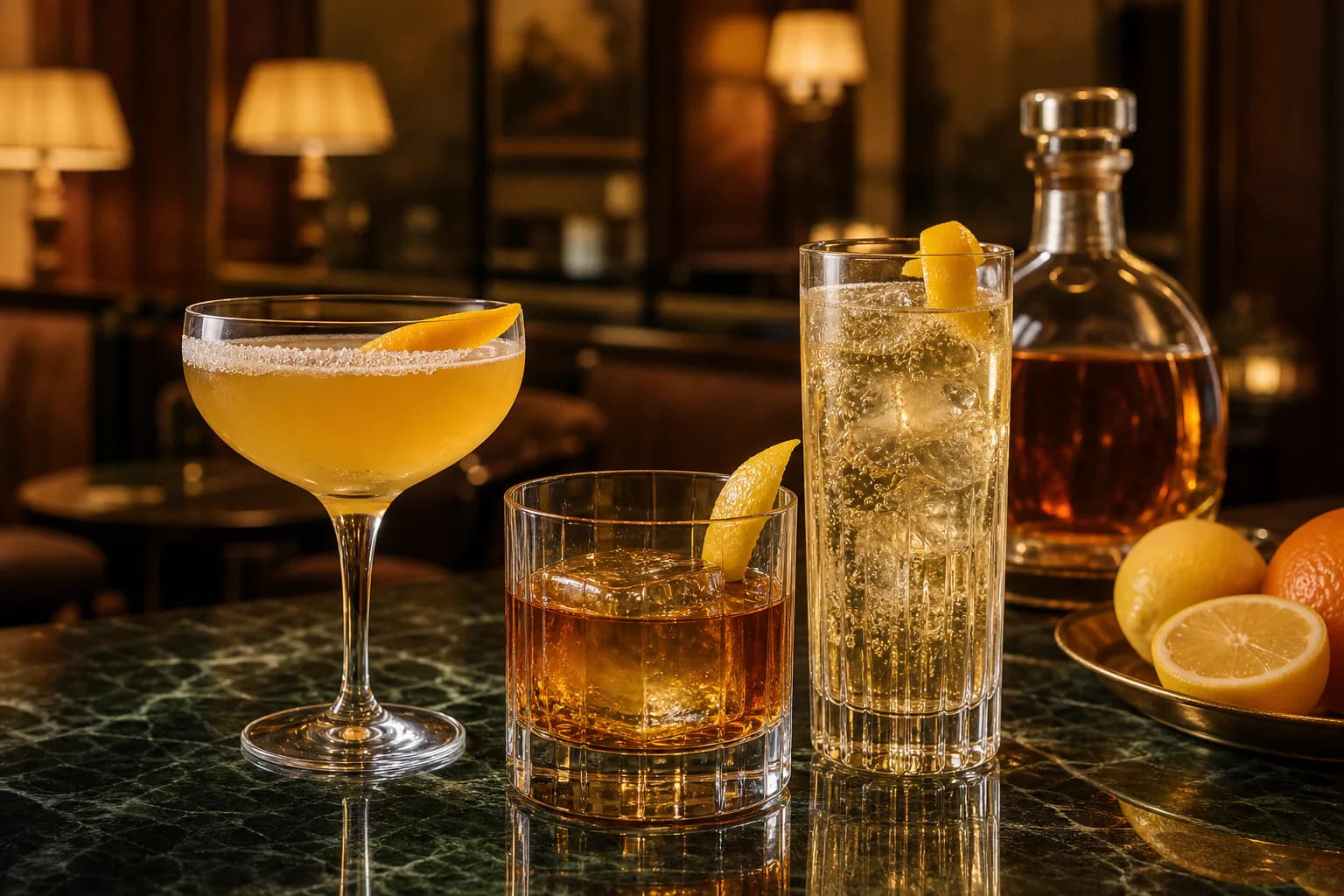
Squeeze it yourself
Juice from a carton is the single most common reason this comes out dull. Fresh orange loses its top notes within about half an hour of leaving the fruit, and here it makes up a third of the volume with no lemon or bitters to paper over the gap. Squeeze, strain the seeds out, pour, drink.
VSOP is the sweet spot for the brandy. A young VS vanishes under that much orange, while anything above XO is money thrown away, because the juice flattens the oak you paid for. Equal-parts drinks are unforgiving in that respect: whatever occupies the middle slot has to be exactly as loud as the two beside it.
Common questions
Olympic FAQ
Will carton orange juice do?
Not when it is a third of the glass. Pasteurized juice tastes cooked, and the pulp-free kind leaves the drink thin and slightly hollow. Two medium oranges give you enough for three drinks, and the juice should go in within ten minutes of squeezing.
Which oranges should I be squeezing?
Late-season Valencias if your shop has them, since they give plenty of juice at moderate sweetness. Navels turn bitter within an hour or so of squeezing, so use those immediately if they are what is in the bowl. Blood oranges make it beautiful and sweeter.
There's a pale foam on top. Did I do something wrong?
That is just the juice. Citrus pulp whips air into a light head that settles within a minute or two, and it is why the drink looks golden rather than clear. Pour it through a fine strainer on the way into the coupe if it bothers you.
Is it strong enough to serve before dinner?
Barely. With a third of the glass as juice and another third as liqueur you are drinking somewhere around 20%, lighter and sweeter than most stirred aperitifs. It suits a long lunch better. Push the cognac to 45 ml if you want more spine.
What ingredients are in an Olympic?
A classic Olympic calls for 30 ml (1 oz) Cognac, 30 ml (1 oz) Triple sec / Cointreau, 30 ml (1 oz) Orange juice. That single-serve spec scales cleanly — the recipe above converts it to oz and multiplies it for 2–4 drinks.
How strong is an Olympic?
A standard Olympic is roughly 26% ABV once mixed (before ice melt softens it further). That makes it spirit-forward — closer to a Martini than to a beer, so sip it slowly.
Is an Olympic shaken or stirred?
An Olympic is shaken. About 13 seconds with plenty of ice chills and dilutes it correctly.
Sharpen the technique
Skills used in this recipe
Where to go next
If you like the Olympic, try these.
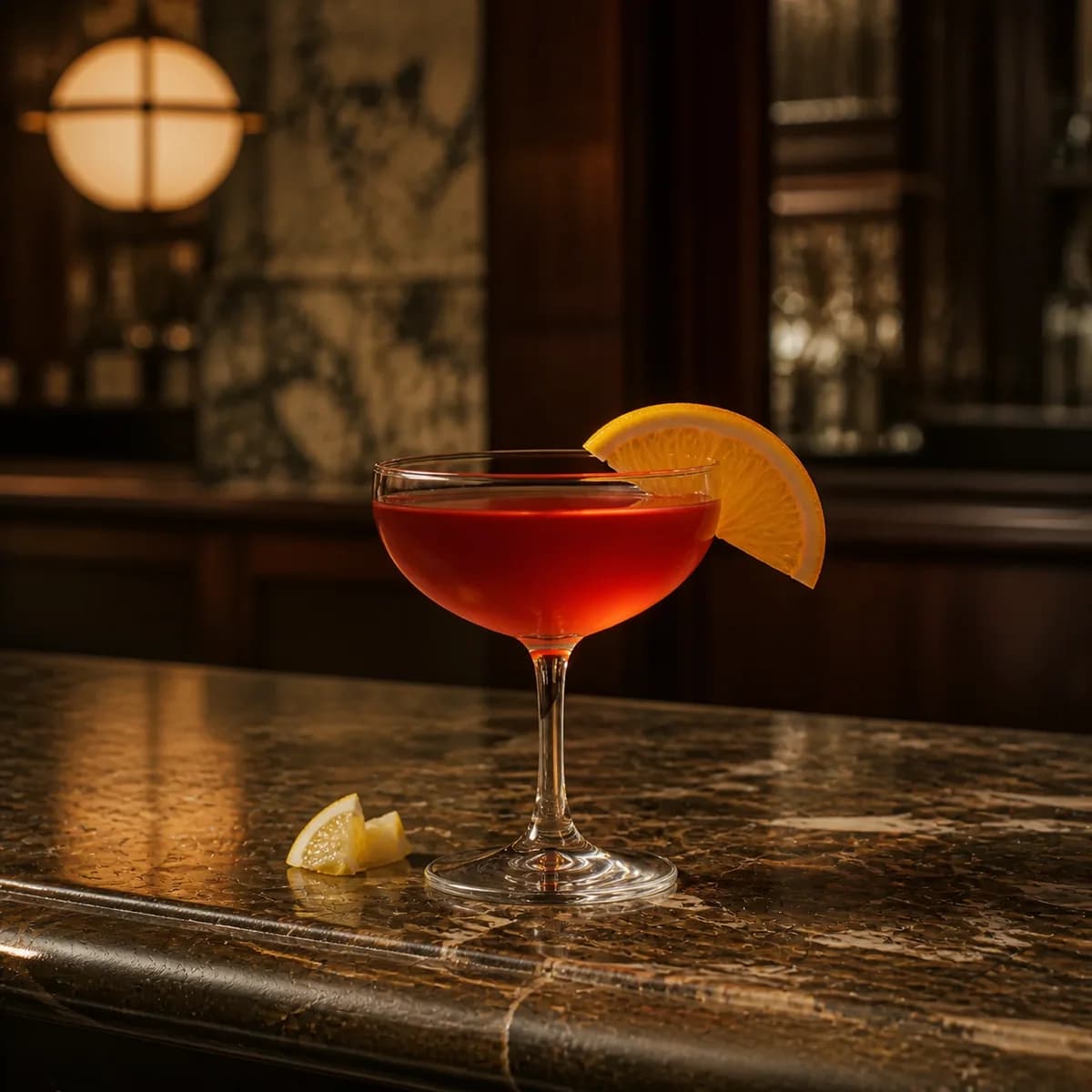
Sidecar
Cognac, orange liqueur and lemon in balance — the template for every brandy sour. Bright, warming and elegant.
View recipe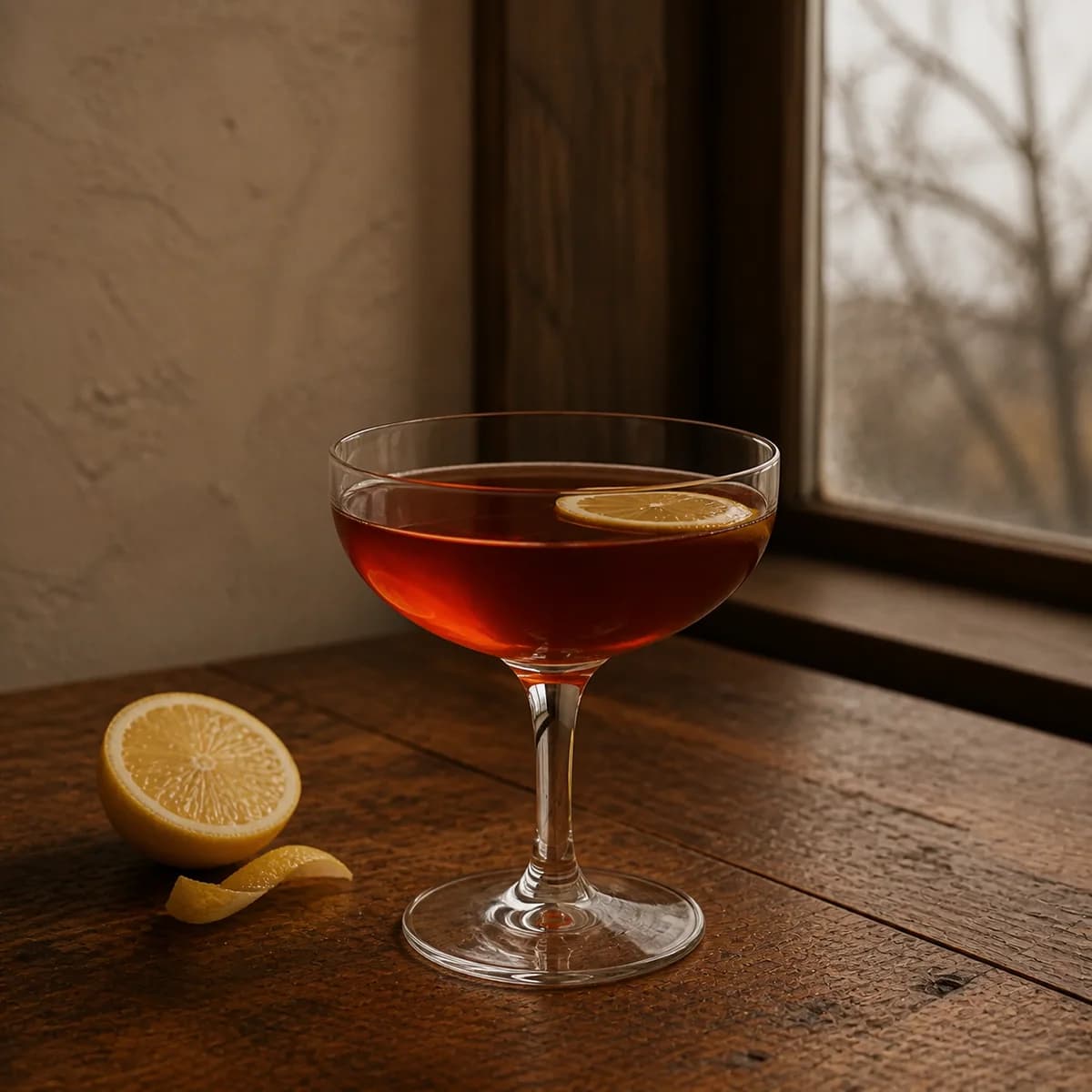
Between the Sheets
A Sidecar with rum: cognac, white rum, orange liqueur and lemon. Bright, boozy and roaring-twenties.
View recipe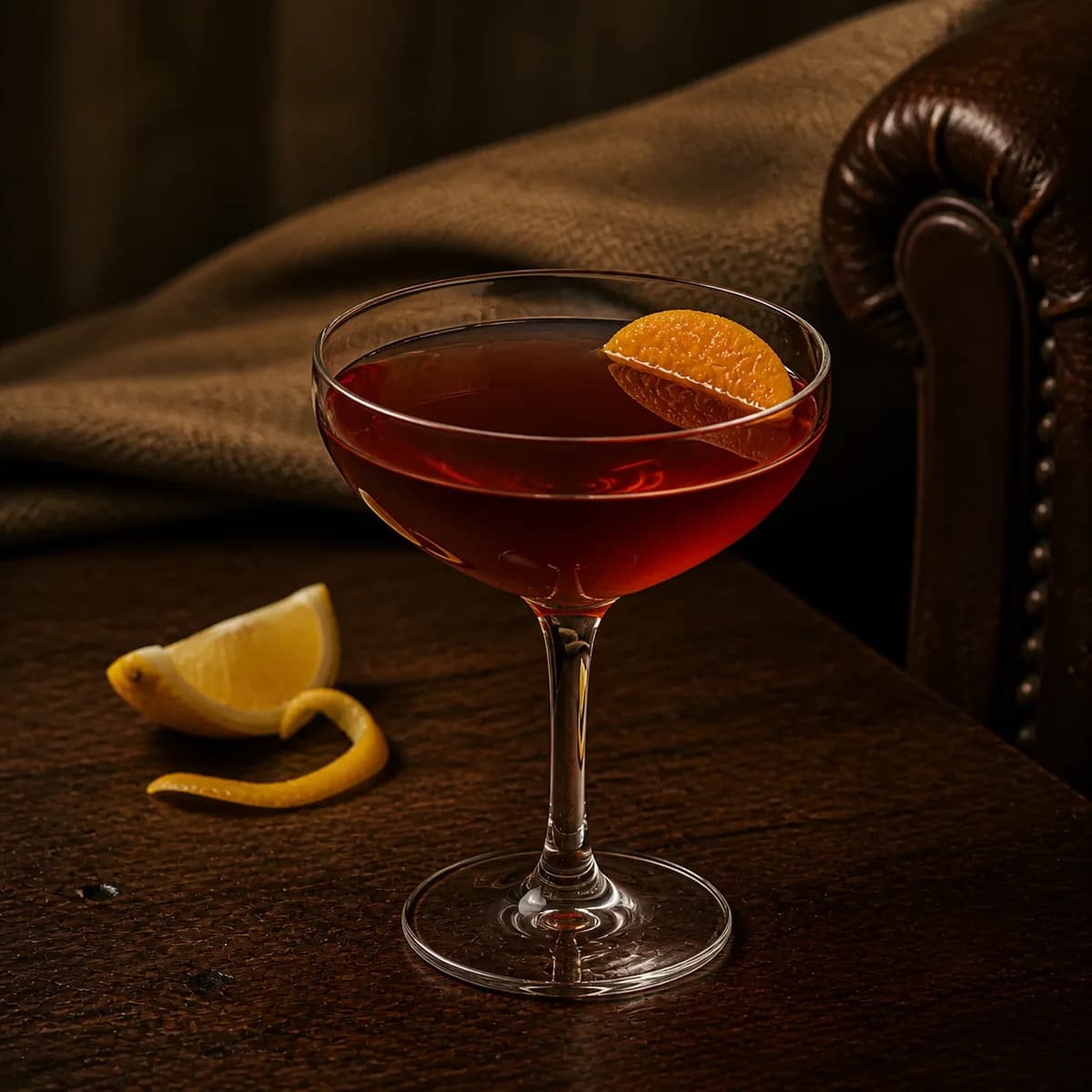
Brandy Crusta
The ancestor of the Sidecar: brandy with orange liqueur, maraschino and lemon in a sugar-rimmed glass. Refined and citrus-bright.
View recipe