Classic cocktail · Guided recipe
Pink Gin
Start makingA Royal Navy classic in its austere entirety: good gin and a few dashes of Angostura, stirred and sipped neat. Bone-dry and aromatic.
In the glassGin · Angostura bitters
See exact amounts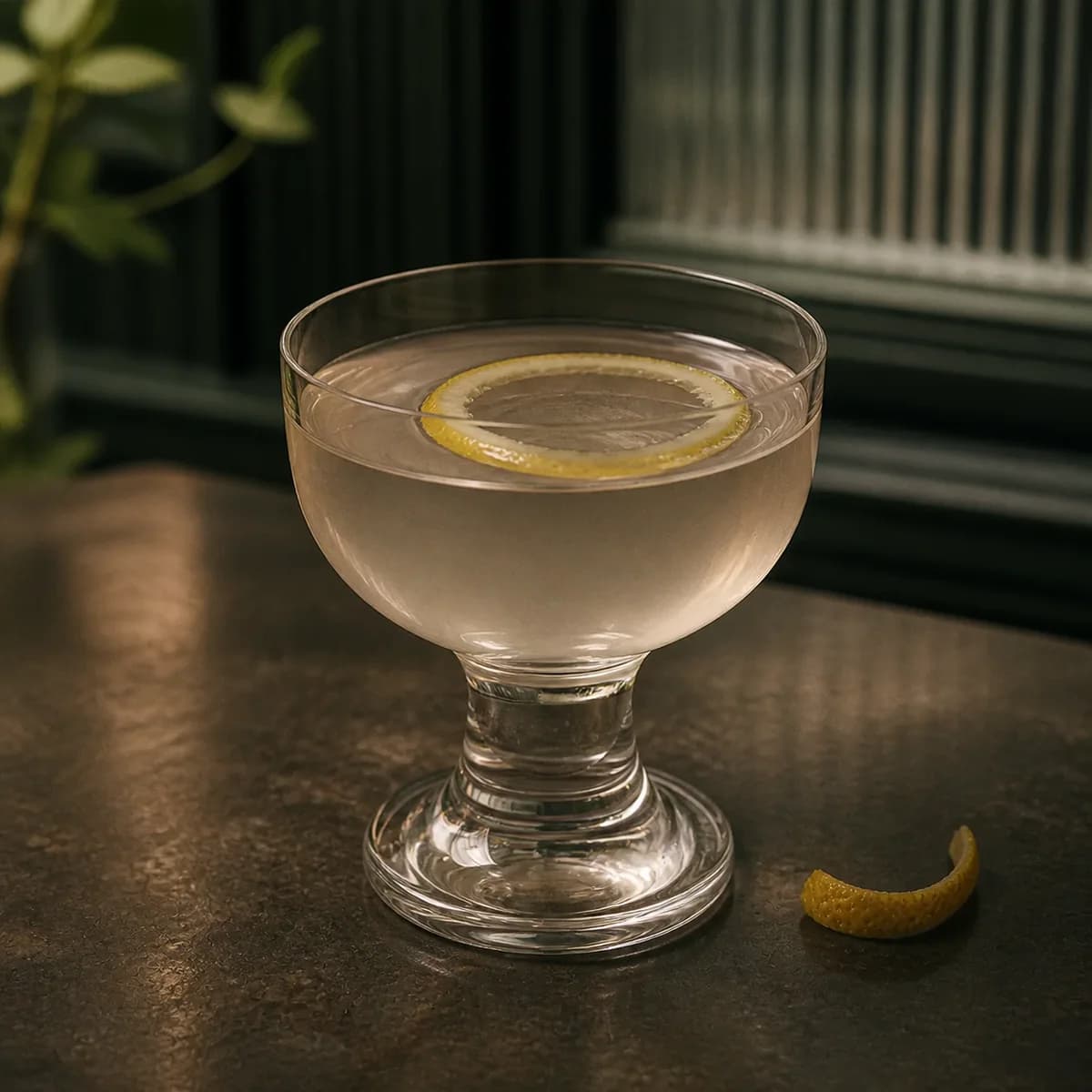
What goes in
Ingredients
Set up before you pour
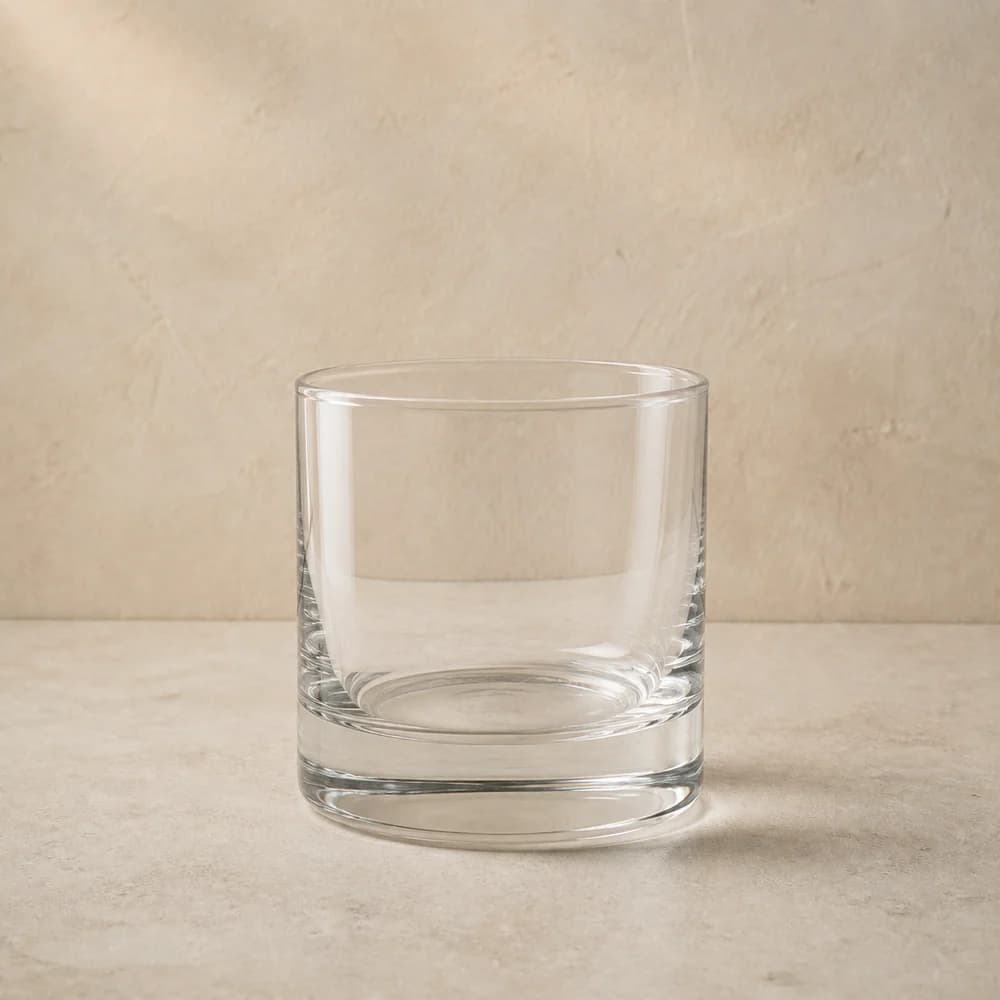
Use a rocks glass.
The low, sturdy bowl suits concentrated drinks and gives one large cube enough width.
- Standard size
- 300 ml10¼ oz
- Ice & serve
- Chill it first; serve without ice.
- If you don’t own one
- Use a small water tumbler with a heavy base.
- jigger or measuring spoon
- Gin60 ml
- Angostura bitters4 dashes
From bottle to glass
Method
- 01
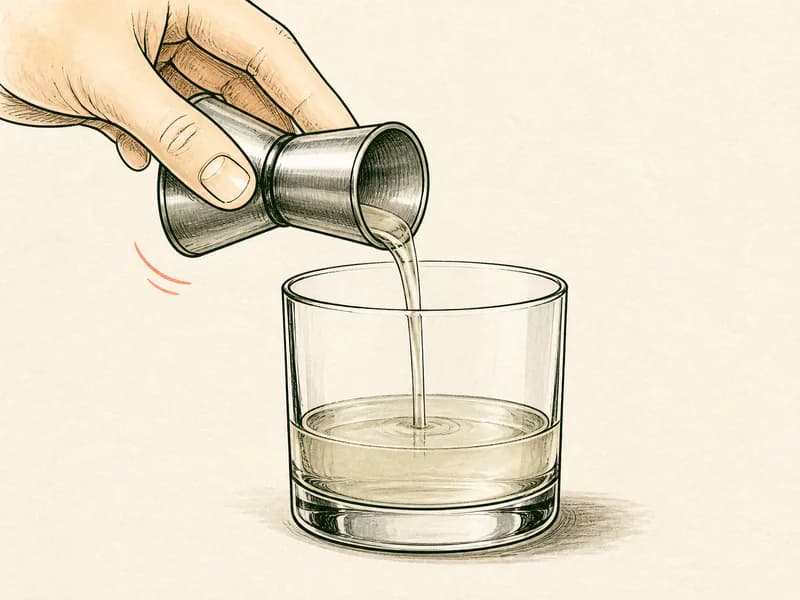
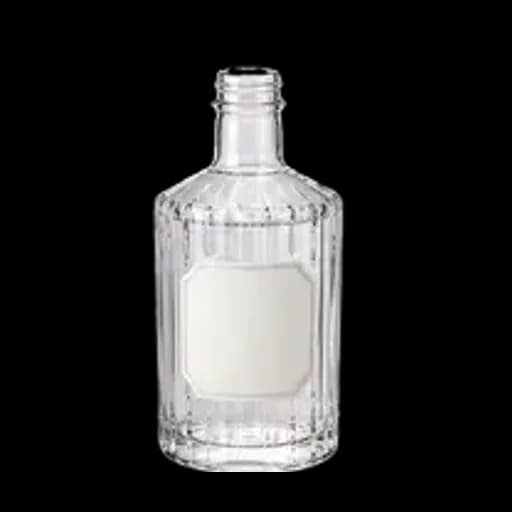
Measure and pour Pour 60 ml gin
 Gin
Gin
- 02
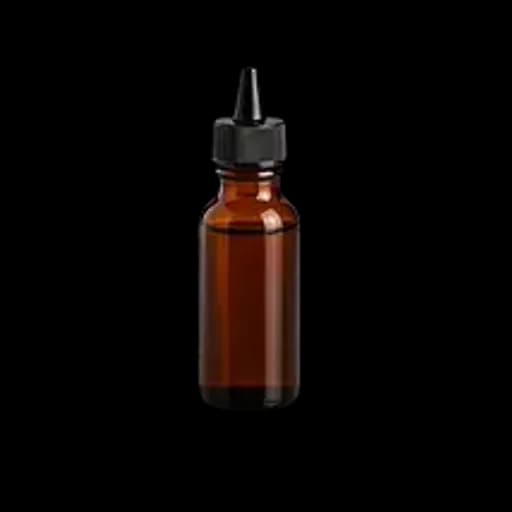
Measure and pour Add 4 dashes Angostura
 Angostura bitters
- 03
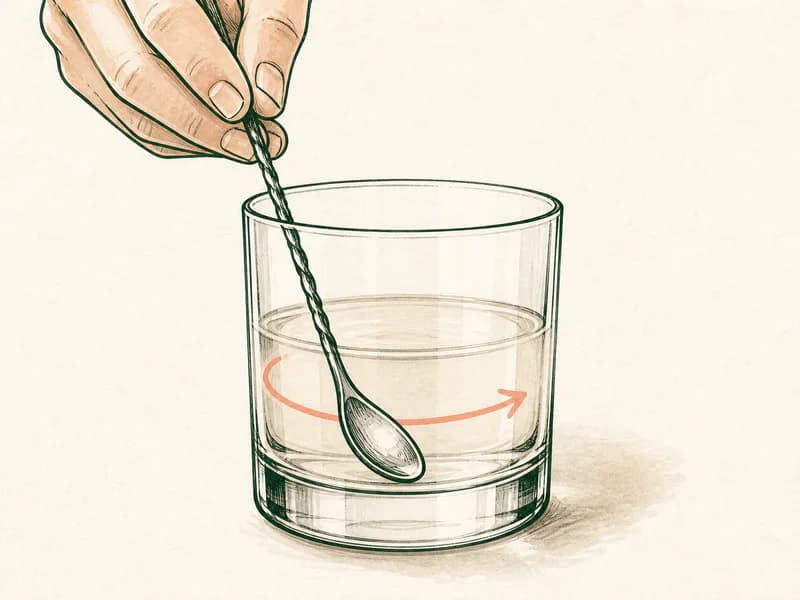
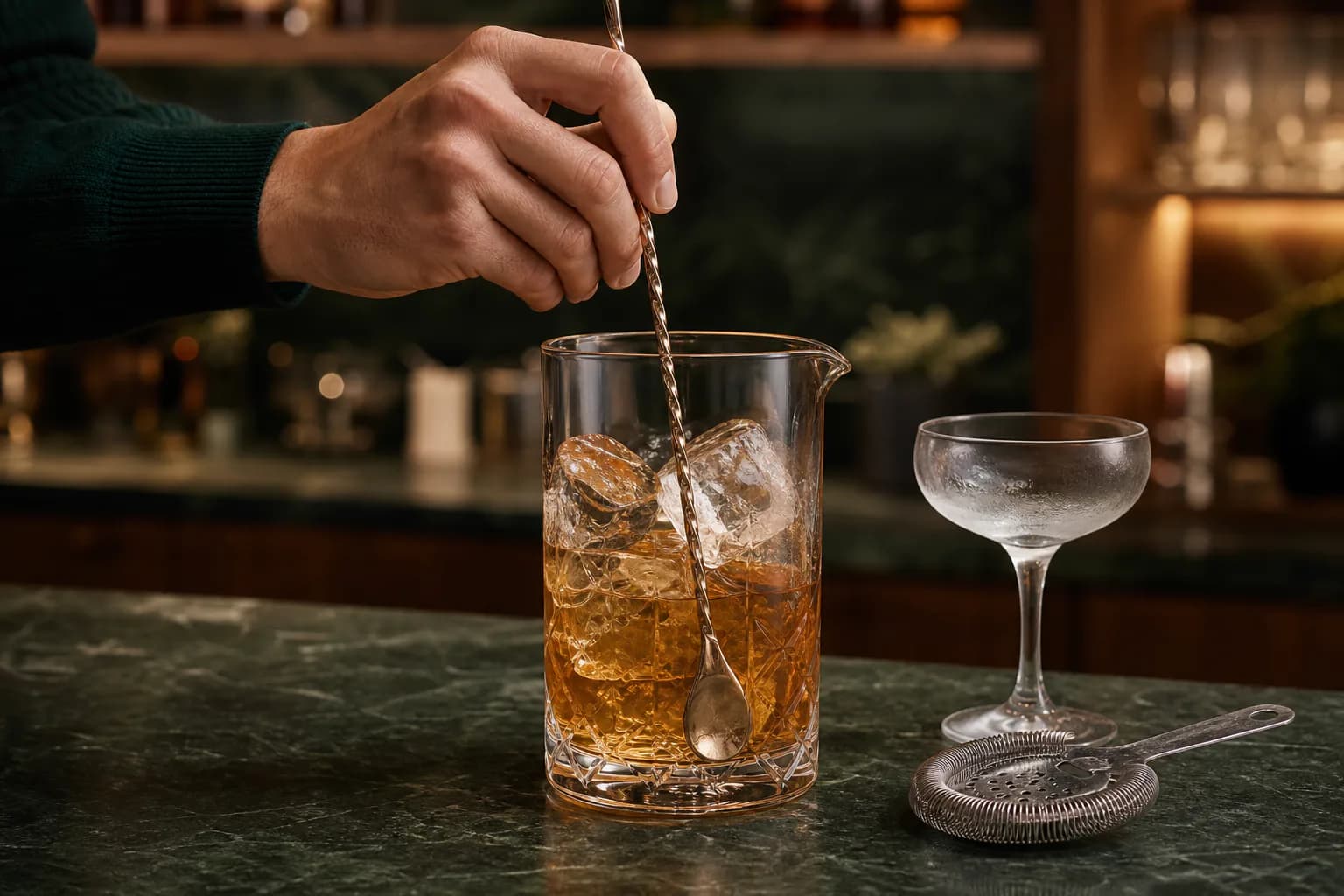
Stir around the ice Stir gently to combine
- 04
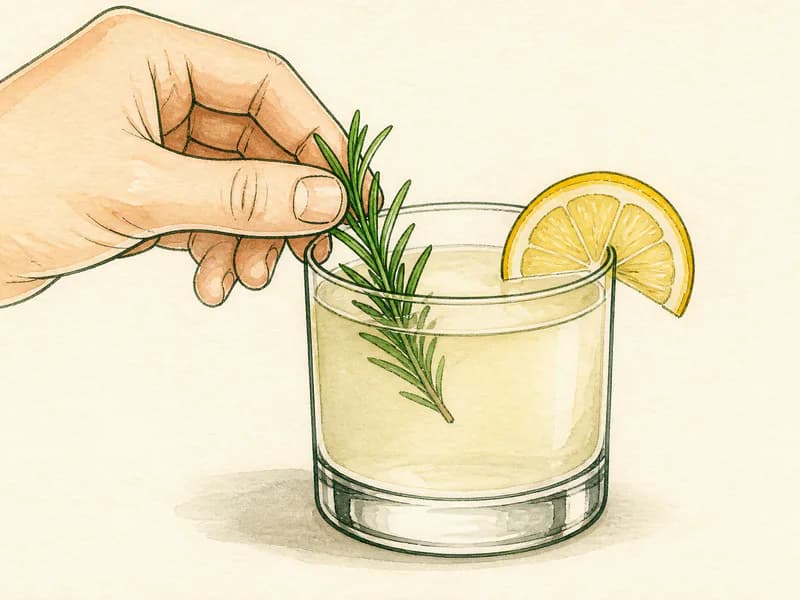
Finish the drink Finish it — add a lemon slice
Know your drink
About the Pink Gin
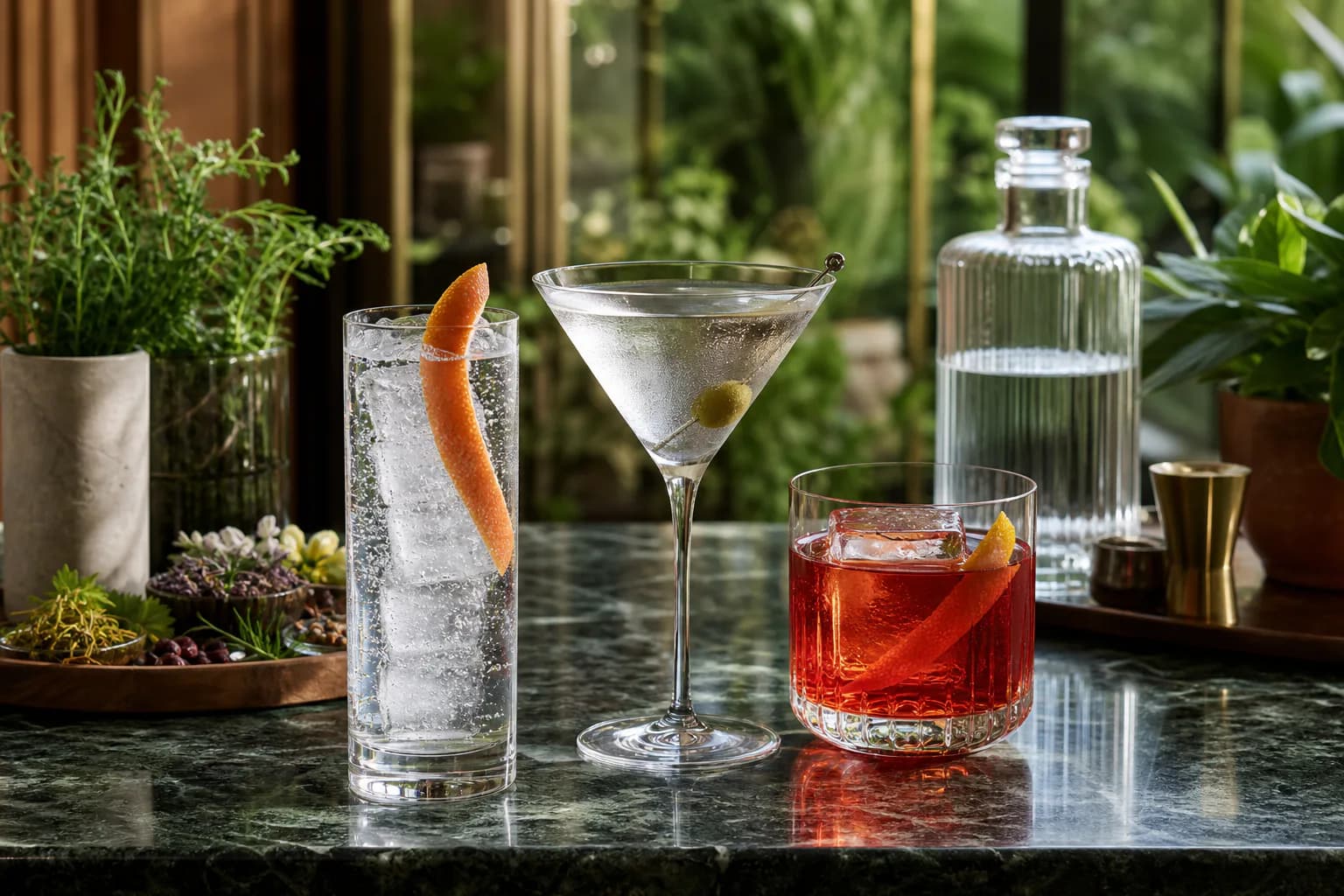
Bitters as ship's medicine
Angostura began as a stomach tonic, blended in the 1820s by a German army surgeon working in Venezuela, and it reached the Royal Navy as medicine rather than as a cocktail ingredient. Officers had a gin ration in one locker and a bottle of bitters in the other. The story goes that somebody put the two together, and the drink kept the medicine's color.
Pink gin is one of the very few classics with no dilution built into it, so it drinks like an aromatic shot unless you help it along. A small jug of iced water alongside is the period-correct fix. Add it a teaspoon at a time and the bitters open up as the alcohol drops.
Common questions
Pink Gin FAQ
How many dashes make it pink?
Three or four across a 60 ml pour gives you both the color and a real spice note. The older method is to swirl two dashes around the empty glass, tip out whatever won't cling, then add the gin. You get the aroma and a much paler drink, which is a gentler place to start.
Is it really served with no ice at all?
That's the tradition, and neat gin at room temperature is a hard thing to sip. Keep the bottle in the freezer and chill the glass first. Cold does most of the work ice would do, without watering the bitters down to nothing.
Which gin, when there's nothing to hide behind?
Plymouth is the traditional pour and the soft one, rounder and less juniper-heavy than a London dry, which matters when the gin is the entire drink. Navy strength at 57 percent goes the other way: bigger, hotter, and it needs an extra dash of bitters to keep up.
Peychaud's instead of Angostura?
Different drink. Peychaud's is sweeter and anise-led, and it turns the glass a brighter red than the dusty pink you're after. Angostura's gentian bitterness and clove are what give this its dry, medicinal edge. Orange bitters barely tint the gin at all.
What's the lemon slice for?
Oils, mostly. A twist of peel squeezed over the surface does more than a slice sitting in the glass, and on a drink with this little going on, the aroma counts for a lot. Some people leave the garnish off entirely and take it bone dry. That's period-correct too.
What ingredients are in a Pink Gin?
A classic Pink Gin calls for 60 ml (2 oz) Gin, 4 dashes Angostura Angostura bitters. That single-serve spec scales cleanly — the recipe above converts it to oz and multiplies it for 2–4 drinks.
How strong is a Pink Gin?
A standard Pink Gin is roughly 40% ABV once mixed (before ice melt softens it further). That makes it spirit-forward — closer to a Martini than to a beer, so sip it slowly.
Sharpen the technique
Skills used in this recipe
Where to go next
If you like the Pink Gin, try these.
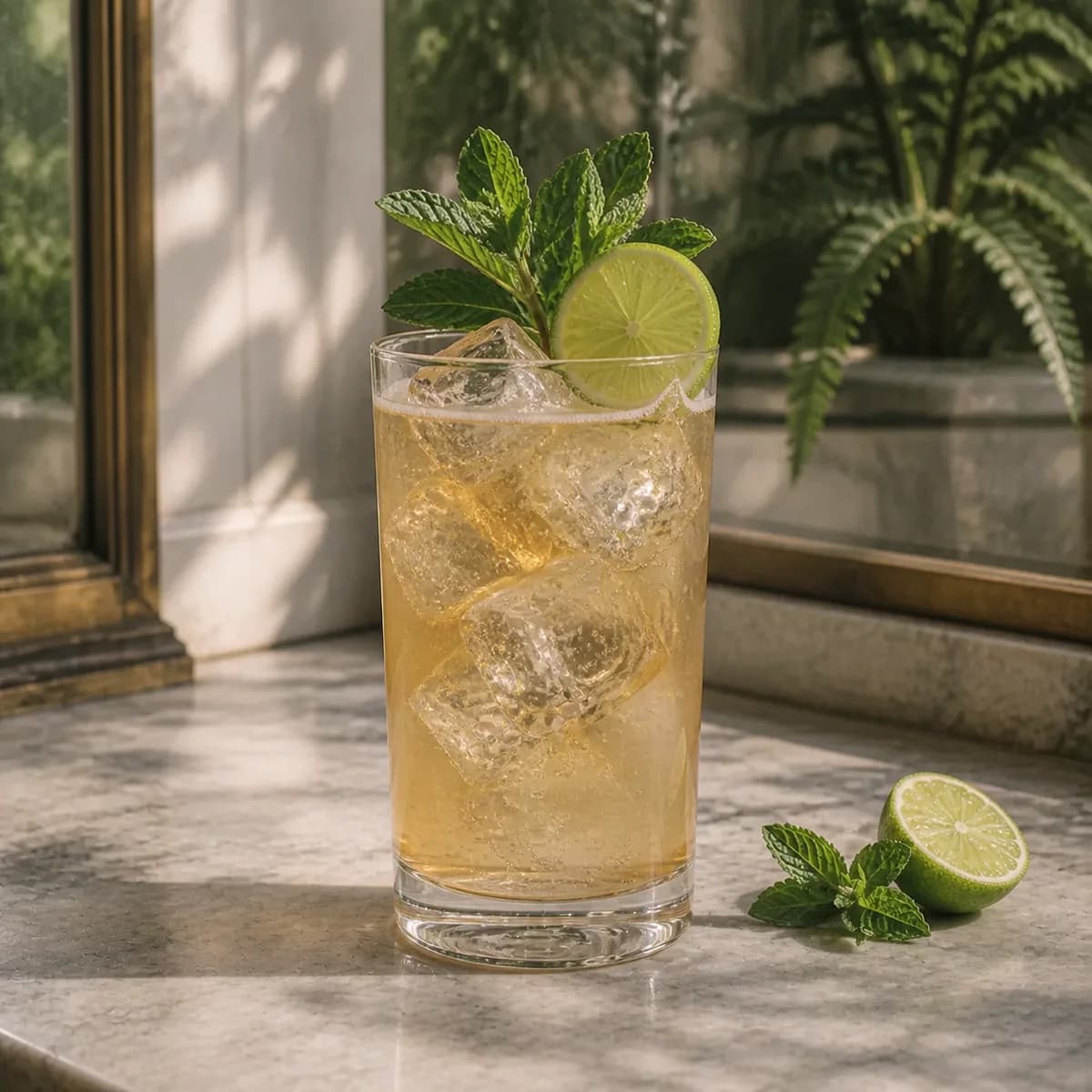
Gin-Gin Mule
Audrey Saunders’ modern classic: a mojito-mule hybrid — gin and mint muddled with lime and sugar, lengthened with ginger beer.
View recipe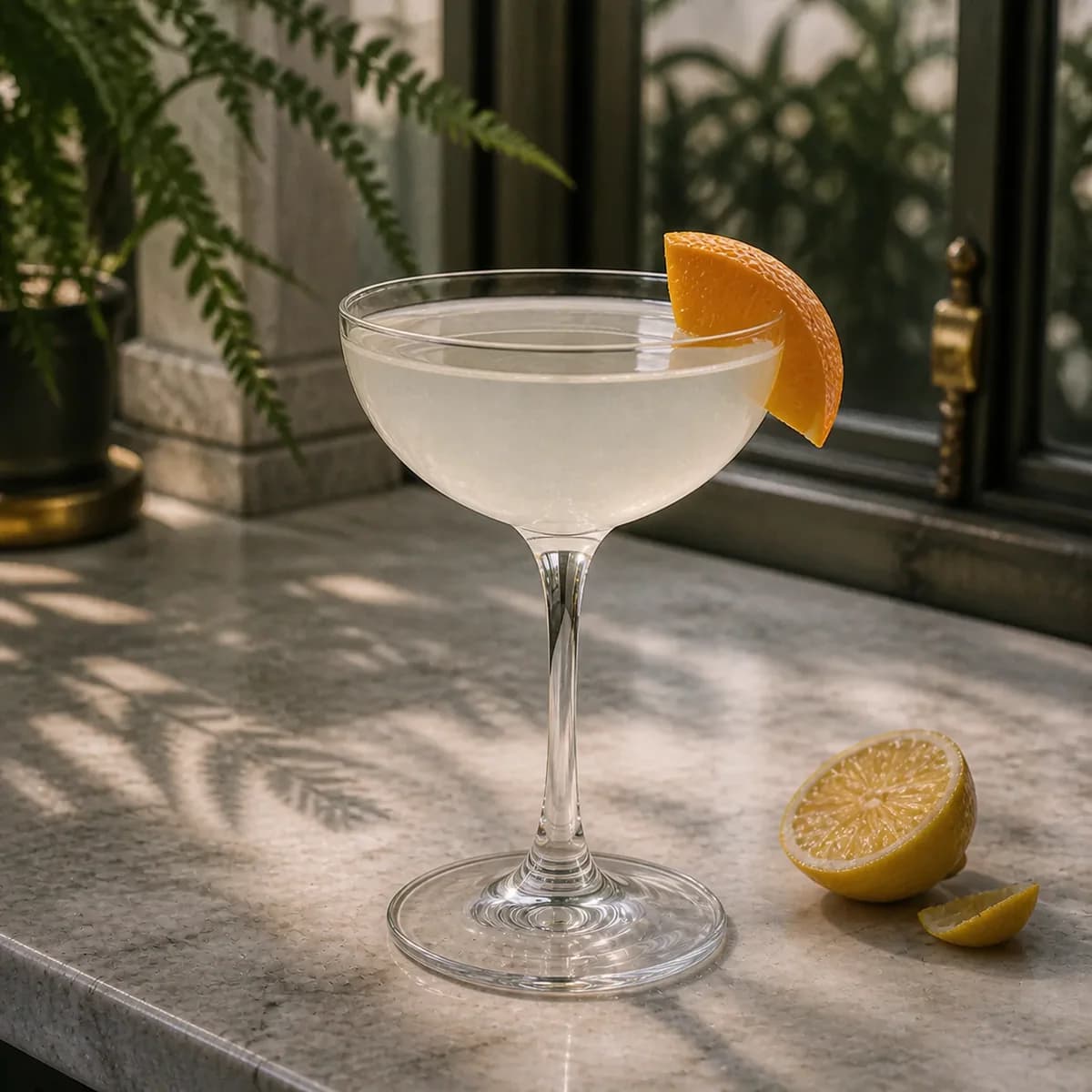
Gin Crusta
Sugar on half the rim and a long coil of lemon peel lining the glass is what makes a crusta, and the liquid inside is almost secondary. Gin, lemon, a little orange liqueur and a bar spoon of maraschino, sharper than the sugared rim leads you to expect.
View recipe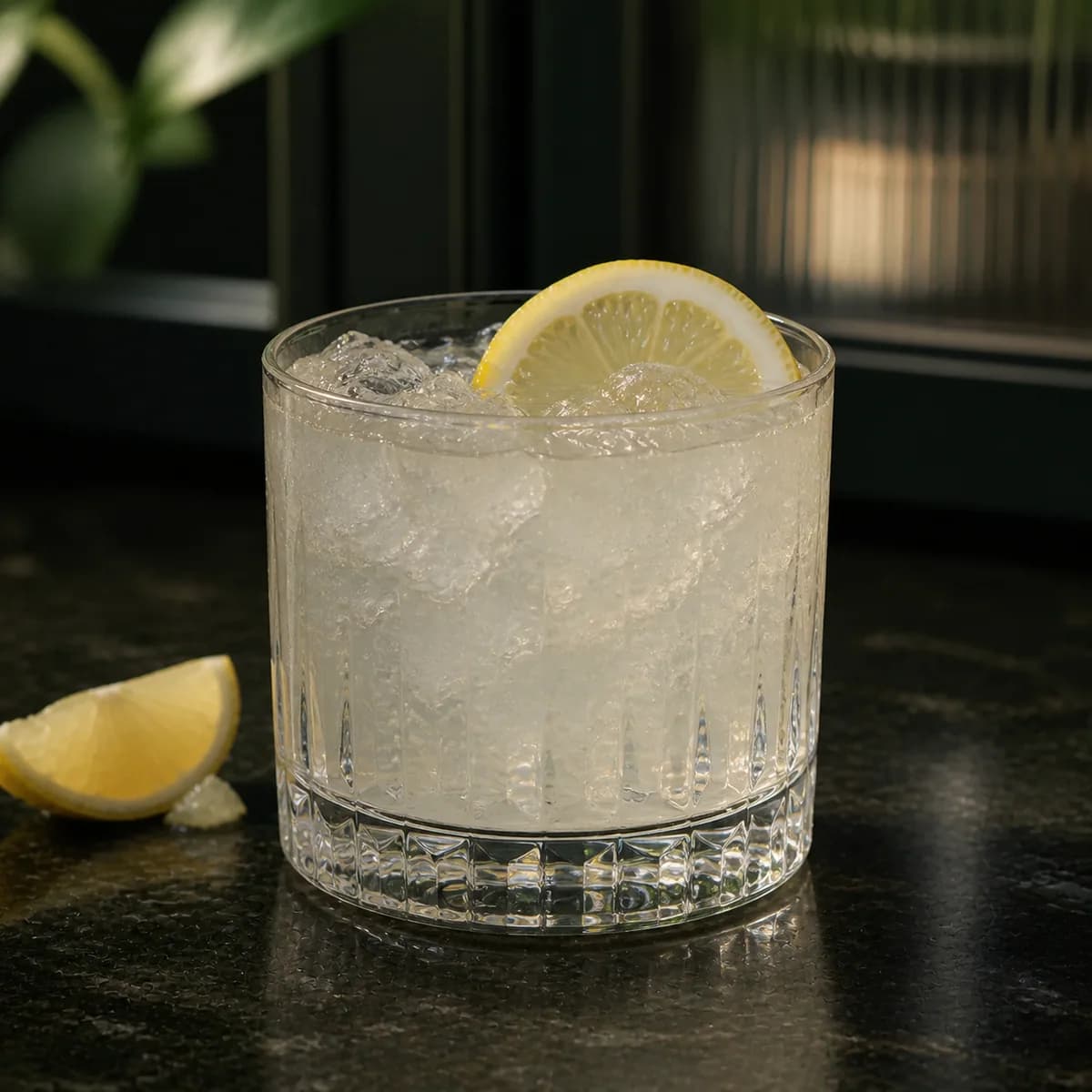
Gin Fix
Four milliliters of maraschino sounds like a rounding error. It isn't. That teaspoon is what separates a Fix from a plain gin sour, laying a dry almond-and-cherry note under the lemon without ever tasting of cherry syrup.
View recipe