Classic cocktail · Guided recipe
Harvard
Start makingCognac and sweet vermouth in a two-to-one ratio, which on its own would be a heavy, wine-dark sipper. Thirty milliliters of soda changes that. It lifts the aromatics and thins the texture just enough to make this something you drink before dinner rather than after.
In the glassCognac · Sweet vermouth · Angostura bitters · Soda water
See exact amounts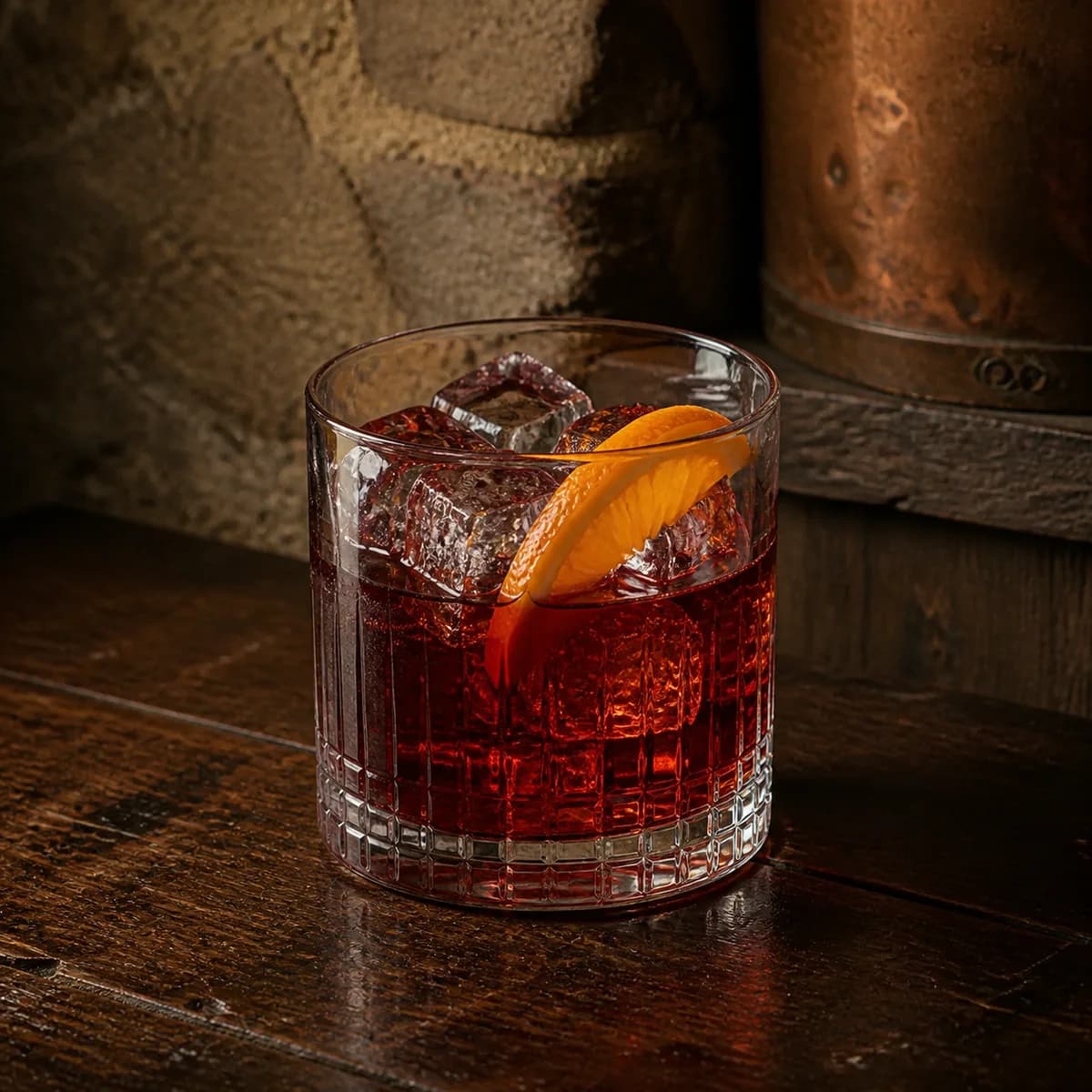
What goes in
Ingredients
Set up before you pour
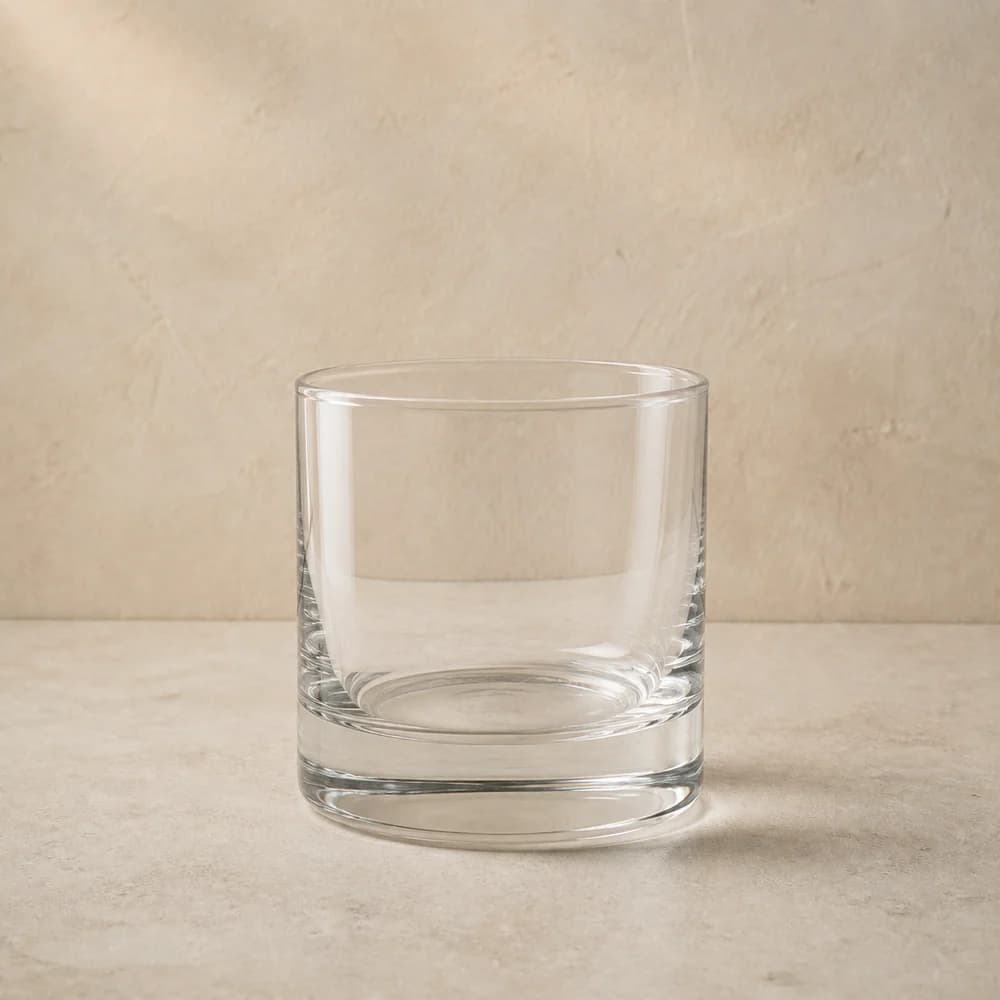
Use a rocks glass.
The low, sturdy bowl suits concentrated drinks and gives one large cube enough width.
- Standard size
- 300 ml10¼ oz
- Ice & serve
- Fill it with fresh ice cubes.
- If you don’t own one
- Use a small water tumbler with a heavy base.
- jigger or measuring spoon
- Cognac45 ml
- Sweet vermouth22 ml
- Soda water30 ml
- Angostura bitters2 dashes
From bottle to glass
Method
- 01
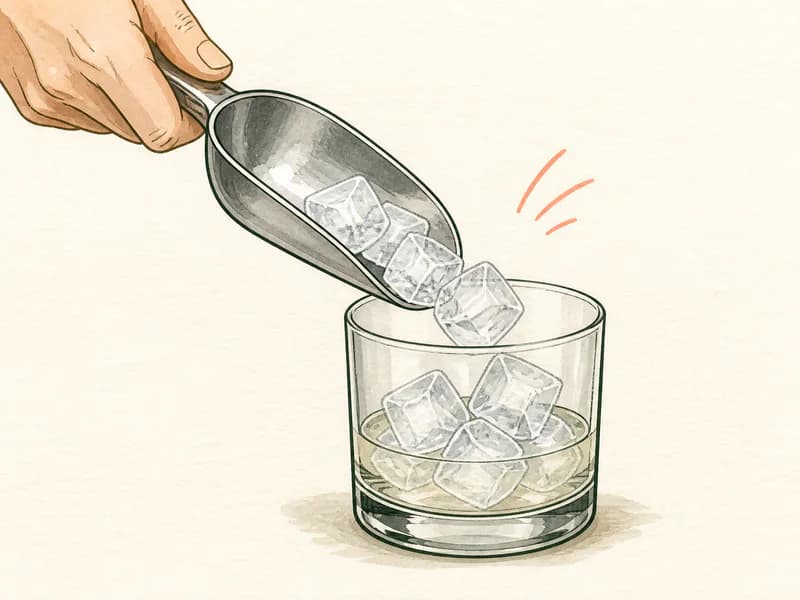
Ice the glass Fill the glass with ice
- 02
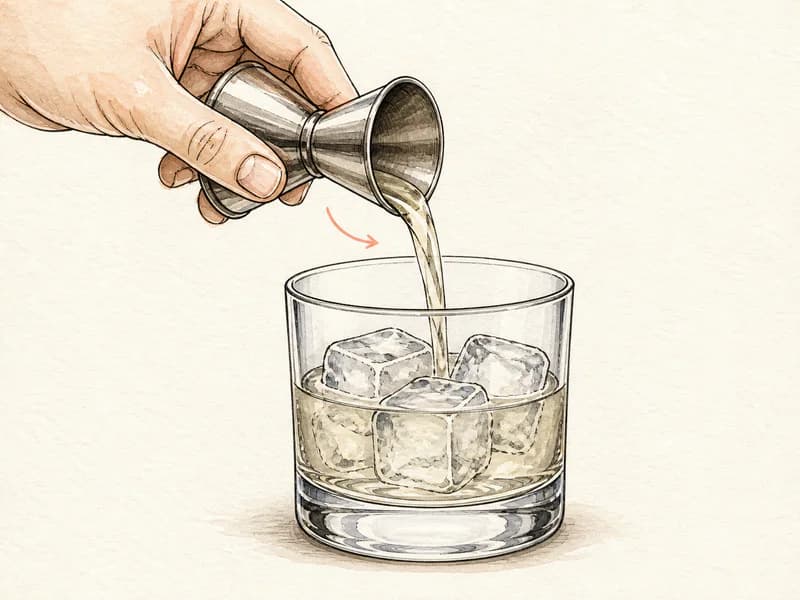
Measure and pour Pour 45 ml cognac
 Cognac
- 03
Measure and pour Add 22 ml sweet vermouth
 Sweet vermouth
- 04
Measure and pour Add 2 dashes Angostura
 Angostura bitters
- 05
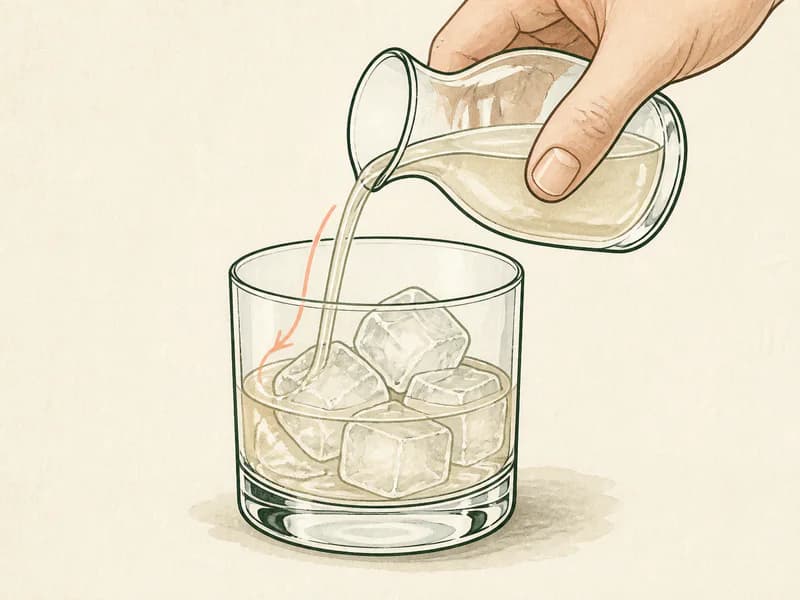
Top gently Top with 30 ml soda water
 Soda water
- 06
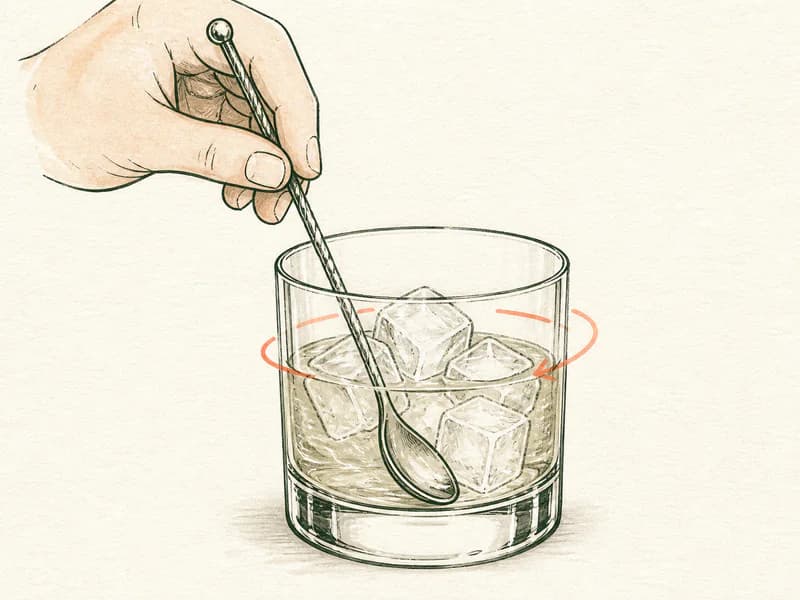
Stir around the ice Stir gently to combine
- 07
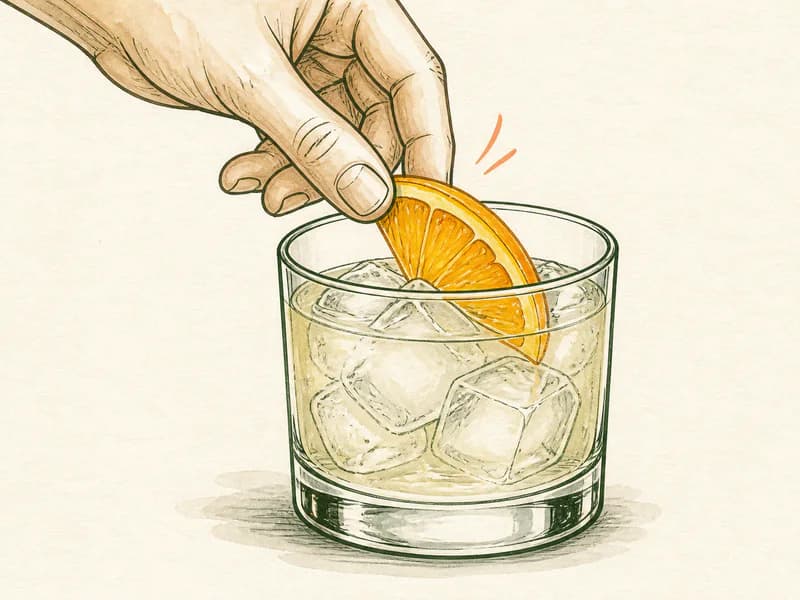
Finish the drink Finish it — add an orange slice
Know your drink
About the Harvard
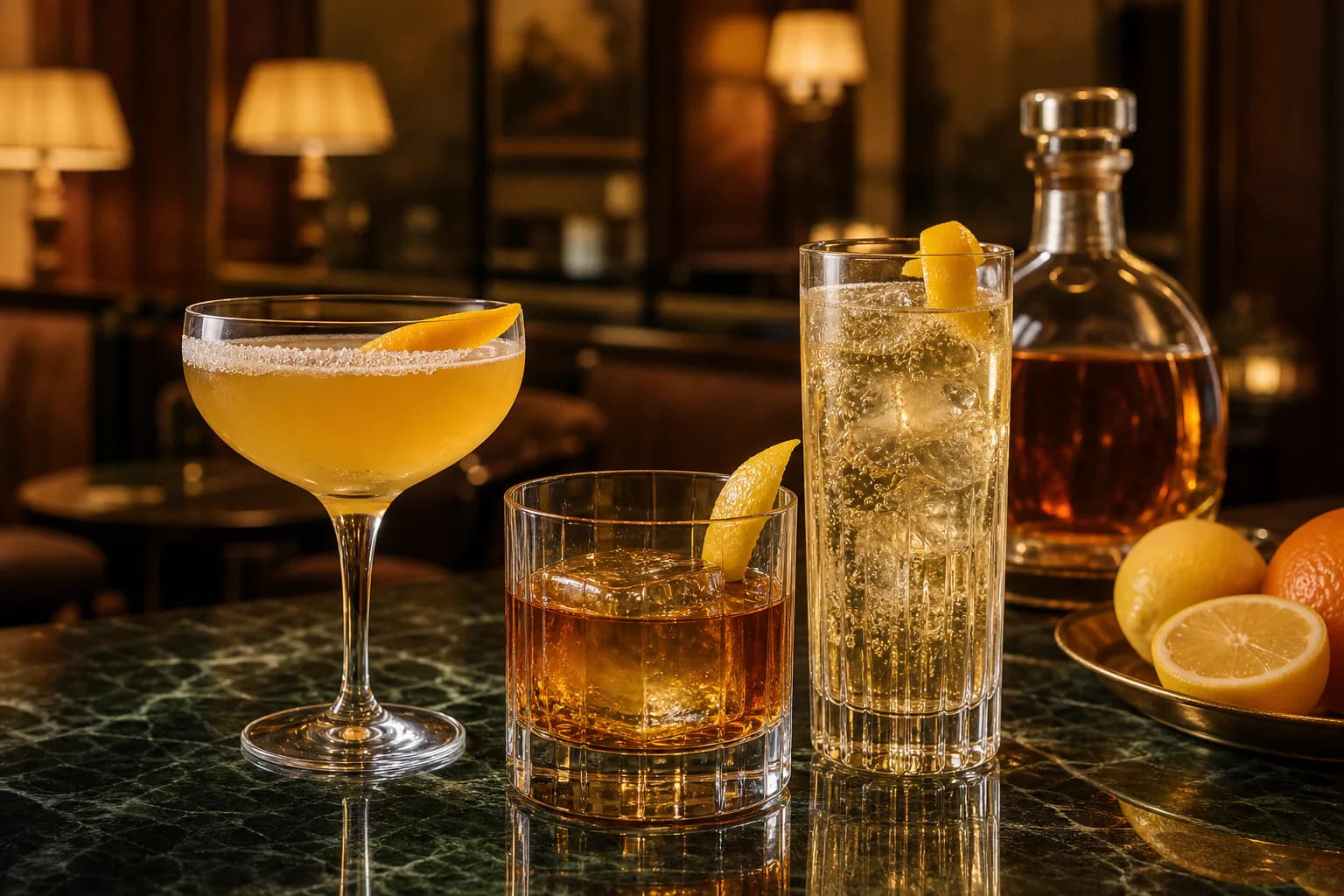
Cocktails named after colleges
Late-1800s bar manuals are full of drinks named for American colleges. Harvard, Yale and Princeton all turn up, usually with no explanation of who named them or why, and the recipes drift from book to book. What stays consistent about the Harvard is the pairing: brandy where a Manhattan takes whiskey, sweet vermouth beside it, bitters to bind the two. The soda is the part that comes and goes.
Common questions
Harvard FAQ
Thirty milliliters of soda is barely a splash. Is it enough to matter?
It is, because it isn't doing the work of a highball. That splash thins a cognac-and-vermouth mixture just enough to release the aromatics, and the bubbles carry them upward. Add it once everything is cold and give it one lazy turn. Anything more energetic and the gas is gone.
Can I leave the soda out altogether?
You can, and you'll have a brandy Manhattan's near relation, which wants a coupe and no ice. It's good, but it's denser and much slower going, with a sweeter finish. The soda version is the one that suits a warm evening and a second round.
Does the cognac need to be VSOP?
VS is fine. Sweet vermouth and bitters cover most rough edges, and the soda dilutes whatever you paid extra for. Put the money into the vermouth instead, where the gap between a fresh bottle and a tired one is glaring.
The vermouth has been open since spring. Does that show at 22 ml?
Badly. It's close to a quarter of what you pour, and sweet vermouth is fortified wine rather than spirit, so it oxidizes in the fridge within a month or two of opening. The giveaway is a raisiny, slightly cooked note that coats the tongue. Buy the small bottle and write the date on the cap.
What ingredients are in a Harvard?
A classic Harvard calls for 45 ml (1.5 oz) Cognac, 22 ml (0.75 oz) Sweet vermouth, 2 dashes Angostura Angostura bitters, 30 ml (1 oz) Soda water. That single-serve spec scales cleanly — the recipe above converts it to oz and multiplies it for 2–4 drinks.
How strong is a Harvard?
A standard Harvard is roughly 22% ABV once mixed (before ice melt softens it further). That makes it spirit-forward — closer to a Martini than to a beer, so sip it slowly.
Is a Harvard shaken or stirred?
A Harvard is built directly in the glass over ice — no shaker required. Add the ingredients in order and give it a brief, gentle stir.
Sharpen the technique
Skills used in this recipe
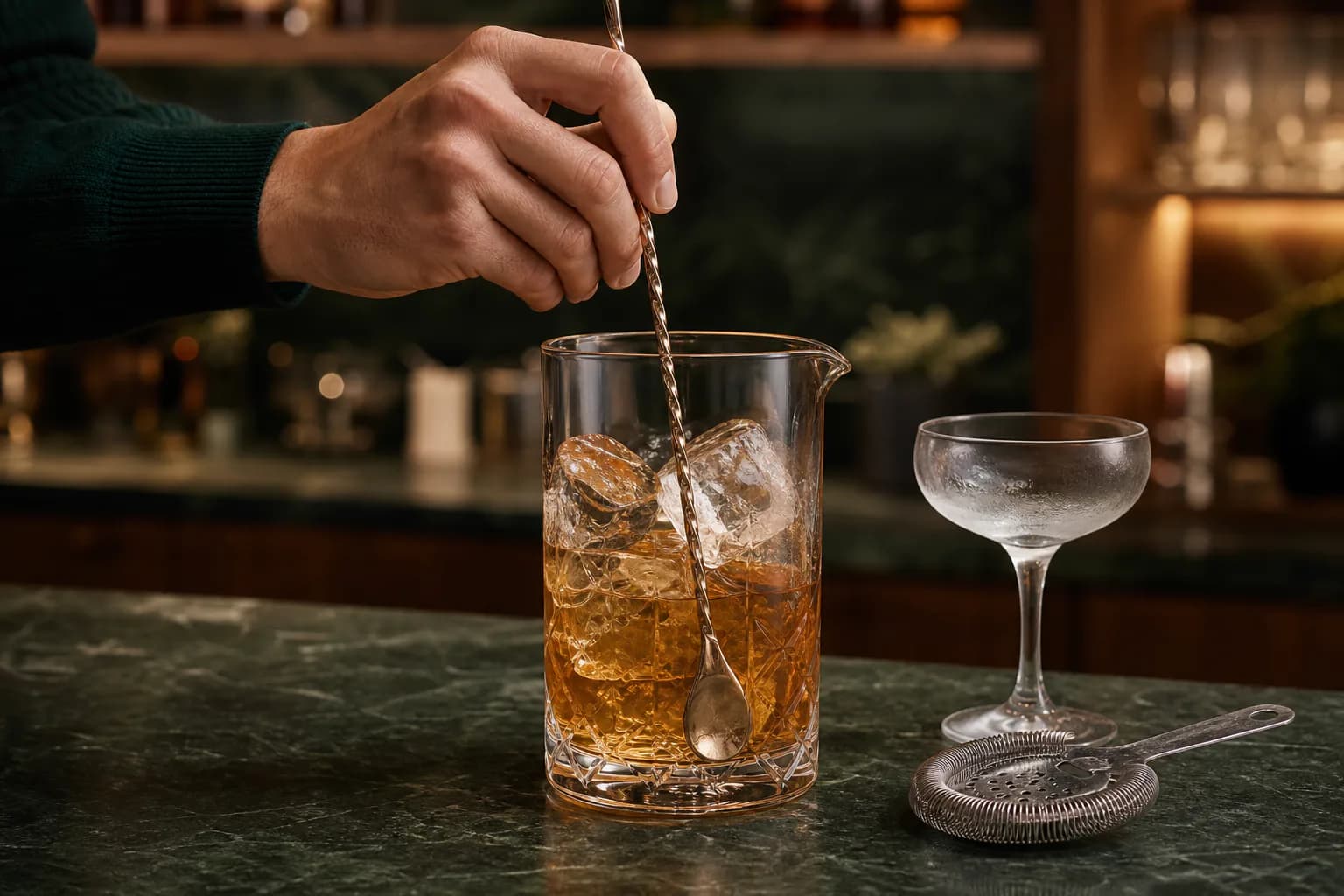
How to stir a cocktail for a silky finish
Control chilling and dilution without adding the bubbles and texture of a shake.
Read the guide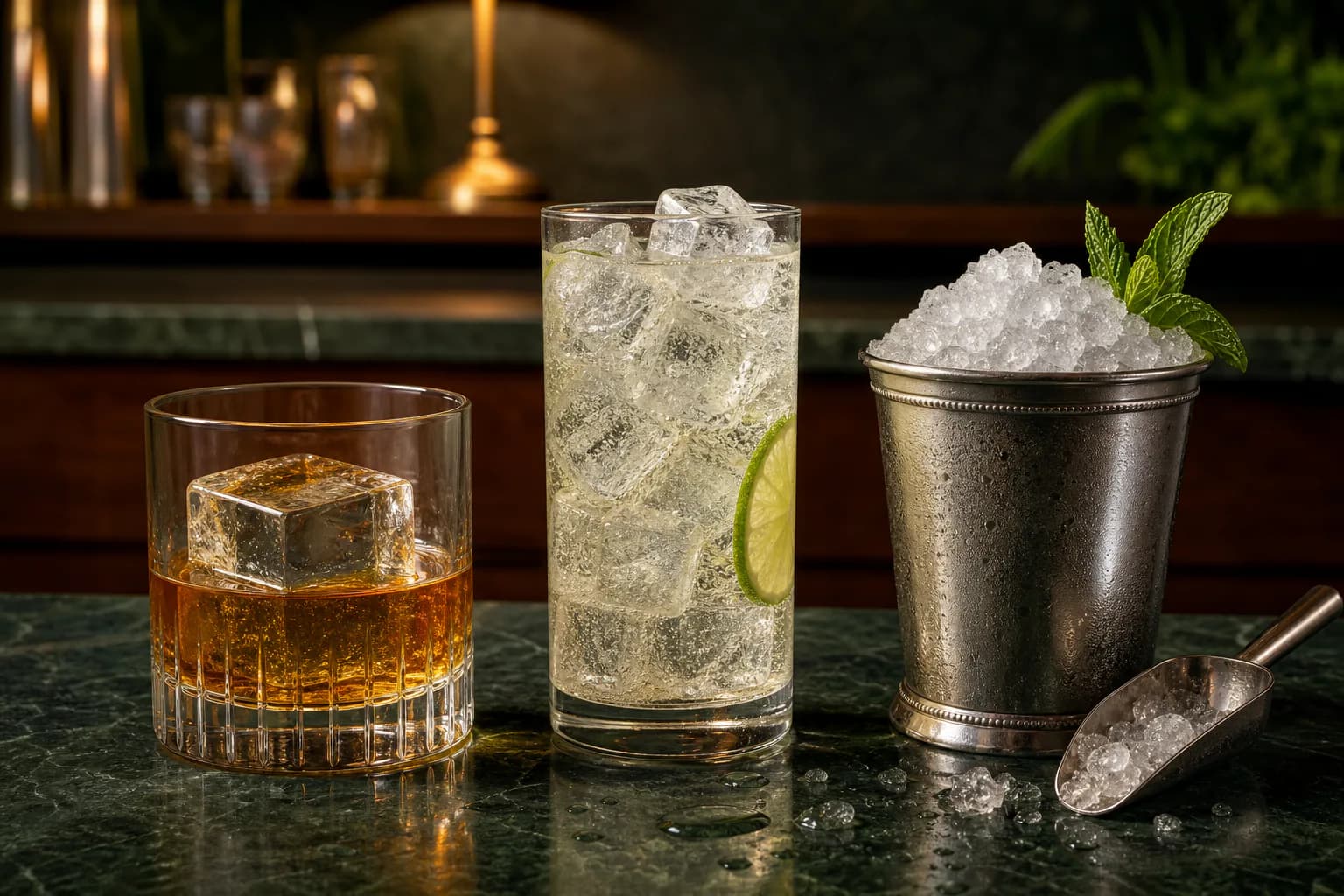
Cocktail ice: cubes, crushed ice and dilution
Understand why ice is an ingredient—and choose the right shape for every drink.
Read the guideWhere to go next
If you like the Harvard, try these.
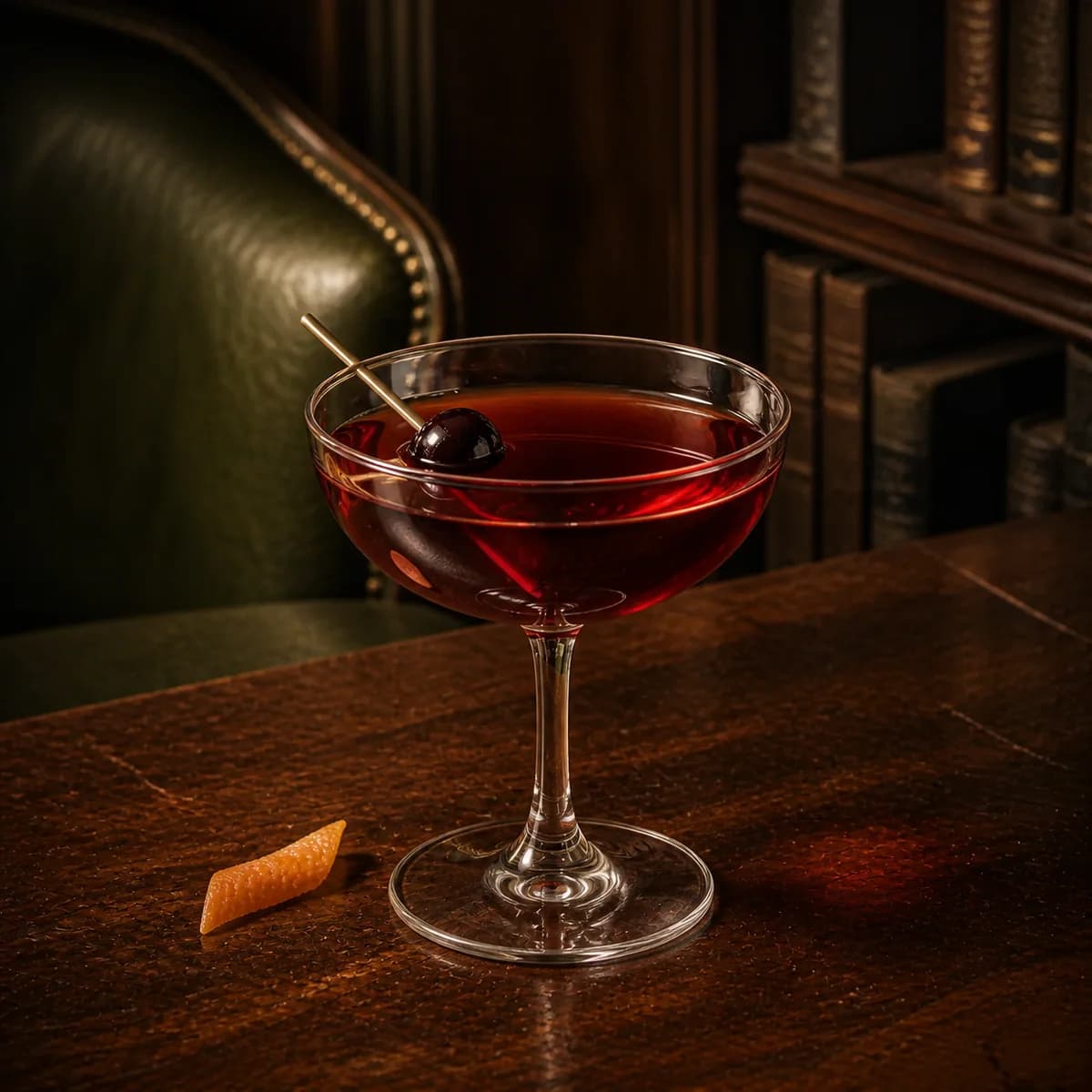
Saratoga
A brandy-and-rye Manhattan with a double dose of vermouth — rich, spirituous and old-world elegant.
View recipe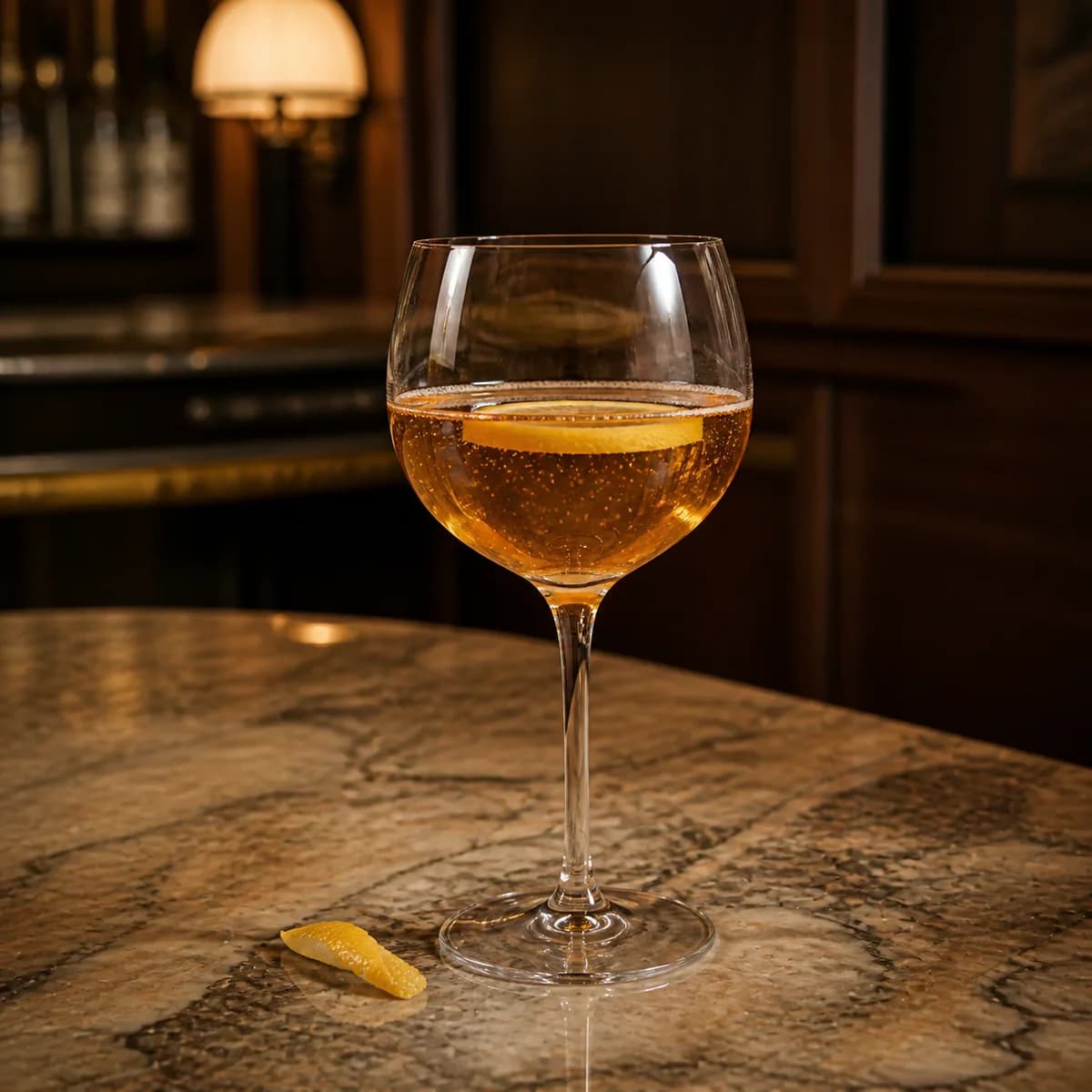
Champagne Cocktail
A sugar cube soaked in bitters under a glass of champagne, with a cognac lift — the oldest of the bubbly classics. Pure occasion.
View recipe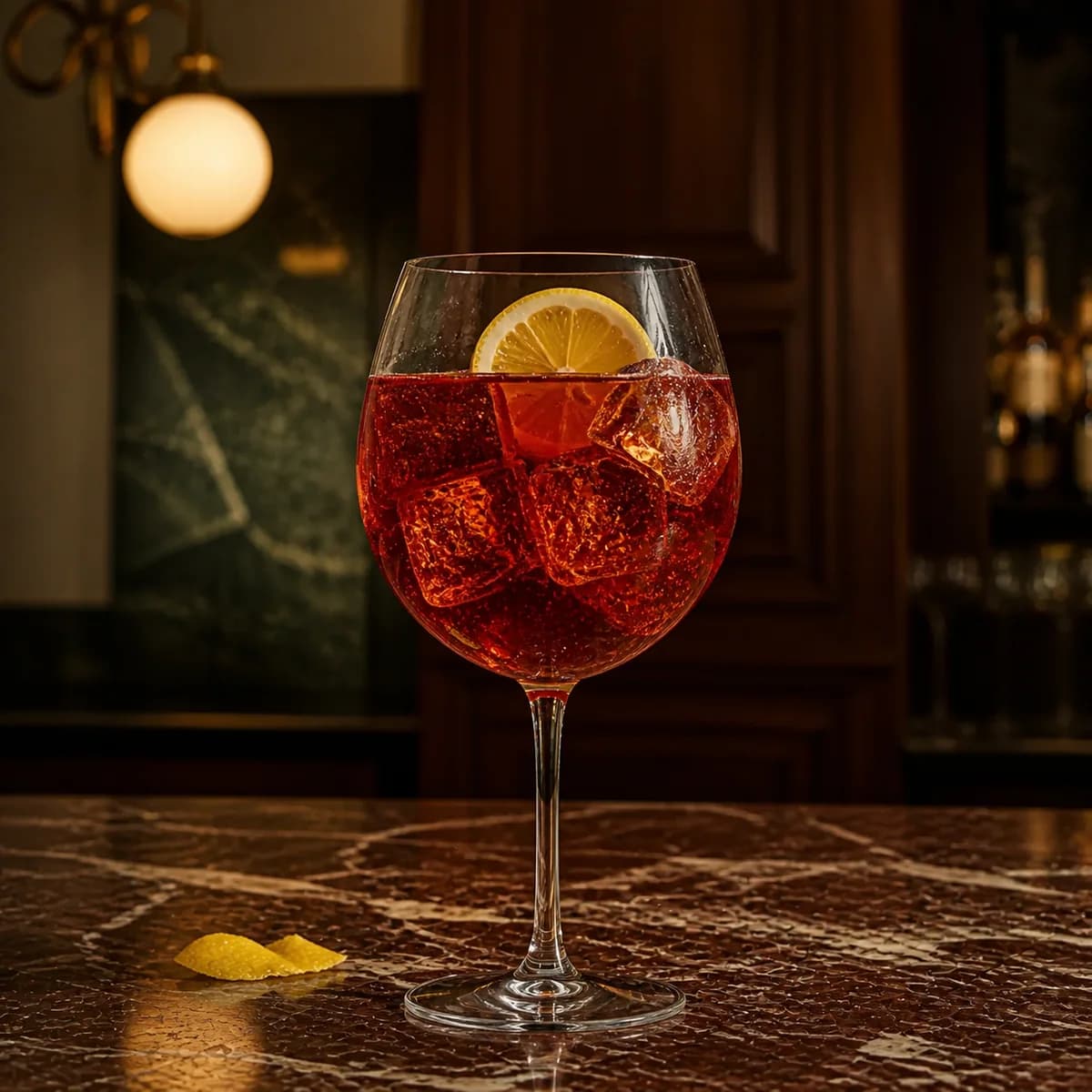
Chicago
Cognac and a splash of orange liqueur, bittered, then filled with champagne and served over ice in a wine glass. Warmer and more assertive than a Champagne Cocktail, and it lasts a good deal longer in the hand.
View recipe